
Are you wondering if ceramic and titanium cookware is truly safe for your family? You want pots and pans that won’t harm your health or ruin your meals.
But with so many options and conflicting information, it’s hard to know what to trust. This article will clear up the confusion and give you the facts you need. By the end, you’ll feel confident choosing cookware that keeps your food delicious and your kitchen safe.
Keep reading to discover the truth about ceramic and titanium cookware safety.
Ceramic Cookware Basics
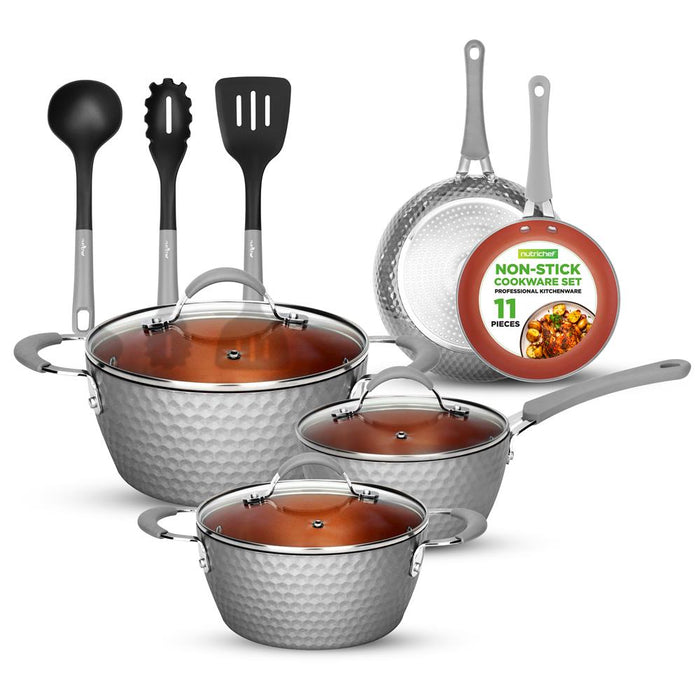
Ceramic cookware is popular for its non-stick surface and attractive design. Many people wonder if it is safe to use in daily cooking. Understanding the basics of ceramic cookware helps make smart choices for the kitchen. This section covers the material composition, types of ceramic coatings, and common uses in kitchens. These points clarify how ceramic cookware works and its safety.
Material Composition
Ceramic cookware is made by combining natural materials and heat treatment. The base is usually metal, such as aluminum or stainless steel, coated with a ceramic layer. The ceramic layer comes from sand or other minerals baked at high temperatures to form a hard surface.
Key components of ceramic cookware include:
- Metal base: Provides strength and even heat distribution.
- Ceramic coating: Offers a smooth, non-stick surface free from chemicals like PTFE or PFOA.
- Silica and oxygen: Main elements in the ceramic glaze.
The ceramic coating is inorganic and does not release harmful substances during cooking. It also resists scratches and stains better than traditional non-stick coatings. Ceramic cookware is often praised for being eco-friendly and easier to recycle compared to plastic-based pans.
| Component | Function | Benefit |
|---|---|---|
| Aluminum or Stainless Steel Base | Supports structure and heat distribution | Even cooking, durability |
| Ceramic Coating | Non-stick surface | Easy cleaning, chemical-free cooking |
| Silica & Oxygen | Forms ceramic glaze | Heat resistance, durability |
Types Of Ceramic Coatings
Ceramic coatings vary by manufacturing methods and ingredients. Each type offers different qualities and durability. The main types include:
- Pure Ceramic: Made entirely from inorganic minerals. It is very hard and heat-resistant but may be brittle.
- Ceramic-Infused Non-Stick: Combines ceramic particles with a non-stick polymer base. Offers better flexibility and durability.
- Sol-Gel Coating: A liquid ceramic applied and cured at high temperatures. Provides a smooth and uniform surface.
Each coating type affects the cookware’s performance and lifespan. Pure ceramic coatings resist high heat well but can chip if handled roughly. Ceramic-infused coatings offer better scratch resistance but sometimes contain small amounts of synthetic materials. Sol-gel coatings provide a balance between hardness and flexibility.
Comparison Table of Ceramic Coatings:
| Coating Type | Durability | Heat Resistance | Non-Stick Quality |
|---|---|---|---|
| Pure Ceramic | Medium | High | Good |
| Ceramic-Infused Non-Stick | High | Medium | Very Good |
| Sol-Gel Coating | Medium-High | High | Good |
Common Uses In Kitchens
Ceramic cookware suits many cooking tasks. Its non-stick surface reduces the need for oil or butter, helping prepare healthier meals. It works well for:
- Frying eggs and pancakes without sticking.
- Sautéing vegetables with minimal oil.
- Simmering sauces that require gentle heat.
- Baking casseroles in oven-safe ceramic pans.
Ceramic cookware is also popular for serving food directly at the table because of its elegant appearance. Some models come in bright colors or patterns that enhance kitchen decor.
Advantages of Ceramic Cookware in Daily Use:
- Easy to clean by hand or in a dishwasher.
- Safe for use with metal utensils on many brands.
- Non-reactive surface that does not affect food flavor.
- Suitable for all stove types, including induction (if metal base is included).
Users should avoid sudden temperature changes to prevent cracking. Using moderate heat extends the life of the ceramic coating. Careful use ensures ceramic cookware remains safe and functional for years.
Credit: bona-store.com
Titanium Cookware Essentials
Titanium cookware is often praised for its safety and performance in the kitchen. Understanding its key features helps decide if it fits your cooking needs. The essentials cover what it is made of, how durable and light it is, and which brands are trusted. This knowledge guides safer and smarter cookware choices.
What Is Titanium Cookware Made Of
Titanium cookware consists mainly of pure titanium or titanium alloys. Pure titanium offers excellent resistance to corrosion and is non-toxic. Titanium alloys mix titanium with metals like aluminum or vanadium. These alloys improve strength and heat distribution.
The main materials in titanium cookware include:
- Pure Titanium: Lightweight and corrosion-resistant but less conductive to heat.
- Titanium Alloys: Stronger than pure titanium and better at spreading heat evenly.
- Non-stick Coatings: Often added to titanium pans for easy food release and cleaning.
| Material | Properties | Common Use |
|---|---|---|
| Pure Titanium | Light, rust-proof, non-toxic | High-end cookware, camping gear |
| Titanium Alloy | Stronger, better heat conduction | Everyday cookware, durable pans |
| Non-stick Coating | Easy food release, less oil needed | Frying pans, sauté pans |
Titanium does not react with food or release harmful chemicals. This makes it a safe option for cooking. Its natural resistance to scratches and dents adds to its appeal.
Durability And Weight
Titanium cookware is known for being very strong yet lightweight. This balance is rare in kitchen tools. Many users prefer titanium because it lasts long without becoming heavy or hard to handle.
Key durability and weight features include:
- High Strength: Resists dents, scratches, and warping.
- Lightweight: Easier to lift and move than stainless steel or cast iron.
- Corrosion Resistant: Does not rust or stain even after years of use.
Here is a comparison of titanium cookware with other common materials:
| Material | Durability | Weight | Common Use |
|---|---|---|---|
| Titanium | Very high | Very light | Camping, everyday cooking |
| Stainless Steel | High | Heavy | Home kitchens |
| Cast Iron | Very high | Very heavy | Slow cooking, frying |
Titanium cookware heats quickly and cools fast. This helps cook food evenly without burning. The light weight reduces strain on wrists, making it good for daily use.
Popular Titanium Cookware Brands
Several brands specialize in titanium cookware. These brands focus on quality, safety, and durability. Choosing a well-known brand ensures better performance and customer support.
Top titanium cookware brands include:
- Snow Peak: Known for camping cookware with pure titanium. Lightweight and very durable.
- GSI Outdoors: Offers titanium pots and pans designed for backpackers and outdoor use.
- IMUSA: Combines titanium coating with aluminum for affordable, non-stick cookware.
- Scanpan: Features titanium-reinforced non-stick surfaces in high-quality kitchen cookware.
| Brand | Product Type | Price Range | Best For |
|---|---|---|---|
| Snow Peak | Pure titanium camping pots | High | Outdoor cooking |
| GSI Outdoors | Titanium cookware sets | Medium | Backpacking |
| IMUSA | Titanium-coated pans | Low to medium | Budget home use |
| Scanpan | Titanium-reinforced non-stick | High | Everyday kitchen |
These brands offer products that balance safety and performance. Most titanium cookware is free from harmful chemicals like PFOA and PTFE. This adds peace of mind during cooking.
Health And Safety Factors
Choosing the right cookware affects your health daily. Ceramic and titanium cookware are popular for their durability and cooking efficiency. Understanding their health and safety factors helps make informed choices. This section explores key aspects like non-toxic properties, potential chemical leaching, and heat resistance. These points reveal if ceramic and titanium cookware keep your food safe and healthy.
Non-toxic Properties
Ceramic and titanium cookware are known for being mostly non-toxic. They do not release harmful substances during cooking. This makes them safer than some traditional non-stick pans containing chemicals like PFOA or PTFE.
- Ceramic cookware uses a natural mineral coating, free from synthetic chemicals.
- Titanium cookware is made from a strong metal alloy that does not react with food.
Both types avoid common toxins found in some cookware:
| Cookware Type | Contains PFOA/PTFE? | Releases Harmful Chemicals? |
|---|---|---|
| Ceramic | No | No |
| Titanium | No | No |
These qualities reduce risks of chemical exposure. Ceramic coatings are also free from lead and cadmium. Titanium is hypoallergenic and resists corrosion. Both are safe for everyday cooking without health concerns.
Potential Chemical Leaching
Leaching happens when chemicals from cookware mix with food. It can cause health issues over time. Ceramic and titanium cookware show very low risk of leaching harmful substances.
Ceramic coatings are inert and do not break down easily. Titanium metal is stable and resists corrosion, so it rarely releases particles into food.
- Ceramic cookware: High-quality ceramic does not leach metals or toxins.
- Titanium cookware: The metal resists acids and alkaline foods, preventing metal leaching.
Check the following to avoid leaching risks:
- Use cookware without cracks or chips in ceramic coating.
- Avoid overheating ceramic pans beyond recommended temperatures.
- Choose pure titanium or titanium-coated cookware with safe manufacturing standards.
Overall, these materials keep food pure and free from chemical contamination. Proper care extends their safety and lifespan.
Heat Resistance And Stability
Heat resistance defines how well cookware handles high temperatures without damage. Stability refers to maintaining its structure and safety during cooking.
Ceramic cookware can withstand high heat but may crack if exposed suddenly to extreme temperature changes. It performs well in ovens and on stovetops but requires gentle handling.
Titanium cookware offers excellent heat resistance and strength. It tolerates high heat without warping or releasing substances. This makes titanium a reliable choice for searing, frying, and grilling.
| Cookware Type | Max Safe Temperature | Heat Stability | Care Tips |
|---|---|---|---|
| Ceramic | Up to 450°F (232°C) | Good, but sensitive to thermal shock | Avoid sudden temperature changes |
| Titanium | Up to 600°F (315°C) or higher | Excellent, strong and durable | Use metal utensils carefully to avoid scratches |
Both materials are stable for regular cooking. Titanium stands out for durability under very high heat. Ceramic is best for moderate heat and careful use. Understanding these limits helps preserve cookware health and food safety.

Credit: www.reddit.com
Comparing Ceramic And Titanium
Ceramic and titanium cookware are popular choices for safe cooking, each offering unique benefits. Both materials claim to be non-toxic and durable, but their properties differ. Comparing ceramic and titanium helps to understand which suits your kitchen needs better. This section covers their cooking performance, maintenance, and lifespan to guide your decision.
Cooking Performance
Ceramic cookware heats evenly and offers a smooth cooking surface. It works well for low to medium heat cooking, preventing food from sticking easily. Ceramic pots and pans distribute heat gently, which helps avoid burning delicate foods.
- Heat Distribution: Ceramic spreads heat slowly but evenly.
- Non-stick quality: Ceramic surfaces are naturally non-stick without chemicals.
- Heat Tolerance: Suitable for moderate temperatures; avoid very high heat.
Titanium cookware heats up quickly and holds heat well. It is often combined with other metals for better cooking results. Titanium pans are lightweight and strong, suitable for high-temperature cooking.
- Heat Distribution: Titanium alone may have hot spots; usually layered with aluminum or stainless steel.
- Non-stick quality: Titanium itself is not non-stick but often coated for this purpose.
- Heat Tolerance: Can handle high heat without damage.
| Feature | Ceramic Cookware | Titanium Cookware |
|---|---|---|
| Heat Distribution | Slow, even | Fast, may have hot spots |
| Non-stick Surface | Yes, natural non-stick | Depends on coating |
| Heat Resistance | Moderate heat only | High heat resistant |
Maintenance And Cleaning
Ceramic cookware is easy to clean due to its smooth surface. Use warm water and mild soap. Avoid abrasive sponges to keep the surface intact. Ceramic pans require gentle care to prevent cracks and chips.
- Hand wash recommended to preserve coating.
- Avoid metal utensils to prevent scratches.
- Do not use harsh cleaners or scouring pads.
Titanium cookware is strong and resists scratches. It can handle scrubbing with tougher sponges if needed. Titanium pans may be dishwasher safe, but hand washing is best to keep coatings intact.
- Can tolerate more aggressive cleaning methods.
- Metal utensils are generally safe with pure titanium pans.
- Check manufacturer instructions for dishwasher use.
| Care Aspect | Ceramic Cookware | Titanium Cookware |
|---|---|---|
| Cleaning Method | Hand wash with mild soap | Hand wash or dishwasher (check label) |
| Utensil Use | Use wooden or silicone utensils | Metal utensils usually safe |
| Durability of Surface | Fragile, prone to chips | Very durable, scratch-resistant |
Longevity And Wear
Ceramic cookware lasts well if handled carefully. Its surface can wear down over time, especially with rough use. Cracks or chips reduce its safety and effectiveness. Avoid sudden temperature changes to prevent damage.
- May lose non-stick quality after 1-3 years.
- Fragile surface requires careful handling.
- Not ideal for heavy-duty cooking.
Titanium cookware is one of the most durable options available. It resists rust, corrosion, and warping. Titanium pans can last many years with proper care. Coatings on titanium pans may wear, but the base metal remains strong.
- Can last 5-10 years or longer.
- Highly resistant to dents and warping.
- Coatings may need replacement over time.
| Durability Factor | Ceramic Cookware | Titanium Cookware |
|---|---|---|
| Expected Lifespan | 1-3 years with careful use | 5-10 years or more |
| Resistance to Damage | Prone to chips and cracks | Highly resistant to dents |
| Coating Wear | Surface wears down faster | Coating may wear, metal stays strong |
Environmental Impact
The environmental impact of ceramic and titanium cookware plays a key role in deciding their safety and sustainability. These materials differ in how they affect the planet during production, use, and disposal. Understanding their environmental footprint helps consumers choose cookware that aligns with eco-friendly values. Both ceramic and titanium have unique challenges and benefits related to resource use, energy consumption, and waste generation. Exploring these aspects reveals how each type of cookware fits into a greener lifestyle.
Manufacturing Processes
Ceramic cookware is made by molding natural clay and other minerals, then firing them at high temperatures. This process requires significant energy but uses mostly natural materials. The firing step creates a hard, heat-resistant surface without synthetic chemicals.
- Raw materials: Clay, silica, and minerals from the earth.
- Energy use: High heat needed for firing, typically from gas or electricity.
- Chemical use: Minimal, mainly natural substances.
Titanium cookware starts with mining titanium ore, followed by refining and alloying with other metals. This process consumes more energy and produces more waste compared to ceramic manufacturing.
- Raw materials: Titanium ore and metals like aluminum or vanadium.
- Energy use: High due to metal extraction and processing.
- Waste: Mining and refining create tailings and emissions.
| Aspect | Ceramic Cookware | Titanium Cookware |
|---|---|---|
| Raw Materials | Natural clay and minerals | Titanium ore and alloys |
| Energy Consumption | High (firing process) | Very high (mining and refining) |
| Chemical Use | Minimal, natural substances | Moderate, alloying metals |
| Environmental Waste | Low | Significant (mining tailings) |
Recyclability And Waste
Ceramic cookware is not easily recyclable due to its brittle nature. Most broken ceramic pieces end up in landfills. However, ceramic waste does not release toxic substances. Its long lifespan reduces frequent replacements, lowering waste overall.
- Not accepted in most recycling programs.
- Broken pieces can be used in construction materials.
- Durability helps avoid early disposal.
Titanium cookware is highly recyclable. Metal recycling facilities can recover titanium and reuse it without losing quality. This lowers the environmental burden of mining new ore.
- Recyclable through metal scrap programs.
- Recycling saves up to 60% energy compared to new production.
- Less landfill waste if recycled properly.
| Factor | Ceramic Cookware | Titanium Cookware |
|---|---|---|
| Recyclability | Poor | Excellent |
| Waste Type | Brittle, non-toxic landfill waste | Metal scrap |
| Energy Saved by Recycling | None | Up to 60% |
| Potential for Reuse | Low | High |
Sustainability Considerations
Sustainability depends on resource use, product lifespan, and waste management. Ceramic cookware uses natural materials, but energy-intensive firing impacts sustainability. Its long life and inert nature make it a good option for eco-conscious kitchens.
- Made from abundant natural resources.
- Long-lasting and inert, reducing chemical leaching.
- High energy use during production is a drawback.
Titanium cookware offers durability and recyclability, supporting sustainability. Mining impacts are notable but offset by the metal’s long lifespan and high recycling rate. Choosing titanium helps reduce frequent replacements.
- Extremely durable and resistant to corrosion.
- High recycling potential lowers environmental impact.
- Mining creates environmental challenges.
Choosing between ceramic and titanium cookware involves balancing energy use, durability, and recyclability. Both have roles in sustainable cooking based on user priorities.
User Experiences And Reviews
Many users have shared their thoughts on the safety and performance of ceramic and titanium cookware. These reviews provide useful insights for anyone choosing between these materials. User experiences highlight both the strengths and weaknesses of each type, helping buyers make informed decisions. Real feedback from daily use reveals how safe and practical these cookware options truly are.
Common Praise
Users often appreciate ceramic and titanium cookware for their safety and ease of use. Many highlight that these materials do not release harmful chemicals during cooking. This makes them popular among health-conscious cooks.
- Non-toxic cooking surface: Ceramic cookware is praised for its natural, chemical-free coating.
- Durability: Titanium is noted for its strong, scratch-resistant quality.
- Even heat distribution: Both materials provide good heat spread, reducing hot spots.
- Lightweight: Titanium cookware is especially light, making it easy to handle.
- Easy cleaning: Ceramic surfaces clean up well without harsh scrubbing.
Below is a quick comparison table summarizing user praise:
| Feature | Ceramic Cookware | Titanium Cookware |
|---|---|---|
| Safety | Non-toxic, no harmful chemicals | Non-reactive, safe for cooking |
| Durability | Good but can chip | Very strong and scratch-resistant |
| Weight | Moderate | Lightweight |
| Cleaning | Easy to clean | Simple, often dishwasher safe |
Reported Issues
Some users report problems with ceramic and titanium cookware that affect safety and usability. These issues are important to consider before buying.
- Ceramic coating can chip: Chips may expose the base metal and reduce safety.
- Scratches and wear: Both materials can show signs of wear over time.
- Heat sensitivity: Ceramic may crack under sudden temperature changes.
- Price concerns: High-quality titanium cookware can be expensive.
- Sticking food: Some users find food sticks to ceramic surfaces if not used properly.
Common complaints often involve:
- Loss of non-stick properties after months of use.
- Discoloration or stains on ceramic cookware.
- Handles getting hot on some titanium pans.
- Heavy base in some ceramic models causing uneven heating.
These issues do not always affect safety but may impact cooking experience.
Expert Opinions
Experts generally agree that ceramic and titanium cookware are safe when used correctly. They stress the importance of quality and proper care.
- Ceramic cookware safety: Experts say ceramic coatings are free from PTFE and PFOA chemicals.
- Titanium cookware safety: Titanium is non-reactive and does not leach metals into food.
- Maintenance advice: Avoid metal utensils on ceramic to prevent chips and scratches.
- Cooking tips: Use low to medium heat to extend the life of ceramic cookware.
- Health benefits: Both materials avoid toxins found in some traditional non-stick pans.
Experts recommend choosing reputable brands and checking for certifications. Proper use and cleaning help keep cookware safe and effective for years.

Credit: fromourplace.co.uk
Frequently Asked Questions
Is Ceramic Cookware Non-toxic And Safe To Use?
Yes, ceramic cookware is non-toxic and free from harmful chemicals like PFOA and PTFE. It offers a safe, eco-friendly cooking surface. However, avoid using damaged ceramic pans to prevent potential health risks.
Does Titanium Cookware Release Harmful Metals?
No, titanium cookware does not release harmful metals during cooking. It is biocompatible, corrosion-resistant, and safe for everyday use. Titanium pans provide a durable, lightweight, and non-toxic option for healthy cooking.
Can Ceramic And Titanium Cookware Withstand High Heat?
Ceramic cookware can handle moderate heat but may crack under extreme temperatures. Titanium cookware withstands high heat well, making it suitable for searing and frying. Always follow manufacturer guidelines for best results.
Are Ceramic And Titanium Cookware Easy To Clean?
Yes, both ceramic and titanium cookware are easy to clean. Ceramic has a smooth, non-stick surface, while titanium is naturally stain-resistant. Use mild detergents and avoid abrasive scrubbers to maintain their longevity.
Conclusion
Ceramic and titanium cookware offer safe cooking options for many homes. Both materials resist chemicals and do not release harmful toxins. Ceramic cookware provides a non-stick surface without harmful coatings. Titanium is strong, lightweight, and does not react with food.
Proper care helps these pans last longer and stay safe. Choosing either type depends on your cooking style and needs. Clean them gently and avoid overheating to keep them safe. Safe cookware means healthier meals and peace of mind. Your kitchen can stay healthy with ceramic or titanium pots and pans.

Hello, This is Annie Walker, a 38-year-old blogger, founder, and editor of Cookware Guider from NY, USA. I am a cookware fanatic and passionate cooker. I love to cook with different types of cooking appliances (example: all types of cookware, rice cookers, slow cookers, etc) almost every day in my kitchen. I love to share my experience with my readers in my blog. Also, I enjoy helping people to solve their problems through my website. You can follow me on Twitter & Pinterest. To know details about my blog please check the about us page.