
Are you wondering if ceramic cookware is a healthy choice for your kitchen? You’ve probably heard mixed opinions and want to know the truth before making a decision.
What if the pots and pans you use every day could impact your health more than you realize? You’ll discover the real benefits and possible risks of ceramic cookware. By the end, you’ll feel confident about whether it’s the right option for you and your family’s well-being.
Keep reading to find out!
Credit: sumeetcookware.in
Health Benefits Of Ceramic Cookware
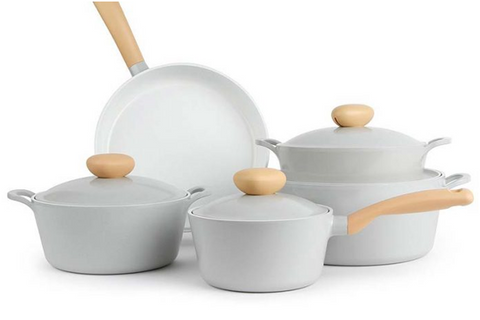
Ceramic cookware has gained popularity as a healthier choice for cooking. Many people wonder if ceramic cookware is good for health. The answer lies in its material and how it interacts with food. Ceramic cookware offers several health benefits that make it a safer option than many traditional cookware types. It helps maintain food purity and avoids contamination from harmful substances often found in other cookware.
Non-toxic Materials
Ceramic cookware is made from natural, non-toxic materials. Unlike some metal pans, it does not contain heavy metals like lead or cadmium, which can leach into food. The ceramic coating is usually made from inorganic minerals that are safe for cooking.
This cookware does not release harmful substances even at high temperatures. It provides a clean cooking surface that does not react with acidic or alkaline foods. This means the taste and nutritional value of your meals stay intact.
- No metals that can contaminate food
- Natural minerals used in coatings
- Does not react with food ingredients
- Durable and safe for everyday use
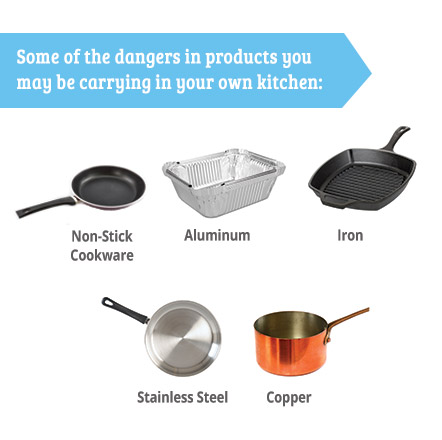
Here is a simple comparison of common cookware materials and their toxicity:
| Cookware Type | Contains Harmful Metals? | Non-Toxic? | Safe for High Heat? |
|---|---|---|---|
| Ceramic | No | Yes | Yes |
| Non-stick (PTFE) | Sometimes (PFOA) | No | Limited |
| Aluminum | Possible | No | Yes |
| Cast Iron | No | Yes | Yes |
No Harmful Chemicals
Ceramic cookware does not contain harmful chemicals found in some non-stick pans. Many non-stick coatings use chemicals like PTFE or PFOA. These can break down under high heat and release toxic fumes.
Ceramic coatings are free from these chemicals. They provide a natural non-stick surface without toxic risks. This helps protect your health during cooking.
- No PTFE or PFOA chemicals
- Safe non-stick surface
- Does not emit toxic fumes
- Easy to clean without harsh chemicals
Some ceramic cookware uses water-based coatings that are eco-friendly. This reduces pollution and exposure to harmful substances in your kitchen. Cooking with ceramic means fewer health risks for your family.
Safe Cooking Temperatures
Ceramic cookware handles heat well and maintains safe cooking temperatures. It does not release harmful toxins even when heated to high temperatures. This makes it ideal for frying, sautéing, and baking.
Safe temperature range: Most ceramic cookware can safely withstand temperatures between 450°F and 850°F (232°C to 454°C). This covers most home cooking needs without damage or health risks.
Here are some benefits of ceramic cookware’s heat resistance:
- Maintains even heat distribution to avoid hot spots
- Prevents food from burning or sticking excessively
- Keeps food safe without chemical breakdown
- Suitable for oven and stovetop use
Compared to traditional non-stick pans, ceramic cookware performs better under heat stress. It lasts longer and stays safe for health over time.
Potential Health Concerns
Ceramic cookware has gained popularity for its non-stick surface and stylish look. Many choose it thinking it is safe and healthy. Still, some health concerns exist that buyers should know. These concerns focus on the durability of the ceramic coating, possible exposure to harmful metals, and allergic reactions. Understanding these points helps make better choices for cooking and health.
Risk Of Coating Wear
The ceramic coating on cookware can wear out over time. This happens because of frequent use, high heat, or cleaning with harsh tools. When the coating wears down, it may peel or chip, which can affect cooking safety.
- Peeling coating: Small pieces of ceramic can mix with food.
- Reduced non-stick effect: Food may stick more, requiring extra oil or butter.
- Exposure of base material: If the base is metal, it may react with food.
Here is a simple table showing signs and risks of coating wear:
| Signs of Wear | Possible Risk |
|---|---|
| Chips or cracks in coating | Ingestion of coating particles |
| Food sticking easily | Use of extra fats, unhealthy cooking |
| Discoloration of pan surface | Loss of non-stick properties |
Using proper utensils like silicone or wood can help avoid coating damage. Avoiding sudden temperature changes also protects the ceramic layer. Regular checks for wear keep cooking safe and healthy.
Heavy Metal Exposure
Ceramic cookware is often praised for being free from harmful chemicals like PFOA and PTFE. But some ceramic coatings might contain heavy metals such as lead or cadmium. These metals can be dangerous if they leach into food.
Low-quality or cheaply made ceramic cookware may not meet safety standards. Cooking acidic foods in such pans can increase the chance of heavy metal exposure.
- Lead: Can cause serious health problems, especially in children.
- Cadmium: Linked to kidney damage and bone loss.
- Testing and certification: Look for products tested for heavy metals.
Table below shows heavy metals sometimes found in ceramic cookware and their risks:
| Metal | Health Risks | Sources in Cookware |
|---|---|---|
| Lead | Brain damage, learning problems | Low-quality glaze or coating |
| Cadmium | Kidney damage, bone disease | Some ceramic finishes |
Choosing certified ceramic cookware reduces heavy metal risks. Avoid buying from unknown brands or very cheap products. Proper use and care also help keep metals from leaching.
Allergic Reactions
Some people may have allergic reactions to materials in ceramic cookware. These reactions are rare but possible. They occur mostly due to metals in the base or coating, or chemicals used in the manufacturing process.
Signs of allergic reactions include:
- Skin rash or irritation after touching the cookware
- Respiratory issues if dust from damaged coating is inhaled
- Digestive problems if small particles are ingested
People with metal allergies should check the cookware’s material carefully. Ceramic pans with stainless steel or aluminum bases may trigger reactions. Hypoallergenic options with pure ceramic surfaces exist for sensitive users.
Precautions to avoid allergic reactions:
- Choose cookware labeled as hypoallergenic or free from common allergens.
- Inspect cookware for damage before use.
- Wash new cookware thoroughly to remove any residues.
Being aware of allergies and cookware materials helps prevent health issues during cooking.
Comparison With Other Cookware
Choosing the right cookware affects both health and cooking quality. Ceramic cookware stands out as a popular choice for healthy cooking. Comparing ceramic with other common cookware types helps understand its benefits and drawbacks. This section explores how ceramic cookware compares with non-stick, stainless steel, and cast iron options. The focus lies on health safety, cooking performance, and maintenance.
Ceramic Vs. Non-stick
Ceramic and non-stick cookware both offer easy food release and simple cleaning. But they differ in materials and health impacts.
- Material: Ceramic cookware uses a natural, inorganic coating made from sand and minerals. Non-stick pans usually have a synthetic coating like PTFE (Teflon).
- Health Safety: Ceramic coatings are free from harmful chemicals such as PFOA and PFAS. Non-stick coatings can release toxic fumes if overheated above 500°F (260°C).
- Durability: Ceramic coatings may wear off faster with rough utensils or abrasive cleaning. Non-stick coatings are prone to scratching but last with careful use.
- Cooking: Ceramic heats evenly and tolerates higher temperatures. Non-stick pans are better for low to medium heat cooking.
| Feature | Ceramic Cookware | Non-Stick Cookware |
|---|---|---|
| Material | Natural mineral-based ceramic coating | Synthetic PTFE or similar coating |
| Health Safety | No toxic chemicals, safe at high heat | Can release fumes if overheated |
| Durability | Prone to chipping with rough use | Scratches easily but lasts with care |
| Heat Tolerance | High heat tolerance | Best for low to medium heat |
| Cleaning | Easy but avoid abrasive tools | Very easy, non-stick surface |
Ceramic cookware provides a safer alternative for those avoiding chemical exposure. Its natural coating suits higher heat cooking better than non-stick options.
Ceramic Vs. Stainless Steel
Stainless steel cookware is a classic kitchen staple. Comparing it with ceramic highlights differences in cooking style and health effects.
- Material: Stainless steel is a metal alloy, durable and resistant to rust. Ceramic cookware has a mineral-based non-metal coating.
- Health Safety: Stainless steel is non-reactive but may leach small amounts of nickel or chromium, especially with acidic foods. Ceramic coatings do not leach metals.
- Cooking: Stainless steel pans require more oil to prevent sticking. Ceramic offers natural non-stick properties without added fats.
- Maintenance: Stainless steel needs polishing to avoid discoloration. Ceramic is easier to clean but can chip if mishandled.
| Feature | Ceramic Cookware | Stainless Steel Cookware |
|---|---|---|
| Material | Mineral-based ceramic coating | Metal alloy (nickel, chromium, iron) |
| Health Safety | No metal leaching | May leach metals with acidic foods |
| Non-Stick Ability | Yes, natural non-stick | No, requires oil or fat |
| Durability | Fragile coating, avoid impacts | Highly durable, scratch resistant |
| Cleaning | Simple, gentle cleaning | Needs scrubbing and polishing |
Ceramic cookware suits low-fat cooking and prevents metal exposure. Stainless steel excels in durability but may need more care with acidic dishes.
Ceramic Vs. Cast Iron
Cast iron pans are known for heat retention and seasoning. Comparing them with ceramic cookware reveals distinct health and usage factors.
- Material: Cast iron is heavy metal, often coated with seasoning or enamel. Ceramic cookware has a lightweight, non-metallic surface.
- Health Safety: Cast iron can add iron to food, beneficial for some but excessive for others. Ceramic does not release minerals into food.
- Cooking: Cast iron heats slowly but holds heat well. Ceramic heats evenly but cools faster.
- Maintenance: Cast iron requires seasoning to keep non-stick and prevent rust. Ceramic needs gentle cleaning to protect coating.
- Weight: Cast iron is heavy and bulky. Ceramic cookware is lighter and easier to handle.
| Feature | Ceramic Cookware | Cast Iron Cookware |
|---|---|---|
| Material | Mineral-based ceramic coating | Heavy iron metal, seasoned or enameled |
| Health Safety | No mineral leaching | Can add dietary iron to food |
| Heat Retention | Moderate heat retention | Excellent heat retention |
| Maintenance | Easy cleaning, avoid abrasives | Regular seasoning required |
| Weight | Light and easy to handle | Heavy and bulky |
Ceramic cookware offers lightweight and chemical-free cooking. Cast iron suits those who want added iron and excellent heat retention.

Credit: thecookwareadvisor.com
Proper Use And Maintenance
Proper use and maintenance of ceramic cookware ensure it stays safe and effective for cooking. Taking care of your ceramic pots and pans helps keep their non-stick surface intact. This prevents harmful chemicals from leaching into food and extends the cookware’s life. Following simple steps can protect your investment and maintain healthy cooking conditions. Clean, handle, and store ceramic cookware with care to avoid damage. Proper care also preserves the cookware’s appearance and performance over time.
Avoiding Scratches
Scratches damage the ceramic coating and reduce its safety and non-stick quality. Use only soft tools and avoid metal utensils. Wooden, silicone, or plastic spatulas are best for stirring and flipping food. Do not cut food directly in the ceramic pan. Avoid using abrasive scrubbers or steel wool when cleaning, as these cause scratches.
- Use gentle utensils: Wooden, silicone, or plastic.
- Avoid metal tools: Knives, forks, and metal spatulas can scratch.
- Do not cut food inside pans: Use a separate cutting board.
- Avoid abrasive cleaning: No steel wool or harsh scrubbers.
Here is a quick guide to safe utensil use:
| Utensil Type | Safe for Ceramic Cookware? | Notes |
|---|---|---|
| Wooden | Yes | Gentle on ceramic surface |
| Silicone | Yes | Flexible and safe |
| Plastic | Yes | Avoid high heat plastic |
| Metal | No | Scratches the coating |
Cleaning Tips
Cleaning ceramic cookware properly keeps it safe and efficient. Let the pan cool before washing. Sudden temperature changes can crack the ceramic surface. Use warm water and mild dish soap. Avoid harsh chemicals and abrasive pads. Soft sponges or cloths clean well without damage. For stuck food, soak the pan in warm soapy water for 15-20 minutes.
Follow these steps for best results:
- Cool the pan before washing.
- Use warm water and gentle detergent.
- Clean with a soft sponge or cloth.
- Soak for tough stains, then wipe gently.
- Dry thoroughly to prevent water spots.
Avoid dishwasher use unless the manufacturer states it is safe. Dishwashers can wear down ceramic coatings over time.
Storage Recommendations
Proper storage protects ceramic cookware from damage and keeps it ready for use. Stack pans carefully with soft cloth or paper towels between them. This prevents chipping or scratching during storage. Store cookware in a dry place to avoid moisture buildup, which can harm the ceramic coating.
Tips for safe storage:
- Place soft liners between stacked pans.
- Store in a dry, cool cabinet or shelf.
- Avoid overcrowding to prevent bumps and chips.
- Hang pans by handles if possible to save space.
Here is a simple checklist for ceramic cookware storage:
| Storage Action | Reason |
|---|---|
| Use soft liners between pans | Prevents scratches and chips |
| Keep in dry area | Protects coating from moisture damage |
| Do not overcrowd | Avoids accidental breakage |
| Hang pans if possible | Saves space and prevents stacking damage |
Choosing Safe Ceramic Cookware
Ceramic cookware is popular for its non-stick surface and attractive design. Many choose it hoping for a healthier cooking option. Choosing safe ceramic cookware matters because some products may contain harmful chemicals. Understanding what makes ceramic cookware safe helps protect your health and improves cooking experience. This guide explains key points to consider before buying ceramic cookware.
Certification Labels
Certification labels show that ceramic cookware meets safety and quality standards. These labels come from trusted organizations. They test products for harmful substances and durability. Always check for certifications on the packaging or product description.
- FDA Approved: Ensures cookware materials are safe for food contact.
- Prop 65 Compliance: Indicates the product does not release harmful chemicals above allowed limits.
- LFGB Certification: A German standard that tests cookware for toxic substances and heavy metals.
These certifications reduce the risk of exposure to lead, cadmium, and other toxins. They also guarantee the ceramic coating is safe at high cooking temperatures. Without certifications, cookware may contain unsafe chemicals that can leach into food.
| Certification | What It Means | Why It Matters |
|---|---|---|
| FDA Approved | Safe materials for food use | Protects against toxic leaching |
| Prop 65 Compliance | Limits harmful chemical exposure | Ensures health safety |
| LFGB Certified | Tested for heavy metals and toxins | Guarantees non-toxic ceramic |
Brand Reputation
Trustworthy brands often produce safer ceramic cookware. They invest in quality materials and follow strict safety rules. Research brands before buying. Check customer reviews and expert opinions. Reliable brands usually provide clear product details and warranties.
Signs of a good brand:
- Long history in cookware production
- Positive customer feedback on safety and durability
- Transparent information about materials used
- Good after-sales service and support
New or unknown brands may cut costs by using unsafe coatings. This increases health risks. Well-known brands focus on consistent quality. Their ceramic coatings last longer without chipping or peeling. This prevents harmful chemicals from entering food.
Price Vs. Quality
Price can be a useful guide but not the only one. Cheap ceramic cookware often uses low-quality materials and coatings. This can lead to faster wear and possible health risks. Higher-priced cookware usually means better craftsmanship and safer coatings.
Consider these points:
- Mid-range to high-end ceramic cookware often has certifications.
- Expensive does not always mean safe; check labels and reviews.
- Very cheap products may lack quality control and safety checks.
Use this table to compare price and quality factors:
| Price Range | Common Features | Health Safety | Durability |
|---|---|---|---|
| Low | Basic ceramic coating, no certification | Possible risk of toxins | Short lifespan, chips easily |
| Medium | Certified coatings, decent materials | Generally safe | Good durability |
| High | Premium coatings, multiple certifications | Very safe | Long-lasting, resistant to wear |
Choose cookware that balances price and quality. Prioritize safety and durability for the best health benefits.
Credit: xtrema.com
Frequently Asked Questions
Is Ceramic Cookware Safe For Daily Cooking?
Yes, ceramic cookware is safe for daily use. It contains no harmful chemicals like PFOA or PTFE. It provides a non-toxic, non-stick surface that does not leach toxins into food, making it a healthy choice for everyday cooking.
Does Ceramic Cookware Release Harmful Chemicals?
No, ceramic cookware does not release harmful chemicals. It is free from toxic substances such as lead, cadmium, and PTFE. This makes it a safer option compared to some traditional non-stick pans that may emit fumes when overheated.
How Does Ceramic Cookware Affect Food Nutrition?
Ceramic cookware preserves food nutrients well. Its non-stick surface requires less oil, promoting healthier cooking. It also heats evenly, reducing the risk of burning and nutrient loss, ensuring your meals retain their natural flavors and nutritional value.
Can Ceramic Cookware Cause Health Issues?
Ceramic cookware rarely causes health issues. High-quality ceramic is non-reactive and free from toxins. However, low-quality or damaged ceramic coatings might chip, potentially contaminating food. Always choose reputable brands and inspect cookware regularly for safety.
Conclusion
Ceramic cookware offers a healthy cooking option with fewer chemicals. It heats food evenly and avoids harmful metals. Many people find it easy to clean and maintain. Ceramic pots and pans also last long with proper care. Choosing the right cookware can help improve your meals.
Simple, safe, and practical—ceramic cookware suits everyday cooking needs. Consider your kitchen habits before buying any cookware type. This way, you can enjoy tasty meals and stay healthy.

Hello, This is Annie Walker, a 38-year-old blogger, founder, and editor of Cookware Guider from NY, USA. I am a cookware fanatic and passionate cooker. I love to cook with different types of cooking appliances (example: all types of cookware, rice cookers, slow cookers, etc) almost every day in my kitchen. I love to share my experience with my readers in my blog. Also, I enjoy helping people to solve their problems through my website. You can follow me on Twitter & Pinterest. To know details about my blog please check the about us page.