
When you’re choosing cookware, safety is probably one of your top concerns. Black plastic cookware has become popular because it looks sleek and is often affordable.
But you might be wondering—is black plastic cookware safe to use with your food? You deserve clear answers before making a decision that affects your health and your family’s well-being. You’ll discover what makes black plastic cookware different, what risks to watch out for, and how to use it safely if you decide to keep it in your kitchen.
Keep reading—you’ll be surprised by what you need to know before your next meal.

Credit: www.amazon.com
Health Concerns With Black Plastic Cookware
Black plastic cookware is popular due to its affordability and sleek look. But many wonder about its safety and health effects. The main worry is chemicals from the plastic mixing with food. This section explains key health concerns linked to black plastic cookware. Knowing these points helps in choosing safer kitchen tools.
Potential Chemical Leaching
Plastic cookware may release chemicals when heated. This process is called chemical leaching. Some plastics contain substances like BPA, phthalates, or other additives. These chemicals can enter food and affect health.
Factors that increase chemical leaching:
- Heating plastic above its safe temperature.
- Using damaged or scratched cookware.
- Cooking acidic or oily foods in plastic containers.
Health risks linked to chemical leaching include:
- Hormone disruption
- Increased risk of cancer
- Allergic reactions
- Reproductive issues
| Chemical | Source | Health Impact |
|---|---|---|
| BPA | Polycarbonate plastics | Hormone disruption, fertility problems |
| Phthalates | Plastic softeners | Endocrine disruption, developmental issues |
| Styrene | Polystyrene cookware | Possible carcinogen |
Choosing black plastic cookware marked as BPA-free and food-grade reduces risk. Avoid heating plastic too high. Inspect cookware regularly for damage. Use alternatives like glass or metal for hot cooking.
Heat Resistance And Safety
Plastic cookware has limits on heat resistance. Most black plastic cookware melts or warps at high temperatures. Using plastic cookware on stovetops or ovens is unsafe. The plastic may release toxic fumes or chemicals.
Safe use tips:
- Check manufacturer’s heat tolerance (usually below 400°F or 204°C).
- Use plastic cookware only for cold or room temperature foods.
- Avoid microwave heating unless cookware is microwave-safe.
- Never use plastic cookware directly on open flames or electric burners.
Heat damage signs to watch for:
- Warping or melting
- Discoloration or dark spots
- Unusual odors during use
Heat damage increases chemical leaching risks. Consider heat-resistant options like silicone, ceramic, or metal cookware for cooking. These materials handle heat better and do not release harmful chemicals.
| Cookware Material | Typical Heat Resistance | Suitability for Cooking |
|---|---|---|
| Plastic (general) | Up to 200°C (392°F) | Cold or warm foods only |
| Silicone | Up to 260°C (500°F) | Oven and microwave safe |
| Metal | Very high | Ideal for all cooking types |
Impact On Food Quality
Black plastic cookware can affect food taste and quality. Some plastics absorb oils and flavors from food. This may cause unpleasant smells or tastes over time.
Plastic surfaces can also stain or retain food odors. Cleaning plastic cookware thoroughly is essential to avoid this issue.
Other points about food quality:
- Plastic does not distribute heat evenly.
- This can cause uneven cooking or hot spots.
- Uneven heat may change food texture and flavor negatively.
- Plastic cookware can degrade after repeated use.
Repeated heating cycles may cause microplastics to break off into food. This is a growing health concern. Using cookware made from non-porous, heat-stable materials helps keep food fresh and safe.
To maintain food quality with black plastic cookware:
- Use for cold or low-heat foods only.
- Replace cookware if it shows wear or damage.
- Clean promptly and avoid strong detergents that degrade plastic.
- Store foods in glass or stainless steel containers when possible.
Credit: www.walmart.com
Types Of Black Plastic Cookware
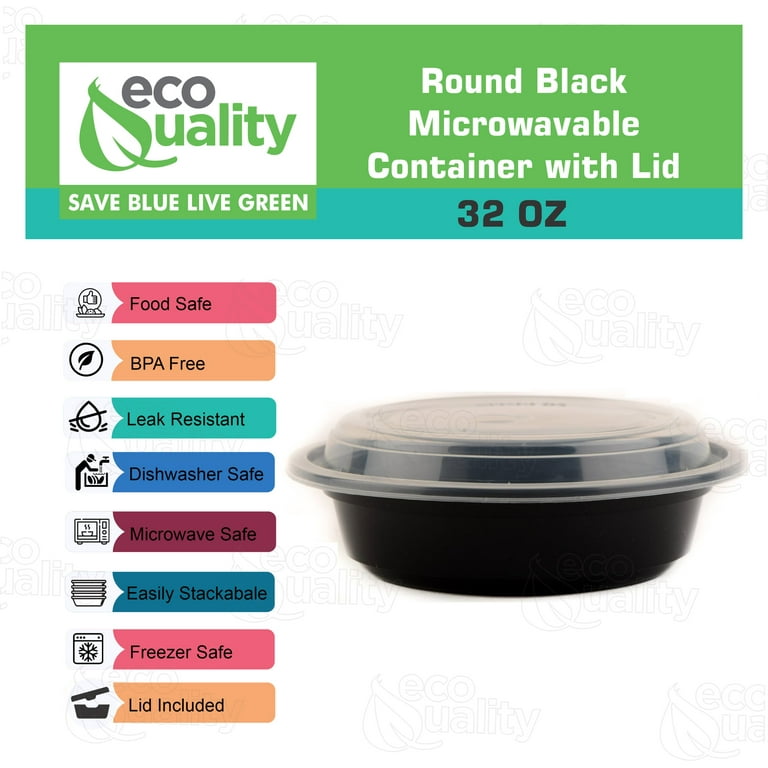
Black plastic cookware is common in many kitchens due to its sleek look and affordability. Understanding the types of black plastic cookware helps you choose safe and useful products. Different plastics serve different cooking needs, and not all are safe for every use. This section explains the main types of black plastic cookware by material and microwave safety.
Common Materials Used
Black plastic cookware comes in various materials, each with specific properties. The most common types include:
- Polypropylene (PP): Lightweight and resistant to heat up to about 212°F (100°C). Often used for containers and lids.
- Polyethylene (PE): Durable but has a lower heat resistance, usually for cold food storage or serving trays.
- Melamine: Hard and sturdy, used for plates and bowls. It can handle warm food but not high heat.
- Bakelite: Used in handles of cookware, heat-resistant but not for direct food contact or cooking.
These materials differ in how they react to heat and what cooking methods they support. Some plastics release chemicals when heated too much, so knowing the material helps avoid risks. Below is a table showing common materials and their heat tolerance.
| Material | Heat Resistance | Common Uses | Safety Notes |
|---|---|---|---|
| Polypropylene (PP) | Up to 212°F (100°C) | Containers, lids | Safe for hot food but avoid microwave unless labeled safe |
| Polyethylene (PE) | Below 120°F (49°C) | Cold storage, trays | Not suitable for hot food or microwave |
| Melamine | Up to 160°F (71°C) | Plates, bowls | Do not microwave or use with high heat |
| Bakelite | Up to 392°F (200°C) | Handles, knobs | Not for cooking food directly |
Microwave-safe Options
Some black plastic cookware is safe for microwave use. These options are made from plastics designed to handle microwave heat without melting or releasing toxins. Look for labels such as “microwave-safe” or specific temperature ratings.
Common microwave-safe materials include:
- Microwave-safe polypropylene (PP): Often used for food storage containers and reheating dishes.
- Silicone-based plastics: Flexible and heat-resistant, suitable for microwave cooking and baking molds.
Microwave-safe black plastic cookware offers these benefits:
- Does not warp or melt under microwave heat.
- Does not leach harmful chemicals into food.
- Easy to clean and reuse.
Always check the product packaging or bottom markings for the microwave-safe symbol. Avoid using black plastic cookware that does not clearly state microwave safety. Some manufacturers print this info as a small icon or text.
Non-microwave-safe Varieties
Many black plastic cookware pieces are not safe in the microwave. These include materials that melt, warp, or release harmful substances when heated. Common non-microwave-safe plastics are:
- Polystyrene (PS): Often used for disposable containers; it melts easily and is unsafe for heating.
- Melamine: Durable but can crack or release chemicals under microwave heat.
- Polyvinyl chloride (PVC): Rare in cookware but harmful if heated.
Using non-microwave-safe black plastic cookware in the microwave can cause:
- Melting or warping of the cookware.
- Release of toxic chemicals into food.
- Damage to the microwave oven itself.
To avoid risks, do not microwave black plastic cookware without clear safety markings. Instead, use glass or ceramic containers designed for microwave use.
Regulations And Safety Standards
Understanding the safety of black plastic cookware involves knowing the regulations and safety standards that govern these products. These rules ensure that the cookware does not release harmful chemicals during cooking. Safety standards help protect consumers from health risks. They guide manufacturers in making products safe for everyday use. Knowing these regulations helps buyers choose safe and reliable cookware.
Fda Guidelines
The U.S. Food and Drug Administration (FDA) controls the safety of plastic cookware used in food preparation. The FDA sets rules to make sure plastics do not release toxic chemicals into food. These rules focus on materials that touch food directly, including black plastic cookware.
Key points of the FDA guidelines include:
- Plastics must be made from approved materials safe for food contact.
- Cookware should withstand heat without melting or releasing harmful substances.
- Testing for chemical migration from plastic to food is required.
- Manufacturers must follow good manufacturing practices to avoid contamination.
The FDA tests chemicals like BPA and phthalates, which can be harmful. Black plastic cookware must show no dangerous levels of these chemicals during use.
| FDA Requirement | Purpose | Impact on Cookware |
|---|---|---|
| Material Approval | Ensure safe plastic types | Only food-safe plastics used |
| Heat Resistance | Prevent chemical release | Cookware remains safe at cooking temperatures |
| Chemical Migration Testing | Limit harmful substances | Cookware free from toxic leaching |
Following FDA guidelines helps keep black plastic cookware safe for home kitchens.
International Safety Standards
Many countries follow strict rules for plastic cookware safety. These rules protect people from harmful chemicals worldwide. International safety standards often align with or go beyond FDA rules.
Important international standards include:
- European Union (EU) Regulation (EC) No 1935/2004: Sets rules for materials in contact with food, including plastics.
- ISO 22000: Focuses on food safety management systems, including cookware manufacturing.
- Japan’s Food Sanitation Act: Regulates materials for food contact to prevent health risks.
These standards require:
- Testing for chemical migration and toxicity.
- Clear labeling of materials used in cookware.
- Regular inspections of manufacturing processes.
- Use of safe additives and plasticizers.
International rules help ensure that black plastic cookware sold globally meets safety requirements. Countries may require special certifications before selling cookware.
| Standard | Region | Focus | Requirement |
|---|---|---|---|
| EC No 1935/2004 | European Union | Food contact materials | Non-toxic, safe for food use |
| ISO 22000 | Global | Food safety systems | Safe production and handling |
| Food Sanitation Act | Japan | Food contact safety | Prevent harmful substances |
Labeling And Certifications
Labels and certifications show if black plastic cookware meets safety standards. They help consumers identify safe products quickly. Proper labeling includes information on materials and use instructions.
Common labels and certifications to watch for include:
- FDA Approved: Means the product meets U.S. safety rules.
- FDA Food Contact Safe: Confirms material is safe for food use.
- BPA-Free: Indicates no bisphenol A, a harmful chemical, is in the plastic.
- LFGB Certification: German standard for food safety in plastics.
- CE Mark: Shows compliance with European safety rules.
Labels often include symbols for dishwasher or microwave safety too. Always read labels carefully to understand proper use and avoid damage or health risks.
Here is a simple guide to common safety labels:
| Label | Meaning | Importance |
|---|---|---|
| FDA Approved | Safe for food contact | Assures compliance with U.S. laws |
| BPA-Free | No harmful BPA chemical | Reduces health risk |
| LFGB Certified | Meets German food safety | Trusted European standard |
| CE Mark | Meets EU safety standards | Required for EU sales |
Certifications and labels guide buyers to safe black plastic cookware. They show that products passed strict testing and follow regulations.
Alternatives To Black Plastic Cookware
Black plastic cookware raises safety concerns due to possible chemical leaching when heated. Many prefer safer, eco-friendly options for daily cooking. Choosing alternative cookware can improve health and food taste. Here are some popular alternatives that provide durability and safety without plastic risks.
Metal Cookware Options
Metal cookware is a trusted choice for many kitchens. It heats food quickly and evenly. Common types include stainless steel, cast iron, and aluminum. Each has unique features and benefits.
- Stainless Steel: Durable, non-reactive, and easy to clean.
- Cast Iron: Excellent heat retention and adds iron to food.
- Aluminum: Lightweight and heats fast, often coated to prevent reactions.
Here is a simple comparison of metal cookware types:
| Type | Pros | Cons |
|---|---|---|
| Stainless Steel | Durable, rust-resistant, non-reactive | Can have hot spots if thin |
| Cast Iron | Excellent heat retention, naturally non-stick when seasoned | Heavy, requires maintenance |
| Aluminum | Lightweight, good heat conductor | Can react with acidic foods unless coated |
Metal cookware lasts long and suits most cooking styles. It does not release harmful chemicals like plastic might. Seasoning cast iron properly prevents rust. Stainless steel is versatile and dishwasher safe. Choosing metal means safer meals and strong kitchen tools.
Glass And Ceramic Choices
Glass and ceramic cookware offer safe, non-toxic cooking surfaces. They do not release chemicals or metals into food. Both are great for baking, roasting, and serving.
- Glass Cookware: Transparent, so you see food while cooking.
- Ceramic Cookware: Often glazed to create a smooth, non-stick surface.
Benefits of glass and ceramic cookware include:
- Safe for microwave and oven use.
- Non-reactive, so they do not change food taste.
- Easy to clean with warm, soapy water.
Both materials distribute heat evenly but heat slower than metal. Ceramic can chip if dropped, and glass may break under sudden temperature changes. These options are perfect for slow cooking and baking. Their natural composition supports healthy cooking without chemicals.
Silicone Cookware Benefits
Silicone cookware is flexible, lightweight, and heat resistant. It withstands temperatures up to 450°F (232°C) without melting or warping. Silicone is food-safe and does not release harmful substances when heated.
- Non-stick surface makes cooking and cleaning easy.
- Flexible shapes allow for creative baking molds.
- Resists stains and odors better than plastic.
Here are advantages of silicone cookware:
| Feature | Benefit |
|---|---|
| Heat Resistance | Safe at high cooking temperatures |
| Flexibility | Easy to store and unmold baked goods |
| Non-stick | Less oil needed, easy cleanup |
Silicone does not conduct heat like metal, so it heats slower. It suits baking and light cooking but not direct stovetop use. Choosing silicone reduces plastic use and keeps cooking safe. It is a good choice for those avoiding traditional plastics.
Tips For Safe Use And Maintenance
Using black plastic cookware can be safe when handled correctly. Proper use and maintenance help keep the cookware in good shape. This section shares tips for safe use and maintenance to protect your health and extend the life of your cookware.
Avoiding High Heat
Black plastic cookware usually has a temperature limit. Heating it beyond this limit can cause melting or release harmful chemicals. Always keep heat at medium or low levels to avoid damage.
Tips to avoid high heat:
- Use low to medium heat settings on your stove.
- Do not leave empty cookware on a hot burner.
- Avoid using plastic cookware in ovens or under broilers.
- Turn off the heat as soon as cooking is done.
- Use a thermometer if needed to monitor temperature.
Here is a simple heat guide for black plastic cookware:
| Heat Level | Safe Usage |
|---|---|
| Low (Below 200°F / 93°C) | Safe for cooking and reheating |
| Medium (200°F – 300°F / 93°C – 149°C) | Use with caution; monitor closely |
| High (Above 300°F / 149°C) | Unsafe; may damage cookware or release toxins |
Remember: Avoid rapid temperature changes to prevent warping or cracking.
Proper Cleaning Methods
Cleaning black plastic cookware correctly keeps it safe and durable. Harsh cleaning tools can scratch or wear out the surface. Use gentle methods to protect the plastic and avoid harmful residues.
Follow these cleaning tips:
- Wash with warm soapy water after each use.
- Use a soft sponge or cloth; avoid abrasive scrubbers.
- Rinse thoroughly to remove soap residue.
- Dry with a soft towel or air dry completely.
- Do not use strong chemicals or bleach.
For stuck-on food, soak the cookware in warm water for 10-15 minutes before cleaning. This softens residue and makes cleaning easier.
Cleaning Do’s and Don’ts:
| Do | Don’t |
|---|---|
| Use mild dish soap | Use steel wool or metal scrubbers |
| Rinse well after washing | Use harsh chemical cleaners |
| Clean soon after cooking | Let food dry and harden on the surface |
| Dry completely to prevent mold | Put in dishwasher unless labeled safe |
When To Replace Cookware
Knowing when to replace black plastic cookware helps avoid health risks. Over time, wear and tear can cause cracks, scratches, or melting. These damages reduce safety and cooking quality.
Signs you should replace your cookware:
- Visible cracks or deep scratches
- Warping or misshaping of the plastic
- Discoloration or melting spots
- Persistent odors that washing does not remove
- Flaking or peeling of the plastic surface
Using damaged cookware can lead to chemical leaks or food contamination. It is safer to switch to new cookware if you notice any of these issues.
Replacement checklist:
| Condition | Action |
|---|---|
| Minor scratches | Monitor, but still use with care |
| Cracks or deep damage | Replace immediately |
| Warping or melting | Replace immediately |
| Unpleasant odors after cleaning | Consider replacement |
Regularly inspect your cookware to keep cooking safe and enjoyable.

Credit: shopequo.com
Frequently Asked Questions
Is Black Plastic Cookware Safe For Cooking?
Black plastic cookware is generally safe if labeled food-grade and heat-resistant. Avoid using it on high heat to prevent chemical leaching. Always check manufacturer safety guidelines to ensure it meets cooking standards.
Can Black Plastic Cookware Release Harmful Chemicals?
Some black plastics may release chemicals if heated above safe temperatures. Use only cookware marked BPA-free and heat-safe to minimize risks. Avoid microwaving or direct flame contact with black plastic items not designed for it.
How To Identify Safe Black Plastic Cookware?
Look for food-safe symbols and heat resistance labels on packaging. Choose BPA-free and FDA-approved black plastic cookware. Avoid cracked or damaged pieces, as they can release harmful substances during cooking.
Is Black Plastic Better Than Other Materials?
Black plastic cookware is lightweight and affordable but less durable than metal or ceramic. It’s best for low-heat tasks but not ideal for high-temperature cooking or long-term use.
Conclusion
Black plastic cookware can be safe if you choose the right type. Always check for heat resistance and food-grade labels. Avoid using plastic that melts or warps on high heat. Use plastic cookware mainly for cold or warm foods. Regularly inspect your cookware for cracks or damage.
Remember, safety depends on how you use and care for it. Choose wisely to keep your cooking healthy and safe.

Hello, This is Annie Walker, a 38-year-old blogger, founder, and editor of Cookware Guider from NY, USA. I am a cookware fanatic and passionate cooker. I love to cook with different types of cooking appliances (example: all types of cookware, rice cookers, slow cookers, etc) almost every day in my kitchen. I love to share my experience with my readers in my blog. Also, I enjoy helping people to solve their problems through my website. You can follow me on Twitter & Pinterest. To know details about my blog please check the about us page.