
Are you thinking about switching to granite cookware but wondering if it’s truly safe for your kitchen and health? You’re not alone.
Many people love the look and feel of granite pots and pans, but questions about their safety often pop up. What exactly makes granite cookware different? Could it affect the food you cook or your well-being? Keep reading to discover the facts you need before making your next cooking investment.
Your health and delicious meals depend on it!
Granite Cookware Basics
Granite cookware has gained popularity in many kitchens due to its attractive look and durable nature. Understanding the basics of granite cookware helps in deciding if it fits your cooking needs and safety standards. This section explains what granite cookware is made of and the types available in the market. It gives clear information on materials and styles to help you make an informed choice.
What Is Granite Cookware Made Of
Granite cookware is not made from natural granite stone. Instead, it usually consists of a metal base coated with a granite-like finish. This finish is a type of non-stick coating designed to look like granite. The base metal can be aluminum or stainless steel.
The main components of granite cookware include:
- Base Metal: Aluminum or stainless steel provides strength and good heat distribution.
- Granite Coating: A non-stick layer made from a mix of ceramic and mineral particles gives it a stone-like appearance.
- Protective Layers: Additional layers protect the cookware from scratches and wear.
This combination makes the cookware lightweight and easy to clean. It also resists sticking and can handle high cooking temperatures. The coating is usually free from harmful chemicals like PFOA and PTFE, which many people want to avoid.
| Component | Description | Benefit |
|---|---|---|
| Aluminum or Stainless Steel Base | Metal core for heat conduction | Even cooking and durability |
| Granite-Like Coating | Non-stick layer with minerals | Easy food release and cleaning |
| Protective Top Layers | Scratch-resistant finish | Longer lifespan of cookware |
Types Of Granite Cookware
Granite cookware comes in several types depending on the design and cooking use. The main types include frying pans, saucepans, and grill pans. Each type serves different cooking purposes but shares the same granite coating features.
Common types of granite cookware:
- Frying Pans: Ideal for frying, sautéing, and searing. They usually have a flat base and low sides.
- Saucepans: Used for boiling, simmering, and making sauces. They come with lids to trap heat and moisture.
- Grill Pans: Designed with ridges to create grill marks on food. Perfect for grilling vegetables and meats indoors.
- Woks: Some brands offer granite-coated woks for stir-frying and deep frying.
Each type may have different sizes and handle designs. Some granite cookware sets include multiple pieces to cover all cooking needs.
| Cookware Type | Best Use | Features |
|---|---|---|
| Frying Pan | Frying, sautéing, searing | Flat base, low sides |
| Saucepan | Boiling, simmering, sauces | With lid, high sides |
| Grill Pan | Grilling indoors | Ridges for grill marks |
| Wok | Stir-frying, deep frying | Round bottom, high sides |
Granite cookware offers an attractive and practical option for everyday cooking. Knowing the types and materials helps in choosing the right pieces for your kitchen.

Credit: alva-cookware.us
Health And Safety Concerns
Granite cookware looks attractive and is popular for cooking. Many wonder about its health and safety concerns. Understanding what materials are in granite cookware helps decide if it is safe to use. Safety depends on the raw materials and coatings used. These factors affect the food and the cooking process. This section explores the chemical makeup and possible risks linked to granite cookware.
Chemical Composition And Coatings
Granite cookware is not made from natural granite stone. Instead, it usually consists of metal pans coated with a granite-like finish. This finish often contains non-stick coatings such as ceramic or other synthetic materials. The key components include:
- Metal base: Usually aluminum or steel for heat conduction.
- Granite coating: A mix of minerals and resin to imitate granite.
- Non-stick layer: Ceramic or PTFE (polytetrafluoroethylene) for easy food release.
The coating’s quality varies by brand. Some products use PTFE-based coatings (like Teflon), which are safe under normal cooking temperatures but can release fumes if overheated.
Ceramic coatings are free from PTFE and PFOA chemicals. They are considered safer but may wear down faster over time. Understanding the coating helps avoid harmful chemicals and maintain cookware quality.
| Component | Description | Safety Notes |
|---|---|---|
| Metal Base | Aluminum or steel | Conducts heat well but may react with acidic foods if uncoated |
| Granite Coating | Minerals and resin blend | Usually safe; quality varies by manufacturer |
| Non-stick Layer | PTFE or ceramic | PTFE safe below 260°C; ceramic safer but less durable |
Potential Toxicity Risks
Concerns about toxicity arise mainly from the non-stick coatings. Some coatings release harmful substances if overheated or scratched. Here are the main points to consider:
- Overheating PTFE coatings: Heating above 260°C (500°F) can break down PTFE, releasing toxic fumes.
- Scratched coatings: Damaged coatings might expose the metal base, which can react with food.
- Heavy metals: Low-quality cookware may contain lead or cadmium in coatings, which are toxic.
Safe use tips include:
- Use low to medium heat to avoid overheating.
- Use non-metal utensils to prevent scratches.
- Buy granite cookware from trusted brands that test for heavy metals.
Many tests show certified granite cookware is safe for everyday use. Avoid damaged or old pans to reduce risks. The key is proper use and quality checks to keep cooking safe and healthy.
Heat Resistance And Durability
Granite cookware is popular for its stylish look and solid feel. Its heat resistance and durability are key reasons many choose it for cooking. Understanding these features helps decide if granite cookware is safe and practical for daily use. This section explores how well granite handles heat and resists damage during cooking.
Temperature Limits
Granite cookware can handle high cooking temperatures, making it suitable for many recipes. The natural stone surface spreads heat evenly, reducing hot spots that burn food. Yet, each product has specific temperature limits that users must respect to keep the cookware safe and lasting.
Typical temperature tolerance for granite cookware:
- Oven use: Most granite cookware withstands temperatures up to 450°F (232°C).
- Stovetop use: It handles medium to high heat well but avoid sudden temperature changes.
- Microwave use: Usually safe unless the cookware has metal parts.
Rapid heating or cooling can cause cracks or damage. Always preheat cookware gradually and avoid placing hot granite in cold water.
| Heat Source | Max Temperature | Notes |
|---|---|---|
| Oven | 450°F (232°C) | Do not exceed to prevent cracking |
| Gas/Electric Stove | Medium to High | Avoid sudden temperature changes |
| Microwave | Safe if no metal | Check manufacturer instructions |
Following these guidelines helps maintain granite cookware’s performance and safety.
Scratch And Chip Resistance
Granite cookware is known for strong scratch and chip resistance. The stone coating is tough and prevents damage from regular kitchen tools. This durability keeps the cookware looking new and performing well over time.
Key features of granite’s resistance include:
- Scratch resistance: The hard surface withstands metal utensils better than many non-stick pans.
- Chip resistance: The solid stone layer reduces chips from minor impacts.
- Long-lasting finish: The coating does not peel or flake easily.
Still, care is needed to avoid dropping or hitting the cookware on hard surfaces. Using wooden or silicone utensils further protects the surface.
Here is a quick comparison of scratch resistance:
| Cookware Type | Scratch Resistance | Recommended Utensils |
|---|---|---|
| Granite | High | Wood, Silicone, Metal (with care) |
| Non-stick | Low to Medium | Wood, Silicone only |
| Cast Iron | High | Metal, Wood |
Proper use extends the life of granite cookware and keeps it safe for cooking.
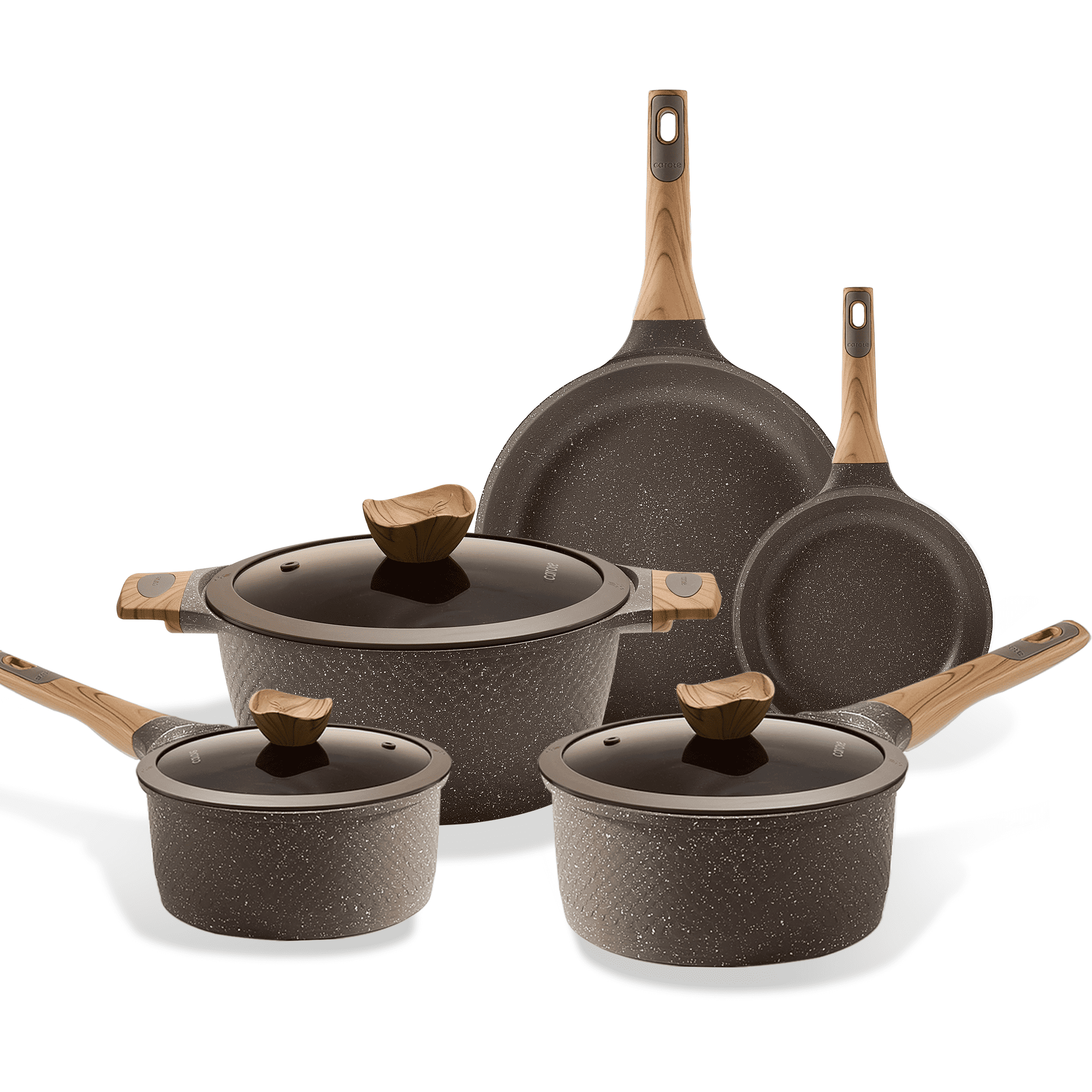
Credit: www.walmart.com
Comparing Granite To Other Cookware
Granite cookware has gained popularity for its durability and natural appearance. Many wonder about its safety and how it compares to other common cookware types. Comparing granite to other cookware materials helps understand its benefits and limits. This section focuses on comparing granite with nonstick pans and cast iron cookware. The goal is to clarify differences in safety, cooking performance, and care.
Granite Vs Nonstick Pans
Granite cookware usually has a coating that looks like natural stone but is different from traditional nonstick pans. Nonstick pans use chemicals like PTFE or PFOA to prevent food from sticking. Granite coatings are often free of these chemicals, which some people find safer.
Key differences include:
- Safety: Granite coatings are generally free from harmful chemicals found in some nonstick pans.
- Durability: Granite cookware is more scratch-resistant but can chip if dropped.
- Heat resistance: Granite withstands higher heat than nonstick pans, which can release fumes if overheated.
- Cleaning: Nonstick pans are easier to clean but can lose their coating faster.
| Feature | Granite Cookware | Nonstick Pans |
|---|---|---|
| Coating Material | Stone-like, often free of PTFE/PFOA | PTFE/PFOA-based synthetic coating |
| Scratch Resistance | High resistance, but can chip | Low to medium resistance, coating may peel |
| Heat Tolerance | High, safe at medium-high heat | Lower, risks toxic fumes above 500°F (260°C) |
| Cleaning | Requires gentle cleaning to avoid chips | Easy to clean, but coating can degrade |
Granite cookware offers a safer option for higher heat cooking. It lacks chemical release risks. Nonstick pans excel in easy cleaning but need careful temperature control. Choosing between them depends on cooking style and care preferences.
Granite Vs Cast Iron
Granite and cast iron cookware differ greatly in material and use. Cast iron is known for excellent heat retention and natural nonstick properties after seasoning. Granite cookware is lighter and often coated, offering easier maintenance.
Main contrasts include:
- Weight: Cast iron is heavy, granite is lighter and easier to handle.
- Heat Retention: Cast iron holds heat longer, ideal for searing and slow cooking.
- Maintenance: Cast iron requires seasoning and careful drying to prevent rust.
- Versatility: Granite cookware can often go into the dishwasher; cast iron cannot.
| Feature | Granite Cookware | Cast Iron |
|---|---|---|
| Weight | Light to medium | Heavy |
| Heat Retention | Moderate | Excellent |
| Nonstick Properties | Depends on coating | Natural after seasoning |
| Maintenance | Easy, usually dishwasher safe | Needs seasoning and hand washing |
| Rust Resistance | Good | Prone to rust without care |
Cast iron suits slow cooking and high heat searing. Granite offers convenience and lighter weight. Both are safe with proper use. Choosing depends on cooking needs and willingness to maintain cookware.
Proper Use And Maintenance
Granite cookware is popular for its durability and attractive look. To keep it safe and long-lasting, proper use and maintenance are essential. Using and caring for granite cookware the right way helps avoid damage and maintains its cooking quality. Simple steps in cleaning and storing can protect the cookware’s surface and prevent health risks. Understanding how to handle granite cookware ensures it stays safe for daily cooking.
Cleaning Tips
Cleaning granite cookware properly keeps it safe and in good shape. Avoid harsh chemicals or abrasive scrubbers that can damage the surface. Use warm water and mild dish soap for washing. A soft sponge or cloth works best to clean without scratching.
- Let the cookware cool before washing to prevent cracks.
- Do not soak granite cookware for long periods to avoid weakening the material.
- Rinse thoroughly to remove all soap residue.
- Dry immediately with a clean towel to prevent water spots.
For stuck food, soak the pan in warm soapy water for 15-20 minutes. Use a non-abrasive scrubber to gently remove residue. Avoid metal scouring pads or steel wool, as they harm the granite finish.
| Do’s | Don’ts |
|---|---|
| Use mild detergent | Avoid bleach or strong chemicals |
| Clean with a soft sponge | Do not use steel wool or abrasive pads |
| Dry immediately after washing | Do not leave cookware wet or soaked |
| Cool before cleaning | Avoid sudden temperature changes |
Storage Recommendations
Proper storage protects granite cookware from scratches and chips. Store cookware in a dry place to avoid moisture build-up. Avoid stacking heavy pots and pans directly on top of each other without protection.
- Use soft cloth or paper towels between stacked items to prevent scratches.
- Store lids separately or place them upside down on pots.
- Keep granite cookware away from metal utensils and sharp objects.
- Ensure storage areas have good air circulation to prevent mold or rust on metal parts.
Do not place granite cookware in damp cabinets or near heat sources like ovens. Use hooks or racks for hanging when possible. This method keeps cookware safe and easy to access.
| Storage Method | Benefits |
|---|---|
| Stack with cloth/paper layers | Prevents scratches and surface damage |
| Store lids separately | Avoids pressure on cookware edges |
| Hang cookware | Saves space and prevents damage |
| Dry storage area | Stops moisture damage and mold |

Credit: safetouseit.com
User Experiences And Reviews
User experiences and reviews provide valuable insights into the safety and performance of granite cookware. Many users share their personal stories, highlighting how this type of cookware behaves during everyday cooking. These real-world opinions help others decide if granite cookware suits their kitchen needs. The feedback often focuses on durability, ease of use, and health safety. Understanding common praises and reported issues gives a balanced view of what to expect when cooking with granite cookware.
Common Praises
Many users praise granite cookware for its strong and durable surface. They often mention how well it resists scratches and chips, even after long use. The non-stick coating on granite pans receives positive feedback for easy cooking and cleaning. People appreciate that food does not stick, which reduces the need for excessive oil or butter.
- Durability: Granite cookware stays in good condition for years.
- Non-stick surface: Easy to cook with and clean afterward.
- Heat distribution: Cooks food evenly without hot spots.
- Appearance: Granite cookware looks stylish in most kitchens.
Here is a quick summary of common praises in a table:
| Feature | User Feedback |
|---|---|
| Durability | High resistance to scratches and chips |
| Non-stick Quality | Food releases easily, less oil needed |
| Heat Distribution | Even cooking, no hot spots |
| Design | Elegant and fits kitchen decor |
Reported Issues
Some users report concerns about granite cookware safety and durability. A few mention the coating can wear off after heavy use or cleaning with abrasive tools. This can expose the base metal, which may cause food to stick or discolor the pan.
Other common problems include:
- Chipping or cracking if dropped or hit hard
- Not suitable for very high heat cooking, risking damage
- Some users worry about chemical coatings and possible toxins
Safety concerns often arise from poor-quality products or misuse. Users recommend buying from trusted brands and following care instructions strictly. Below is a list of reported issues and tips:
| Issue | Description | Tip |
|---|---|---|
| Coating Wear | Non-stick layer peeling after harsh cleaning | Use soft sponges, avoid metal scrubbers |
| Chipping/Cracking | Damage from dropping or impact | Handle with care, avoid hard impacts |
| Heat Damage | Warping or coating damage on high heat | Cook on medium or low heat |
| Health Concerns | Worries about chemicals in coating | Choose certified, non-toxic cookware |
Frequently Asked Questions
Is Granite Cookware Safe For Everyday Cooking?
Yes, granite cookware is generally safe for daily use. It features a non-toxic, non-stick coating free from harmful chemicals like PFOA and PTFE. Always check product certifications and avoid overheating to maintain safety and durability.
Can Granite Cookware Release Harmful Chemicals?
Granite cookware usually does not release harmful chemicals. Its ceramic-based coating is non-reactive and stable at normal cooking temperatures. However, overheating or scratching the surface may reduce safety, so handle with care to prevent potential risks.
Does Granite Cookware Affect Food Taste Or Quality?
No, granite cookware does not alter food taste or quality. Its non-stick surface ensures even heat distribution and prevents sticking. This helps preserve natural flavors and textures, making it a reliable choice for various cooking styles.
Is Granite Cookware Durable And Long-lasting?
Granite cookware is durable but requires proper care. It resists scratches and chips but avoid metal utensils to extend its lifespan. Regular gentle cleaning and avoiding thermal shocks will keep it lasting longer and performing well.
Conclusion
Granite cookware offers a safe option for everyday cooking. It heats evenly and does not release harmful chemicals. Cleaning is easy, and it resists scratches well. Still, avoid sudden temperature changes to keep it strong. Choose high-quality granite cookware to ensure durability.
Use proper care to enjoy it for years. Cooking with granite is practical and safe. A smart choice for healthy meals at home.

Hello, This is Annie Walker, a 38-year-old blogger, founder, and editor of Cookware Guider from NY, USA. I am a cookware fanatic and passionate cooker. I love to cook with different types of cooking appliances (example: all types of cookware, rice cookers, slow cookers, etc) almost every day in my kitchen. I love to share my experience with my readers in my blog. Also, I enjoy helping people to solve their problems through my website. You can follow me on Twitter & Pinterest. To know details about my blog please check the about us page.