
Are you thinking about upgrading your kitchen with nonstick granite cookware but wondering if it’s truly safe for you and your family? You’re not alone.
When it comes to cooking, safety matters as much as convenience and style. You want pots and pans that make your life easier without any hidden health risks. You’ll discover the facts about nonstick granite cookware, what makes it different, and whether it’s a smart choice for your daily meals.
Keep reading—your next cooking favorite might be closer than you think.
Nonstick Granite Cookware Basics
Nonstick granite cookware has gained popularity in kitchens worldwide. Many wonder about its safety and what makes it different from other cookware types. Understanding the basics of nonstick granite cookware helps clarify these concerns. This cookware combines a durable base with a special coating that prevents food from sticking. It aims to offer easy cooking and cleaning, with a stylish stone-like finish.
Materials Used
Nonstick granite cookware typically consists of a strong metal base and a special coating that mimics natural granite. The main materials include:
- Aluminum or stainless steel base: Provides good heat conduction and durability.
- Granite-like coating: A blend of nonstick materials and stone particles, giving a rough texture and nonstick properties.
- Nonstick layer: Usually made from PTFE (polytetrafluoroethylene) or ceramic-based compounds.
- Reinforcements: Some brands add mineral particles to increase scratch resistance.
The coating is free from harmful chemicals like PFOA and PFOS in most modern products. This helps reduce health risks often associated with older nonstick pans.
| Component | Purpose | Common Materials |
|---|---|---|
| Base | Heat conduction and support | Aluminum, Stainless Steel |
| Coating | Nonstick surface | PTFE, Ceramic, Mineral Particles |
| Reinforcement | Scratch resistance | Stone or mineral particles |
The combination ensures that food cooks evenly and sticks less. It also makes cleaning easier and extends cookware life.
Manufacturing Process
The manufacturing of nonstick granite cookware involves several careful steps to ensure safety and quality. The process generally follows these stages:
- Base Preparation: The metal base is shaped, cleaned, and polished to remove impurities.
- Coating Application: Multiple layers of the nonstick granite coating are sprayed or rolled onto the base.
- Heat Treatment: The cookware is baked in ovens at high temperatures. This process bonds the coating firmly to the base.
- Quality Control: Each piece is tested for coating thickness, adhesion, and appearance.
The coating is usually applied in several thin layers. This layering improves durability and resistance to scratches or peeling.
Manufacturers often use advanced technology to make sure the coating is free from harmful chemicals. The heat treatment also helps remove any volatile substances.
Here is a simple overview of the manufacturing process:
| Step | Description | Purpose |
|---|---|---|
| 1. Base Preparation | Shaping and cleaning metal base | Ensure smooth surface and heat conduction |
| 2. Coating Application | Spraying/rolling nonstick layers | Create nonstick and durable surface |
| 3. Heat Treatment | Baking cookware at high temp. | Fix coating firmly to base |
| 4. Quality Control | Testing for defects and thickness | Ensure safety and durability |
The strong bond between the coating and base reduces the chance of peeling. This makes nonstick granite cookware safe for regular kitchen use.

Credit: www.amazon.com
Health Concerns
Health concerns often arise when discussing nonstick granite cookware. Many wonder if these pans release harmful substances during cooking. Understanding the materials and chemicals used helps clear doubts. It also guides safe use and protects your family’s health.
Chemical Coatings
Nonstick granite cookware usually features a coating that prevents food from sticking. This coating often combines natural minerals like granite with a nonstick layer. The main goal is to make cooking and cleaning easier. But the chemical makeup of this coating matters a lot for safety.
Most granite cookware coatings use PTFE (polytetrafluoroethylene) or similar compounds. PTFE is popular because it offers a smooth, nonstick surface. However, heating PTFE above 500°F (260°C) can break down the coating. This breakdown may release fumes that irritate the lungs.
Here are key points about chemical coatings on granite cookware:
- Durability: Coatings can chip or wear off over time.
- Heat resistance: Most are safe below 500°F; overheating is risky.
- Scratch sensitivity: Metal utensils can damage the coating.
- Cleaning: Avoid abrasive cleaners to preserve the coating.
Below is a simple comparison of common nonstick coatings used in granite cookware:
| Coating Type | Heat Resistance | Durability | Health Safety |
|---|---|---|---|
| PTFE (Teflon) | Up to 500°F (260°C) | Moderate; can chip | Safe if not overheated |
| Ceramic | Up to 600°F (315°C) | Less durable; prone to cracking | Generally safe |
| Granite mineral-based | Varies by brand; usually around 450-500°F | Durable with proper care | Mostly safe |
Potential Toxins
Concerns about toxins focus on what chemicals might enter food during cooking. Nonstick granite cookware is often marketed as free of harmful substances like PFOA and PFAS. These chemicals once appeared in older cookware but are now mostly banned.
PFOA (perfluorooctanoic acid) was used to make PTFE coatings stick better. It can cause health problems if ingested or inhaled over time. Most quality granite cookware brands now avoid PFOA entirely.
PFAS (per- and polyfluoroalkyl substances) are a group of chemicals related to PFOA. They persist in the environment and may affect human health. Some nonstick coatings contain trace PFAS, but many manufacturers advertise “PFAS-free” products.
Important points on potential toxins:
- Choose brands that clearly state they are PFOA and PFAS free.
- Avoid overheating the pan to prevent chemical breakdown.
- Inspect cookware regularly for scratches or damage.
- Use wooden or silicone utensils to protect the surface.
Table below summarizes possible toxins and their risks:
| Toxin | Source | Health Risk | Presence in Granite Cookware |
|---|---|---|---|
| PFOA | Old PTFE coatings | Possible cancer risk, liver damage | Mostly eliminated in new products |
| PFAS | Nonstick chemicals | Hormone disruption, immune effects | Some trace amounts, mostly avoided |
| Lead, Cadmium | Cheap coatings or paints | Neurological damage, poisoning | Rare in quality granite cookware |
Durability And Wear
Nonstick granite cookware is popular for its sleek look and easy cleaning. Durability and wear are important factors to check before buying. These affect how long the cookware stays useful and safe. Granite coatings promise a tough surface, but regular use tests their limits. Understanding how well they resist scratches and handle heat helps in making a smart choice. This section explains key points about durability and wear of nonstick granite cookware.
Scratch Resistance
Scratch resistance shows how well the cookware stands up to daily use. Nonstick granite cookware usually has a hard surface made from mineral-based coatings. This helps protect against minor scratches from utensils and cleaning tools.
- Use of metal utensils: Sharp metal tools can damage the surface over time.
- Soft utensils recommended: Wooden, silicone, or plastic spatulas reduce scratch risk.
- Cleaning tips: Avoid abrasive scrubbers that wear down the coating.
Here is a simple comparison of scratch resistance levels:
| Cookware Type | Scratch Resistance | Care Advice |
|---|---|---|
| Nonstick Granite | High, but not scratch-proof | Use soft utensils, gentle cleaning |
| Traditional Nonstick | Moderate, prone to scratches | Avoid metal utensils, mild cleaning |
| Cast Iron | Very high, but needs seasoning | Use any utensils, regular seasoning |
Nonstick granite cookware resists scratches better than regular nonstick but still needs care. Following these tips keeps the surface intact longer and maintains safe cooking.
Effect Of High Heat
High heat affects the durability of nonstick granite cookware. The coating can weaken or peel if exposed to very high temperatures.
- Recommended cooking temperature: Usually below 500°F (260°C) to protect the coating.
- Overheating risks: Warping of the pan and release of harmful fumes.
- Heating methods: Use medium or low heat for best results.
Check this table for heat tolerance comparison:
| Cookware Type | Max Safe Temperature | Heat Damage Risks |
|---|---|---|
| Nonstick Granite | Up to 500°F (260°C) | Coating damage, peeling |
| Traditional Nonstick | Up to 400°F (204°C) | Fumes, coating breakdown |
| Stainless Steel | Over 600°F (315°C) | Minimal damage, warping possible |
Using nonstick granite cookware on high heat can reduce its life span. Always preheat on low and avoid empty pans on heat. This helps keep the coating strong and safe for cooking.
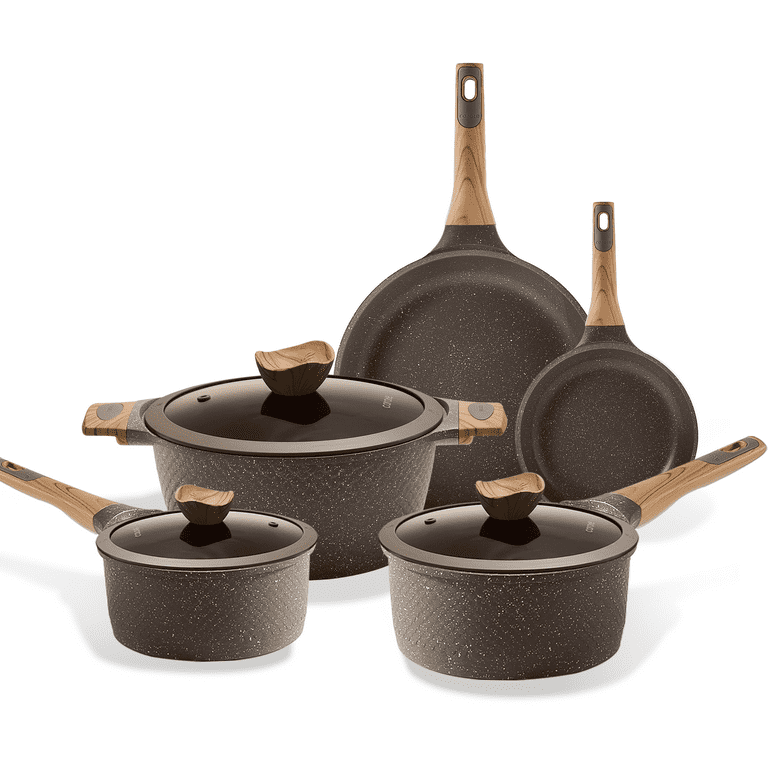
Credit: www.walmart.com
Comparing With Other Cookware
Choosing the right cookware affects your health and cooking experience. Nonstick granite cookware is popular for its durability and easy cleaning. Comparing it with other types helps understand its safety and benefits. This section explores how nonstick granite cookware stands against traditional nonstick pans, cast iron, and stainless steel options.
Traditional Nonstick Pans
Traditional nonstick pans often use coatings like PTFE (polytetrafluoroethylene), commonly known as Teflon. These pans are lightweight and easy to clean. They prevent food from sticking, which means less oil is needed during cooking.
Safety concerns arise when these pans overheat. At high temperatures (above 500°F or 260°C), the coating can break down and release harmful fumes. This can cause flu-like symptoms, known as “polymer fume fever,” especially dangerous in poorly ventilated spaces.
- Traditional pans may scratch easily, exposing the metal underneath.
- Scratches reduce nonstick properties and may cause ingestion of coating particles.
- They usually have a shorter lifespan compared to granite cookware.
| Feature | Traditional Nonstick Pans | Granite Nonstick Cookware |
|---|---|---|
| Coating Material | PTFE (Teflon) | Granite-infused nonstick coating |
| Heat Resistance | Up to 500°F (260°C) | Up to 600°F (315°C) |
| Durability | Prone to scratches | More scratch-resistant |
| Safety | Fumes if overheated | Less toxic fumes |
Granite nonstick cookware often uses a stronger coating with mineral elements. This makes it safer at higher temperatures and more durable against scratches. It offers a better alternative to traditional pans for those concerned about chemical exposure.
Cast Iron And Stainless Steel
Cast iron and stainless steel are popular for their durability and natural cooking qualities. Both types do not use nonstick chemicals but have different pros and cons compared to granite cookware.
Cast iron is very durable. It heats evenly and retains heat well. Over time, it develops a natural nonstick surface called seasoning. This seasoning improves with use and proper care.
- Requires regular seasoning to maintain its nonstick nature.
- Heavy and takes longer to heat up.
- Can react with acidic foods, changing flavor or damaging the pan.
Stainless steel is non-reactive and easy to clean. It does not provide a natural nonstick surface, so food tends to stick more. Cooking with oil or butter helps reduce sticking.
- Highly durable and resistant to rust.
- Does not release harmful chemicals.
- Can cause food to stick without proper cooking methods.
| Cookware Type | Nonstick Ability | Maintenance | Health Safety |
|---|---|---|---|
| Cast Iron | Natural nonstick with seasoning | Needs regular seasoning and drying | Safe, but can leach iron |
| Stainless Steel | Low nonstick | Easy to clean | Safe, no coatings |
| Granite Nonstick | High nonstick with coating | Gentle cleaning to avoid scratches | Generally safe, less toxic fumes |
Granite nonstick cookware combines the ease of nonstick cooking with better heat resistance. Cast iron offers natural nonstick but needs care. Stainless steel is safe and durable but requires oil to prevent sticking. Each type suits different cooking styles and safety preferences.
Safe Usage Tips
Using nonstick granite cookware safely helps keep it in good shape and protects health. Knowing how to care for this cookware avoids damage and keeps the nonstick surface working well. Simple habits make a big difference. Follow these safe usage tips to enjoy cooking with your granite cookware for a long time.
Proper Cleaning Methods
Cleaning nonstick granite cookware correctly keeps the surface smooth and nonstick. Use warm water and mild dish soap to wash the pans. Avoid harsh cleaners or scrubbing pads that can scratch the surface.
- Use soft sponges or cloths to clean the cookware gently.
- Do not soak the cookware for long periods to avoid damage to the coating.
- Dry the pan immediately after washing to prevent water spots and rust on the edges.
Here is a simple cleaning routine:
- Let the pan cool before washing.
- Rinse with warm water.
- Apply mild dish soap.
- Gently scrub with a soft sponge.
- Rinse and dry thoroughly.
Avoid using metal utensils or abrasive cleaning tools. These can chip or scratch the granite coating. Also, dishwasher use is not recommended. The strong detergents and high heat may wear out the nonstick surface faster.
| Do | Don’t |
|---|---|
| Wash with mild soap | Use steel wool or rough scrubbers |
| Use soft sponges or cloths | Put in dishwasher regularly |
| Dry immediately after washing | Soak for hours |
Avoiding Overheating
Overheating nonstick granite cookware damages the coating and can release harmful fumes. Keep cooking temperature moderate to protect the surface and food quality.
Use these tips to avoid overheating:
- Preheat pans slowly on low or medium heat.
- Do not leave empty pans on high heat for a long time.
- Use cookware suitable for your stove type to ensure even heating.
- Watch the temperature and turn down heat if smoke appears.
Below is a simple temperature guide for granite cookware use:
| Cooking Type | Recommended Heat | Notes |
|---|---|---|
| Sautéing | Medium | Preheat slowly for best results |
| Boiling | Medium-high | Use with enough liquid to avoid dry heating |
| Simmering | Low | Maintain gentle heat for even cooking |
Overheated pans lose their nonstick power and may warp. Never heat an empty pan on high heat. This practice shortens the cookware’s life and can cause safety risks.
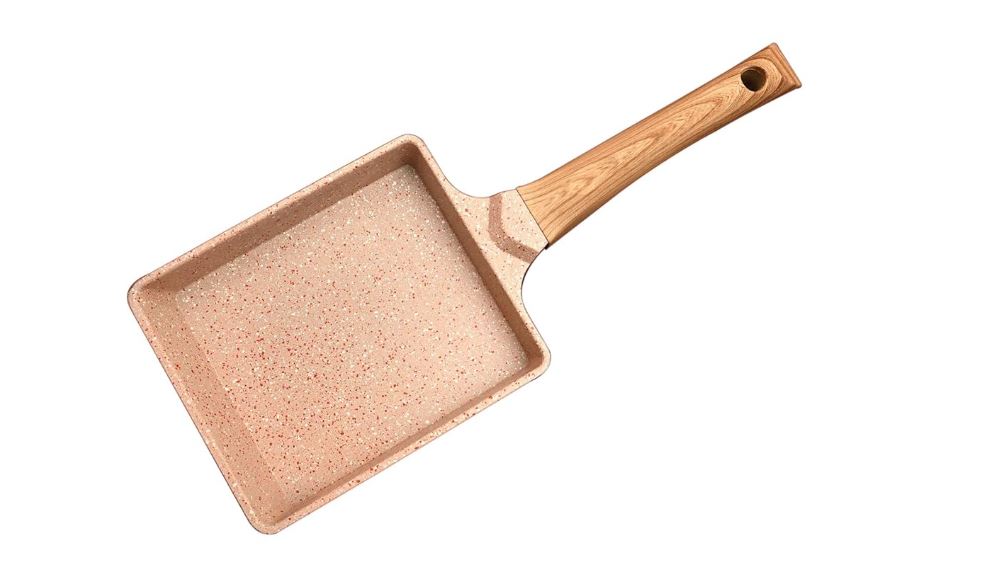
Credit: macclite.com
Consumer Reviews And Studies
Nonstick granite cookware has grown popular due to its sleek look and easy cleaning. Many buyers wonder about its safety. Consumer reviews and scientific studies offer useful insights. These sources help understand the real benefits and risks. Reading both user experiences and research findings gives a clearer picture of safety and performance.
User Experiences
Many users praise nonstick granite cookware for its durability and nonstick surface. They find cooking and cleaning easier compared to traditional pans. Common positive points include:
- Even heat distribution that prevents food from burning.
- Less oil needed, supporting healthier cooking.
- Scratch resistance, keeping the surface smooth.
- Lightweight design for easy handling.
Some users share concerns about the coating wearing off after months of use. Others mention that overheating can damage the nonstick layer, causing food to stick.
| Feature | Positive Feedback | Negative Feedback |
|---|---|---|
| Nonstick Performance | Food slides off easily | Coating may peel after long use |
| Durability | Strong and scratch-resistant | Some pans lose smoothness over time |
| Ease of Cleaning | Washes quickly with minimal effort | Stains if overheated or scratched |
User tips: To keep pans safe, avoid metal utensils and high heat. Use gentle cleaning tools only.
Scientific Research Findings
Scientific studies examine the materials used in granite nonstick coatings. Most confirm these pans contain safe substances like ceramic and natural minerals. They often lack harmful chemicals found in older nonstick products.
Key points from research:
- No evidence of toxic fumes at normal cooking temperatures.
- Granite coatings do not release PTFE or PFOA, chemicals linked to health risks.
- Heat resistance varies but generally safe below 450°F (232°C).
- Scratches may expose the base metal but rarely cause safety hazards.
One study tested common nonstick pans under high heat. Granite-coated pans showed minimal chemical release. This contrasts with older Teflon pans, which can emit harmful fumes if overheated.
| Cookware Type | Safe Temperature Range | Risk of Toxic Fumes |
|---|---|---|
| Granite Nonstick | Up to 450°F (232°C) | Low at recommended temperatures |
| Traditional Teflon | Up to 500°F (260°C) | High if overheated |
| Ceramic | Up to 600°F (315°C) | Very low |
Scientists advise not to use extreme heat or metal tools on any nonstick pan. Proper use maintains safety and pan life.
Frequently Asked Questions
Is Nonstick Granite Cookware Free From Harmful Chemicals?
Yes, nonstick granite cookware is usually free from PFOA and PTFE. It uses a ceramic-based coating, which is safer and eco-friendly. This reduces risks related to toxic fumes when overheated. Always check product labels to confirm the absence of harmful chemicals.
Can Nonstick Granite Cookware Withstand High Heat?
Nonstick granite cookware can handle moderate heat but not extreme temperatures. Excessive heat may damage the coating and reduce its lifespan. For best results, use low to medium heat settings. Avoid preheating an empty pan to protect the surface.
How Durable Is Nonstick Granite Cookware Compared To Traditional Pans?
Nonstick granite cookware is highly durable due to its strong ceramic coating. It resists scratches and chipping better than conventional nonstick pans. Proper care, like using wooden utensils, extends its life. However, it may not last as long as cast iron or stainless steel.
Is Nonstick Granite Cookware Safe For Everyday Cooking?
Yes, nonstick granite cookware is safe for daily use. It offers easy food release and quick cleanup without toxic risks. Its ceramic coating ensures healthier cooking with minimal oil. Regular maintenance keeps it safe and efficient over time.
Conclusion
Nonstick granite cookware offers a safe option for everyday cooking. It uses natural materials and avoids harmful chemicals. Proper care keeps the coating intact and food healthy. Avoid overheating to prevent damage and toxins. This cookware combines ease of use with safety.
Choose wisely and follow instructions for best results. Your meals stay tasty and safe with granite cookware. A smart choice for many kitchens.

Hello, This is Annie Walker, a 38-year-old blogger, founder, and editor of Cookware Guider from NY, USA. I am a cookware fanatic and passionate cooker. I love to cook with different types of cooking appliances (example: all types of cookware, rice cookers, slow cookers, etc) almost every day in my kitchen. I love to share my experience with my readers in my blog. Also, I enjoy helping people to solve their problems through my website. You can follow me on Twitter & Pinterest. To know details about my blog please check the about us page.