
Are you thinking about upgrading your kitchen with porcelain enamel cookware but worried if it’s truly safe for you and your family? You’re not alone.
With so many cookware options out there, it’s easy to feel overwhelmed and unsure about what materials are best for your health and cooking needs. This article will clear up the confusion and give you straightforward answers. By the end, you’ll know exactly what porcelain enamel cookware is, how it works, and whether it’s a safe choice for your daily meals.
Keep reading to discover the truth that can help you cook confidently and enjoy every bite.
Porcelain Enamel Cookware Basics
Porcelain enamel cookware has grown popular for its unique look and cooking performance. It combines metal with a smooth, glass-like coating that makes it stand out. Understanding the basics of porcelain enamel cookware helps decide if it is safe and suitable for daily use. This section covers what porcelain enamel cookware is made of and where it is commonly used.
Material Composition
Porcelain enamel cookware is made by fusing a layer of porcelain enamel onto a metal base. The metal base is usually cast iron or steel. The enamel coating is made from powdered glass that melts and bonds to the metal at high temperatures. This process creates a hard, smooth surface that does not react with food.
Key components include:
- Metal Core: Provides strength and heat retention.
- Porcelain Enamel Layer: Acts as a protective, non-stick surface.
- Glass Powder: Forms the enamel coating when melted.
The enamel coating is free from harmful chemicals like PTFE and PFOA, often found in some non-stick pans. This makes porcelain enamel cookware a safer choice for cooking. It is also resistant to scratches and staining, which keeps the surface intact and hygienic.
| Feature | Description |
|---|---|
| Metal Base | Cast iron or steel for durability and heat distribution |
| Enamel Coating | Powdered glass fused to metal, creating a smooth finish |
| Safety | Free from harmful chemicals, non-reactive with food |
Common Uses
Porcelain enamel cookware fits many cooking styles and kitchen needs. Its design makes it good for both everyday cooking and special recipes. The coating allows easy cleaning and keeps flavors pure.
Typical uses include:
- Slow Cooking: Ideal for stews and soups due to even heat retention.
- Baking: Works well in ovens for casseroles and baked dishes.
- Searing and Frying: The smooth surface handles high heat without damage.
- Serving: Attractive finish makes it suitable for table use.
Porcelain enamel cookware suits different heat sources, including gas, electric, and induction stoves. It is also safe for oven use up to certain temperatures, usually around 500°F (260°C).
Its versatility means it can replace multiple cookware types, reducing clutter. Cleaning is easy as food does not stick to the enamel surface. This cookware also resists rust and corrosion, extending its life.
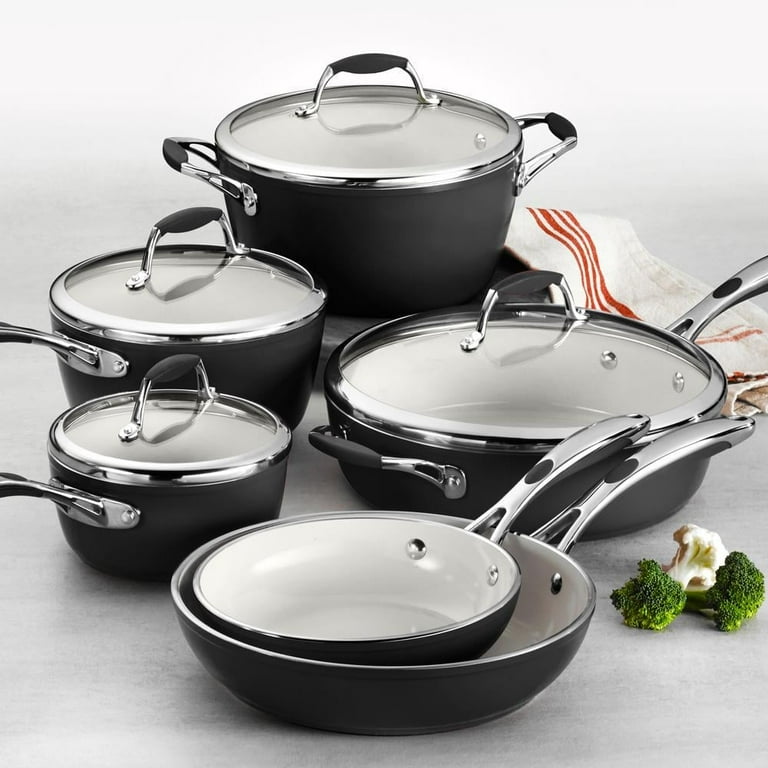
Credit: www.walmart.com
Health Considerations
Porcelain enamel cookware has gained popularity for its durability and style. People often ask about its safety, especially for health. Understanding the health considerations helps you decide if this type of cookware suits your kitchen. Knowing the materials and chemicals involved is important for safe cooking.
Non-toxic Properties
Porcelain enamel cookware is made by fusing powdered glass to metal at high heat. This creates a smooth, hard surface that resists rust and scratches. One key benefit is its non-toxic nature. The enamel coating does not contain harmful chemicals like PFOA or PTFE, which are often found in some non-stick pans.
Benefits of porcelain enamel cookware’s non-toxic properties include:
- No chemical fumes: It does not release toxic gases even at high temperatures.
- Safe for all foods: It does not react with acidic or alkaline ingredients.
- Durable coating: The enamel prevents metal from leaching into food.
- Easy cleaning: Food does not stick, reducing the need for harsh cleaners.
The enamel surface is inert, which means it does not chemically interact with food. This makes it a safe choice for daily cooking. People with sensitivities to metal or chemicals often prefer porcelain enamel cookware for this reason.
| Feature | Health Benefit |
|---|---|
| High Heat Resistance | Prevents toxic fume release |
| Non-reactive Surface | Maintains food purity and taste |
| Metal Base with Enamel Coating | Stops metal leaching into food |
Potential Chemical Risks
Although porcelain enamel cookware is generally safe, some risks exist. The main concern is chipping or cracking of the enamel surface. When damaged, the metal underneath can be exposed. This exposure might allow metals like iron, steel, or aluminum to enter your food.
Key points about potential chemical risks:
- Enamel chips: Can occur from dropping or sudden temperature changes.
- Metal exposure: Risk of metal leaching if enamel is damaged.
- Heavy metal content: Some older or low-quality cookware may contain lead or cadmium in the enamel.
- Proper care needed: Avoid metal utensils and harsh cleaning methods.
Modern manufacturers follow strict rules to keep lead and cadmium levels very low or absent in porcelain enamel coatings. Still, buying from reputable brands reduces risk. Inspect your cookware regularly. Discard any pieces with visible cracks or chips to avoid health hazards.
| Risk Factor | Explanation | Safety Tip |
|---|---|---|
| Chipped Enamel | Exposes metal base to food | Discard or repair damaged cookware |
| Heavy Metals (Lead/Cadmium) | Possible in cheap or old enamel | Choose certified brands only |
| Thermal Shock | Causes enamel cracking | Do not expose cookware to rapid temperature changes |
Durability And Safety
Porcelain enamel cookware is popular for its beautiful finish and cooking performance. Understanding its durability and safety helps in making the best choice for your kitchen. This cookware combines metal with a layer of glass-like enamel. The enamel protects the metal and provides a smooth cooking surface. Knowing how strong this layer is and how it reacts to damage is key. Durability means the cookware can last long without breaking or losing its quality. Safety means it does not release harmful substances during cooking or use. Let’s explore two important aspects: resistance to chipping and the impact of scratches.
Resistance To Chipping
Porcelain enamel is tough but not unbreakable. Chipping happens when the enamel layer breaks off, exposing the metal underneath. This can occur if the cookware is dropped or hit hard.
- High resistance: Most porcelain enamel cookware resists small bumps and regular kitchen use.
- Care needed: Avoid dropping or knocking against hard surfaces to reduce chipping risk.
- Quality matters: Higher-quality enamel coatings usually chip less.
Chipping affects both safety and appearance. Once chipped, the exposed metal can rust and react with food. This may cause contamination or change flavors.
| Factor | Effect on Chipping | Safety Impact |
|---|---|---|
| Thickness of Enamel | Thicker enamel chips less easily | Better protection of metal base |
| Handling | Rough handling increases chips | Exposed metal risks food contact |
| Cleaning Tools | Harsh tools can cause small chips | More areas exposed to rust |
Tip: Use gentle tools and avoid sudden impacts to keep the enamel intact. Regular checks for chips help maintain safety.
Impact Of Scratches
Scratches on porcelain enamel cookware are common after some use. These can happen from metal utensils or abrasive cleaning pads.
Small scratches usually do not harm the cookware’s safety. The enamel layer still protects the metal below. But deep scratches can break the enamel’s barrier.
- Minor scratches: Mostly cosmetic and do not affect cooking safety.
- Deep scratches: May expose metal and increase risk of rust and food contamination.
- Utensil use: Use wooden, silicone, or plastic tools to reduce scratches.
- Cleaning methods: Use soft sponges and avoid steel wool.
Scratches can reduce the lifespan of the cookware by letting moisture reach the metal. This causes rust and weakens the pot or pan.
| Scratch Type | Cause | Safety Concern | Maintenance Advice |
|---|---|---|---|
| Fine Surface Scratches | Plastic or silicone utensils | Low risk | Regular gentle cleaning |
| Deep Enamel Scratches | Metal utensils, abrasive pads | High risk of rust | Replace cookware if severe |
Note: Inspect cookware regularly. Replace if deep scratches or rust appear to ensure safe cooking.
Comparison With Other Cookware
Porcelain enamel cookware is popular for its stylish look and durability. It also raises questions about safety compared to other types of cookware. Comparing porcelain enamel with stainless steel and non-stick pans helps understand its benefits and drawbacks. This comparison shows how safe and practical porcelain enamel cookware really is for everyday cooking.
Versus Stainless Steel
Porcelain enamel cookware covers a metal base, often cast iron or steel, with a smooth, glass-like coating. Stainless steel cookware, made entirely from metal, is known for strength and resistance to rust. Both types are durable but differ in cooking performance and safety.
- Heat distribution: Porcelain enamel usually heats evenly because of its cast iron base. Stainless steel can have hot spots unless it has an aluminum or copper core.
- Reactivity: Stainless steel is non-reactive, so it won’t change the taste of acidic foods. Porcelain enamel also prevents metal from touching food, making it safe for all recipes.
- Maintenance: Porcelain enamel is easy to clean but can chip if dropped. Stainless steel resists chipping but may require more scrubbing to remove stuck food.
- Durability: Stainless steel lasts longer without damage. Porcelain enamel’s coating can crack or wear out over time.
| Feature | Porcelain Enamel | Stainless Steel |
|---|---|---|
| Heat Distribution | Good, especially with cast iron base | Varies; better with aluminum/copper core |
| Reactivity | Non-reactive due to enamel coating | Non-reactive |
| Cleaning | Easy but avoid chipping | Requires scrubbing for stuck food |
| Durability | Prone to chipping/cracking | Very durable and long-lasting |
Porcelain enamel cookware is safe and non-reactive, similar to stainless steel. It offers good heat retention but needs careful handling to avoid damage. Stainless steel is tougher and better for high-heat cooking.
Versus Non-stick Pans
Non-stick pans have a smooth coating that stops food from sticking. Porcelain enamel does not have the same slick surface but is still easy to clean. The safety and cooking style differ between these two types.
- Safety: Porcelain enamel does not release chemicals or fumes, even at high heat. Some non-stick pans may release toxins if overheated.
- Durability: Porcelain enamel resists scratches better than many non-stick coatings. Non-stick surfaces can wear off over time.
- Cooking style: Non-stick pans are best for low-fat cooking and delicate foods. Porcelain enamel works well for browning, searing, and slow cooking.
- Care: Porcelain enamel can handle metal utensils carefully. Non-stick requires plastic or wooden tools to avoid damage.
| Feature | Porcelain Enamel | Non-Stick |
|---|---|---|
| Safety | No chemical release, safe at high heat | May release fumes if overheated |
| Durability | Resistant to scratches and chips with care | Coating wears off with use |
| Cooking Uses | Good for searing, slow cooking | Best for low-fat, delicate foods |
| Utensil Use | Metal utensils allowed carefully | Use plastic or wood only |
Porcelain enamel cookware is safer at high temperatures and lasts longer than many non-stick pans. It suits cooking techniques that need high heat. Non-stick pans excel for quick, low-fat meals but need more care to stay safe.
Safe Usage Tips
Porcelain enamel cookware is popular for its durability and attractive finish. To keep it safe and in good shape, follow some simple usage tips. These tips help prevent damage and keep your cookware working well for years. Focus on cleaning correctly and avoiding sudden temperature changes. Both protect the enamel coating and keep food safe.
Proper Cleaning Methods
Cleaning porcelain enamel cookware properly is key to maintaining its smooth surface and safety. Avoid harsh scrubbing tools like steel wool that can scratch the enamel. Instead, use soft sponges or cloths.
- Allow cookware to cool before washing to prevent cracking.
- Use warm water with mild dish soap for regular cleaning.
- For stuck-on food, soak the cookware in warm soapy water for 15-20 minutes.
- Avoid abrasive cleaners or bleach which can damage the enamel.
- Rinse thoroughly to remove all soap residues.
- Dry immediately with a soft towel to prevent water spots.
Here is a quick cleaning guide for porcelain enamel cookware:
| Step | Action | Notes |
|---|---|---|
| 1 | Cool down cookware | Prevents cracking from sudden temperature changes |
| 2 | Use soft sponge with warm soapy water | Protects enamel surface |
| 3 | Soak if food is stuck | Softens residue without scrubbing |
| 4 | Rinse well | Removes soap and food particles |
| 5 | Dry with soft cloth | Prevents water stains and rust on rims |
Following these steps keeps the enamel smooth and food-safe. Avoid metal utensils that can chip or scratch the surface.
Avoiding Thermal Shock
Thermal shock occurs when porcelain enamel cookware faces sudden temperature changes. This can cause the enamel to crack or chip, reducing cookware life and safety.
Prevent thermal shock by handling temperature changes carefully. For example, do not put a hot pan directly into cold water. Also, avoid heating an empty pan on high heat.
- Heat cookware gradually over medium heat.
- Let the cookware cool before washing.
- Do not move cookware from freezer to stove or oven immediately.
- Use low to medium heat for most cooking tasks.
The table below shows safe and unsafe temperature changes:
| Action | Safe? | Reason |
|---|---|---|
| Heating cold cookware on low heat | Yes | Prevents sudden temperature rise |
| Placing hot cookware in cold water | No | Can cause cracks from thermal shock |
| Heating empty cookware on high heat | No | Can damage enamel coating |
| Letting cookware cool naturally before cleaning | Yes | Protects enamel from stress |
Being mindful of temperature changes extends your cookware’s life and keeps it safe. Handle with care to avoid damage and enjoy porcelain enamel cookware for many meals.
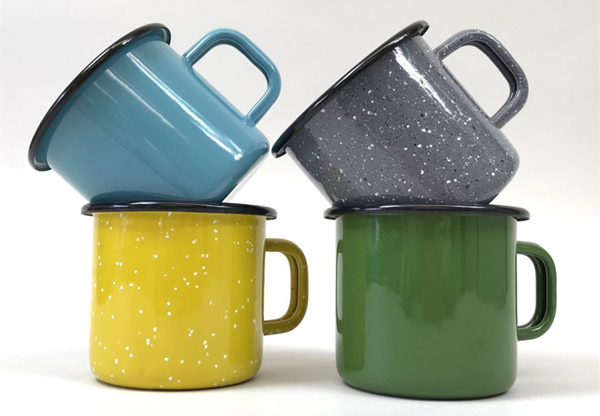
Credit: www.nolifrit.com

Credit: www.amazon.com
Frequently Asked Questions
Is Porcelain Enamel Cookware Non-toxic And Safe?
Yes, porcelain enamel cookware is non-toxic and safe. It has a glass coating that prevents metal leaching. This makes it ideal for healthy cooking without harmful chemicals.
Can Porcelain Enamel Cookware Handle High Cooking Temperatures?
Porcelain enamel cookware can handle moderate to high heat. However, avoid sudden temperature changes to prevent cracking. It’s best for stovetop and oven use within manufacturer guidelines.
Does Porcelain Enamel Cookware Affect Food Taste?
No, porcelain enamel cookware does not affect food taste. The smooth, non-porous surface prevents flavor transfer. It ensures your meals taste pure and fresh every time.
How Durable Is Porcelain Enamel Cookware?
Porcelain enamel cookware is durable but can chip if dropped. With proper care, it lasts many years. Avoid metal utensils and abrasive cleaning to maintain its coating.
Conclusion
Porcelain enamel cookware offers a safe option for cooking meals. It does not release harmful chemicals or toxins. The smooth surface helps food cook evenly without sticking. It also resists scratches and stains well. Proper care keeps the cookware in good shape longer.
Avoid sudden temperature changes to prevent cracking. Many people enjoy using it for healthy cooking. Choose porcelain enamel if you want durable, safe cookware. It fits well in most kitchens and styles. A smart choice for everyday cooking tasks.

Hello, This is Annie Walker, a 38-year-old blogger, founder, and editor of Cookware Guider from NY, USA. I am a cookware fanatic and passionate cooker. I love to cook with different types of cooking appliances (example: all types of cookware, rice cookers, slow cookers, etc) almost every day in my kitchen. I love to share my experience with my readers in my blog. Also, I enjoy helping people to solve their problems through my website. You can follow me on Twitter & Pinterest. To know details about my blog please check the about us page.