
When you cook, the cookware you choose matters more than you might think. You want pots and pans that are safe for you and your family.
If you’ve heard about Staub cookware, you might be wondering: is it really non-toxic? After all, no one wants harmful chemicals leaching into their meals. You’ll discover the truth about Staub’s materials and coatings. By the end, you’ll know if Staub is a healthy choice for your kitchen or if you should look elsewhere.
Keep reading to protect your health and cook with confidence.
Materials Used In Staub Cookware
Staub cookware is popular for its durability and cooking performance. Understanding the materials used in Staub cookware helps answer if it is non-toxic. The cookware mainly consists of two key materials: a cast iron core and a special enamel coating. These materials work together to provide excellent heat retention and safe cooking surfaces. Buyers often want to know if these components release harmful chemicals or toxins during cooking. This section explains each material clearly, focusing on safety and composition.
Cast Iron Core
The heart of Staub cookware is its cast iron core. Cast iron is a dense, heavy metal known for its ability to hold and distribute heat evenly. This quality makes it ideal for slow cooking and searing. Staub uses high-quality cast iron, which is naturally non-toxic and does not leach harmful substances into food.
Key features of the cast iron core include:
- Durability: Cast iron lasts for decades with proper care.
- Heat retention: It maintains steady heat, improving cooking results.
- Non-reactive nature: Cast iron does not react with acidic or alkaline foods when coated properly.
- Weight: Heavy, offering stability on the stove and in the oven.
Staub cookware’s cast iron core is made using a special casting process that creates a smooth surface. This smoothness helps food cook evenly without sticking. The core’s thickness varies but generally stays between 5 to 6 mm, balancing weight and heat performance.
| Property | Details |
|---|---|
| Material | High-quality cast iron |
| Thickness | 5-6 mm |
| Weight | Heavy (varies by size) |
| Heat Retention | Excellent |
| Reactivity | Non-reactive when coated |
The cast iron core is safe and free from harmful metals like lead or cadmium. This core forms the base that supports the enamel coating, ensuring food contact remains safe and non-toxic.
Enamel Coating Composition
Staub cookware’s cast iron core is covered with an enamel coating. This coating creates a smooth, glass-like surface that prevents food from sticking and protects the iron from rust. The enamel is made from natural materials like silica, quartz, and other minerals.
The enamel coating offers several benefits:
- Non-porous surface: Stops bacteria and food particles from penetrating.
- Non-reactive: Does not release chemicals or alter food taste.
- Durability: Resistant to chipping and cracking under normal use.
- Easy cleaning: Smooth surface cleans with little effort.
Staub uses a high-temperature firing process to fuse the enamel to the cast iron core. This process creates a very hard, safe surface that withstands cooking temperatures up to 500°F (260°C) without damage.
| Component | Description | Safety Aspect |
|---|---|---|
| Silica | Primary mineral in enamel | Non-toxic, stable |
| Quartz | Improves hardness | Safe for food contact |
| Natural minerals | Enhance durability | Non-reactive, non-toxic |
Staub enamel is free from harmful substances like PFOA, PTFE, lead, and cadmium. This makes the cookware safe for daily use. The enamel coating preserves the cast iron’s benefits without any risk of toxic chemical exposure.
Health Implications Of Cast Iron
Cast iron cookware like Staub is popular for its durability and heat retention. People often ask, Is Staub cookware non toxic? The health effects of cast iron are important to understand. Cooking with cast iron can affect the food’s iron content. Some iron can leach into the food during cooking. This can be good or bad depending on the user’s health and cooking habits. Knowing the health implications helps make better choices about using cast iron pots and pans.
Iron Leaching Benefits And Risks
Iron leaching happens when small amounts of iron transfer from the cookware to food. This process is natural with cast iron. It can increase iron intake, which benefits many people. Iron is vital for blood production and energy. Cooking acidic foods like tomato sauce can increase iron leaching.
Benefits of iron leaching:
- Boosts dietary iron, helping prevent anemia.
- Supports healthy oxygen transport in blood.
- May improve energy levels and reduce fatigue.
Risks of iron leaching:
- Too much iron can cause stomach discomfort.
- People with hemochromatosis should avoid excess iron.
- High acidity in food may cause more leaching than desired.
| Factor | Effect on Iron Leaching |
|---|---|
| Food Acidity | Higher acidity increases iron leaching |
| Cooking Time | Longer cooking increases iron transfer |
| Seasoning of Cookware | Well-seasoned pans leach less iron |
| New vs Old Cookware | New cast iron may leach more iron initially |
Suitability For Sensitive Users
Some people need to be careful using cast iron cookware. Sensitive users include children, pregnant women, and those with health issues like iron overload.
Who should be cautious?
- People with hemochromatosis should avoid excess iron intake.
- Those with digestive problems may find iron-rich food harsh.
- Infants and young children need balanced iron levels.
- Pregnant women must monitor iron but consult a doctor.
Staub cookware has an enamel coating. This layer limits direct iron contact with food. It reduces iron leaching compared to bare cast iron.
Advantages of enamel-coated cast iron for sensitive users:
- Lower risk of excess iron intake.
- Non-reactive surface suits acidic foods.
- Easy to clean and maintain.
- Does not require seasoning to prevent rust.
Still, some iron may leach through minor cracks or damage in the enamel. Regular inspection of cookware helps avoid this. Sensitive users should choose enamel-coated cast iron over bare cast iron for safer cooking.
Safety Of Enamel Coating
Staub cookware is popular for its beautiful design and durable enamel coating. The enamel coating plays a big role in making Staub pots and pans safe to use for cooking. Understanding the safety of enamel coating helps decide if Staub cookware is non-toxic and good for everyday meals. This coating covers the cast iron, preventing any metal from touching the food. It also makes cleaning easier and keeps flavors pure. The enamel coating is tested for safety and does not release harmful chemicals during cooking. It is important to know how stable the enamel is chemically and how it stands against damage like chipping or cracking.
Chemical Stability
The enamel coating on Staub cookware is made from glass-like materials that fuse to the cast iron at very high temperatures. This process creates a hard, smooth surface that is chemically stable. It will not react with acids or alkalis found in food, which means it does not leach harmful substances into meals. Chemical stability also means the enamel keeps its color and texture over time without breaking down.
Key points about chemical stability:
- Enamel is inert and does not interact with food chemicals.
- Safe for cooking acidic foods like tomato sauce or vinegar-based dishes.
- Does not release heavy metals or toxins during heating.
- Maintains a smooth, non-porous surface to prevent bacterial growth.
The table below compares enamel coating with other common cookware surfaces:
| Cookware Surface | Chemical Stability | Potential Toxins | Acid Resistance |
|---|---|---|---|
| Staub Enamel Coating | High | None | Excellent |
| Non-stick PTFE Coating | Moderate | Possible under high heat | Low |
| Uncoated Cast Iron | Variable | Iron leaching | Low |
This shows Staub enamel is a safe choice for chemical stability and non-toxicity in cookware.
Resistance To Chipping And Cracking
Staub enamel coating is known for its strong resistance to chipping and cracking. The enamel is thick and applied carefully to ensure it bonds well with the cast iron base. This makes the cookware durable and long-lasting. While enamel can chip if dropped or hit hard, Staub’s quality control reduces this risk.
Factors supporting enamel durability include:
- Multiple layers of enamel create a tough surface.
- High firing temperatures fuse enamel firmly to the base.
- Careful handling extends enamel life significantly.
- Resists thermal shock better than cheaper enamel coatings.
Follow these tips to prevent damage:
- Avoid sudden temperature changes like placing a hot pan in cold water.
- Use wooden or silicone utensils instead of metal ones.
- Handle cookware gently to prevent accidental drops.
Here is a quick comparison of enamel quality features:
| Feature | Staub Enamel | Generic Enamel |
|---|---|---|
| Thickness | Thick, multi-layered | Thin, single layer |
| Bond Strength | Very strong | Moderate |
| Thermal Shock Resistance | High | Low |
| Chip Resistance | High | Low to moderate |
Staub enamel’s excellent resistance to chipping and cracking adds to its safety. Damaged enamel can expose cast iron, which might react with food. Keeping enamel intact means the cookware stays non-toxic and safe.

Credit: nourishedwithnatalie.com
Comparison With Other Cookware Types
Staub cookware is known for its durability and quality, but many wonder about its safety compared to other cookware types. Understanding how Staub stands against common materials helps in choosing non-toxic cooking options. This section compares Staub with other popular cookware to highlight health and safety differences.
Non-stick Coatings And Toxins
Many non-stick pans use coatings like Teflon, which can release harmful chemicals when overheated. These chemicals may cause health concerns over time. Staub cookware uses an enamel coating on cast iron, which is free from synthetic chemicals.
Key points about non-stick coatings:
- Traditional non-stick pans often contain PTFE or PFOA, which can release toxins above 500°F.
- Staub’s enamel coating is made from natural materials and does not produce toxic fumes.
- Enamel is scratch-resistant and safe for cooking at high temperatures.
Here’s a quick comparison table:
| Cookware Type | Coating Material | Toxin Risk | Temperature Safety |
|---|---|---|---|
| Staub | Enamel-coated cast iron | None | Safe up to 500°F+ |
| Non-stick pans | PTFE/PFOA | Possible toxin release above 500°F | Safe below 500°F |
Staub offers a non-toxic, durable alternative to traditional non-stick cookware. The enamel coating prevents chemical exposure during cooking.
Stainless Steel And Aluminum Alternatives
Stainless steel and aluminum are common cookware materials. Both have pros and cons related to health and cooking performance.
Stainless steel benefits and drawbacks:
- Non-reactive and does not leach chemicals into food.
- Can develop hot spots and cause food to stick.
- Often mixed with nickel, which some people may want to avoid.
Aluminum benefits and drawbacks:
- Lightweight and heats quickly.
- Can react with acidic foods, causing metallic taste and possible aluminum leaching.
- Often anodized or coated to reduce reactivity.
Staub’s cast iron with enamel coating combines the best features:
- Even heat distribution like cast iron.
- Non-reactive enamel surface prevents food-metal contact.
- Heavy and durable for long-term use.
Below is a comparison table for these materials:
| Material | Reactivity | Durability | Health Safety |
|---|---|---|---|
| Staub (Enamel cast iron) | Non-reactive | Very durable | Non-toxic |
| Stainless Steel | Low reactivity | Durable | Safe, but may contain nickel |
| Aluminum | Reactive unless anodized/coated | Moderate | Possible leaching if uncoated |
Staub’s design offers a safe, non-toxic option for everyday cooking. It avoids common issues found in stainless steel and aluminum cookware.
User Experiences And Reviews
Staub cookware is popular among home cooks and professionals for its design and durability. Many users share their thoughts on whether this cookware is non-toxic and safe for daily use. Reading real experiences helps understand how Staub performs in kitchens and if it meets health expectations.
Reported Health Concerns
Most users report no health problems using Staub cookware. The cast iron core with an enamel coating prevents food from touching raw metal. This design helps avoid metal leaching into meals.
Some key points from user reviews:
- No signs of harmful chemicals: Users note no strange tastes or smells.
- Safe enamel surface: The enamel is free from PFOA, lead, and cadmium.
- Non-reactive cooking: Acidic foods like tomato sauce cook well without altering taste or safety.
Some users mention care is needed to avoid chipping the enamel. Exposed cast iron may rust but does not release toxins.
| Concern | User Feedback |
|---|---|
| Metal Leaching | Very rare, enamel protects from contact |
| Enamel Chipping | Possible with rough handling, exposes iron |
| Chemical Release | None reported, enamel is toxin-free |
Summary: Staub cookware is generally safe and non-toxic. Proper use avoids enamel damage.
Longevity And Maintenance
Users praise Staub for long-lasting performance. The heavy cast iron body holds heat well and lasts many years.
Maintenance tips from reviews:
- Hand wash with mild soap to protect enamel.
- Avoid metal scrubbers that can scratch surfaces.
- Dry completely to prevent rust on exposed iron edges.
- Store with lids off to allow airflow.
Many users report their cookware looks and works like new after years of use. The enamel resists staining and chipping if handled carefully.
| Aspect | User Tips | Benefits |
|---|---|---|
| Cleaning | Use soft sponges and mild detergents | Protects enamel shine |
| Drying | Wipe dry after washing | Prevents rust on iron edges |
| Storage | Keep lid off or use paper towel inside | Avoids moisture buildup |
Overall: Staub cookware stays reliable with simple care. Users find it a good investment for healthy cooking.
:max_bytes(150000):strip_icc()/faw-target-non-toxic-cookware-deals-tout-2cec4a0fe3f240ebaee447efd58da700.jpg)
Credit: www.foodandwine.com
Care Tips To Maintain Safety
Staub cookware is known for its quality and non-toxic materials. To keep it safe and long-lasting, proper care is important. Following the right steps protects the enamel and ensures food stays healthy. These care tips help maintain safety and performance of your Staub cookware.
Cleaning Recommendations
Cleaning Staub cookware correctly keeps it non-toxic and in great shape. Always let the pan cool before washing. Sudden temperature changes can crack the enamel.
- Use warm, soapy water and a soft sponge for daily cleaning.
- Avoid metal scrubbers or harsh scouring pads that can scratch the enamel.
- For stuck food, soak the cookware in warm water for 15-20 minutes before washing.
- Use baking soda paste (baking soda + water) for gentle scrubbing on tough stains.
- Rinse thoroughly and dry immediately with a soft cloth to prevent rust on the cast iron edges.
Here is a quick cleaning guide:
| Step | Action | Reason |
|---|---|---|
| 1 | Cool cookware before washing | Prevents enamel cracking |
| 2 | Wash with soft sponge and mild soap | Avoids surface damage |
| 3 | Soak stuck food in warm water | Eases cleaning without harsh scrubbing |
| 4 | Use baking soda paste for stains | Safe stain remover |
| 5 | Dry immediately after rinsing | Prevents rust on exposed cast iron |
Following these steps keeps the cookware safe and clean. Proper cleaning maintains the non-toxic enamel and avoids food contamination.
Avoiding Damage To Enamel
Enamel on Staub cookware is strong but needs care to avoid damage. Scratches or chips can expose the cast iron, which may affect safety.
- Do not use metal utensils; choose wood, silicone, or nylon instead.
- Avoid dropping or banging the cookware on hard surfaces.
- Do not overheat an empty pan. High heat can cause enamel to crack.
- Heat gradually to allow the enamel to expand slowly.
- Store cookware carefully to prevent scratches from other pots or pans.
Here is a simple table listing actions and risks:
| Action | Risk | Tip |
|---|---|---|
| Using metal utensils | Scratches and chips enamel | Use wooden or silicone tools |
| Overheating empty pan | Enamel cracks | Heat gradually, avoid high heat when empty |
| Banging cookware | Chips or cracks enamel | Handle with care |
| Stacking without protection | Scratches from other cookware | Use pan protectors or cloth |
Taking these precautions keeps the enamel intact and safe. Good care ensures your Staub cookware stays non-toxic and ready for healthy cooking.
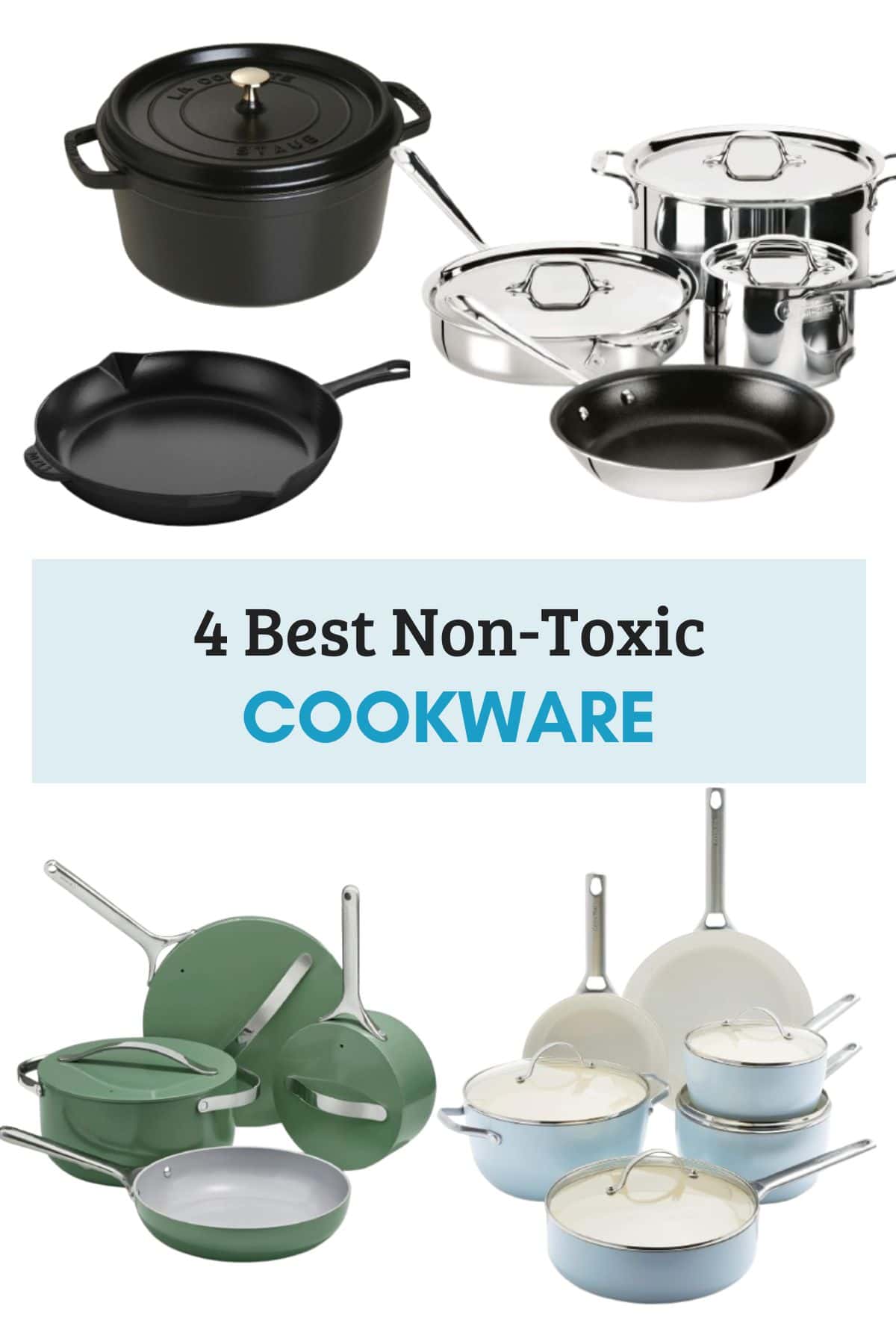
Credit: feelgoodfoodie.net
Frequently Asked Questions
Is Staub Cookware Made From Non-toxic Materials?
Yes, Staub cookware is made from high-quality cast iron and enamel. It contains no harmful chemicals or toxins, making it safe for cooking healthy meals.
Does Staub Cookware Release Harmful Chemicals When Heated?
No, Staub cookware does not release harmful chemicals. Its enamel coating is durable and non-reactive, ensuring food safety during cooking.
Can Staub Cookware Be Used For All Cooking Types?
Yes, Staub cookware is versatile and can be used on various heat sources. It suits induction, gas, electric, and oven cooking safely.
Is Staub Enamel Coating Free From Pfoa And Ptfe?
Yes, Staub enamel coatings are free from PFOA and PTFE. This makes them a safer option compared to some non-stick cookware.
Conclusion
Staub cookware is made with safe materials for healthy cooking. It does not release harmful chemicals into your food. The enamel coating prevents rust and protects the cast iron. Cooking with Staub means you can enjoy tasty meals without worry.
Its design helps keep heat even and food flavorful. Choosing Staub supports a non-toxic kitchen environment. A smart option for anyone who cares about clean cooking. Easy to use and easy to clean, too. A reliable choice for safe, everyday cooking needs.

Hello, This is Annie Walker, a 38-year-old blogger, founder, and editor of Cookware Guider from NY, USA. I am a cookware fanatic and passionate cooker. I love to cook with different types of cooking appliances (example: all types of cookware, rice cookers, slow cookers, etc) almost every day in my kitchen. I love to share my experience with my readers in my blog. Also, I enjoy helping people to solve their problems through my website. You can follow me on Twitter & Pinterest. To know details about my blog please check the about us page.