
Have you ever wondered if your cookware could be harming you? What if the pots and pans you use every day are slowly releasing toxic chemicals into your food?
Knowing which cookware is toxic can protect your health and keep your meals safe. You’ll discover the hidden dangers lurking in some popular kitchen tools and learn how to choose safer options for you and your family. Keep reading—your well-being depends on it.
Common Toxic Cookware Materials
Common Toxic Cookware Materials can affect your health more than you think. Many kitchen pots and pans release harmful chemicals or metals while cooking. Some materials react with food, especially acidic or hot dishes, causing toxins to enter your meals. Understanding which cookware materials pose risks helps you make safer choices for your family.
Nonstick Coatings And Pfoa
Nonstick cookware is popular for easy cooking and cleaning. But many nonstick pans use chemicals like PFOA (Perfluorooctanoic Acid). PFOA is a synthetic chemical used in making Teflon and other nonstick coatings. It can release toxic fumes when heated above 500°F (260°C). These fumes might cause flu-like symptoms called “polymer fume fever.”
Studies link PFOA exposure to:
- Hormone disruption
- Thyroid problems
- Kidney and liver damage
- Increased cancer risk
Most manufacturers stopped using PFOA in 2015. Still, older nonstick pans may contain it. Choose cookware labeled PFOA-free for safer use. Avoid heating nonstick pans empty or at very high temperatures to reduce toxic gas release.
| Nonstick Issue | Impact |
|---|---|
| PFOA | Harmful chemical, toxic fumes, health risks |
| PTFE | Safe under 500°F, releases fumes if overheated |
Aluminum And Health Risks
Aluminum cookware is lightweight and affordable. But aluminum can react with acidic foods like tomatoes and citrus. This reaction may cause aluminum to leach into food, which some studies link to health problems.
Potential risks of aluminum exposure include:
- Brain disorders like Alzheimer’s disease (though evidence is mixed)
- Bone diseases
- Kidney issues in people with kidney problems
To reduce risks, many aluminum pans have an anodized coating. This hard layer prevents aluminum from mixing with food. Use anodized aluminum or avoid cooking acidic foods in regular aluminum pans.
Aluminum cookware pros and cons:
| Pros | Cons |
|---|---|
| Lightweight and heats fast | May leach aluminum into acidic food |
| Affordable and widely available | Potential health concerns with long-term exposure |
Copper Cookware Concerns
Copper cookware looks beautiful and conducts heat well. But copper is toxic in large amounts. Cooking acidic foods in unlined copper pans can cause copper to leach into food.
Too much copper intake can cause:
- Nausea and stomach pain
- Liver and kidney damage
- Metal poisoning symptoms
Most copper cookware is lined with stainless steel or tin to prevent copper exposure. Check your copper pans for lining and avoid using damaged or worn cookware.
How to safely use copper cookware:
- Buy lined copper pans
- Avoid cooking very acidic foods in them
- Replace worn or damaged lining quickly
- Clean with gentle methods to avoid damage
Cast Iron And Lead Exposure
Cast iron is popular for its durability and heat retention. It is generally safe, but some old or imported cast iron cookware may contain lead. Lead is a toxic metal harmful especially to children.
Lead exposure risks include:
- Brain damage and learning problems
- Kidney damage
- High blood pressure
New cast iron pans rarely contain lead. Still, avoid cheap or uncertified cast iron products. Season your cast iron regularly to create a natural nonstick surface and reduce metal leaching.
Tips to reduce lead risks with cast iron:
- Buy from trusted brands
- Avoid chipped or damaged pans
- Season pans before use
- Do not cook highly acidic foods for long times

Credit: www.youtube.com
Identifying Unsafe Cookware
Identifying unsafe cookware is crucial for healthy cooking and food safety. Some pots and pans release harmful chemicals or metals during cooking. These toxins can enter food and affect health over time. Knowing how to spot unsafe cookware helps prevent these risks.
Signs Of Degradation
Cookware shows signs of wear that can indicate potential toxicity. These signs mean the cookware may release harmful substances into food. Watch for these common signs:
- Scratches and Peeling: Non-stick coatings like Teflon can peel or scratch. Eating flakes from damaged coatings is unsafe.
- Discoloration: Metal pots turning blue, green, or black may corrode. Corrosion can release metals like aluminum or copper.
- Warping: Warped pans heat unevenly. Uneven heat can cause chemical changes and food burning.
- Rust: Rust on steel or iron pans can mix with food. Rust is not healthy to consume.
Check cookware regularly. Small damage can worsen quickly and increase risk. Replace pans that show these signs.
| Sign | Potential Risk | Action |
|---|---|---|
| Scratches and Peeling | Release of toxic chemicals | Stop use; replace cookware |
| Discoloration | Metal corrosion; chemical leaching | Clean and monitor; replace if worsens |
| Warping | Uneven cooking; chemical changes | Replace cookware |
| Rust | Metal ingestion | Remove rust; replace if severe |
Labels And Certifications To Watch
Safe cookware often carries labels or certifications. These marks show the product passed safety tests. Learn to recognize trusted certifications to avoid toxic cookware.
Common labels include:
- FDA Approved: Meets U.S. food safety standards.
- LFGB Certified: German certification for food-safe materials.
- Prop 65 Warning: California rule warning about chemicals known to cause cancer or birth defects. Avoid cookware with this label.
- PTFE-Free: Means no harmful non-stick chemicals like Teflon.
Look for cookware made from stainless steel, cast iron, or ceramic with clear certifications. These materials usually do not release toxins.
| Certification | Meaning | Safety Tip |
|---|---|---|
| FDA Approved | Safe for food contact | Choose FDA-approved cookware |
| LFGB Certified | Tested for harmful substances | Trust LFGB certification |
| Prop 65 Warning | Contains harmful chemicals | Avoid cookware with this label |
| PTFE-Free | No toxic non-stick coating | Choose PTFE-free products |
Old Vs New Cookware Safety
Older cookware can carry risks not found in new products. Many older pans use outdated materials or coatings that may be toxic. Newer cookware often follows stricter safety rules.
Old cookware risks:
- Contains lead or cadmium in glazes.
- Non-stick coatings with PFOA or PFAS chemicals.
- Metal corrosion due to years of use.
New cookware benefits:
- Use safer materials like ceramic or stainless steel.
- Non-stick coatings free from harmful chemicals.
- Better manufacturing standards and certifications.
Inspect old cookware carefully. Replace damaged or questionable pieces with modern, certified options. This reduces exposure to toxic chemicals and metals.
Health Effects Of Toxic Cookware
Using toxic cookware can harm your health in many ways. Chemicals from certain pots and pans may leach into food during cooking. These substances can cause immediate and lasting health problems. Understanding the health effects of toxic cookware helps you choose safer kitchen tools. It also protects your family from avoidable risks. Toxic cookware often includes non-stick pans with damaged coatings, aluminum pots, and some cheap metal blends. These materials can release harmful toxins when heated.
Short-term Symptoms
Exposure to toxic cookware can cause clear and sudden symptoms. These usually appear soon after cooking or eating food prepared in unsafe cookware. Common short-term symptoms include:
- Headaches and dizziness
- Nausea and upset stomach
- Breathing problems or coughing
- Skin irritation or rashes
- Eye irritation or watering
- Fatigue or weakness
These symptoms result from chemicals like PFOA, PTFE, or heavy metals entering the body. Some people notice symptoms only after using cookware for a while. Others may react after one use. Children, pregnant women, and people with allergies often feel effects faster and more strongly.
| Chemical | Short-Term Effects | Common Sources |
|---|---|---|
| PFOA (Perfluorooctanoic Acid) | Headaches, nausea, dizziness | Old non-stick pans |
| Aluminum | Stomach pain, vomiting | Uncoated aluminum pots |
| Lead | Skin irritation, weakness | Ceramic cookware with lead glaze |
Long-term Health Risks
Using toxic cookware over many months or years can cause serious health problems. Chemicals build up in the body and damage organs. Long-term risks include:
- Kidney and liver damage: Heavy metals harm these vital organs.
- Hormone disruption: Chemicals like PFOA interfere with hormone balance.
- Cancer risk: Some toxins increase chances of cancers, especially liver and bladder.
- Reproductive problems: Infertility and birth defects have links to toxic exposure.
- Respiratory diseases: Inhaled fumes from overheated non-stick pans can cause lung damage.
Long-term exposure may not show clear symptoms at first. Damage often happens slowly, making it hard to detect. Regular use of unsafe cookware can increase chemical levels in your blood over time. This buildup can lead to chronic illness.
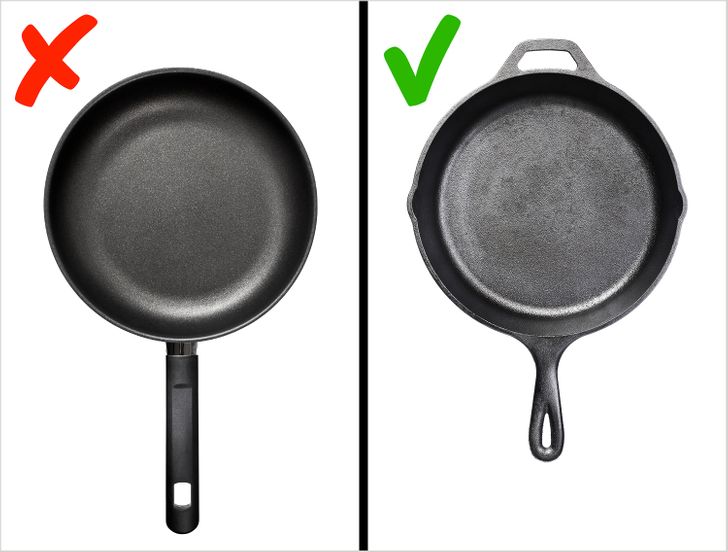
Choosing cookware made from safe materials like stainless steel, cast iron, or glass reduces these risks. Avoid scratched or old non-stick pans. Check labels and buy from trusted brands.
Credit: brightside.me
Safe Alternatives
Choosing cookware that does not release harmful chemicals is vital for healthy cooking. Many common pots and pans contain toxic substances like PFOA, PTFE, lead, or cadmium. Safe alternatives help avoid these dangers and keep your meals clean and nutritious. These options last long, perform well, and do not leach harmful materials into food. Let’s explore some trusted cookware materials that provide safety without sacrificing quality.
Stainless Steel Benefits
Stainless steel cookware is a top choice for safe, durable cooking. It contains no toxic coatings or chemicals. Made from iron, carbon, and chromium, it resists rust and corrosion well.
Key advantages of stainless steel cookware:
- Non-reactive: Does not leach metals or chemicals into acidic or alkaline foods.
- Durable and long-lasting: Resists scratches and dents over years of use.
- Easy to clean: Dishwasher safe and can handle scrubbing without damage.
- Even heating: Many sets include an aluminum or copper core for better heat distribution.
| Feature | Benefit |
|---|---|
| Material Composition | Iron, Chromium, Carbon (non-toxic) |
| Heat Conductivity | Moderate; improved with layered base |
| Maintenance | Low; resists stains and rust |
| Best Use | Searing, frying, boiling, sautéing |
Stainless steel is ideal for everyday cooking. It does not contain harmful chemicals and offers excellent performance. It works well with all heat sources, including induction cooktops.
Ceramic And Glass Options
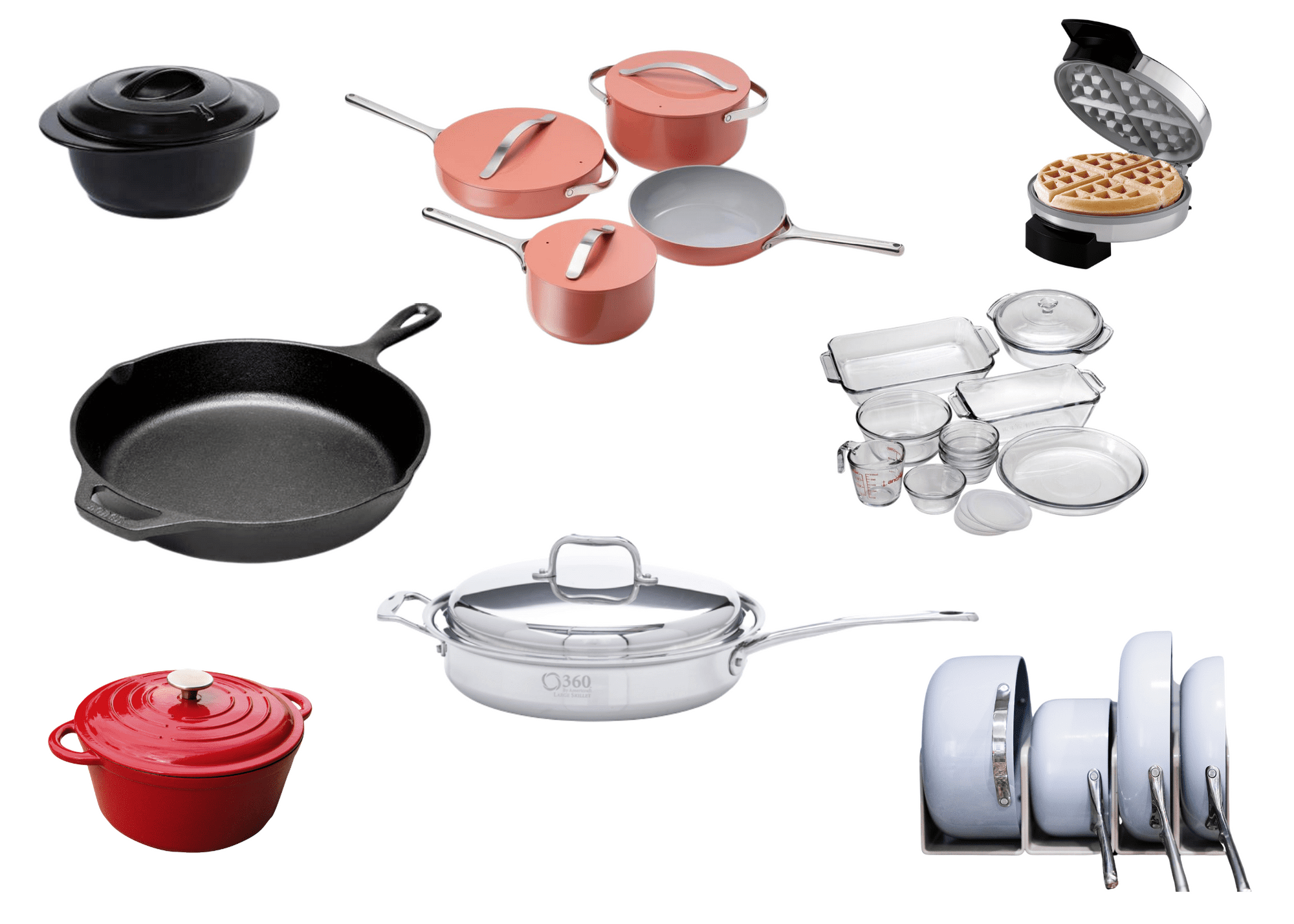
Ceramic and glass cookware are excellent safe choices for non-toxic cooking. They do not release toxins and are often free from metals and synthetic coatings.
Ceramic cookware typically has a smooth, non-stick surface made from inorganic materials. Glass cookware is made from tempered glass and can go from oven to table.
- Non-reactive surfaces: Do not interact with food acids or oils.
- Free from PTFE and PFOA: Safe for non-stick cooking without chemical risk.
- Easy to clean: Smooth surfaces prevent food sticking and staining.
- Oven-safe: Many ceramic and glass pieces handle high temperatures well.
| Cookware Type | Pros | Cons |
|---|---|---|
| Ceramic | Non-stick, chemical-free, attractive | Can chip or crack if mishandled |
| Glass | Non-toxic, oven-safe, easy to see food | Fragile, heavy, may break with sudden temperature changes |
Use ceramic for frying and sautéing with less oil. Glass works great for baking and serving. Both are excellent for those avoiding metals and toxic coatings.
Silicone Cookware Uses
Silicone cookware is a flexible, heat-resistant option that is safe and versatile. Made from synthetic rubber, it does not release harmful chemicals when heated.
Silicone is often used for bakeware, molds, spatulas, and lids. Its non-stick nature makes cleaning easy.
- Heat resistant: Can handle temperatures up to 450°F (232°C) without melting.
- Non-toxic: Free from BPA, lead, and other harmful substances.
- Flexible and lightweight: Easy to store and handle.
- Non-stick surface: Food releases easily, reducing need for oils.
Common silicone cookware uses include:
- Baking mats and muffin cups
- Spatulas and spoons
- Lids and covers
- Steaming baskets and molds
Silicone is ideal for low-fat cooking and baking. It does not absorb odors or flavors. Choose high-quality, food-grade silicone to ensure safety and durability.
Maintenance Tips To Avoid Toxins
Maintaining cookware properly helps reduce toxin risks during cooking. Cookware made from materials like non-stick coatings, aluminum, or certain ceramics can release harmful substances if damaged or overheated. Following good maintenance habits keeps your pots and pans safe and extends their life. Simple steps in cleaning, heat control, and timely replacement prevent toxic buildup and protect your health.
Proper Cleaning Methods
Cleaning cookware correctly stops harmful chemicals from building up and keeps surfaces safe. Use mild dish soap and warm water for most pots and pans. Avoid harsh scrubbers or steel wool that can scratch coatings and expose harmful layers underneath.
- Non-stick pans: Clean with a soft sponge to protect the coating.
- Cast iron: Use a brush or coarse salt and water; avoid soap that removes seasoning.
- Stainless steel: Use gentle detergents and avoid abrasive pads.
For tough stains, soak cookware in warm soapy water before washing. Rinse thoroughly to remove all soap residue, which can affect cooking and safety.
| Cookware Type | Cleaning Method | What to Avoid |
|---|---|---|
| Non-stick | Soft sponge, mild soap | Metal scrubbers, harsh detergents |
| Cast iron | Brush, coarse salt, water | Dish soap, soaking long time |
| Stainless steel | Soft cloth, mild soap | Abrasive pads, steel wool |
Dry cookware fully after washing. Store in a dry place to prevent rust or mold, which can contaminate food.
Avoiding High Heat Damage
High heat can break down cookware coatings and release toxic chemicals. Non-stick pans are especially sensitive. Overheating can cause the coating to peel or emit fumes harmful to health.
- Cook on low or medium heat settings to protect surfaces.
- Preheat pans slowly, avoiding sudden high temperatures.
- Use cookware designed for high heat if needed, like stainless steel or cast iron.
Check manufacturer guidelines for maximum heat limits of your cookware. Follow these limits strictly to avoid damage.
Using a heat diffuser helps spread heat evenly and prevents hot spots that can burn coatings.
| Cookware Type | Safe Heat Level | Risk of High Heat |
|---|---|---|
| Non-stick | Low to medium | Coating breakdown, toxic fumes |
| Cast iron | High heat allowed | Rust if not seasoned properly |
| Aluminum | Medium heat | Warping, chemical leaching |
Never leave empty pans on heat. This can quickly raise temperatures beyond safe levels and cause damage.
When To Replace Cookware
Worn-out cookware may release toxins into food. Look for signs that show it is time to replace your pots and pans.
- Scratched or peeling coatings: Non-stick surfaces that flake off can contaminate meals.
- Warped or bent pans: Uneven surfaces can cause uneven cooking and overheating.
- Rust or corrosion: Rusty cookware can leach harmful metals into food.
- Persistent stains or odors: These may indicate deep damage or chemical buildup.
Replacing old cookware keeps your kitchen safe and cooking results better. Maintain a schedule to check your pots and pans every few months.
Use this quick checklist to decide if replacement is needed:
| Issue | Safe to Use? | Action |
|---|---|---|
| Small scratches on non-stick | Yes, monitor closely | Avoid metal utensils |
| Flaking or peeling coating | No | Replace immediately |
| Rust spots on cast iron | No | Reseason or replace |
| Warped base | No | Replace for safety |
Regular maintenance and timely replacement reduce toxin risks. Stay alert to changes in your cookware’s condition.
Credit: gurlgonegreen.com
Frequently Asked Questions
What Cookware Materials Are Considered Toxic?
Toxic cookware often includes non-stick pans with PFOA, aluminum, and some copper-based materials. These can release harmful chemicals when heated.
Is Non-stick Cookware Harmful To Health?
Non-stick cookware can be harmful if overheated. It may release toxic fumes and chemicals linked to health issues.
Can Aluminum Cookware Cause Health Problems?
Aluminum cookware can leach metals into food, especially acidic dishes. Excessive exposure may affect brain and bone health.
Are Ceramic Cookware Sets Safer Than Others?
Ceramic cookware is generally safer, non-toxic, and free from harmful chemicals like PFOA and PTFE. It’s a healthier option.
Conclusion
Choosing safe cookware protects your health and improves your meals. Avoid materials that release harmful chemicals when heated. Pick pans made from stainless steel, cast iron, or ceramic. Clean and care for your cookware properly to keep it safe. Small changes in your kitchen can make a big difference.
Cook with confidence, knowing your pots and pans are safe. Your health deserves simple, smart choices every day. Safe cookware means safer food and peace of mind.

Hello, This is Annie Walker, a 38-year-old blogger, founder, and editor of Cookware Guider from NY, USA. I am a cookware fanatic and passionate cooker. I love to cook with different types of cooking appliances (example: all types of cookware, rice cookers, slow cookers, etc) almost every day in my kitchen. I love to share my experience with my readers in my blog. Also, I enjoy helping people to solve their problems through my website. You can follow me on Twitter & Pinterest. To know details about my blog please check the about us page.