
When it comes to cooking, the cookware you choose plays a big role in your health and the taste of your meals. But with so many options out there, how do you know which one is truly safe for you and your family?
You want pots and pans that won’t release harmful chemicals or wear down quickly. You also want something that’s easy to use and clean. You’ll discover the safest cookware materials and what makes them the best choice for your kitchen.
Keep reading to find out how you can protect your health while cooking delicious meals every day.
Credit: www.organicauthority.com
Materials That Are Safe
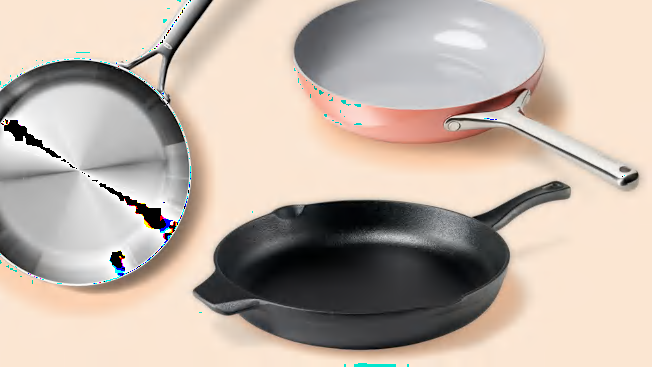
Choosing the right cookware is important for health and cooking quality. Some materials release harmful chemicals or wear down quickly. Safe cookware materials do not react with food or leach toxins. They last long and handle heat well. This section explores popular safe cookware materials. Understanding their features helps pick the best option for your kitchen.
Stainless Steel Benefits
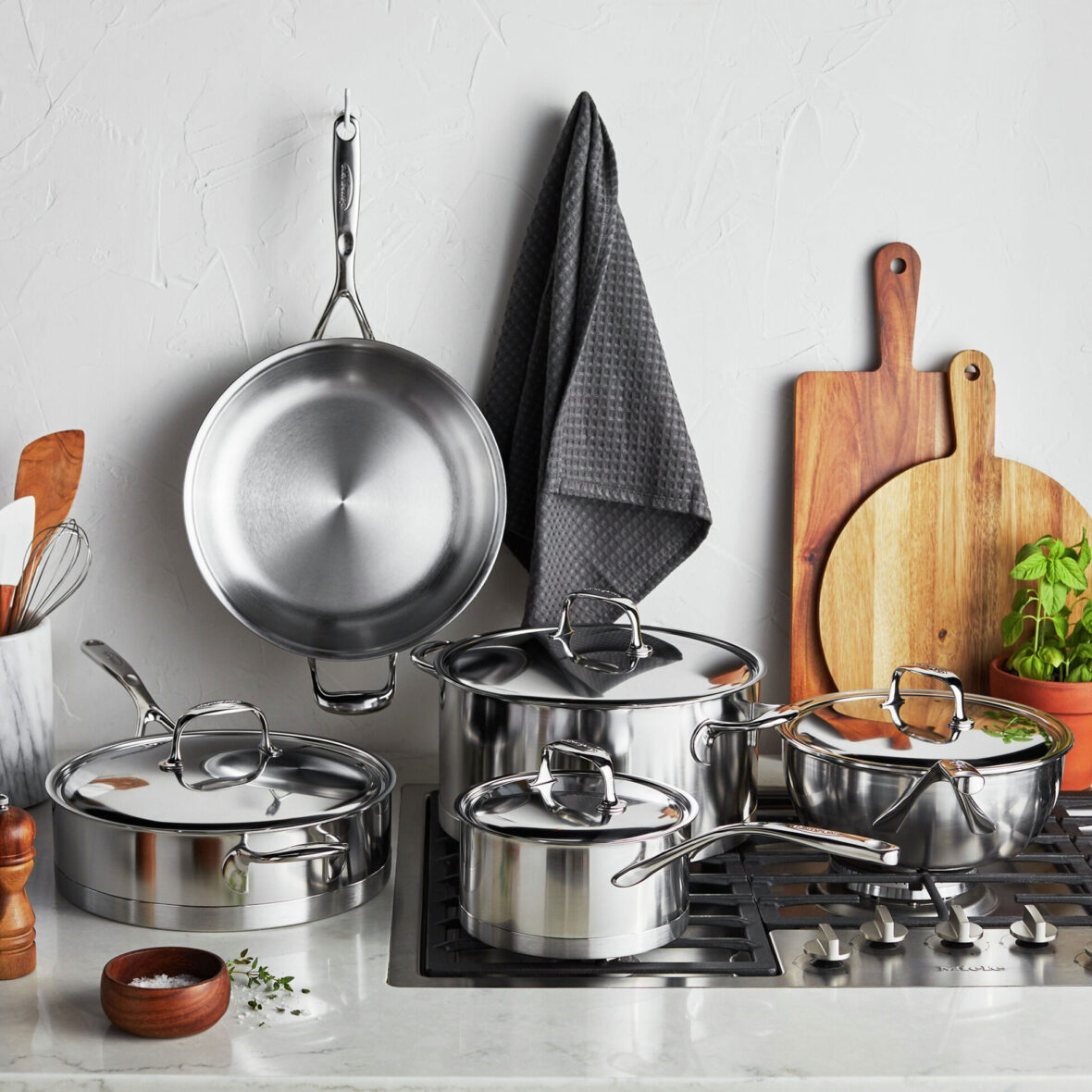
Stainless steel is a common choice for safe cookware. It is made from iron mixed with chromium and other metals. This blend makes it strong, rust-resistant, and non-reactive with food.
- Non-toxic: Stainless steel does not release harmful chemicals.
- Durable: Lasts many years without warping or scratching.
- Easy to clean: Dishwasher safe and resists stains.
- Good heat conduction: Often combined with aluminum or copper layers for better cooking.
Here is a simple table showing stainless steel cookware pros and cons:
| Pros | Cons |
|---|---|
| Non-reactive, safe for all foods | Can have hot spots without layered base |
| Resistant to rust and corrosion | Food may stick without enough oil |
| Low maintenance and easy to clean | Heavier than aluminum |
Cast Iron Pros And Cons
Cast iron is a traditional cookware material. It heats evenly and holds heat well. Cast iron pans can last for decades if cared for properly.
- Safe and natural: No synthetic coatings or chemicals.
- Improves with use: Develops a natural non-stick surface over time.
- Can add iron to food: Useful for people with iron deficiency.
- Heavy and requires care: Needs seasoning and careful cleaning.
Some drawbacks to consider:
- Prone to rust if not dried properly.
- Not dishwasher safe.
- Can react with acidic foods, altering taste.
- Heavy to handle for some users.
Cast iron works best for frying, searing, and slow cooking. Avoid cooking highly acidic foods often to protect the pan.
Ceramic Cookware Safety
Ceramic cookware uses a clay base coated with a ceramic glaze. It is free from metals like aluminum and PTFE, making it a healthy choice.
- Non-toxic surface: No harmful chemicals released during cooking.
- Non-stick: Food slides off easily without extra oil.
- Good for low to medium heat: Avoids overheating and damage.
- Fragile: Can chip or crack if dropped.
Key safety points:
- Check for lead or cadmium in cheap ceramic cookware.
- Choose brands that certify their ceramics as food-safe.
- Do not use metal utensils to prevent scratching.
Ceramic cookware is ideal for gentle cooking like steaming, sautéing, and baking. Use with care to extend its life.
Glass Cookware Features
Glass cookware is 100% non-reactive and safe for all types of food. It does not release chemicals or metals into meals. Glass is perfect for oven use and microwaving.
- Non-toxic and safe: No risk of chemical leaching.
- Transparent: Easy to monitor cooking progress.
- Retains heat well: Good for slow cooking and baking.
- Breakable: Can shatter if dropped or exposed to sudden temperature changes.
Glass cookware works best for baking casseroles, roasting vegetables, and reheating food. Avoid putting hot glass on cold surfaces to prevent cracks.
Materials To Avoid
Choosing the safest cookware means knowing which materials to avoid. Some materials can release harmful substances when heated or wear down over time. These risks can affect your health and the taste of your food. Understanding the dangers helps you pick cookware that keeps your family safe.
Nonstick Coating Risks
Nonstick pans are popular for easy cooking and cleaning. But many use a chemical called PTFE (polytetrafluoroethylene). When heated above 500°F (260°C), PTFE can break down and release toxic fumes. These fumes may cause flu-like symptoms in people, sometimes called “polymer fume fever.”
Besides heat concerns, nonstick coatings can scratch or chip. This damage lets tiny particles mix with food. Although small amounts may not cause harm, long-term exposure is not good.
Key risks of nonstick coatings include:
- Toxic fumes at high temperatures
- Coating degradation over time
- Possible ingestion of flakes or particles
- Shorter lifespan compared to other materials
| Factor | Details |
|---|---|
| Safe Cooking Temperature | Below 500°F (260°C) |
| Common Chemicals | PTFE, PFOA (now mostly banned) |
| Durability | Low to medium |
Choosing pans without these coatings or using them carefully avoids health risks. Ceramic or stainless steel pans offer safer alternatives.
Aluminum Concerns
Aluminum cookware is light and affordable. Yet, it can react with acidic or salty foods. This reaction causes aluminum to leach into meals, which might affect health.
Some studies link excess aluminum intake to brain issues. While the evidence is not fully clear, many experts suggest caution. Anodized aluminum has a harder surface that reduces leaching. Still, plain aluminum can easily wear down.
Important facts about aluminum cookware:
- Reacts with acidic foods like tomatoes and citrus
- May cause metallic taste in food
- Anodized aluminum is safer but more expensive
- Not dishwasher safe; can wear faster
| Type | Leaching Risk | Durability | Price |
|---|---|---|---|
| Plain Aluminum | High | Low | Low |
| Anodized Aluminum | Low | High | Medium |
Aluminum pans might be fine for occasional use. For daily cooking, safer materials are better.
Copper Cookware Issues
Copper cookware heats food evenly and quickly. But copper can react with food and cause toxicity if not lined properly. Pure copper may release copper ions into acidic dishes.
Most copper pots have a lining of stainless steel or tin to prevent this. However, linings can wear off, exposing copper. This exposure risks copper poisoning, which causes nausea, vomiting, and stomach pain.
Points to know about copper cookware:
- Unlined copper is unsafe for cooking
- Linings wear out and need replacement
- Requires regular polishing to keep safe
- More expensive and requires care
| Cookware Type | Safety Level | Maintenance | Cost |
|---|---|---|---|
| Unlined Copper | Unsafe | High | Medium |
| Linings (Stainless Steel/Tin) | Safe with care | Medium | High |
Only buy copper cookware with a strong lining. Check lining condition regularly to avoid health risks.
Health Considerations
Choosing the safest cookware affects your health directly. Some pots and pans can release harmful substances into food during cooking. Understanding health considerations helps pick cookware that protects your body. This section covers chemical risks, allergens, and effects of high heat on cookware safety.
Chemical Leaching Risks
Chemical leaching happens when metals or coatings in cookware break down and mix with food. This can cause health problems over time. Some common chemicals found in cookware include:
- Aluminum: Can react with acidic foods and leach into meals.
- Non-stick coatings: May release toxic fumes if overheated.
- Lead and cadmium: Found in some low-quality ceramic glazes.
Aluminum cookware is lightweight and cheap but can cause issues with acidic foods like tomatoes or vinegar. To reduce leaching:
- Use anodized aluminum, which has a protective layer.
- Avoid scratched or worn non-stick pans.
- Choose certified ceramic or stainless steel cookware.
| Cookware Type | Leaching Risk | Health Impact |
|---|---|---|
| Aluminum (non-anodized) | High with acidic foods | Potential neurological effects |
| Non-stick (PTFE coated) | Low if under 500°F | Fumes toxic if overheated |
| Ceramic (quality certified) | Minimal | Safe if lead-free |
| Stainless steel | Very low | Generally safe |
Tip: Avoid damaged cookware and check for safety certifications. Proper care extends cookware life and reduces chemical risks.
Allergens And Sensitivities
Some people have allergies or sensitivities triggered by certain cookware materials. Nickel is a common allergen found in stainless steel. It may cause skin reactions or digestive discomfort in sensitive individuals.
Other possible triggers include:
- Latex: Sometimes used in handle grips or seals.
- Glazes: On ceramic cookware containing metals like lead or cadmium.
- Nickel: In cheaper stainless steel alloys.
To reduce allergic reactions:
- Choose nickel-free or low-nickel stainless steel.
- Pick cookware with silicone or wood handles instead of latex.
- Use plain cast iron or enamel-coated cast iron.
- Avoid chipped or cracked ceramic cookware.
People with metal allergies should test new cookware carefully. Cooking acidic foods might release more metals and worsen symptoms. Proper cleaning and seasoning also help reduce allergen exposure.
Impact Of High Heat Cooking
High heat cooking can change cookware safety. Some materials break down or release toxins at high temperatures. Non-stick pans with PTFE coatings start to degrade above 500°F. This releases fumes harmful to humans and pets.
Cast iron and stainless steel handle high heat well but can warp or discolor if overheated quickly. Ceramic cookware resists heat but may crack under sudden temperature changes.
Effects of high heat on common cookware types:
| Cookware Type | Safe Max Temperature | High Heat Effects |
|---|---|---|
| Non-stick (PTFE) | Up to 500°F (260°C) | Coating breakdown, toxic fumes |
| Cast Iron | Very high (700°F+) | Seasoning damage if overheated |
| Stainless Steel | Up to 600°F (315°C) | Warping, discoloration |
| Ceramic | Varies, usually up to 500°F | Cracking from thermal shock |
Tips for safe high heat cooking:
- Preheat pans slowly to avoid damage.
- Do not leave empty non-stick pans on high heat.
- Use cast iron for searing and frying at high temperatures.
- Avoid sudden temperature changes with ceramic cookware.
Durability And Maintenance
Choosing the safest cookware means focusing on durability and maintenance. Durable cookware lasts longer and stays safe to use over time. Proper care helps keep cookware in good shape and avoids damage. This section covers cleaning tips, material lifespan, and how to handle and store your pots and pans safely.
Cleaning Tips For Safety
Cleaning cookware properly removes food residue and harmful bacteria. It also protects the cookware’s surface and coating. Use gentle cleaning methods to keep your cookware safe and effective.
- Use mild dish soap: Harsh detergents can damage coatings or materials.
- Avoid abrasive scrubbers: Steel wool or rough pads can scratch surfaces.
- Hand wash preferred: Some cookware is not dishwasher safe and may degrade faster.
- Soak stubborn stains: Soak in warm, soapy water before scrubbing lightly.
- Dry thoroughly: Prevent rust or mold by drying immediately after washing.
For non-stick pans, use soft sponges and avoid metal utensils to prevent peeling. Cast iron needs special care; clean with hot water and a brush, then dry and oil to avoid rust.
| Cookware Type | Recommended Cleaning Method | What to Avoid |
|---|---|---|
| Non-stick | Soft sponge, mild soap, hand wash | Metal scrubbers, high heat, dishwasher |
| Cast iron | Warm water, brush, dry and oil | Soap, soaking, dishwasher |
| Stainless steel | Dishwasher or hand wash with soap | Abrasive pads causing scratches |
Longevity Of Different Materials
Different cookware materials last for different periods. Some need more care but last longer, while others wear out faster. Knowing the lifespan helps choose safe and lasting cookware.
- Cast iron: Can last decades if maintained. Builds natural non-stick surface over time.
- Stainless steel: Very durable and resists rust. Can last 10-20 years with care.
- Non-stick: Coating can wear off after 3-5 years. Replace if scratched or peeling.
- Ceramic: Lasts about 2-5 years. Coating may crack or chip.
- Aluminum: Lightweight but can warp or discolor over 5-10 years.
Choosing a material depends on budget and use. Durable materials reduce waste and cost over time. Safe cookware stays intact without releasing harmful substances.
| Material | Average Lifespan | Durability Notes |
|---|---|---|
| Cast iron | 20+ years | Highly durable, needs seasoning |
| Stainless steel | 10-20 years | Resists rust and dents |
| Non-stick | 3-5 years | Coating degrades over time |
| Ceramic | 2-5 years | Prone to chipping and cracking |
| Aluminum | 5-10 years | Lightweight but can warp |
Handling And Storage Advice
Proper handling and storage keep cookware safe and extend its life. Rough use or poor storage can cause scratches, dents, or rust.
- Use the right utensils: Wooden, silicone, or plastic spoons protect surfaces.
- Avoid stacking heavy pots: Use pan protectors or paper towels between pans.
- Store in dry places: Moisture causes rust, especially in cast iron and carbon steel.
- Lift, don’t drag: Dragging pans can damage non-stick coatings and scratch floors.
- Check handles and lids: Tighten loose parts to prevent accidents.
Handle cookware gently to keep surfaces smooth and coatings intact. Proper storage avoids damage and keeps pans ready for safe cooking.
Eco-friendly Choices
Choosing the safest cookware involves more than just health concerns. Eco-friendly choices protect the planet while keeping your meals safe. Sustainable cookware reduces waste and pollution. It uses materials that come from nature or can be reused easily. These choices help reduce the carbon footprint of your kitchen. They also support cleaner production methods and less toxic waste.
Sustainable Material Options
Cookware made from sustainable materials offers a safe, eco-friendly way to cook. These materials come from renewable sources or are durable enough to last a long time, reducing waste. Here are some popular sustainable options:
- Ceramic: Made from natural clay, ceramic cookware is non-toxic and often free from harmful chemicals.
- Cast Iron: Very durable and can last for generations. It uses natural iron and improves with use.
- Stainless Steel: Recyclable and long-lasting, stainless steel is safe and does not leach chemicals.
- Bamboo Handles: Bamboo grows quickly and is a renewable resource often used for handles and utensils.
Each material has benefits. Ceramic offers non-stick properties without chemicals. Cast iron adds iron to food and heats evenly. Stainless steel resists corrosion and is easy to clean. Bamboo is a natural alternative to plastic parts.
| Material | Eco Benefit | Safety Feature |
|---|---|---|
| Ceramic | Natural, non-toxic, biodegradable | Free from PTFE and PFOA |
| Cast Iron | Durable, long-lasting | No chemical coatings |
| Stainless Steel | Recyclable, corrosion-resistant | Non-reactive surface |
| Bamboo | Renewable, fast-growing | Natural material for handles |
Recyclability Of Cookware
Recyclability is key in choosing eco-friendly cookware. It helps reduce landfill waste and saves resources. Many cookware materials can be recycled, but rates vary. Metals like stainless steel and cast iron are widely recyclable. Ceramic is harder to recycle but can be reused in some areas. Non-stick coatings often cannot be recycled.
Check local recycling rules before disposal. Some recycling centers accept metal pots and pans. Others may require special handling for coated cookware. Recycling extends the life cycle of materials and lowers environmental harm.
- Metal Cookware: Usually recyclable. Remove plastic or rubber parts first.
- Ceramic Cookware: Limited recycling options. May be reused as decorative items.
- Non-stick Coated Cookware: Difficult to recycle. Consider donating if usable.
Proper recycling reduces the need for new materials. It also lowers energy use in manufacturing. Choose cookware designed for easy recycling or long-term use.
Environmental Impact Of Production
The production of cookware affects the environment in many ways. Mining metals, processing materials, and manufacturing use energy and water. Some processes release harmful chemicals and carbon emissions. Sustainable production methods reduce these impacts.
Look for cookware brands that:
- Use recycled metals and materials.
- Follow energy-efficient manufacturing.
- Minimize chemical use and waste.
- Support fair labor and eco-friendly practices.
Here is a quick comparison of production impacts:
| Material | Energy Use | Water Use | Waste Produced |
|---|---|---|---|
| Cast Iron | High | Moderate | Moderate |
| Stainless Steel | Moderate | High | Low |
| Ceramic | Low | Low | Low |
| Bamboo | Very Low | Very Low | Minimal |
Selecting cookware with a lower environmental impact helps protect natural resources. It also supports sustainable industry growth.
Credit: www.organicauthority.com
Popular Safe Cookware Brands
Choosing the safest cookware involves picking brands known for quality, durability, and non-toxic materials. Popular safe cookware brands focus on materials like stainless steel, cast iron, and ceramic. These brands avoid harmful coatings and metals that could leach into food. They also provide long-lasting products that perform well in everyday cooking. Knowing the best brands helps make a smart purchase for health and kitchen efficiency.
Top Rated Stainless Steel
Stainless steel cookware is a safe choice because it does not react with food or release harmful chemicals. The best stainless steel brands use high-quality alloys such as 18/10, meaning 18% chromium and 10% nickel. This makes the cookware durable and resistant to rust and corrosion.
Popular stainless steel brands:
- All-Clad – Known for its professional-grade, multi-ply stainless steel construction.
- Calphalon – Offers affordable options with sturdy stainless steel layers.
- Cuisinart – Provides versatile sets with good heat distribution.
- Demeyere – Premium brand famous for advanced technology and durability.
Here is a quick comparison table of these brands:
| Brand | Material Quality | Price Range | Special Features |
|---|---|---|---|
| All-Clad | 18/10 Stainless Steel, 3-5 ply | High | Even heat, dishwasher safe |
| Calphalon | 18/10 Stainless Steel, 3 ply | Medium | Oven safe, nonstick options |
| Cuisinart | 18/10 Stainless Steel, 3 ply | Low to Medium | Good heat control, budget friendly |
| Demeyere | 18/10 Stainless Steel, 7 ply | Very High | Superior heat retention, corrosion resistant |
Stainless steel brands excel in safety and long-term use. They do not leach chemicals into food. They also resist scratches and dents. These brands often include warranties for peace of mind.
Trusted Cast Iron Makers
Cast iron cookware is a classic safe option. It heats evenly and can last for decades. Well-seasoned cast iron has a natural non-stick surface without chemicals. It also adds a small amount of iron to food, which can be healthy.
Top cast iron brands to trust:
- Lodge – Most popular for affordable, pre-seasoned pans.
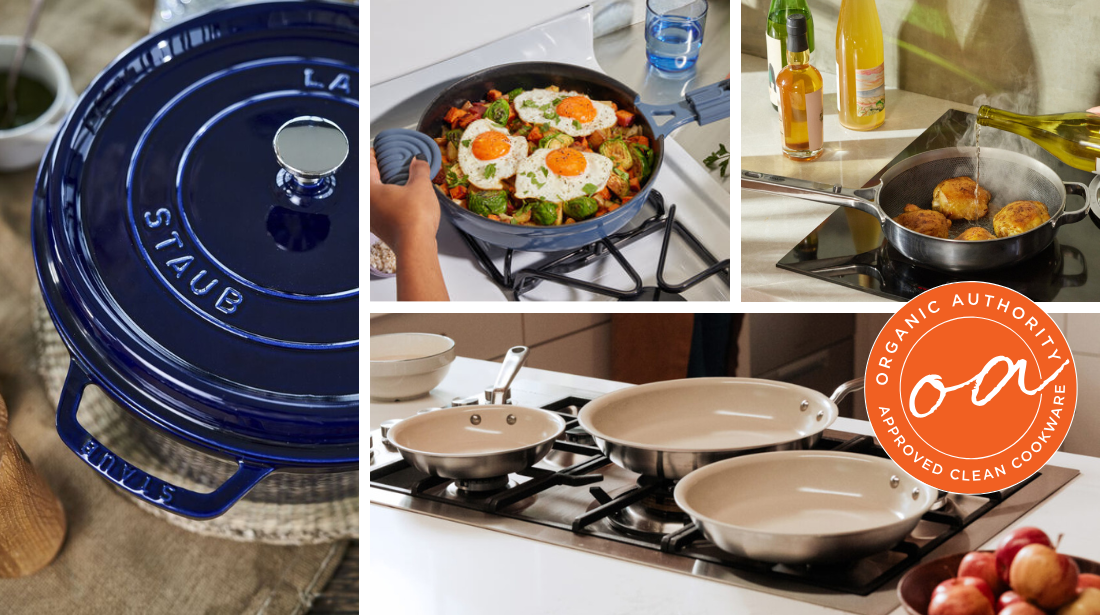
- Le Creuset – High-end enameled cast iron with vibrant colors.
- Staub – Known for durable, enameled cast iron with a matte finish.
- Field Company – Lightweight, smooth cast iron for modern cooks.
Cast iron brands differ in seasoning and coating:
- Lodge: Pre-seasoned, ready to use, budget-friendly.
- Le Creuset: Enameled, does not need seasoning, easy to clean.
- Staub: Matte enamel resists chips, ideal for slow cooking.
- Field Company: Smooth surface, lighter than traditional cast iron.
Cast iron is safe for cooking acidic foods, especially if enameled. It requires care to prevent rust. These brands provide strong warranties and customer support, ensuring a good investment.
Highly Recommended Ceramic Brands
Ceramic cookware is popular for non-toxic, non-stick surfaces. It uses natural materials and avoids harmful chemicals like PTFE or PFOA. Ceramic pans are easy to clean and offer good heat distribution.
Leading ceramic cookware brands include:
- GreenPan – Pioneer in ceramic non-stick technology.
- Bluestone – Affordable ceramic sets with modern designs.
- Caraway – Stylish ceramic cookware with non-toxic coating.
- Emile Henry – Ceramic bakeware and cookware made in France.
Here is a brief overview of each brand’s key points:
| Brand | Coating Type | Price Range | Highlights |
|---|---|---|---|
| GreenPan | Thermolon Ceramic | Medium | Durable, free of toxins, even heat |
| Bluestone | Non-stick Ceramic | Low to Medium | Affordable, lightweight, dishwasher safe |
| Caraway | Non-toxic Ceramic | High | Elegant design, eco-friendly, oven safe |
| Emile Henry | High-fired Ceramic | Medium to High | Excellent heat retention, handcrafted |
Ceramic cookware is great for gentle cooking and easy cleanup. These brands focus on safety and sustainability. Their products avoid harmful chemicals and offer long use with proper care.
Choosing Based On Cooking Style
Choosing cookware based on your cooking style helps ensure safety and better results. Different cooking methods need different materials and designs. Some cookware handles high heat well, while others are better for gentle cooking or baking. Picking the right cookware makes your kitchen safer and your food tastier. Consider what dishes you cook most to find the best match. This guide covers safe options for searing, baking, and everyday cooking.
Best Cookware For Searing
Searing requires cookware that can handle very high heat without warping or releasing harmful chemicals. Cast iron and stainless steel are top choices for safe and effective searing. They hold heat well and create a good crust on meat and vegetables.
- Cast Iron: Durable and retains heat for even cooking. It can last a lifetime if cared for properly.
- Stainless Steel: Resistant to scratching and does not react with acidic foods. It heats evenly and is easy to clean.
- Carbon Steel: Similar to cast iron but lighter. It heats quickly and is great for searing steaks.
Non-stick pans are not ideal for searing because they can release toxic fumes at very high temperatures. Avoid aluminum pans without a safe coating, as they may leach into food.
| Cookware Type | Heat Tolerance | Safety | Best For |
|---|---|---|---|
| Cast Iron | Very High | Safe when seasoned | Searing, frying |
| Stainless Steel | High | Non-reactive | Searing, browning |
| Carbon Steel | High | Safe when seasoned | Searing, sautéing |
Ideal Options For Baking
Baking needs cookware that heats evenly and is safe in the oven. Glass, ceramic, and heavy-duty metal pans work well. These materials do not release harmful substances even at high temperatures.
- Glass Bakeware: Non-reactive and safe for all oven temperatures. Easy to clean and lets you see the food while baking.
- Ceramic Pans: Good heat distribution and retain heat after removing from the oven. Look for lead-free ceramic for safety.
- Heavy-Duty Aluminum or Stainless Steel: Conduct heat well and bake food evenly. Choose pans with a safe coating or pure metal.
Non-stick coatings can be safe if used at moderate temperatures. Avoid using scratched or old pans with non-stick layers for baking.
| Material | Oven Safety | Heat Distribution | Cleaning |
|---|---|---|---|
| Glass | Safe up to 450°F | Even | Easy |
| Ceramic | Safe up to 500°F | Good | Requires care |
| Aluminum/Steel | Safe up to 500°F | Very Even | Easy |
Versatile Choices For Everyday Use
Cookware for daily cooking should be safe, easy to clean, and durable. Stainless steel and anodized aluminum are popular for everyday use. They do not react with food and resist stains and scratches.
Non-stick pans with ceramic coatings also work well for low-fat cooking and easy cleanup. Use wooden or silicone utensils to protect the coating.
- Stainless Steel: Great for all types of cooking, dishwasher safe, and durable.
- Anodized Aluminum: Stronger than regular aluminum and non-reactive. Heats quickly and evenly.
- Ceramic Non-Stick: Good for cooking eggs, pancakes, and delicate foods with less oil.
Avoid cookware with damaged coatings or materials that can leach metals. Proper care extends the life and safety of your pots and pans.
| Cookware Type | Durability | Maintenance | Cooking Style |
|---|---|---|---|
| Stainless Steel | High | Low | All-purpose |
| Anodized Aluminum | Medium-High | Medium | Everyday cooking |
| Ceramic Non-Stick | Medium | High | Low-fat, gentle cooking |
Credit: www.consumerreports.org
Frequently Asked Questions
What Materials Make Cookware Safest For Health?
Safe cookware materials include stainless steel, cast iron, and ceramic. They don’t leach harmful chemicals into food. Avoid non-stick pans with PFOA or PTFE coatings, which can release toxins when overheated. Choosing quality materials ensures healthier cooking and food safety.
Is Stainless Steel Cookware Safe To Use Daily?
Yes, stainless steel is safe for daily use. It’s durable, non-reactive, and doesn’t leach chemicals. It withstands high heat and is easy to clean. This makes it a popular and reliable choice for everyday cooking.
Are Ceramic-coated Pans Healthier Than Non-stick?
Ceramic-coated pans are generally safer than traditional non-stick pans. They use a non-toxic, inorganic coating that resists scratching and chemical release. Ceramic pans work well at moderate heat and provide a healthier cooking surface.
Can Cast Iron Cookware Affect Food Safety?
Cast iron cookware is safe and can even add beneficial iron to food. Proper seasoning prevents rust and creates a natural non-stick surface. It’s durable and suitable for various cooking methods without harmful chemicals.
Conclusion
Choosing safe cookware protects your health and improves cooking results. Materials like stainless steel, cast iron, and ceramic offer safety and durability. Avoid cookware with harmful chemicals or coatings. Regular care helps your cookware last longer and stay safe. Think about your cooking needs and budget before buying.
Safe cookware makes your kitchen a healthier place. Enjoy cooking with peace of mind and better tools.

Hello, This is Annie Walker, a 38-year-old blogger, founder, and editor of Cookware Guider from NY, USA. I am a cookware fanatic and passionate cooker. I love to cook with different types of cooking appliances (example: all types of cookware, rice cookers, slow cookers, etc) almost every day in my kitchen. I love to share my experience with my readers in my blog. Also, I enjoy helping people to solve their problems through my website. You can follow me on Twitter & Pinterest. To know details about my blog please check the about us page.