
If you own cast iron cookware, you already know it’s a kitchen game-changer. But are you really getting the most out of it?
Knowing how to use and care for your cast iron can make your meals tastier and your pan last a lifetime. Imagine cooking with a tool that only gets better with time, developing a natural non-stick surface and adding rich flavor to every dish.
You’ll discover simple steps to master your cast iron, avoid common mistakes, and keep it in perfect shape. Ready to unlock the full potential of your cookware? Let’s dive in.
Choosing Cast Iron Cookware
Choosing the right cast iron cookware is key to cooking success. It affects heat, flavor, and ease of use. Several factors play a role in picking the perfect pan. Knowing these helps you find cookware that lasts and performs well.
Focus on the type, seasoning, size, and shape. Each has a specific purpose in the kitchen. Understanding these points makes cooking more enjoyable and results better.
Types Of Cast Iron Pans
Cast iron pans come in various styles. Skillets are the most common, great for frying and searing. Grill pans have ridges to create grill marks and drain fat. Dutch ovens offer deep sides, perfect for soups and stews. Each pan type suits different recipes and cooking methods.
Seasoned Vs. Unseasoned
Seasoned pans have a layer of oil baked on the surface. This layer prevents rust and creates a natural non-stick coating. Unseasoned pans need seasoning before use. Seasoned pans are ready to cook with right away. Unseasoned pans give more control over the seasoning process.
Size And Shape Options
Sizes range from small 6-inch skillets to large 15-inch pans. Choose size based on family size and meal type. Round pans are versatile for many dishes. Square pans offer more cooking space. Deeper pans hold more food or liquid. Pick size and shape to fit your kitchen and cooking style.
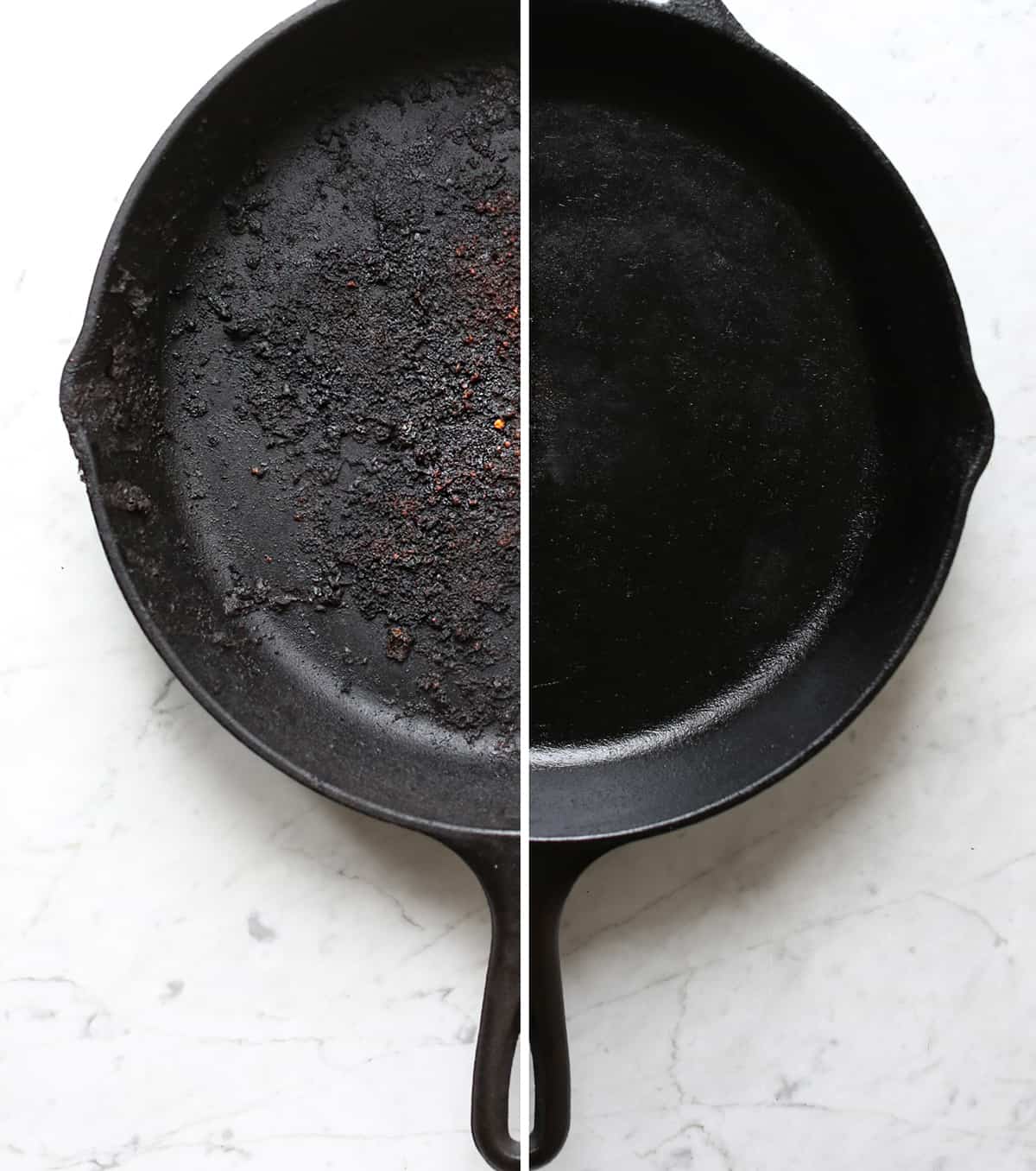
Credit: abeautifulmess.com
Seasoning Your Cookware
Seasoning your cast iron cookware is key to its long life and best cooking results. This process creates a smooth, non-stick layer on the pan’s surface. It helps protect the metal from rust and improves cooking performance. Proper seasoning makes cleaning easier and keeps food from sticking.
Why Seasoning Matters
Seasoning forms a protective coating on cast iron. It stops moisture from causing rust. The layer also fills tiny pores in the metal. This creates a smooth surface for cooking.
Without seasoning, food sticks and cleans up becomes tough. Seasoned pans heat evenly and hold heat well. A good seasoning layer improves taste and texture of your dishes.
Step-by-step Seasoning Process
Start by cleaning your pan with warm water and a brush. Do not use soap or harsh scrubbers. Dry the pan completely with a towel.
Apply a thin coat of vegetable oil or flaxseed oil. Use a cloth or paper towel to spread it evenly. Cover all surfaces inside and out.
Place the pan upside down in a preheated oven at 375°F (190°C). Put a foil sheet below to catch drips. Bake for one hour, then turn off the oven.
Let the pan cool inside the oven. Repeat this process 2-3 times for a strong seasoning layer.
Maintaining The Seasoning Layer
Clean your cast iron with hot water and a soft brush. Avoid soap and metal scrubbers as they remove seasoning. Dry the pan immediately after washing to stop rust.
After each use, apply a light coat of oil. Heat the pan on the stove to absorb the oil. This keeps the seasoning smooth and shiny.
Re-season your cookware if food starts sticking or rust appears. Regular care keeps your cast iron in great shape for years.
Cooking Tips
Cooking with cast iron cookware is simple and rewarding. It holds heat well and cooks food evenly. Using the right techniques improves your cooking results. Here are some tips to help you get the best from your cast iron.
Preheating Techniques
Always preheat your cast iron pan before adding food. Place it on low to medium heat for a few minutes. This prevents sticking and helps food cook evenly. Avoid using high heat right away. It can cause warping or damage the seasoning. Test the heat by sprinkling a few drops of water. If they dance and evaporate, your pan is ready.
Best Foods For Cast Iron
Cast iron works great for many foods. It is perfect for searing meats like steak and chicken. Vegetables also cook well, especially when roasted or sautéed. Use it for frying eggs or making pancakes too. Acidic foods like tomatoes or vinegar-based sauces can break down seasoning if cooked too long. Cook these foods for short times or in a well-seasoned pan.
Avoiding Common Mistakes
Never soak your cast iron in water. It can cause rust. Avoid using soap or harsh detergents that strip the seasoning. Clean with hot water and a brush instead. Dry the pan immediately after washing. Apply a thin layer of oil to keep the surface smooth. Do not store food inside the pan for a long time. It may affect the flavor and seasoning.
Cleaning Cast Iron
Cleaning cast iron cookware properly keeps it in good shape for many years. It helps keep the natural non-stick surface and prevents rust. A careful cleaning routine protects the seasoning and makes cooking easier each time.
Many people worry about damaging their cast iron during cleaning. The right methods are simple and gentle. Avoid harsh scrubbing or strong chemicals to keep your pan safe.
Safe Cleaning Methods
Wash your cast iron with warm water and a soft brush or sponge. Use a little mild dish soap only if needed. Dry the pan completely after washing. You can dry it on low heat on the stove.
Apply a thin layer of cooking oil after drying. This keeps the pan seasoned and stops rust. Clean your cast iron right after cooking for best results.
What To Avoid When Cleaning
Do not soak your cast iron in water. Avoid putting it in the dishwasher. Do not use steel wool or harsh scrubbers. These can strip the seasoning and cause rust.
Stay away from strong detergents or bleach. They damage the surface and remove the oil layer. Avoid letting food sit in the pan for a long time.
Dealing With Stubborn Residue
For stuck-on food, scrub gently with a paste of coarse salt and water. Use a soft brush to loosen the residue. Rinse with warm water and dry thoroughly.
If residue remains, heat the pan on the stove with a little water. Let it simmer for a few minutes to soften the food. Then scrub gently and clean as usual.
Storage And Maintenance
Proper storage and regular maintenance keep your cast iron cookware in top shape. These steps protect the pan and extend its life. A well-cared cast iron pan cooks better and lasts longer. Learn simple ways to dry, prevent rust, and care for your cookware.
Proper Drying Techniques
After washing, dry your cast iron immediately. Use a clean towel to remove all water. Heat the pan on low stove heat for a few minutes. This helps evaporate any leftover moisture. Avoid air drying, which can cause rust. Always ensure the pan is fully dry before storing.
Preventing Rust
Rust can ruin your cast iron quickly. Apply a thin layer of oil after drying. Use cooking oils like vegetable or flaxseed oil. Rub the oil inside and outside the pan. Store the pan in a dry place with good air flow. Avoid stacking pans without protection to stop moisture buildup.
Long-term Care Tips
Season your pan regularly to keep its surface smooth. Use it often to maintain the seasoning. Avoid cooking acidic foods for long periods. Re-season your pan if food starts sticking. Clean gently with a brush or soft sponge. Never use harsh detergents or metal scrubbers.
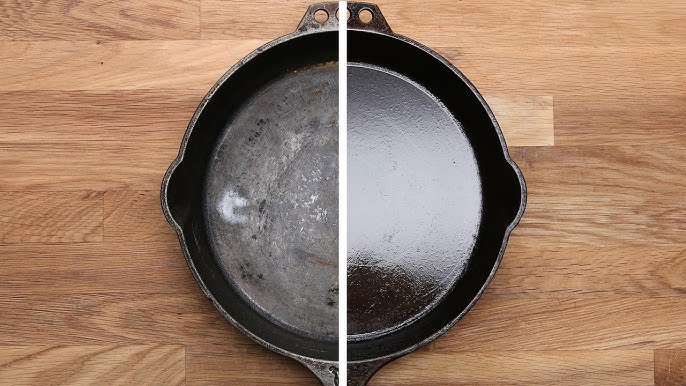
Credit: www.youtube.com
Repairing And Restoring
Cast iron cookware lasts a long time with good care. Sometimes, it needs fixing and restoring to keep cooking well. Small problems like rust, worn seasoning, or minor damage can be repaired at home. This saves money and keeps your pan strong.
Removing Rust
Rust can form if cast iron gets wet or stored poorly. Use a steel wool pad to scrub the rust off. Rinse the pan with warm water and dry it fully. Avoid soaking the pan in water. After rust removal, the pan needs to be re-seasoned to protect the surface.
Re-seasoning Tips
Seasoning builds a non-stick layer on cast iron. Start by cleaning the pan with soap and water. Dry it completely. Apply a thin layer of cooking oil all over the pan. Place it upside down in an oven set to 350°F (175°C). Bake for one hour, then let it cool. Repeat if needed for a stronger coat.
Fixing Cracks And Chips
Small chips do not affect cooking much but large cracks can be a problem. For tiny cracks, seasoning may help seal them slightly. Avoid using cracked pans for high heat or liquids. Deep cracks usually need professional repair or replacement. Handle cast iron carefully to prevent new damage.
Cast Iron Myths And Facts
Cast iron cookware often carries many myths and facts. These ideas shape how people use and care for it. Knowing the truth helps you enjoy your cast iron better. This section clears up common misunderstandings. It also explains health benefits and environmental impact.
Common Misconceptions
Many think cast iron is hard to clean. Actually, it needs simple care and no soap. Some believe it rusts easily. Proper seasoning stops rust from forming. Others say it is too heavy. The weight helps cook food evenly. Cast iron does not cause food to stick if seasoned well. Avoid soaking or leaving it wet. Use a brush or scraper after cooking.
Health Benefits
Cast iron adds iron to your food. This helps prevent iron deficiency. It is a natural way to boost iron intake. Cooking acidic foods, like tomatoes, increases iron release. Cast iron has no harmful chemicals. It does not leach toxins into food. The cookware supports healthy eating habits.
Environmental Impact
Cast iron lasts for decades or more. It reduces the need for new cookware. This lowers waste and pollution. Cast iron can be recycled easily. It uses less energy to produce than some metals. Choosing cast iron helps the planet. It is a sustainable choice for kitchens.
:max_bytes(150000):strip_icc()/__opt__aboutcom__coeus__resources__content_migration__serious_eats__seriouseats.com__images__2016__09__20160817-cast-iron-pan-vicky-wasik-1-2-5ca3f25cf17a4a6aa97f4a8c878c63b3.jpg)
Credit: www.seriouseats.com
Enhancing Cooking Experience
Cast iron cookware brings a unique charm to cooking. It heats evenly and keeps food warm for longer. You can enhance your cooking experience by using the right tools and techniques. These tips help you get the best from your cast iron pans.
Using Accessories
Accessories make cooking easier and safer. Use silicone handles or pot holders to protect your hands. A cast iron scraper helps clean without damaging the surface. A lid keeps moisture in and improves cooking results. A trivet protects your table from hot pans. These tools keep your cooking smooth and enjoyable.
Combining With Other Cookware
Cast iron works well with other cookware types. Use it for searing, then finish cooking in an oven-safe dish. Combine cast iron with stainless steel or non-stick pans for different tasks. This mix helps cook meals faster and with better texture. Each cookware has strengths; use them together for best results.
Recipe Ideas For Cast Iron
Try simple recipes that highlight cast iron’s power. Sear steaks for a crispy crust. Bake cornbread with a golden edge. Roast vegetables to bring out their sweetness. Make one-pan meals like skillet lasagna or frittatas. Cast iron enhances flavors and makes dishes delicious.
Frequently Asked Questions
How Do I Season Cast Iron Cookware Properly?
To season cast iron, coat it with a thin layer of oil. Bake upside down at 375°F for one hour. This process creates a non-stick surface and prevents rust. Repeat seasoning regularly to maintain the cookware’s effectiveness and durability.
Can I Wash Cast Iron With Soap?
Avoid using soap on cast iron as it removes seasoning. Instead, clean with hot water and a stiff brush. For stubborn food, use coarse salt as a scrub. Dry immediately and apply oil to keep it rust-free.
How Do I Prevent Rust On Cast Iron Pans?
Always dry cast iron thoroughly after washing. Apply a thin layer of oil before storing. Store in a dry place to avoid moisture buildup. Regular seasoning also helps protect against rust and prolongs the pan’s lifespan.
Is Cast Iron Cookware Safe For All Stovetops?
Yes, cast iron works well on gas, electric, and induction stovetops. It distributes heat evenly, enhancing cooking results. However, avoid sudden temperature changes to prevent cracking. Handle with care due to its heavy weight.
Conclusion
Cast iron cookware lasts for many years with proper care. Clean it gently with warm water and a soft brush. Dry it well to stop rust from forming. Season the pan regularly to keep its surface smooth and non-stick. Avoid harsh soaps or soaking it in water too long.
Cook with medium heat to protect the pan’s coating. Enjoy delicious meals cooked evenly every time. Cast iron becomes better with use and care. A little effort helps you get the best from your cookware. Simple steps make a big difference.
Keep your cast iron strong and ready for any recipe.

Hello, This is Annie Walker, a 38-year-old blogger, founder, and editor of Cookware Guider from NY, USA. I am a cookware fanatic and passionate cooker. I love to cook with different types of cooking appliances (example: all types of cookware, rice cookers, slow cookers, etc) almost every day in my kitchen. I love to share my experience with my readers in my blog. Also, I enjoy helping people to solve their problems through my website. You can follow me on Twitter & Pinterest. To know details about my blog please check the about us page.