
If you’ve ever cooked with stainless steel cookware, you know it can make a huge difference in your kitchen. But are you really getting the most out of your pots and pans?
Knowing how to use and care for stainless steel cookware can save you money, improve your cooking, and keep your kitchen looking sharp. You’ll discover simple tips to unlock the full potential of your cookware and keep it shining like new for years.
Ready to become a stainless steel pro? Let’s dive in!

Credit: notacook.com
Choosing Stainless Steel Cookware
Choosing the right stainless steel cookware makes cooking easier and more enjoyable. Good cookware lasts many years. It heats evenly and cleans up quickly. Focus on quality and features before buying.
Types Of Stainless Steel
Stainless steel cookware comes in different grades. The most common is 18/10 stainless steel. This means 18% chromium and 10% nickel. It resists rust and stains well. Another type is 18/8, which has slightly less nickel. Both are safe for cooking and durable. Some pans have an aluminum or copper core. This helps spread heat evenly and prevents hot spots.
Gauge And Thickness
Gauge shows how thick the metal is. A lower gauge means thicker metal. Thick pans heat better and last longer. Thin pans can warp or heat unevenly. Choose pans with a heavy bottom for stability. Look for cookware that feels solid but not too heavy. Thick cookware holds heat well and cooks food evenly.
Handles And Lids
Strong handles make cooking safer and easier. Look for riveted handles that will not loosen. Some handles stay cool on the stove, which is safer. Lids should fit tightly to keep heat and moisture inside. Glass lids let you watch food without lifting the lid. Choose lids made of stainless steel or tempered glass for durability.
Credit: americankitchen.com
Preparing For First Use
Preparing stainless steel cookware for the first use is important. It helps remove any dust, oils, or residues from the factory. Proper preparation also protects the surface and improves cooking results. Follow simple steps to get your cookware ready.
Cleaning Before Cooking
Start by washing your new cookware with warm water and mild dish soap. Use a soft sponge or cloth to clean all surfaces. Avoid harsh scrubbers that can scratch the steel. Rinse thoroughly to remove all soap. Dry with a soft towel to prevent water spots.
Seasoning Tips
Seasoning stainless steel is optional but helpful. It creates a thin layer that reduces food sticking. Heat the pan on medium heat for a few minutes. Add a small amount of cooking oil and spread it evenly. Let the oil heat until it starts to smoke lightly. Turn off the heat and wipe out excess oil with a paper towel. Your pan is ready for cooking.
Cooking Techniques
Cooking with stainless steel cookware offers great results and durability. To get the best from your pots and pans, use the right cooking techniques. Proper methods help with heat control, food release, and flavor.
Learning how to manage heat and prevent food from sticking makes cooking easier. Also, some foods work better in stainless steel than others. Let’s explore key tips for cooking with this versatile cookware.
Heat Settings To Use
Start cooking on medium heat for most dishes. Stainless steel heats quickly and holds heat well. High heat can cause food to burn or stick. Use low heat for delicate sauces and melting butter. Adjust heat as needed to avoid overheating.
Preventing Food Sticking
Heat the pan before adding oil or food. Wait until the oil shimmers to add ingredients. This creates a natural non-stick surface. Avoid moving food too soon; let it form a crust. Use enough oil or butter to cover the cooking surface.
Best Foods For Stainless Steel
Stainless steel works well for searing meats and sautéing vegetables. It is perfect for frying eggs and making sauces. Avoid cooking acidic foods for long times to prevent damage. Use it for boiling pasta or making soups too.
Credit: www.thekitchn.com
Cleaning Stainless Steel Cookware
Cleaning stainless steel cookware keeps it shiny and safe to use. Proper care stops food from sticking and prevents stains. A good cleaning routine helps your pans last longer and look great.
Everyday Cleaning Methods
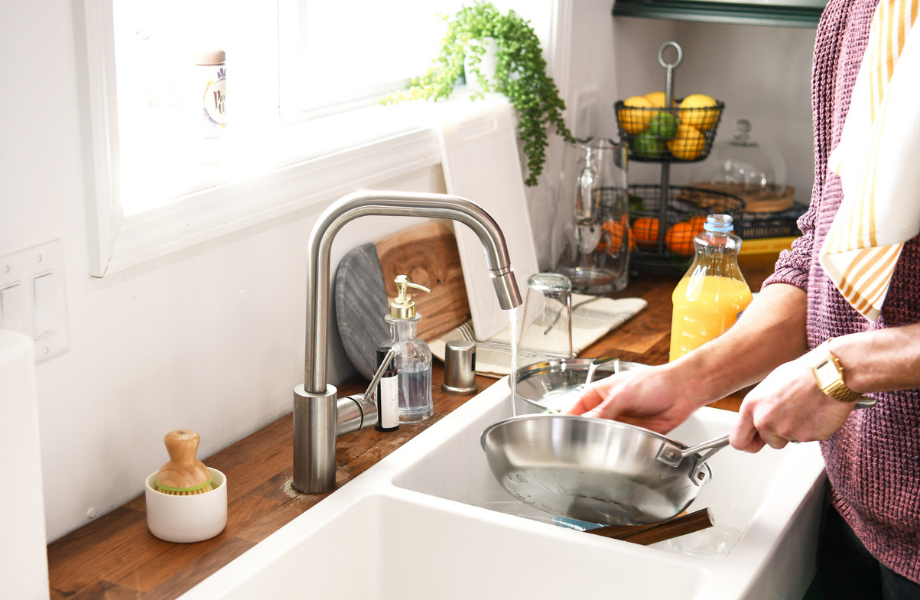
Wash your cookware with warm water and mild soap. Use a soft sponge or cloth to avoid scratches. Rinse well to remove all soap. Dry the cookware with a clean towel to stop water spots.
Removing Stubborn Stains
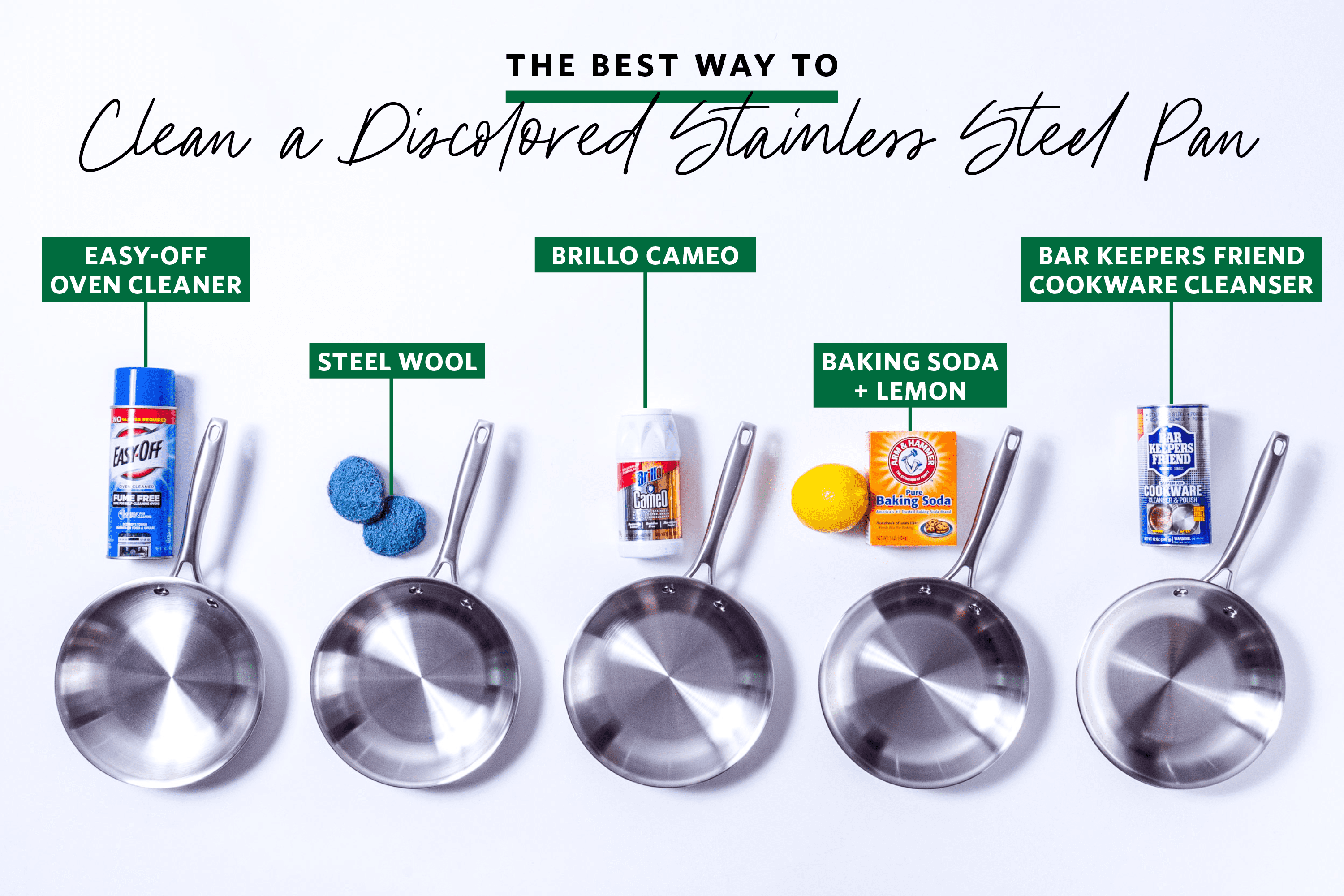
For tough stains, make a paste with baking soda and water. Rub the paste gently on the stain using a soft cloth. Let it sit for a few minutes, then rinse off. White vinegar can also help remove discoloration and marks.
Avoiding Damage
Do not use steel wool or harsh scrubbers on stainless steel. Avoid bleach and strong chemicals that can ruin the surface. Always cool the cookware before washing to prevent warping. Store pots and pans carefully to avoid scratches.
Maintenance And Storage
Proper maintenance and storage keep stainless steel cookware in top condition. Clean and store the cookware carefully to avoid damage. This helps the cookware last longer and look new.
Polishing Tips
Use a soft cloth with a small amount of stainless steel cleaner. Rub gently in the direction of the grain. Avoid abrasive pads or harsh chemicals. These can scratch or dull the surface. For a natural polish, mix baking soda with water. Apply the paste with a soft cloth and rinse well. Dry the cookware immediately to prevent water spots.
Proper Storage Practices
Store cookware in a dry place to prevent rust and stains. Avoid stacking pots and pans directly on each other. Use a soft cloth or paper towel between items to protect the surface. Hang pans by their handles if possible. This saves space and reduces scratches. Make sure cookware is completely dry before storing to avoid moisture buildup.
Troubleshooting Common Issues
Stainless steel cookware is strong but can face some common problems. These issues may affect cooking and the look of your pans. Knowing how to fix these problems helps keep your cookware in good shape for years.
Dealing With Discoloration
Discoloration happens from heat or minerals in water. It shows as rainbow-like or dark spots on your pan. Use a mix of water and white vinegar to clean these stains. Boil the solution in the pan for a few minutes. Then, rinse and dry well. This method restores the shine without damage.
Fixing Warped Pans
Warping happens when pans get too hot or cool too fast. Flat pans cook food evenly, so warping is a problem. To fix slight warps, heat the pan on low for a few minutes. Place a heavy, flat object on it while it cools. Avoid sudden temperature changes to prevent warps.
Handling Scratches
Scratches can make your pan look old and may trap food. Use a soft sponge with baking soda paste to gently scrub scratches. Avoid steel wool or sharp tools that can worsen damage. Regular cleaning with mild soap keeps scratches minimal and your pans smooth.
Benefits Of Stainless Steel Cookware
Stainless steel cookware offers many benefits that make it a favorite in kitchens worldwide. This type of cookware combines strength, safety, and flexibility. It suits both beginners and expert cooks. Understanding these benefits helps you choose and care for your pots and pans better.
Durability And Longevity
Stainless steel is very strong. It does not chip, crack, or warp easily. This makes the cookware last for many years. It can handle high heat without damage. Scratches and dents are rare. This toughness means less need to replace your pans often. It saves money in the long run.
Health And Safety
Stainless steel does not react with food. It keeps food taste pure and fresh. No chemicals or toxins leak into meals. The surface is easy to clean and resists bacteria. It does not rust or corrode. This ensures safe and healthy cooking every time. Ideal for families and health-conscious cooks.
Versatility In Cooking
These pans work well on many heat sources. They suit gas, electric, and induction stoves. You can bake, boil, fry, or sauté easily. Stainless steel holds and spreads heat evenly. This helps cook food thoroughly without burning. It adapts to different recipes and cooking styles. Perfect for diverse kitchen needs.
Frequently Asked Questions
How Do I Properly Clean Stainless Steel Cookware?
Clean stainless steel cookware with warm, soapy water after use. Avoid abrasive cleaners to prevent scratches. For tough stains, use a paste of baking soda and water. Rinse thoroughly and dry immediately to maintain shine and prevent water spots.
Can Stainless Steel Cookware Go In The Dishwasher?
Most stainless steel cookware is dishwasher safe. However, hand washing is recommended to preserve the finish. Harsh dishwasher detergents may dull the surface over time. Always check the manufacturer’s instructions to ensure dishwasher compatibility.
How Do I Prevent Food From Sticking To Stainless Steel Pans?
Preheat the pan before adding oil to create a non-stick surface. Use moderate heat and allow the oil to shimmer. Avoid overcrowding the pan, which causes steaming and sticking. Proper heating is key to easy food release.
Is Stainless Steel Cookware Safe For Cooking Acidic Foods?
Yes, stainless steel cookware is safe for acidic foods like tomatoes and citrus. It does not react or leach harmful chemicals. This makes it ideal for cooking a wide variety of dishes without flavor alteration.
Conclusion
Stainless steel cookware lasts long with simple care steps. Clean pans after each use with warm water and mild soap. Avoid using steel wool to keep the surface smooth. Use medium heat to prevent food from sticking or burning. Store cookware in a dry place to stop rust and stains.
Following these tips keeps your cookware shiny and ready for cooking. Enjoy healthy meals with cookware that stays strong and beautiful. Small efforts protect your investment and improve your kitchen experience.

Hello, This is Annie Walker, a 38-year-old blogger, founder, and editor of Cookware Guider from NY, USA. I am a cookware fanatic and passionate cooker. I love to cook with different types of cooking appliances (example: all types of cookware, rice cookers, slow cookers, etc) almost every day in my kitchen. I love to share my experience with my readers in my blog. Also, I enjoy helping people to solve their problems through my website. You can follow me on Twitter & Pinterest. To know details about my blog please check the about us page.