
If you’ve ever wondered how to get the most out of your enamel cast iron cookware, you’re in the right place. This type of cookware can transform your cooking, making meals tastier and cleanup easier.
But to unlock its full potential, you need to know the right way to use and care for it. You’ll discover simple tips and tricks that will help you cook like a pro while protecting your investment. Ready to make your enamel cast iron cookware your kitchen’s best friend?
Keep reading—you won’t want to miss these game-changing tips.

Credit: www.tramontina.com
Choosing The Right Enamel Cast Iron
Choosing the right enamel cast iron cookware is key for great cooking results. The right piece fits your needs and kitchen style. Consider size, shape, color, and brand before buying. This helps you cook better and enjoy your cookware longer.
Different Sizes And Shapes
Enamel cast iron comes in many sizes and shapes. Small skillets are good for frying eggs or making sauces. Large Dutch ovens work well for soups and stews. Oval shapes fit roasts and poultry better. Choose the size that matches your usual cooking.
Colors And Finishes
Colors range from bright red to soft pastels. Pick a color that matches your kitchen decor or mood. The enamel finish protects the iron from rust and stains. Glossy finishes look shiny but can show scratches easier. Matte finishes hide marks but need careful cleaning.
Brands To Consider
Some brands offer high quality enamel cast iron. They often provide good heat distribution and durable enamel. Compare brands based on reviews and warranty. Trusted brands may cost more but last longer. Choose a brand with good customer support and easy replacements.

Credit: www.lodgecastiron.com
Seasoning And Initial Care
Enamel cast iron cookware is popular for its durability and easy maintenance. Proper seasoning and care help keep your cookware in top shape. This section covers essential steps to prepare and protect your enamel cast iron.
Cleaning Before First Use
Wash your enamel cast iron with warm water and mild soap. Use a soft sponge to avoid scratching the surface. Rinse well and dry completely before cooking. This removes dust and factory residues for safe use.
Avoiding The Need For Seasoning
Enamel cast iron does not need traditional seasoning like bare cast iron. Its coated surface prevents food from sticking naturally. Avoid cooking acidic foods for long periods to protect the enamel. Use low to medium heat for best results.
Preventing Rust
Rust rarely forms on enamel, but the exposed cast iron rim can rust. Dry your cookware fully after washing. Apply a thin layer of oil on the rim to protect it. Store in a dry place with the lid off to allow air flow.
Cooking Techniques
Enamel cast iron cookware offers many ways to cook delicious meals. It holds heat well and cooks food evenly. Using the right cooking techniques helps protect your cookware and improves your dishes. Simple steps make a big difference in how your food turns out.
Below are some tips on how to use enamel cast iron for best results.
Preheating Tips
Always preheat your enamel cast iron slowly. Start on low heat and raise it to medium. This prevents damage to the enamel coating. Avoid heating an empty pan for a long time. Use a little oil or butter to help food cook evenly.
Using Low To Medium Heat
Cook on low to medium heat to protect the enamel surface. High heat can cause food to stick or burn. It also wears out the enamel faster. Patience brings better flavors and keeps your pan in good shape longer.
Avoiding Thermal Shock
Thermal shock happens when the hot pan meets cold water. This can crack the enamel. Let the pan cool before washing. Never put a hot pan in cold water. Use warm water and gentle cleaning tools instead.
Best Foods To Cook
Enamel cast iron is great for soups, stews, and braises. It keeps heat steady for slow cooking. Use it for roasting vegetables or baking bread too. Avoid cooking very acidic food for long times. This can damage the enamel finish.
Cleaning And Maintenance
Cleaning and maintaining enamel cast iron cookware keeps it looking great and working well. Proper care prevents damage and extends the life of your pots and pans. Follow these tips for easy cleaning and smart storage.
Safe Cleaning Methods
Wash your enamel cookware with warm water and mild soap. Use a soft sponge or cloth to avoid scratching the surface. Rinse thoroughly and dry immediately with a towel. Avoid metal scrubbers or harsh cleaners that can damage the enamel.
Dealing With Stubborn Stains
For tough stains, fill the cookware with warm water and a little baking soda. Let it soak for a few hours or overnight. Gently scrub the stains with a soft brush or sponge. Repeat if needed, but avoid abrasive tools that harm the enamel.
Avoiding Dishwasher Damage
Do not put enamel cast iron in the dishwasher. The strong detergents and high heat can cause chipping and dullness. Hand wash your cookware to keep the enamel smooth and bright. This method helps maintain its shine and prevents damage.
Storing Your Cookware
Store enamel cast iron in a dry place to avoid rust on exposed metal edges. Use a soft cloth or paper towel between stacked pans to protect the enamel. Keep lids slightly ajar to allow air circulation and prevent moisture buildup inside.
Common Mistakes To Avoid
Enamel cast iron cookware is durable and beautiful. It cooks food evenly and holds heat well. Still, many users make common mistakes that damage their pots and pans. Avoiding these errors can keep your cookware in great shape for years.
Using Metal Utensils
Metal utensils can scratch the enamel surface. Scratches may cause chips and expose the cast iron underneath. Use wooden, silicone, or nylon tools instead. These materials protect the enamel and keep it smooth.
Overheating Empty Cookware
Heating an empty enamel pan can cause cracks. The enamel can expand and break under high heat. Always add oil or food before heating. Start with low or medium heat to protect the cookware.
Ignoring Manufacturer Instructions
Every brand has specific care tips. Ignoring these can reduce the cookware’s lifespan. Read the manual carefully before first use. Follow cleaning and heating guidelines to avoid damage.
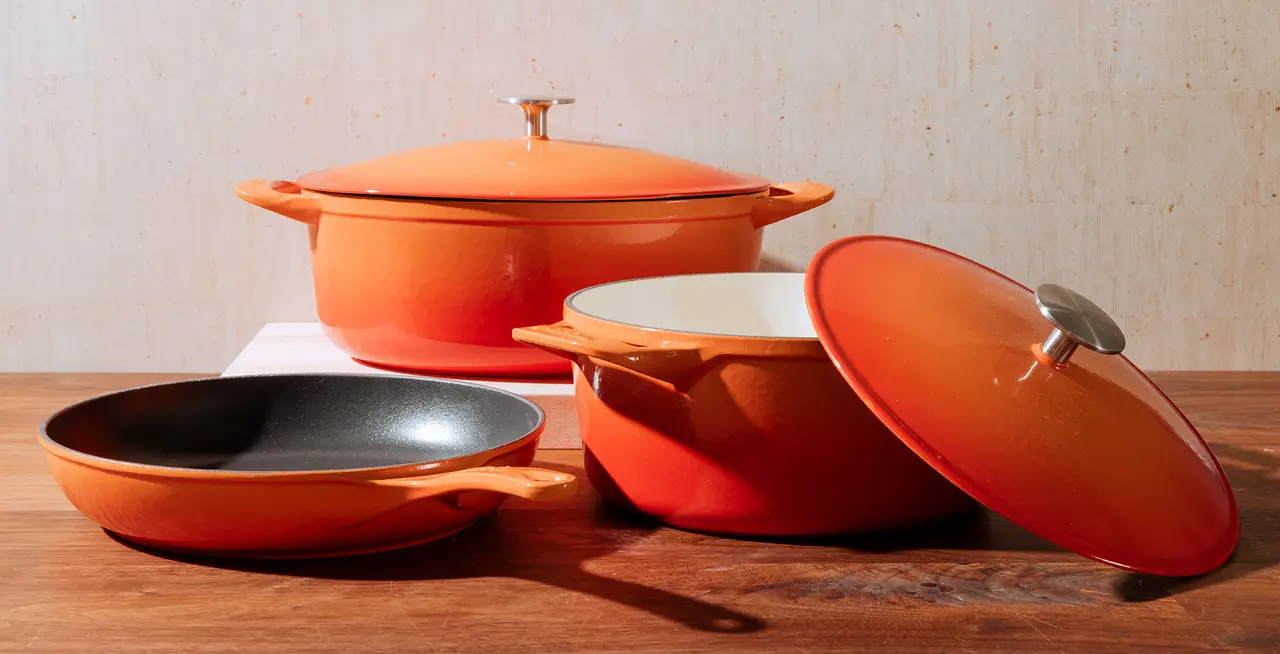
Credit: madeincookware.com
Troubleshooting Tips
Enamel cast iron cookware is durable but may face common issues. Stains, chips, and odors can affect its look and smell. Simple fixes keep your cookware in great shape. Below are helpful tips to solve these problems easily.
Removing Stains And Discoloration
Stains often come from burnt food or minerals in water. Use a paste of baking soda and water. Rub gently on the stain with a soft cloth. Let it sit for a few minutes. Rinse with warm water and dry well. For tough stains, soak the cookware in warm water and a little vinegar for 10 minutes. Avoid harsh scrubbing to protect the enamel surface.
Fixing Chipped Enamel
Chips can happen from drops or rough handling. Small chips do not affect cooking but may rust if exposed. Use enamel repair kits to fill tiny chips. Clean the area well before applying the repair. Follow the kit instructions carefully. Avoid metal utensils to prevent more chipping. Handle the cookware gently to extend its life.
Handling Odors
Odors stick to enamel if food is left inside too long. Wash the cookware with warm soapy water right after use. For persistent smells, fill the pot with water and add lemon slices. Boil for a few minutes, then rinse and dry. Baking soda also helps remove odors. Sprinkle it inside, let sit for a while, then wash normally. Proper cleaning stops smells from returning.
Benefits Of Enamel Cast Iron
Enamel cast iron cookware offers many benefits that make it a favorite in kitchens. It combines strength, beauty, and cooking performance. This cookware type fits both everyday use and special meals.
Durability And Heat Retention
Enamel cast iron is very strong and lasts for years. The enamel coating protects it from rust and scratches. It holds heat well, so food cooks evenly. This quality helps keep meals warm longer.
Versatility In Cooking
This cookware works on many heat sources like gas, electric, and induction. It can bake, fry, sauté, or slow cook. The non-stick enamel surface makes cleaning easy. It also does not react with acidic foods.
Aesthetic Appeal
Enamel cast iron comes in many colors and shiny finishes. It adds charm to any kitchen. You can serve food directly from the pot or pan. Its bright look makes cooking more enjoyable.
Frequently Asked Questions
How Do I Properly Season Enamel Cast Iron Cookware?
Enamel cast iron cookware does not require seasoning. The enamel coating protects the iron and prevents rust. Simply clean with warm, soapy water before first use. Avoid abrasive scrubbers to maintain the enamel surface.
Can I Use Metal Utensils With Enamel Cast Iron?
It is best to use wooden, silicone, or plastic utensils. Metal utensils can scratch and damage the enamel coating. Scratches may cause chipping over time and reduce cookware lifespan.
Is Enamel Cast Iron Safe For High Heat Cooking?
Enamel cast iron is safe for moderate to high heat cooking. Avoid extremely high temperatures to prevent enamel cracking. Always preheat cookware gradually for even heat distribution and to protect the enamel.
How Do I Clean Enamel Cast Iron Cookware Effectively?
Clean enamel cast iron with warm, soapy water and a soft sponge. Avoid harsh abrasives or steel wool to protect the enamel. For tough stains, soak in warm water before washing gently.
Conclusion
Enamel cast iron cookware offers great cooking benefits. It heats evenly and cleans up easily. Avoid sudden temperature changes to protect the enamel coating. Use wooden or silicone tools to prevent scratches. Hand wash with mild soap to keep it in good shape.
With proper care, this cookware lasts for years. Enjoy delicious meals cooked with confidence and ease. Simple steps make your cooking experience better every day. Try it and see the difference yourself.

Hello, This is Annie Walker, a 38-year-old blogger, founder, and editor of Cookware Guider from NY, USA. I am a cookware fanatic and passionate cooker. I love to cook with different types of cooking appliances (example: all types of cookware, rice cookers, slow cookers, etc) almost every day in my kitchen. I love to share my experience with my readers in my blog. Also, I enjoy helping people to solve their problems through my website. You can follow me on Twitter & Pinterest. To know details about my blog please check the about us page.