
Are you ready to unlock the full potential of your stainless cookware? Whether you’re a beginner or looking to improve your cooking skills, using stainless steel pots and pans the right way can make a huge difference.
Imagine cooking meals that taste better, clean up easily, and last for years. In this guide, you’ll discover simple tips and tricks that will help you get the most from your stainless cookware every time you step into the kitchen.
Keep reading, and watch your cooking transform!
Choosing The Right Stainless Cookware
Choosing the right stainless cookware makes a big difference in cooking. It affects how your food cooks and how long your pots and pans last. Knowing what type of stainless steel to pick, the right size and shape, and checking quality can help you buy the best cookware for your kitchen.
Types Of Stainless Steel
Stainless steel cookware comes in different grades. The most common types are 18/8 and 18/10. These numbers show the amount of chromium and nickel in the steel. More chromium means better rust resistance. Nickel makes the steel shinier and stronger. Look for cookware made with 18/10 stainless steel for good durability and shine.
Size And Shape Options
Cookware comes in many sizes and shapes. Small pots are good for sauces and small meals. Large pots work well for soups and stews. Flat pans are great for frying and sautéing. Deeper pans hold more food and liquids. Choose sizes and shapes based on what you cook most often. A set with varied sizes gives more cooking options.
Evaluating Quality And Brand
High-quality stainless cookware lasts longer and cooks better. Check for thick bases and sturdy handles. Thick bases help spread heat evenly and prevent hot spots. Handles should be firmly attached and easy to hold. Trusted brands often offer better quality and warranties. Read reviews and compare before buying to ensure value for money.
Credit: americankitchen.com
Preparing Stainless Cookware For First Use
Preparing stainless cookware for first use is a simple but important step. It helps remove factory residues and ensures better cooking results. Taking time to prepare your cookware can extend its life and keep it looking good.
Start by cleaning the cookware thoroughly. This removes any oils or dirt from manufacturing. After cleaning, seasoning the cookware can improve its non-stick properties. These steps make cooking easier and cleaning faster.
Cleaning Techniques
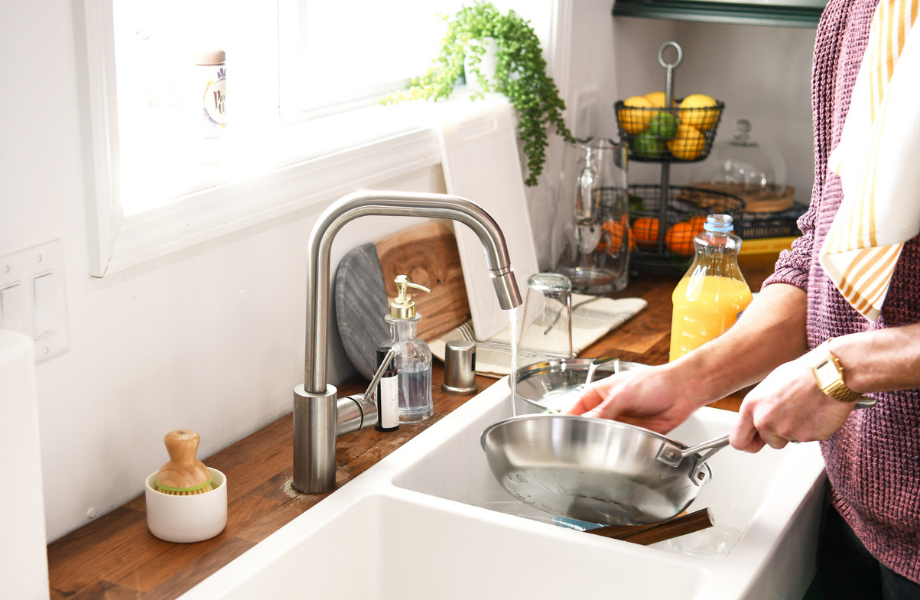
Wash stainless cookware with warm water and mild dish soap. Use a soft sponge or cloth to avoid scratches. Rinse well to remove all soap. Dry the cookware with a clean towel right away. Never use steel wool or harsh cleaners. These can damage the surface and cause rust.
Seasoning Tips
Heat the cookware on low to medium heat. Add a small amount of cooking oil with a high smoke point, like vegetable oil. Spread the oil evenly inside the pan. Let it heat for a few minutes, then wipe out any excess oil with a paper towel. This creates a thin protective layer. Seasoning helps reduce food sticking and makes cleanup easier.
Cooking Techniques With Stainless Cookware
Stainless steel cookware is popular for its durability and even heating. Cooking with it needs some special techniques for the best results. Using the right methods helps food cook evenly and prevents sticking. Follow simple steps to get the most from your stainless pots and pans.
Preheating Tips
Preheat your stainless steel pan before adding oil or food. Heat the pan on medium for about two minutes. You can test the heat by sprinkling a few drops of water. If the drops dance or evaporate quickly, the pan is ready. Proper preheating creates a natural non-stick surface. This step improves cooking and helps food release easily.
Using The Right Heat Levels
Use medium to medium-high heat for most cooking tasks. Stainless steel holds heat well, so high heat can burn food. Start with medium heat and adjust as needed. Lower heat works well for simmering and slow cooking. Avoid using very high heat without food in the pan. It can damage the cookware and affect food taste.
Avoiding Food Sticking
Food sticks less when the pan and oil are properly heated. Add oil after preheating the pan. Let the oil heat until it shimmers before adding food. Avoid moving food too soon; wait until it naturally releases. Use a spatula to gently lift food edges. Clean the pan well after each use to keep the surface smooth.

Credit: food52.com
Maintenance And Cleaning Tips
Stainless steel cookware lasts longer with proper care. Clean and maintain it regularly for best results. Simple steps keep your pots and pans looking new and working well.
Daily Cleaning Methods
Wash cookware with warm water and mild soap after each use. Use a soft sponge or cloth to avoid scratches. Rinse thoroughly and dry with a clean towel. Avoid soaking for long periods to prevent water spots. Regular cleaning stops food buildup and keeps surfaces shiny.
Removing Stains And Discoloration
Use baking soda and water to form a paste for stains. Apply the paste and gently scrub with a soft cloth. For tough discoloration, boil a mixture of water and vinegar in the pan. Let it cool, then wash as usual. Avoid bleach or harsh chemicals that can damage the steel.
Preventing Damage
Do not use metal utensils that can scratch the surface. Use low to medium heat to avoid warping. Avoid sudden temperature changes, like placing hot cookware in cold water. Store cookware properly, stacking with care or using protective liners. These steps keep cookware safe and extend its life.
Troubleshooting Common Issues
Stainless steel cookware is durable but can face common problems. Knowing how to solve these issues keeps your pots and pans in good shape. This section helps you fix typical troubles with ease.
Dealing With Stuck Food
Food can stick to stainless steel pans if the heat is too high or the pan is not hot enough. To prevent this, heat the pan first, then add oil before food. If food still sticks, soak the pan in warm water with soap. Use a soft scrubber to remove stuck bits. Avoid metal scrubbers as they can damage the surface.
Handling Warping And Scratches
Warping happens when cookware heats unevenly or cools too fast. Avoid sudden temperature changes like rinsing a hot pan with cold water. Scratches appear from using metal tools or harsh cleaners. Use wooden or silicone utensils to protect the surface. For light scratches, polish with a paste of baking soda and water. This keeps your cookware smooth and looking new.
Enhancing Cooking Results
Enhancing cooking results with stainless cookware is easy. Small changes in how you use it can make food taste better. Cooking with the right methods brings out flavors and keeps food healthy. Stainless steel works well with many cooking techniques. Knowing how to use oils and fats, and combining tools, makes a big difference.
Using Oils And Fats Effectively
Oils help prevent food from sticking to stainless cookware. Heat the pan first, then add oil. This creates a smooth cooking surface. Use oils with a high smoke point like canola or avocado. Avoid adding too much oil; a thin layer is enough. Fats like butter add flavor but burn quickly. Add butter near the end for a rich taste. Proper use of oils and fats gives food a nice texture and color.
Combining Stainless Cookware With Other Tools
Stainless cookware works well with other kitchen tools. Use wooden or silicone utensils to protect the surface. Avoid metal tools that scratch the pan. Combine stainless pots with lids to keep moisture in. Use strainers or colanders to drain food easily. Mixing tools helps cook food evenly and clean up faster. This teamwork improves your cooking experience and results.

Credit: www.t-fal.com
Frequently Asked Questions
How Do I Properly Season Stainless Cookware?
Season stainless cookware by heating a thin layer of oil until it smokes. Let it cool, then wipe off excess oil. This creates a natural non-stick surface and helps prevent food from sticking during cooking.
Can Stainless Cookware Be Used On Induction Stoves?
Yes, stainless cookware works well on induction stoves if it has a magnetic base. To check, use a magnet on the bottom. If it sticks, the cookware is compatible with induction cooktops.
How Do I Clean Burnt Food Off Stainless Cookware?
Soak the cookware in warm, soapy water for 15-30 minutes. Use a non-abrasive sponge or a paste of baking soda and water to scrub gently. Avoid harsh steel wool to preserve the surface.
Is Stainless Cookware Safe For Acidic Foods?
Yes, stainless steel is non-reactive and safe for cooking acidic foods like tomatoes and citrus. It won’t leach harmful chemicals or alter food flavor, making it ideal for diverse recipes.
Conclusion
Stainless cookware offers many benefits for your kitchen. It cooks food evenly and cleans up easily. Using it properly keeps it shining for years. Avoid overheating and use the right utensils. Regular cleaning stops stains and spots from forming. With simple care, stainless cookware stays reliable and safe.
Enjoy cooking with tools that last and look great. Choose stainless cookware for a practical, long-lasting kitchen option.

Hello, This is Annie Walker, a 38-year-old blogger, founder, and editor of Cookware Guider from NY, USA. I am a cookware fanatic and passionate cooker. I love to cook with different types of cooking appliances (example: all types of cookware, rice cookers, slow cookers, etc) almost every day in my kitchen. I love to share my experience with my readers in my blog. Also, I enjoy helping people to solve their problems through my website. You can follow me on Twitter & Pinterest. To know details about my blog please check the about us page.