
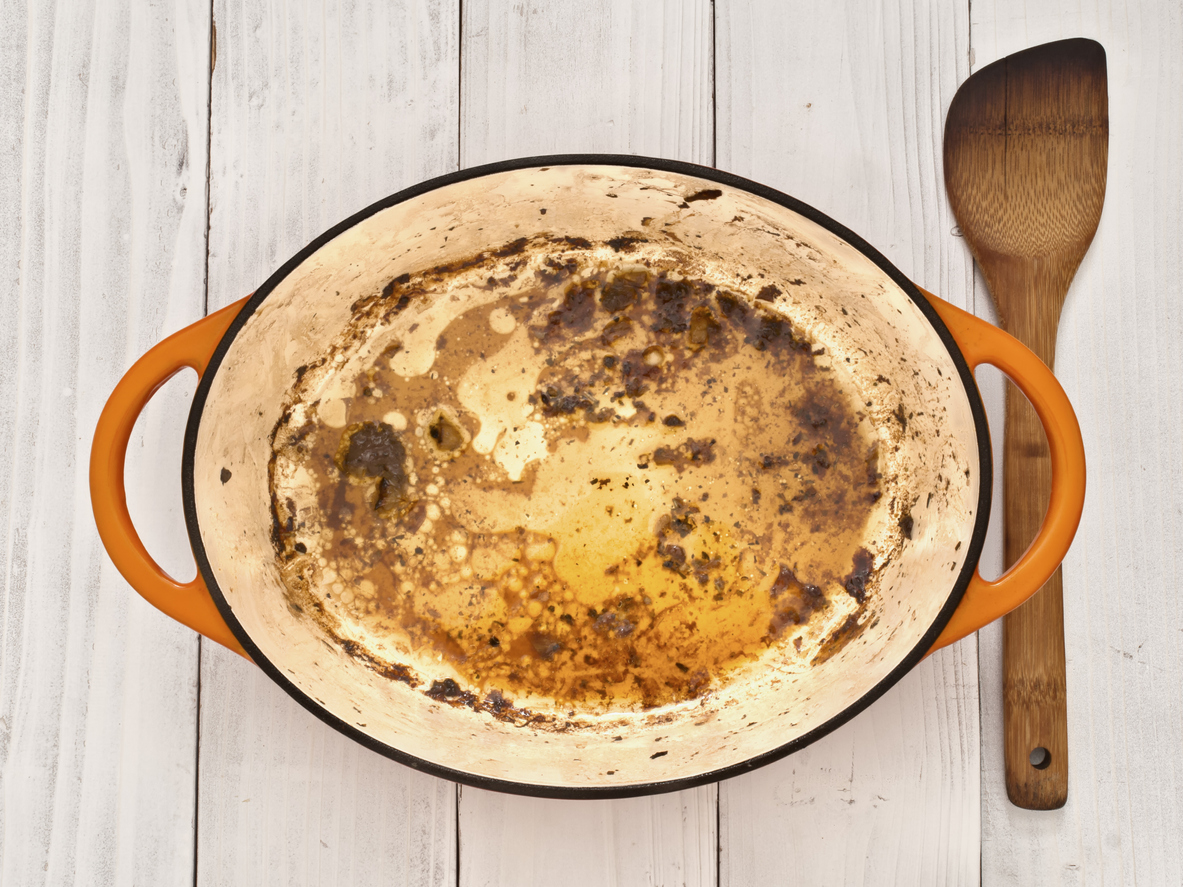
Have you noticed your beautiful enamel cookware looking dull and discolored? It’s frustrating when your favorite pots and pans lose their shine and start to look worn out.
But don’t worry—you don’t have to replace them or live with those stubborn stains. You can bring back that bright, clean look with a few simple steps. Keep reading, and you’ll discover easy, effective ways to clean your discolored enamel cookware and make it look almost new again.
Your kitchen deserves it, and so do you.
Credit: www.bobvila.com
Causes Of Enamel Discoloration
Enamel cookware looks beautiful but can lose its shine over time. Discoloration happens for several reasons. Knowing the causes helps to clean and care for your enamel pots and pans better. Here are the main reasons enamel gets discolored.
Heat Damage
High heat can harm enamel surfaces. Cooking on very high flames can cause dark spots. Repeated heating and cooling also stress the enamel. This can create cracks or dull areas. Avoid sudden temperature changes to keep enamel smooth.
Staining Foods
Certain foods leave stains on enamel. Tomato sauce, curry, and beets have strong colors. These can soak into the enamel surface. Long cooking times with these foods make stains worse. Clean cookware soon after use to stop stains.
Mineral Deposits
Hard water has minerals that build up on enamel. White or gray marks may appear after washing. These deposits dull the shine of enamel pots. Use filtered water or vinegar to remove mineral buildup.
Improper Cleaning
Using harsh scrubbers or strong chemicals can damage enamel. Abrasive tools scratch the surface and cause dull spots. Soap residue left on cookware also affects enamel. Clean gently with soft cloths and mild soap for best results.
Daily Cleaning Tips
Daily cleaning helps keep enamel cookware bright and stain-free. Regular care stops discoloration and damage. Simple habits make your pots and pans last longer. Clean soon after use to avoid tough stains. Gentle methods protect the enamel surface every day.
Gentle Washing Techniques
Use warm water and a soft sponge to wash cookware. Avoid harsh scrubbing that can scratch the enamel. Let the cookware soak if food sticks. This softens residue for easy cleaning. Dry with a soft cloth to prevent water spots.
Avoiding Abrasive Tools
Never use steel wool or rough scrubbers on enamel. These tools can chip or scratch the surface. Choose sponges or cloths made for delicate cookware. Plastic scrapers work well for stuck-on food. Protect the enamel by handling it gently.
Using Mild Detergents
Pick mild dish soap for daily cleaning. Strong chemicals can harm the enamel finish. Use just enough soap to remove grease and dirt. Rinse thoroughly to avoid soap residue. Mild detergents keep enamel looking new and shiny.
Natural Cleaning Solutions
Natural cleaning solutions offer a safe and effective way to restore your enamel cookware’s shine. They use common household items that are gentle yet powerful. These methods help remove stains without harsh chemicals. Below are simple techniques you can try at home.
Baking Soda Paste
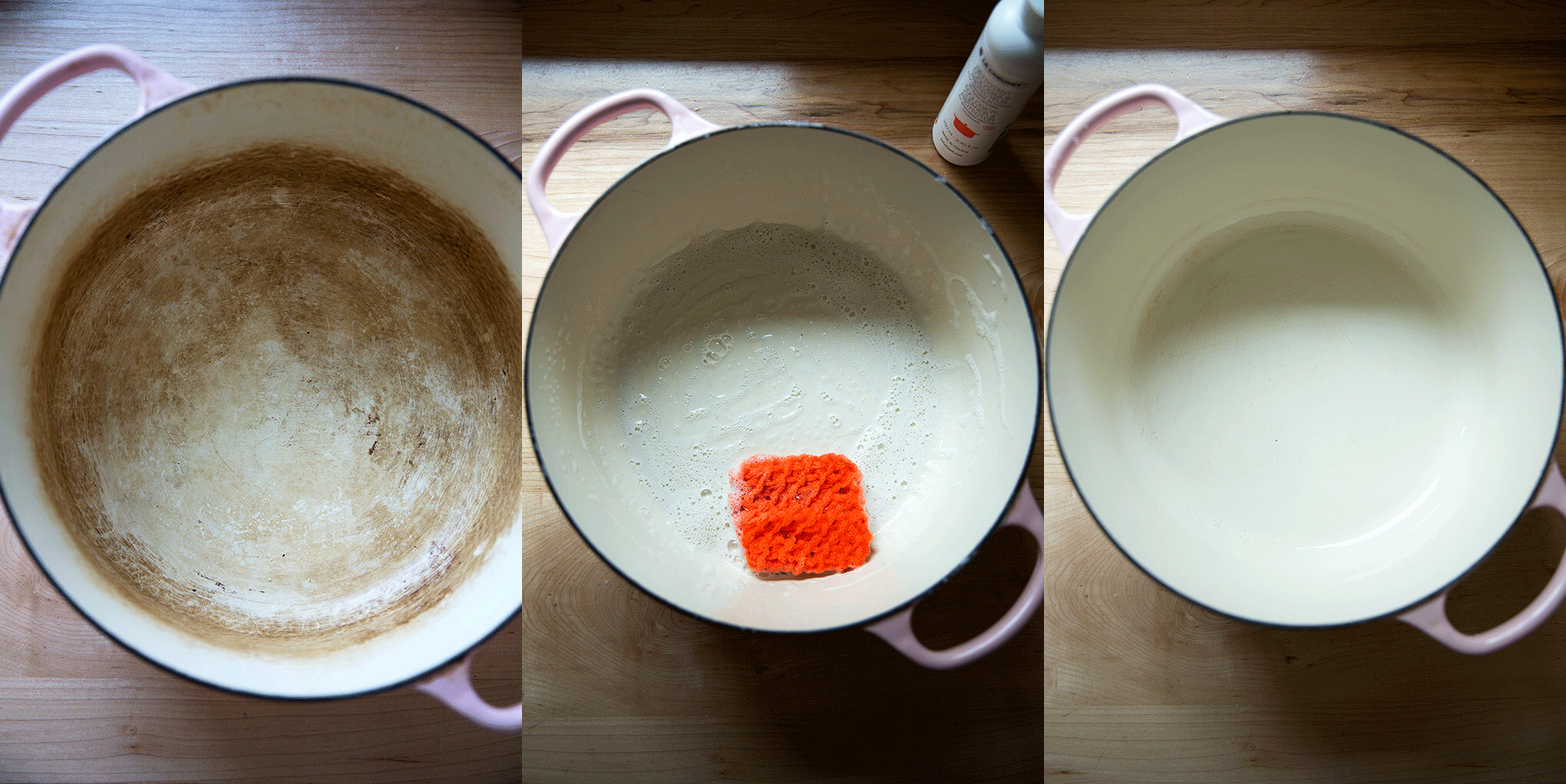
Baking soda is a mild abrasive that cleans without scratching. Mix baking soda with a little water to form a paste. Spread the paste on the discolored areas of your cookware. Let it sit for 15 to 20 minutes. Then, gently scrub with a soft cloth or sponge. Rinse well with warm water and dry thoroughly.
Vinegar Soak
White vinegar breaks down mineral deposits and stains easily. Fill your enamel cookware with equal parts vinegar and water. Let it soak for 30 minutes to an hour. After soaking, scrub gently with a soft brush or sponge. Rinse the pot or pan with clean water. Dry completely before storing.
Lemon And Salt Scrub
Lemon’s acidity helps lift stains while salt acts as a natural scrubber. Cut a lemon in half and dip the cut side into salt. Rub the lemon on the discolored spots in a circular motion. Continue until the stains start to fade. Rinse the cookware with warm water and dry it well. This method leaves a fresh scent too.
Commercial Cleaners For Enamel
Commercial cleaners offer a strong option for restoring discolored enamel cookware. These products are made to remove tough stains and bring back the cookware’s original shine. Using the right cleaner can save time and effort compared to home remedies. It is important to pick a cleaner that works well with enamel surfaces. Some cleaners contain harsh chemicals, so careful use is needed to avoid damage.
Choosing The Right Product
Select a cleaner made specifically for enamel or delicate surfaces. Avoid abrasive powders or harsh acids, which can scratch or dull the finish. Look for products labeled as safe for enamel cookware. Check for gentle ingredients that remove stains without harming the enamel layer. Read product reviews and instructions to find trusted options. A mild cleaner can often do the job without causing harm.
Safe Application Methods
Always test the cleaner on a small, hidden area first. Use a soft cloth or sponge to apply the product gently. Do not scrub hard or use steel wool, which can scratch the surface. Follow the cleaner’s instructions on how long to leave it on. Rinse the cookware well with warm water after cleaning. Dry the cookware completely to prevent water spots or rust on edges.
Deep Cleaning Methods
Discolored enamel cookware needs more than quick wipes. Deep cleaning helps restore its shine and remove tough stains. These methods use common items and simple steps. They reach stains that regular washing misses. Follow these tips to bring life back to your cookware.
Boiling Water And Baking Soda
Fill the pot with water and add two tablespoons of baking soda. Bring the water to a boil on medium heat. Let it boil for 10-15 minutes. The baking soda helps lift stains and grime. After boiling, turn off the heat and let the water cool. Use a soft sponge to scrub the surface gently. Rinse well with warm water to remove residue. This method clears discoloration without harming the enamel.
Using Hydrogen Peroxide
Hydrogen peroxide works well on stubborn discoloration. Pour a small amount on the stained areas. Let it sit for 10 minutes to break down stains. Use a soft cloth or sponge to wipe the surface. Rinse the cookware thoroughly with water. Repeat if necessary for deeper stains. This method brightens enamel safely and effectively.
Removing Rust Spots
Rust spots can damage enamel if not treated. Mix equal parts of lemon juice and salt to form a paste. Apply the paste to rust spots and let it sit for 30 minutes. Use a soft cloth or sponge to scrub gently. Rinse the cookware with warm water and dry it well. This natural method removes rust without harsh chemicals. Regular care prevents rust from coming back.
Credit: alexandracooks.com
Preventing Future Discoloration
Preventing future discoloration on enamel cookware keeps it looking new longer. Taking care of your pots and pans helps avoid stains and dull spots. Small habits make a big difference in maintaining their shine. Follow simple steps to protect your enamel from damage and discoloration over time.
Proper Cooking Practices
Use low to medium heat to avoid overheating the enamel. High heat can cause discoloration and damage the surface. Avoid cooking acidic foods for long periods; acids may stain enamel. Always stir gently to prevent scratching or chipping the coating. Use wooden or silicone utensils instead of metal ones.
Regular Maintenance
Clean your enamel cookware after each use with warm, soapy water. Avoid abrasive scrubbers that can wear down the enamel surface. Dry the cookware thoroughly to prevent water spots and rust on rims. Occasionally, soak the cookware in a baking soda solution to remove mild stains. Regular cleaning stops buildup that leads to discoloration.
Storage Tips
Store enamel cookware in a dry place to avoid moisture damage. Place soft cloths or paper towels between stacked pots to prevent scratches. Avoid piling heavy items on top to protect the enamel finish. Keep lids slightly open to allow air circulation and reduce moisture buildup inside. Proper storage extends the life and look of your enamel cookware.
Credit: www.reddit.com
Frequently Asked Questions
How Do I Remove Stains From Enamel Cookware?
To remove stains, soak the cookware in warm water with baking soda. Gently scrub with a soft sponge. Avoid abrasive cleaners to protect the enamel finish.
Can Vinegar Clean Discolored Enamel Pots Effectively?
Yes, vinegar helps break down mineral deposits and discoloration. Mix equal parts vinegar and water, soak for 15 minutes, then rinse and dry thoroughly.
Is It Safe To Use Bleach On Enamel Cookware?
No, bleach can damage the enamel surface and cause discoloration. Use natural cleaners like baking soda or vinegar for safe cleaning.
What Household Items Whiten Discolored Enamel Cookware?
Baking soda, vinegar, and lemon juice are effective natural whiteners. Apply them gently and let sit before scrubbing to restore the enamel’s shine.
Conclusion
Discolored enamel cookware can look dull, but cleaning it is simple. Use gentle scrubbing with baking soda or vinegar to remove stains. Avoid harsh tools that can damage the enamel surface. Regular care keeps your cookware looking fresh and lasting longer.
Clean pots and pans make cooking more enjoyable. Try these easy steps, and your enamel cookware will shine again. Small efforts bring great results. Keep your kitchen tools bright and ready for every meal.

Hello, This is Annie Walker, a 38-year-old blogger, founder, and editor of Cookware Guider from NY, USA. I am a cookware fanatic and passionate cooker. I love to cook with different types of cooking appliances (example: all types of cookware, rice cookers, slow cookers, etc) almost every day in my kitchen. I love to share my experience with my readers in my blog. Also, I enjoy helping people to solve their problems through my website. You can follow me on Twitter & Pinterest. To know details about my blog please check the about us page.