
When it comes to choosing cookware, safety is always at the top of your mind. You want pots and pans that won’t harm you or your family while making meal prep easier.
Calphalon non-stick cookware is popular in many kitchens, but you might be wondering: how safe is it really? You’ll discover what makes Calphalon stand out and whether it’s the right choice for your health and cooking needs. Keep reading to find out everything you need to know before you buy.

Credit: prudentreviews.com
Calphalon Nonstick Cookware Basics
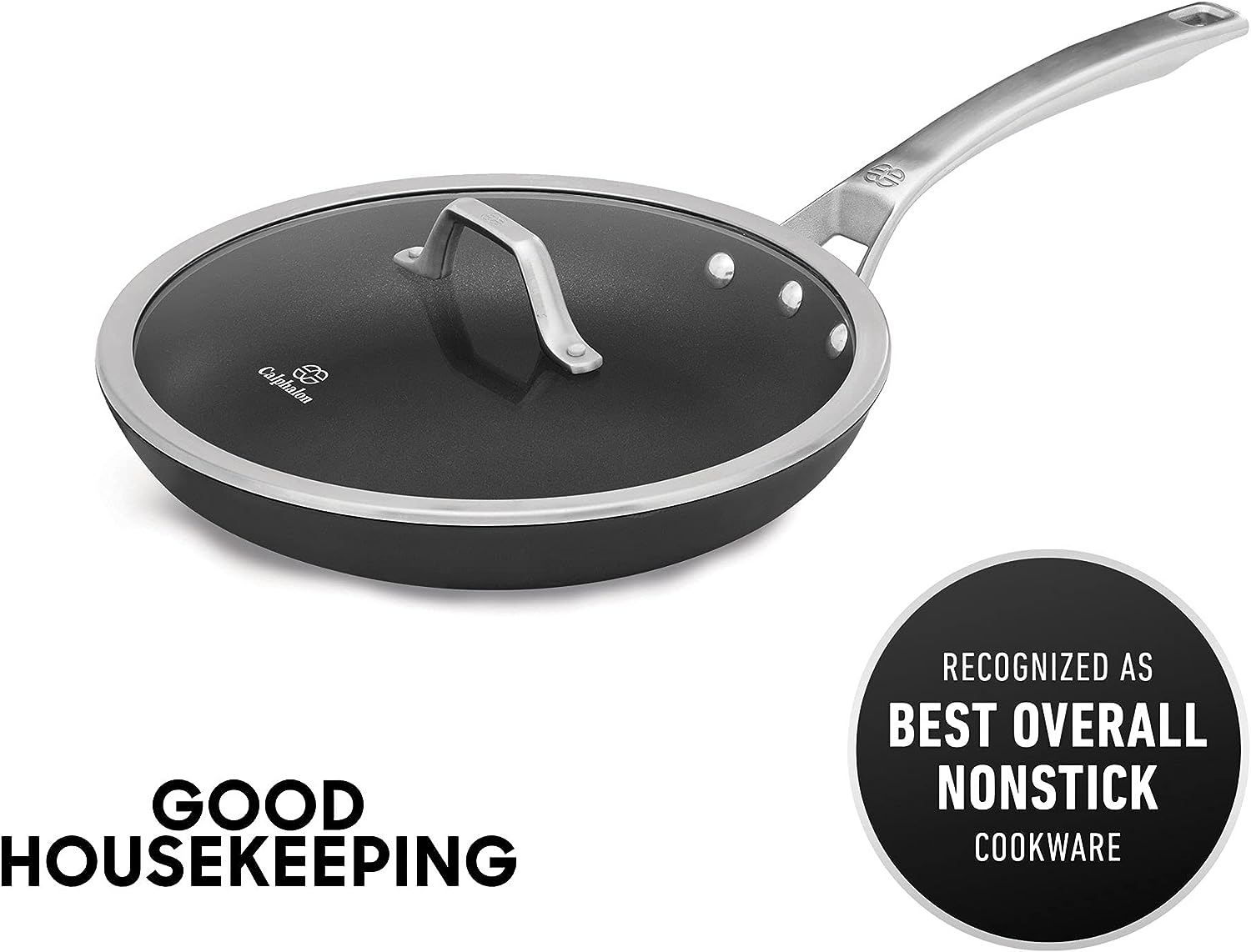
Calphalon nonstick cookware is a popular choice in many kitchens. Many cooks wonder about its safety and quality. Understanding the basics helps you decide if it fits your needs. This section explains what materials and coatings Calphalon uses. It also highlights common product lines you might find in stores.
Materials And Coating Types
Calphalon cookware usually features hard-anodized aluminum. This metal heats evenly and resists warping. The nonstick coating is often made from a durable, PFOA-free material. PFOA is a chemical once linked to health risks but is no longer used.
The coatings vary by product. Some have multiple layers for added strength and better release. Others use a ceramic-based coating that does not contain PTFE or PFOA. These materials make cooking and cleaning easier. They also reduce the chance of food sticking or burning.
Common Product Lines
Calphalon offers several nonstick product lines. The Classic series is affordable and reliable. It has a smooth coating and sturdy construction. The Contemporary line features a harder coating for longer use. It also has a sleek design and cool handles.
Another popular line is the Premier series. It has a triple-layer nonstick surface. This line is dishwasher safe and metal utensil safe. Each product line meets safety standards and aims for durability. This variety helps customers find cookware that suits their cooking style and budget.

Credit: www.amazon.com
Health Safety Concerns
Health safety is a key concern with non-stick cookware. Many people worry about the chemicals used in the coating. Knowing what these chemicals are helps you decide if Calphalon non-stick pans are safe.
Chemicals like PTFE and PFOA often come up in talks about non-stick safety. Understanding these can clear up common fears.
Ptfe And Pfoa Explained
PTFE stands for polytetrafluoroethylene. It is a common non-stick coating. PTFE makes food slide off pans easily. It is generally safe at low to medium heat.
PFOA is perfluorooctanoic acid. It was used in making PTFE coatings. PFOA has raised health concerns. It can be harmful if exposed in large amounts over time.
Many companies stopped using PFOA to protect health. PTFE without PFOA is much safer for cooking.
Calphalon’s Use Of Chemicals
Calphalon non-stick cookware uses PTFE coatings. They say their products are PFOA-free. This means no PFOA is added in their manufacturing.
The PTFE coating is designed to resist high heat. Still, it’s best to avoid overheating pans. Overheating can break down PTFE and release fumes.
Calphalon advises cooking at medium or low heat. Using wooden or plastic tools also protects the coating.
Durability And Wear
Durability and wear are key factors when choosing non-stick cookware. Calphalon non-stick pans are designed to last long. Understanding how they resist scratches and handle high heat helps you decide if they suit your kitchen needs.
Scratch Resistance
Calphalon non-stick cookware uses strong coatings that resist scratches. The surface holds up well against metal utensils and scrubbing pads. Avoid sharp tools to keep the coating intact longer. Proper care can extend the life of the non-stick surface.
Effect Of High Heat
High heat can damage many non-stick pans. Calphalon cookware tolerates moderate heat well. Using very high heat often can wear down the coating faster. Keep the temperature medium or low to protect the non-stick finish and maintain performance.
Expert Testing Results
Experts have tested Calphalon non-stick cookware to check its safety and quality. These tests show how the cookware performs and if it is safe for everyday use. Below are the key results from these tests.
Toxicity Tests
Tests show Calphalon cookware does not release harmful chemicals. The non-stick coating stays stable at normal cooking temperatures. No toxic fumes were detected during heating. This makes it safe to use for frying, sautéing, and other cooking methods. The materials used meet strict safety standards. This reduces worries about chemicals leaching into food.
Performance Under Stress
Calphalon cookware holds up well under heavy use. The non-stick surface resists scratching and peeling. It handles high heat without damage. Even after many uses, food still slides off easily. This means the cookware stays effective for a long time. Users can trust it for daily cooking without quick wear or loss of function.
User Safety Tips
Using Calphalon non-stick cookware can be safe if you follow some simple safety tips. These tips help protect your health and keep the cookware in good shape. Proper use and care make a big difference in how long your pans last and how safe they are.
Proper Cooking Practices
Always use low to medium heat when cooking. High heat can damage the non-stick surface. Avoid heating an empty pan. This can cause the coating to break down. Use wooden, silicone, or plastic utensils. Metal tools can scratch the non-stick layer. Do not cut food inside the pan. This can harm the surface and reduce its lifespan.
Maintenance And Cleaning
Let the pan cool before washing it. Sudden temperature changes can warp the pan. Clean with a soft sponge and mild soap. Avoid abrasive cleaners and steel wool. These can damage the coating. Dry the pan well after washing. Store it carefully to prevent scratches. Use pan protectors or cloth between stacked pans.
Credit: yao.com.do
Comparing Alternatives
Choosing the right cookware affects health and cooking results. Calphalon nonstick is popular, but many options exist. Comparing alternatives helps find safe, durable cookware that suits your needs. This section explores other nonstick brands and safe cookware types.
Other Nonstick Brands
Several brands offer nonstick cookware similar to Calphalon. T-fal, GreenLife, and Circulon are common choices. These brands use different coatings and materials. Some use ceramic coatings, which avoid chemicals like PFOA.
Nonstick coatings can wear out over time. Some brands focus on durability more than others. Price varies widely among brands. Cheaper options may lose nonstick properties faster.
Check if the brand uses PFOA-free coatings. Read user reviews about coating lifespan. This helps avoid health risks and wasted money.
Safe Cookware Options
Nonstick is not the only safe choice. Stainless steel and cast iron cookware are durable and free of harmful chemicals. They do not have coatings that can peel or release toxins.
Cast iron requires seasoning but lasts for decades. Stainless steel heats evenly and is easy to clean. Both work well for many cooking styles.
Ceramic cookware is another safe alternative. It has natural, nonstick surfaces without synthetic chemicals. Choose high-quality ceramic to avoid cracking.
Using safe cookware means better health and longer-lasting pots and pans. Balance convenience with safety for best cooking results.
Frequently Asked Questions
Is Calphalon Non-stick Cookware Safe For Daily Use?
Yes, Calphalon non-stick cookware is safe for daily use. It features durable, PFOA-free coatings that resist flaking. Proper care, like avoiding metal utensils and high heat, ensures safety and longevity.
Does Calphalon Cookware Release Harmful Chemicals?
Calphalon non-stick cookware does not release harmful chemicals under normal cooking temperatures. Its PFOA-free coating prevents toxic fumes. Overheating beyond recommended limits may cause damage, so always follow usage guidelines.
Can I Use Metal Utensils On Calphalon Non-stick Pans?
No, using metal utensils on Calphalon non-stick pans is not recommended. Metal can scratch and damage the coating. Use wooden, silicone, or plastic utensils to maintain the pan’s non-stick surface.
How To Clean Calphalon Non-stick Cookware Safely?
Clean Calphalon non-stick cookware with warm, soapy water and a soft sponge. Avoid abrasive cleaners or scouring pads to protect the coating. Hand washing extends the cookware’s lifespan and preserves non-stick properties.
Conclusion
Calphalon non-stick cookware offers a safe cooking experience with proper use. Avoid overheating to keep the coating intact and prevent damage. Clean gently with soft sponges to extend the life of the pans. The materials used are designed to reduce harmful chemicals.
Choosing Calphalon means you get reliable cookware that supports healthy cooking habits. Remember, safety depends on how you care for your pots and pans. Cook smart, clean well, and enjoy your meals confidently.

Hello, This is Annie Walker, a 38-year-old blogger, founder, and editor of Cookware Guider from NY, USA. I am a cookware fanatic and passionate cooker. I love to cook with different types of cooking appliances (example: all types of cookware, rice cookers, slow cookers, etc) almost every day in my kitchen. I love to share my experience with my readers in my blog. Also, I enjoy helping people to solve their problems through my website. You can follow me on Twitter & Pinterest. To know details about my blog please check the about us page.