
Choosing the right cookware can change the way you cook and enjoy your meals. If you’re torn between granite and ceramic cookware, you’re not alone.
Both options have their fans, but which one truly fits your kitchen and lifestyle? You’ll discover the key differences, benefits, and drawbacks of each type. By the end, you’ll feel confident about which cookware will make your cooking easier, healthier, and more enjoyable.
Keep reading to find the perfect match for your kitchen!
Granite Cookware Basics
Granite cookware has grown in popularity for its strength and stylish look. It offers a unique cooking experience with its special features. Understanding the basics helps choose the right pots and pans for your kitchen.
This section explains what granite cookware is made of, how it heats food, and its durability over time.
Material Composition
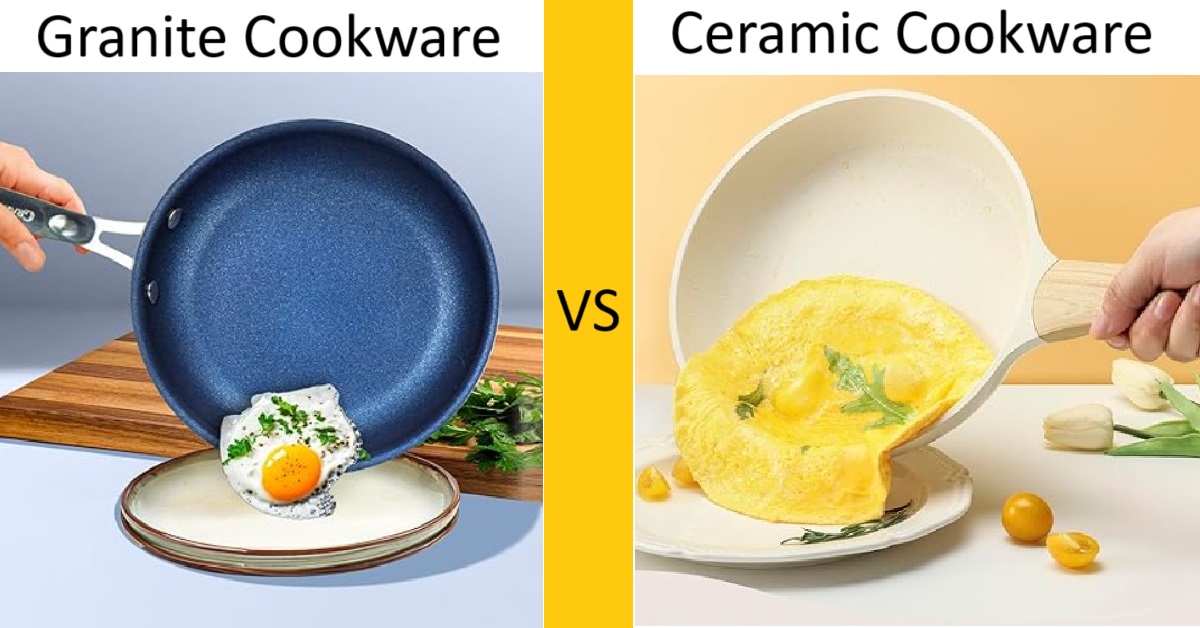
Granite cookware is not solid granite. It usually has a metal base, often aluminum or steel, coated with a granite-like layer. This layer is made from natural minerals and non-stick substances. It gives the cookware a stone-like appearance and makes it easy to clean.
Heat Distribution
The metal base spreads heat evenly across the pan. This prevents hot spots that burn food. The granite coating helps keep the heat steady. This means your food cooks evenly and stays warm longer.
Durability And Longevity
Granite cookware is strong and scratch-resistant. The coating protects the pan from damage. It can last many years with proper care. Avoid using metal utensils to keep the surface smooth. This cookware resists chipping and cracking well.
Credit: kitchensupports.com
Ceramic Cookware Essentials
Ceramic cookware offers a unique option for kitchen use. It stands out due to its special coating and cooking performance. Understanding its key features helps to choose the right cookware for your needs.
These essentials cover material, heat retention, and resistance to scratches and stains. Each factor affects how well ceramic cookware performs over time.
Material Composition
Ceramic cookware has a metal base, often aluminum or stainless steel. This base is covered with a ceramic coating made from natural minerals. The coating creates a smooth, non-stick surface without harmful chemicals. It is free from PTFE and PFOA, making it safe for cooking.
Heat Retention
Ceramic cookware heats up quickly and distributes heat evenly. It does not hold heat as long as some other materials. This makes it ideal for cooking foods that need quick, controlled heat. The even heat prevents hot spots and burning.
Scratch And Stain Resistance
The ceramic coating resists stains from food and liquids. It is less likely to absorb odors or colors. However, it can scratch if metal utensils are used. Using wooden or silicone utensils helps keep the surface smooth. Proper care extends the cookware’s life and appearance.
Performance Comparison
Choosing between granite and ceramic cookware depends on how they perform in daily cooking. Performance covers many factors. These include how well they cook food, how easy they are to clean, and how long they last. Below is a clear comparison of these key points.
Cooking Efficiency
Granite cookware heats up quickly and spreads heat evenly. This helps food cook faster and prevents hot spots. Ceramic cookware takes a bit longer to heat. It holds heat well once hot, which is good for slow cooking. Both types work well, but granite is better for fast cooking.
Non-stick Properties
Ceramic cookware usually has a natural non-stick surface. It needs less oil, making it healthier. Granite cookware may have a non-stick coating, but it can wear off over time. Ceramic surfaces stay smooth longer but can chip if handled roughly. Non-stick quality lasts longer with ceramic.
Maintenance Requirements
Granite cookware is strong but can stain if not cleaned quickly. It needs gentle washing to keep the coating safe. Ceramic cookware is easy to clean with soft sponges. It does not absorb stains but can crack if dropped. Both need care but ceramic is simpler to maintain daily.
Health And Safety Factors
Health and safety are key when choosing cookware. Both granite and ceramic pans must be safe for daily use. Understanding their risks helps you pick the right one for your kitchen.
Chemical Safety
Granite cookware often has a non-stick coating. Some coatings may release harmful fumes if overheated. Ceramic cookware is usually free from toxic chemicals. It does not release harmful substances even at high heat. This makes ceramic safer for cooking at high temperatures.
Allergen Concerns
Granite and ceramic cookware do not contain common allergens. They are safe for people with food allergies. Both materials are easy to clean, reducing cross-contamination risks. Ceramic is less likely to scratch, which helps keep food safe.
Environmental Impact
Granite cookware uses synthetic materials and coatings. These can take longer to break down in nature. Ceramic cookware is made from natural clay. It is more eco-friendly and biodegradable. Choosing ceramic helps reduce waste and pollution.
Cost And Value
Cost and value play a big role in choosing between granite and ceramic cookware. Understanding the price and what you get helps make a smart choice. Both types have different costs upfront and over time.
Initial Investment
Granite cookware often costs more to buy at first. It looks stylish and feels strong. Ceramic cookware is usually cheaper to buy. It offers many colors and designs. The price depends on the brand and set size. Choose what fits your budget and needs.
Long-term Costs
Granite cookware lasts long if you take care of it well. It resists scratches and heat damage. This means fewer replacements and repairs. Ceramic cookware can wear out faster. The coating may chip or peel over time. You might spend more on new pieces or replacements.
Warranty And Customer Support
Granite cookware often comes with a good warranty. This protects your purchase for years. Customer support can help fix problems or give advice. Ceramic cookware warranties vary more. Some brands offer solid support, while others do not. Check warranty details before buying to avoid surprises.
User Experience
User experience plays a big role in choosing cookware. It affects cooking, cleaning, and how your kitchen looks. Both granite and ceramic cookware offer unique benefits and some challenges. Knowing these can help you pick the right set for your needs.
Ease Of Use
Granite cookware heats up quickly and cooks food evenly. It works well on different stove types. Ceramic cookware heats slower but keeps heat steady. It is lighter and easier to handle. Both types have smooth surfaces that prevent food from sticking. This makes cooking more enjoyable and less stressful.
Cleaning And Care
Granite cookware cleans easily with warm, soapy water. It resists stains and scratches well. Avoid using metal scrubbers to keep the surface safe. Ceramic cookware needs gentle cleaning. Harsh scrubbing can damage its coating. Both types are safe for dishwashers, but hand washing is best. Proper care helps cookware last longer.
Aesthetic Appeal
Granite cookware has a natural stone look. It adds a rustic, elegant touch to kitchens. Ceramic cookware comes in many colors and patterns. It brightens up cooking spaces and matches various styles. Both options look good on the stove and can be part of your kitchen decor. Choose the one that fits your style best.
Best Uses For Each Type
Choosing between granite and ceramic cookware depends on how you plan to cook. Each type shines in different kitchen tasks. Understanding their best uses helps pick the right one for your cooking style.
Ideal Cooking Methods
Granite cookware handles high heat well. It works great for frying, searing, and browning foods. It also keeps heat evenly for slow cooking. Ceramic cookware suits gentle cooking like simmering and steaming. It avoids sticking during low to medium heat cooking.
Compatibility With Cooktops
Granite pans work on gas, electric, and induction stoves. They heat up fast and stay hot. Ceramic cookware fits best on electric and glass cooktops. It may not work well on induction stoves because of material limits.
Suitability For Different Recipes
Granite is perfect for recipes needing high heat, like stir-fries and steaks. Ceramic is ideal for delicate dishes like eggs, pancakes, and sauces. It keeps food from sticking and cleans easily after cooking.

Credit: alva-cookware.us
Tips For Choosing Cookware
Choosing the right cookware can make cooking easier and more enjoyable. Different materials offer different benefits. Knowing what to consider helps you pick the best set for your kitchen.
This section shares simple tips to guide you in selecting between granite and ceramic cookware.
Assessing Cooking Needs
Think about what you cook most often. Do you fry, simmer, or bake? Granite cookware is great for even heat and durability. Ceramic cookware works well for gentle cooking and easy cleaning. Consider the size and shape of pans you use regularly. Pick cookware that fits your usual cooking style and meals.
Budget Considerations
Set a clear budget before buying. Granite cookware can be more expensive but lasts longer. Ceramic options often cost less upfront. Balance price with quality. Avoid cheap sets that wear out fast. Spend on cookware that gives good value and fits your financial plan.
Brand And Quality Indicators
Choose brands known for good quality and safety standards. Check for non-toxic coatings and sturdy handles. Read reviews from other buyers. Look for warranties that show confidence in the product. Quality cookware cooks well and stays safe over time.
Credit: www.youtube.com
Frequently Asked Questions
Which Cookware Is More Durable: Granite Or Ceramic?
Granite cookware is generally more durable due to its tough, stone-based composition. Ceramic cookware can chip or crack more easily with rough handling.
Is Granite Or Ceramic Cookware Better For Non-stick Cooking?
Granite cookware often features a natural non-stick surface, making it excellent for low-fat cooking. Ceramic cookware also offers non-stick benefits but may wear faster.
Which Cookware Heats More Evenly: Granite Or Ceramic?
Granite cookware heats evenly and retains heat longer, ideal for slow cooking. Ceramic cookware heats quickly but may have hot spots.
Are Granite Or Ceramic Cookware Safer For Health?
Both granite and ceramic cookware are free from harmful chemicals like PFOA and PTFE. Ceramic is often preferred for its natural, toxin-free coating.
Conclusion
Granite and ceramic cookware both have clear benefits. Granite is strong and heats evenly. Ceramic is light and easy to clean. Choosing depends on your cooking style and needs. Think about what matters most to you. Durability, weight, and maintenance all play a role.
Both types can make cooking easier and more fun. Test them if you can before buying. This way, you find the best fit for your kitchen. Simple choices lead to better meals every day.

Hello, This is Annie Walker, a 38-year-old blogger, founder, and editor of Cookware Guider from NY, USA. I am a cookware fanatic and passionate cooker. I love to cook with different types of cooking appliances (example: all types of cookware, rice cookers, slow cookers, etc) almost every day in my kitchen. I love to share my experience with my readers in my blog. Also, I enjoy helping people to solve their problems through my website. You can follow me on Twitter & Pinterest. To know details about my blog please check the about us page.