
Have you ever cooked a big batch of rice and wondered if you could save the leftovers for later? Freezing cooked rice might seem like a simple way to reduce waste and save time.
But is it really safe to freeze cooked rice? You might be worried about taste, texture, or even your health. Keep reading to discover the truth about freezing rice, how to do it safely, and tips to enjoy your meals without any risk.
This guide will help you make the best choice for your kitchen and your family.
:max_bytes(150000):strip_icc()/__opt__aboutcom__coeus__resources__content_migration__simply_recipes__uploads__2018__09__Ht-freeze-reheat-rice-method-09-1-a0d56d9a84b144be8d1dae911e3d7ed3.jpg)
Credit: www.simplyrecipes.com
Risks Of Freezing Cooked Rice
Freezing cooked rice is a common way to save leftovers. It helps reduce food waste and saves time. Still, some risks come with freezing rice. Knowing these risks helps keep your food safe and tasty.
Bacterial Growth Concerns
Rice can have spores of a bacteria called Bacillus cereus. These spores survive cooking and can grow if rice cools slowly. Freezing stops bacteria from growing but does not kill spores. If rice is left out too long before freezing, bacteria may produce toxins. These toxins can cause food poisoning. Proper cooling and quick freezing reduce this risk.
Texture Changes After Freezing
Freezing cooked rice changes its texture. The grains may become dry or hard. After thawing, rice often feels mushy or sticky. This happens because ice crystals damage rice grains. Using airtight containers helps keep moisture in. Reheating rice with a little water can improve texture.
Best Practices For Cooling Rice
Cooling cooked rice properly is very important before freezing it. Rice can spoil quickly if it stays warm too long. Following good cooling steps helps keep rice safe and tasty. It also stops bacteria from growing. Use the right methods to cool rice fast and avoid food waste.
Quick Cooling Techniques
Spread cooked rice in a thin layer on a clean tray. This lets heat escape fast. Stir rice often to cool it evenly. Use a fan or place the tray near a window. Cooling rice at room temperature should not take more than one hour. Avoid leaving rice in a hot pot or deep container.
Avoiding Spoilage Before Freezing
Do not leave rice out for more than two hours. Bacteria multiply quickly in warm rice. Cool rice to room temperature first. Then, put it in a clean, airtight container. Store the container in the fridge if not freezing right away. Freeze rice as soon as it cools down. This keeps it fresh and safe to eat later.
Proper Storage Methods
Freezing cooked rice keeps it fresh and safe to eat longer. Proper storage helps avoid freezer burn and preserves flavor. It also stops bacteria from growing. Storing rice correctly means using the right containers and portion sizes. This helps maintain quality and makes it easier to reheat later.
Choosing The Right Containers
Select containers that seal tightly to keep out air. Plastic containers with lids or freezer bags work well. Avoid containers that can crack or let moisture in. Glass containers with airtight lids are also good choices. Make sure containers are clean and dry before adding rice.
Portioning For Convenience
Divide rice into small portions before freezing. This saves time when reheating only what you need. Use containers or bags sized for one or two servings. Flatten bags to save freezer space and speed up thawing. Label portions with dates to keep track of freshness.
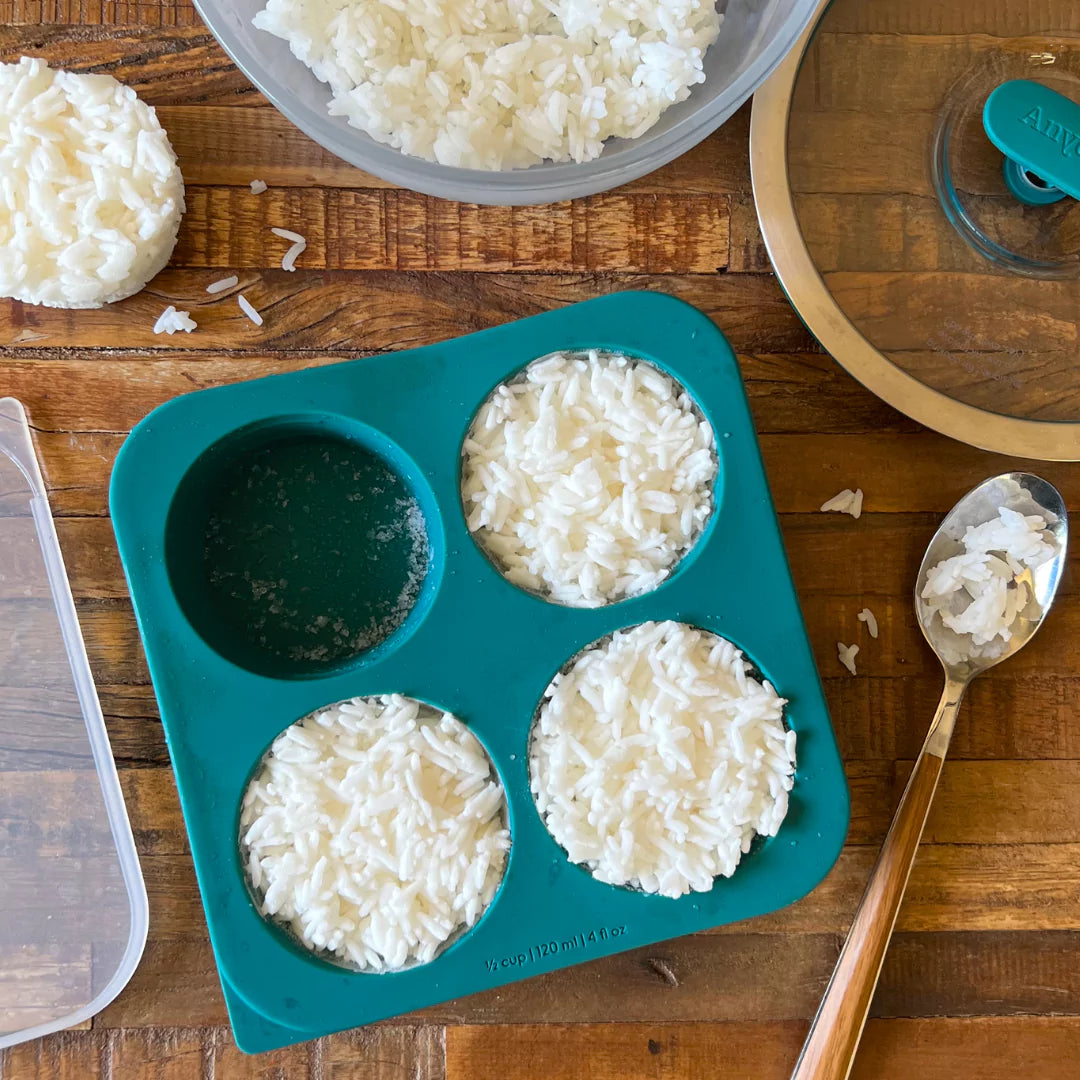
Credit: cookanyday.com
Freezing Duration Guidelines
Freezing cooked rice is a smart way to save time and reduce food waste. Knowing how long to freeze rice helps keep it safe and tasty. Proper freezing duration stops bacteria growth and keeps texture firm.
Follow these guidelines to store frozen rice correctly. This ensures your rice stays fresh and safe to eat after thawing.
Safe Freezing Times
Cooked rice stays good in the freezer for up to six months. Use airtight containers or freezer bags to avoid freezer burn. Label the container with the freezing date for easy tracking. Eating rice after six months may cause loss of flavor and texture. Freeze rice in small portions for quicker thawing and better quality.
Signs Of Spoiled Frozen Rice
Check frozen rice before use. If it smells sour or off, throw it away. Look for freezer burn or discoloration like white or gray spots. Clumps or slimy texture also mean spoilage. Do not eat rice that shows these signs to avoid food poisoning.
Reheating Frozen Rice Safely
Reheating frozen rice safely is important to avoid food poisoning. Rice can hold bacteria that grow if not handled well. Proper reheating kills bacteria and keeps rice safe to eat. Follow simple steps to heat frozen rice the right way.
Thawing Options
Frozen rice can be thawed in the fridge overnight. This method keeps rice at a safe temperature. For quick thawing, use the microwave. Place rice in a microwave-safe dish and cover it. Use the defrost setting or low power. Stir rice halfway through for even thawing. Avoid leaving rice out at room temperature. This can cause bacteria growth.
Achieving The Right Texture
Reheated rice can become dry or hard. Add a little water or broth before heating. Cover the dish to trap steam and moisture. Heat rice in short bursts in the microwave. Stir between bursts to warm evenly. For stovetop reheating, use a pan with a lid. Add a splash of water and stir often. This keeps rice soft and fluffy. Avoid overcooking, which makes rice tough.
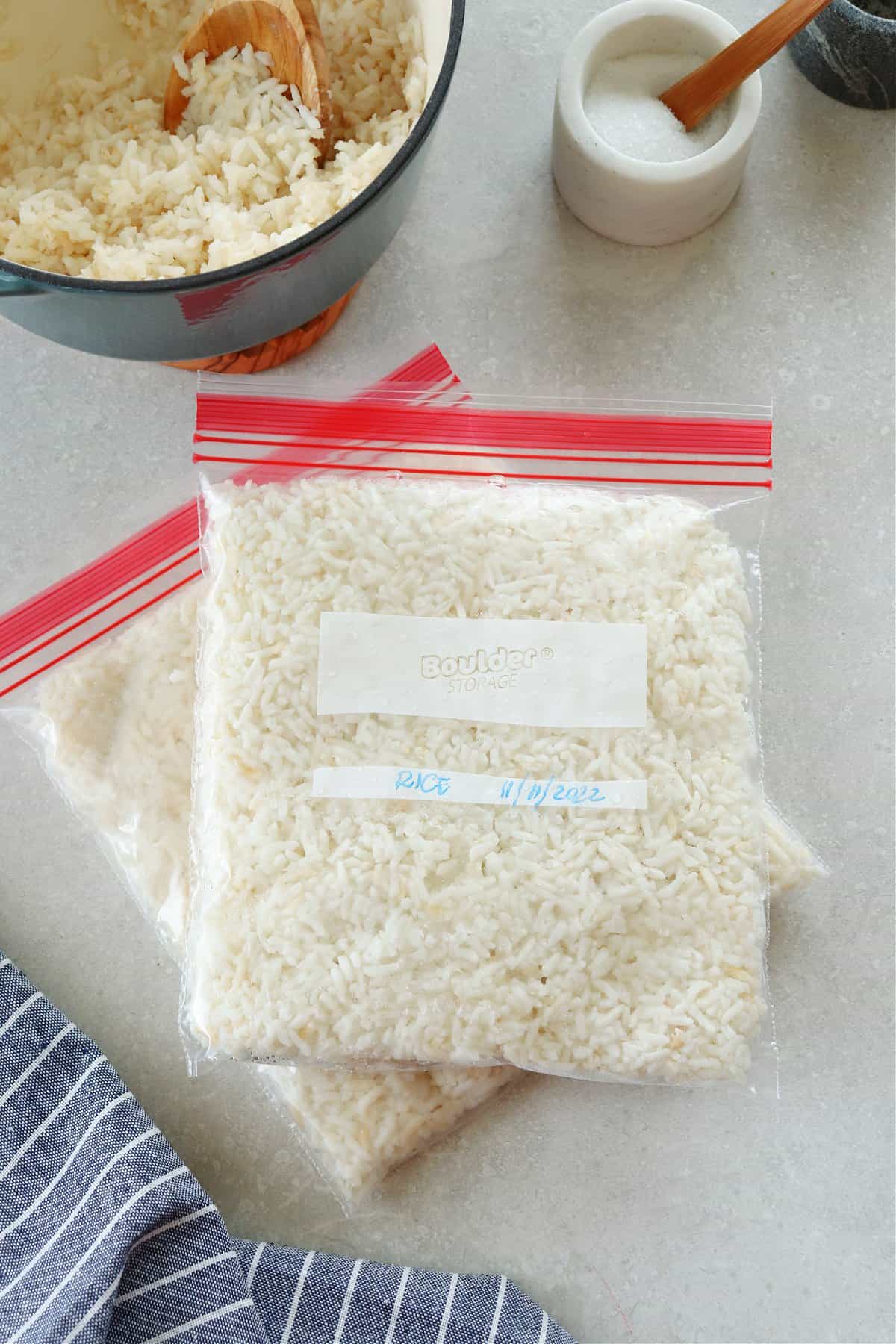
Credit: www.crunchycreamysweet.com
Expert Tips For Perfect Results
Freezing cooked rice is a smart way to save time and reduce waste. To get the best results, follow expert tips that keep the rice fresh and tasty. These tips help keep rice texture just right after freezing and reheating.
Avoiding Clumps
Cool rice quickly before freezing to stop clumping. Spread rice on a baking sheet to let steam escape. Use a fork to fluff rice and separate grains. Pack rice in small, flat containers or freezer bags. This helps freeze rice evenly and avoids big frozen blocks.
Enhancing Flavor Post-freezing
Reheat rice with a splash of water or broth to add moisture. Cover the rice while heating to trap steam and soften grains. Stir rice gently to bring back its fluffy texture. Add a pinch of salt or herbs for extra taste after reheating. These small steps improve flavor and texture after freezing.
Frequently Asked Questions
Can You Safely Freeze Cooked Rice?
Yes, cooked rice can be safely frozen. Cool it quickly, store in airtight containers, and freeze within two hours of cooking to prevent bacteria growth.
How Long Can Frozen Cooked Rice Last?
Frozen cooked rice lasts up to one month for best quality. Beyond this, texture and flavor may decline but it remains safe if kept frozen.
How To Reheat Frozen Cooked Rice Safely?
Reheat frozen rice thoroughly until steaming hot. Use a microwave or stovetop with added moisture to restore texture and kill any bacteria.
Does Freezing Cooked Rice Affect Its Taste?
Freezing cooked rice can slightly change texture but generally does not impact taste. Proper storage in airtight containers helps maintain flavor.
Conclusion
Freezing cooked rice can keep it safe if done right. Cool the rice quickly before freezing. Store it in airtight containers to stop freezer burn. Use the frozen rice within one month for best taste. Reheat it thoroughly to kill any germs.
Avoid refreezing rice after thawing. This simple method helps reduce food waste. Enjoy your rice safely without worry. Easy, safe, and smart!

Hello, This is Annie Walker, a 38-year-old blogger, founder, and editor of Cookware Guider from NY, USA. I am a cookware fanatic and passionate cooker. I love to cook with different types of cooking appliances (example: all types of cookware, rice cookers, slow cookers, etc) almost every day in my kitchen. I love to share my experience with my readers in my blog. Also, I enjoy helping people to solve their problems through my website. You can follow me on Twitter & Pinterest. To know details about my blog please check the about us page.