
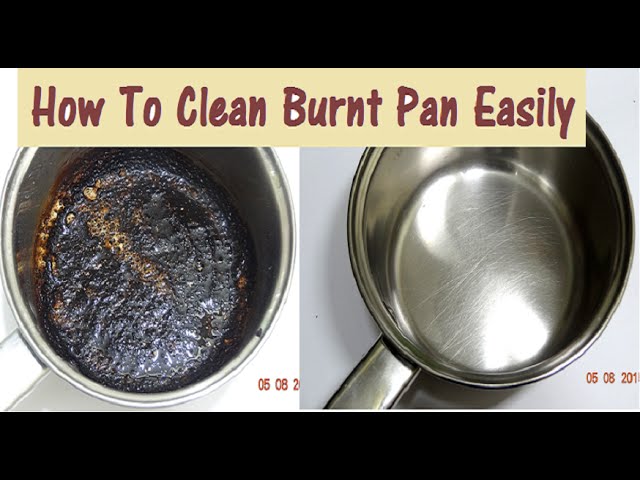
Have you ever cooked a meal only to find the bottom of your saucepan burnt and blackened? It’s frustrating and can make you wonder if your pot is ruined for good.
But don’t worry—you can bring your saucepan back to life with simple, effective cleaning methods. You’ll discover easy steps to remove burnt stains without damaging your cookware. Keep reading to learn how to save your saucepan and make it look almost new again.
Credit: www.youtube.com
Causes Of Burnt Saucepans
Burnt saucepans are a common kitchen problem. The bottom of a saucepan often gets charred after cooking on high heat or leaving food to stick. Understanding the causes of burnt saucepans helps prevent damage and makes cleaning easier. Several factors contribute to this issue, from cooking habits to the type of residue left behind.
Common Cooking Mistakes
Many burnt saucepans result from simple cooking mistakes. These errors cause food to stick and burn on the pan’s surface. Avoiding these mistakes helps keep your cookware in good shape.
- High heat: Cooking on very high heat can burn food quickly. Many foods need medium or low heat to cook evenly.
- Leaving food unattended: Stirring food regularly prevents it from sticking and burning at the bottom.
- Not using enough oil or water: A dry pan causes food to stick and burn more easily.
- Using the wrong cookware: Thin or cheap pans heat unevenly, increasing the risk of burnt spots.
- Overcooking: Cooking food longer than needed can cause the bottom to burn, especially with thick sauces or stews.
Here is a quick overview of common mistakes and their effects:
| Cooking Mistake | Effect on Saucepan |
|---|---|
| High heat | Burnt, blackened bottom |
| Leaving food unattended | Food sticks and chars |
| Insufficient oil/water | Food burns and leaves residue |
| Wrong cookware | Uneven heating causes burnt spots |
| Overcooking | Food dries and burns on the pan |
Types Of Burnt Residue
Burnt residue varies based on what was cooked and how it burned. Knowing the type of residue helps in choosing the best cleaning method.
- Carbonized food: Black, hard residue from burnt food particles. It sticks tightly to the pan surface.
- Grease buildup: Burnt oil or fat forms a sticky, dark layer. It can be slippery or hardened.
- Starch burns: Food with starch, like rice or pasta, leaves a crusty, sometimes white or brown residue.
- Sugar caramelization: Burnt sugar or sauces leave a sticky, glassy layer that is tough to remove.
Here is a simple table that explains common burnt residues and their characteristics:
| Residue Type | Description | Cleaning Challenge |
|---|---|---|
| Carbonized food | Black, hard, stuck particles | Requires soaking and scrubbing |
| Grease buildup | Sticky or hardened oil layers | Needs degreasing agents |
| Starch burns | Crusty, brown or white residue | Softens with warm water soak |
| Sugar caramelization | Sticky, glassy, tough layer | May require boiling water or vinegar |
Understanding these residues helps you pick the right cleaning tools and methods. It saves time and protects your saucepan’s surface.

Credit: www.reddit.com
Essential Cleaning Tools
Cleaning the bottom of a burnt saucepan can feel tough without the right tools. Using essential cleaning tools makes the task easier and more effective. Choosing the right agents and scrubbing materials helps remove stubborn burnt marks quickly. This section explains the best natural cleaning agents and scrubbing tools to restore your saucepan’s shine.
Natural Cleaning Agents
Natural cleaning agents offer a safe and eco-friendly way to clean burnt saucepans. They are gentle on cookware but strong against burnt stains. Many common kitchen items work well for this task.
- Baking Soda: A mild abrasive that scrubs off burnt residues without scratching.
- White Vinegar: Cuts through grease and loosens burnt food with its acidity.
- Lemon Juice: Contains natural acids that brighten and deodorize the pan bottom.
- Salt: Works as an abrasive combined with lemon or vinegar for tougher stains.
Here is a simple table showing the uses of these agents:
| Agent | Purpose | How to Use |
|---|---|---|
| Baking Soda | Scrubbing burnt spots | Make a paste with water and apply on the burnt area |
| White Vinegar | Loosening burnt food | Pour on pan bottom, let sit for 10 minutes, then scrub |
| Lemon Juice | Brightening and deodorizing | Rub fresh lemon or use juice on the burnt surface |
| Salt | Abrasive cleaning | Sprinkle on wet pan, scrub with lemon or vinegar |
Natural agents prevent damage to your pan and reduce chemical exposure. They also cost less and are easy to find in your kitchen.
Scrubbing Tools And Materials
Using the right scrubbing tools makes cleaning more efficient and protects your saucepan. Different tools suit different pan materials and burn levels.
Here are the top scrubbing tools for cleaning burnt saucepans:
- Non-scratch Scrubbers: Safe for non-stick pans. Use nylon or sponge scrubbers.
- Steel Wool Pads: Effective for heavy burnt stains on stainless steel pans.
- Plastic Scrapers: Remove tough bits without scratching the surface.
- Soft Cloths: For wiping and polishing after scrubbing.
Choosing the wrong tool can damage your pan’s surface. Here is a quick guide:
| Pan Type | Recommended Tool | Tool to Avoid |
|---|---|---|
| Non-stick | Soft sponge, non-scratch scrubber | Steel wool, metal scrubbers |
| Stainless Steel | Steel wool, plastic scraper | Hard abrasive pads on delicate finishes |
| Cast Iron | Stiff brush, plastic scraper | Soaking in water for long periods |
Using proper tools with natural cleaning agents improves results. Gentle scrubbing removes burnt layers without scratching or damaging your saucepan.
Step-by-step Cleaning Methods
Cleaning the bottom of a burnt saucepan can seem tough. Burnt food and stains stick strongly, but simple steps can help remove them. Follow these step-by-step cleaning methods to restore your saucepan’s shine. Each method uses easy household items or special cleaners. Choose the one that fits your needs. The process is clear, fast, and effective.
Soaking Techniques
Soaking softens burnt layers, making them easier to clean. Start by filling the saucepan with warm water. Add a few drops of dish soap or a tablespoon of baking soda for extra power. Let it soak for at least 1-2 hours. For tough burns, leave it overnight.
- Use warm water, not boiling, to avoid damaging the pan.
- After soaking, scrub gently with a non-abrasive sponge.
- If the burn is still present, repeat soaking or try another method.
Here is a simple table for soaking times based on burn severity:
| Burn Severity | Soaking Time | Additional Tips |
|---|---|---|
| Light stains | 30 minutes to 1 hour | Use dish soap only |
| Moderate burns | 2 to 4 hours | Add baking soda to water |
| Heavy burns | Overnight | Soak with baking soda and vinegar (see next method) |
Baking Soda And Vinegar Method
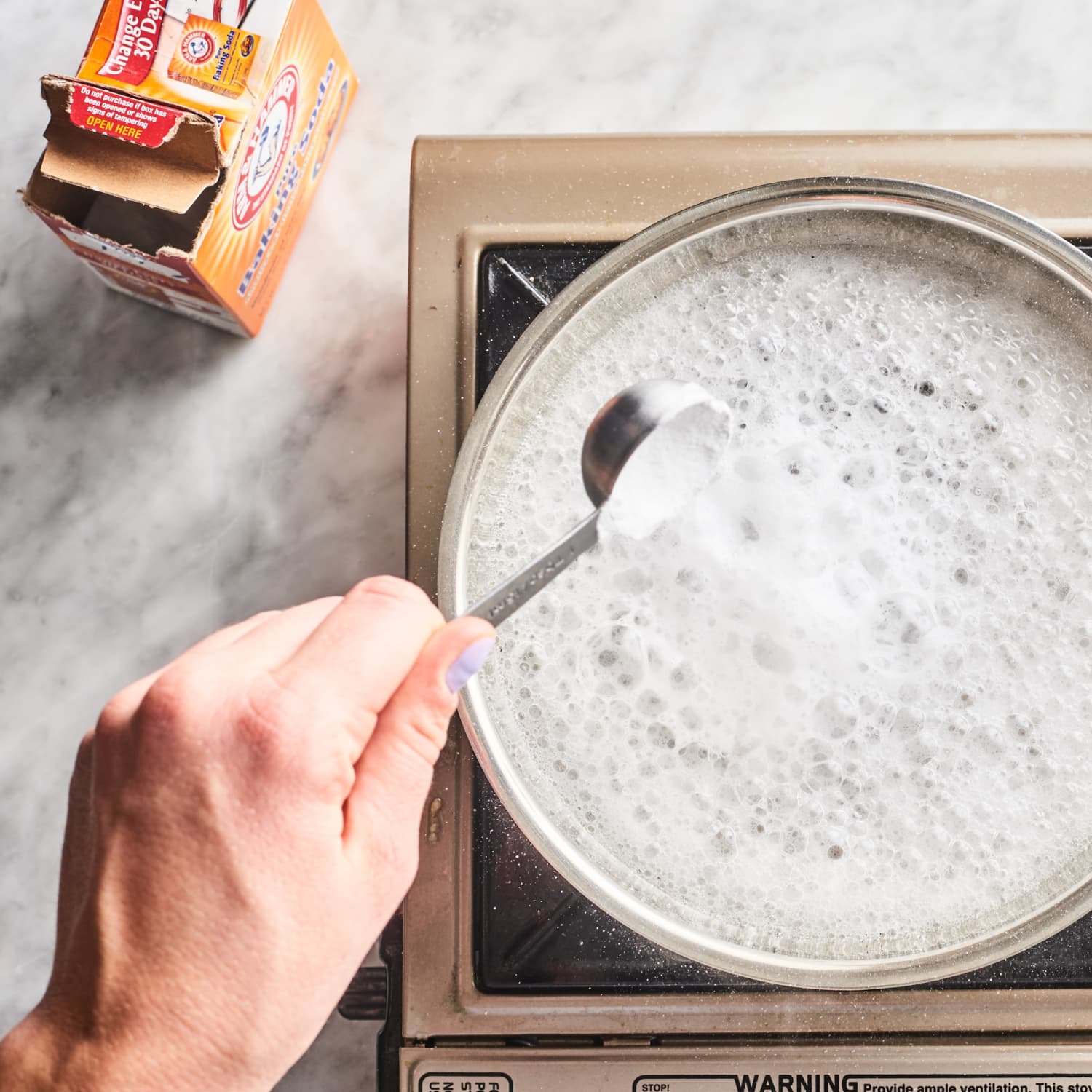
Baking soda and vinegar create a natural cleaning reaction. It loosens burnt bits without harsh chemicals. Start by sprinkling baking soda over the burnt area. Pour white vinegar slowly on top. You will see fizzing bubbles. Wait 10-15 minutes for the reaction to work.
- Scrub the saucepan bottom with a sponge or brush.
- Rinse with warm water.
- Repeat if necessary for stubborn stains.
This method is gentle on most pans but very effective. It also deodorizes and removes grease. Avoid using steel wool to prevent scratches. Use a soft brush or sponge instead. This mix is safe and eco-friendly, making it perfect for regular use.
Using Lemon And Salt
Lemon and salt combine to create a natural abrasive cleaner. The acid in lemon cuts grease while salt scrubs off burnt layers. Cut a lemon in half and dip the cut side in salt. Rub the lemon over the burnt bottom using circular motions.
- Apply pressure but do not scratch the pan.
- Let the lemon juice sit for 5-10 minutes after rubbing.
- Wipe the area with a damp cloth and rinse well.
This method is ideal for light to moderate burns. It freshens the pan and removes odors. Lemon also adds a nice shine. Avoid this method on aluminum pans to prevent discoloration. Test on a small area first to check for sensitivity.
Commercial Cleaner Options
Commercial cleaners work fast on heavy burnt stains. Choose a cleaner designed for cookware or stainless steel. Follow the instructions on the label carefully. Usually, you apply the cleaner, let it sit, and scrub off the burnt layers.
- Wear gloves to protect your skin.
- Work in a well-ventilated area.
- Rinse the saucepan thoroughly after cleaning.
Some popular options include:
| Product | Best For | Usage Tips |
|---|---|---|
| Bar Keepers Friend | Stainless steel pans | Apply paste, scrub gently, rinse well |
| Easy-Off Oven Cleaner | Heavy burnt grease | Use outdoors, avoid soaking pan too long |
| Cookware-specific sprays | Non-stick pans | Follow brand instructions closely |
Commercial cleaners save time but cost more. Use them when natural methods do not work well. Always test on a small area first to avoid damage.
Tips To Prevent Future Burnt Residue
Cleaning the bottom of a burnt saucepan is a common kitchen challenge. Preventing burnt residue in the future saves time and keeps pans in good condition. Simple steps help stop burnt marks from forming. These tips focus on controlling heat and keeping pans clean regularly. Follow these easy habits to extend your cookware’s life and avoid tough stains.
Proper Heat Control
Heat control is key to avoiding burnt residue on your saucepan. High heat often causes food and grease to stick and burn. Use moderate heat settings to cook food evenly without burning.
- Start with medium or low heat: Gradually increase heat if needed instead of turning it high immediately.
- Adjust heat based on cooking type: Simmer sauces on low heat rather than boiling aggressively.
- Use pans with thick bottoms: They distribute heat better and reduce hot spots that burn food.
- Preheat pans properly: Warm the pan before adding oil or food to avoid sudden temperature shocks.
Here’s a quick guide for heat settings by cooking type:
| Cooking Method | Recommended Heat Level | Reason |
|---|---|---|
| Sautéing | Medium to Medium-High | Even cooking without burning |
| Boiling | Medium | Maintain steady bubbles, avoid boil-overs |
| Simmering | Low | Gentle cooking for sauces and soups |
| Frying | Medium-High | Proper browning without burning oil |
Controlling heat reduces burnt spots and saves cleaning effort. Avoid leaving pans unattended on high heat. Small adjustments make a big difference in the pan’s condition.
Regular Maintenance Practices
Keeping your saucepan clean after each use stops burnt residue buildup. Dirt and grease layers become harder to remove over time. Simple cleaning habits protect your cookware.
- Clean immediately after use: Wash pans while still warm with warm water and dish soap.
- Use gentle scrubbing tools: Soft sponges or nylon scrubbers avoid scratching the pan surface.
- Soak stubborn stains: Fill the pan with warm soapy water and let it sit before scrubbing.
- Dry pans thoroughly: Prevent rust and water spots by drying immediately after washing.
Some pans benefit from occasional deep cleaning. Use natural ingredients like baking soda or vinegar to remove tough stains without harsh chemicals.
- Sprinkle baking soda on burnt areas and add a little water to form a paste.
- Let it sit for 15-30 minutes, then scrub gently.
- For very stubborn marks, boil a mixture of water and vinegar in the pan for 10 minutes.
Regular maintenance helps keep pans shiny and extends their lifespan. Avoid stacking pans tightly without protection to prevent scratches. Store cookware in a dry, clean space.
Credit: www.thekitchn.com
Frequently Asked Questions
How Can I Remove Burnt Stains From A Saucepan Bottom?
Soak the saucepan in hot water with baking soda for 30 minutes. Scrub gently using a non-abrasive sponge to lift burnt stains without damaging the surface.
What Household Items Clean Burnt Saucepan Bottoms Effectively?
Use a mix of vinegar and baking soda to break down burnt residue. This natural solution softens the stains, making it easier to scrub them off safely.
Is It Safe To Use Steel Wool On Burnt Saucepans?
Steel wool can scratch non-stick or delicate pans. Use it only on stainless steel pans for tough burnt spots, and avoid on coated surfaces to preserve the pan.
How Long Should I Soak A Burnt Saucepan For Cleaning?
Soak the burnt saucepan for at least 30 minutes to an hour. This loosens burnt food, making scrubbing easier and preventing damage to the pan’s surface.
Conclusion
Cleaning the burnt bottom of a saucepan is easy with the right steps. Use gentle scrubbing and common household items like baking soda or vinegar. Avoid harsh chemicals that can damage your pan. Regular care keeps your cookware looking good.
A little patience makes the process faster and safer. Try these tips next time your pan burns. You will save money and time by restoring your saucepan at home. Simple actions bring great results. Give your pan a fresh start today.

Hello, This is Annie Walker, a 38-year-old blogger, founder, and editor of Cookware Guider from NY, USA. I am a cookware fanatic and passionate cooker. I love to cook with different types of cooking appliances (example: all types of cookware, rice cookers, slow cookers, etc) almost every day in my kitchen. I love to share my experience with my readers in my blog. Also, I enjoy helping people to solve their problems through my website. You can follow me on Twitter & Pinterest. To know details about my blog please check the about us page.