
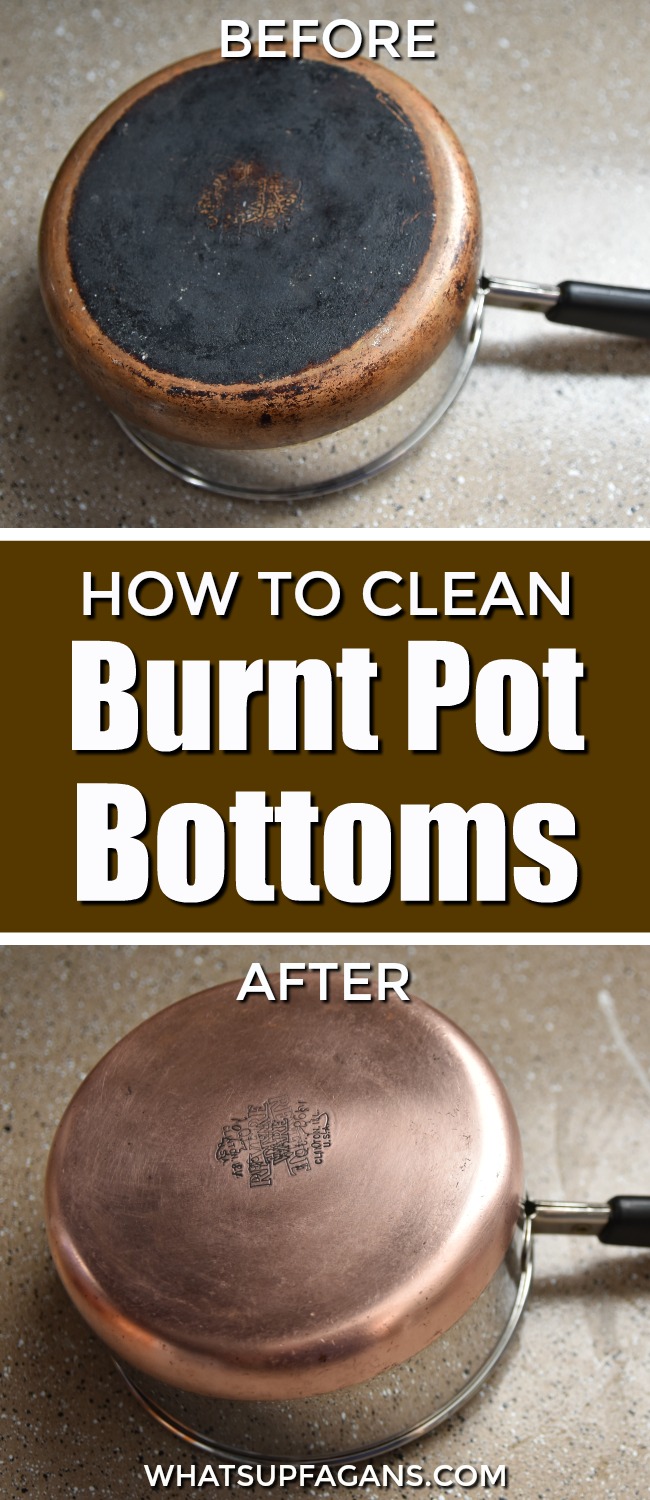
Have you ever faced the frustration of a burnt saucepan bottom ruining your cooking experience? It’s annoying, right?
That stubborn black layer can make your favorite pan look old and useless. But don’t worry—cleaning it doesn’t have to be a nightmare. You’ll discover simple, effective ways to restore your saucepan’s shine without harsh chemicals or scrubbing endlessly. Keep reading, and you’ll learn easy tricks that save your pan and your time.
Your kitchen deserves it!
Causes Of Burnt Saucepan Bottoms
Burnt saucepan bottoms happen more than you think. They make cleaning hard and can ruin meals. Understanding the causes helps prevent damage and saves time. Many factors cause burnt residue, from cooking habits to the type of saucepan used. Knowing these causes is the first step to keeping pans clean and food tasty.
Common Cooking Mistakes
Burnt saucepan bottoms often result from simple cooking errors. These mistakes cause food to stick and burn, leaving tough stains. Here are some common errors:
- Cooking on too high heat: High heat burns food quickly and damages the pan’s surface.
- Leaving food unattended: Food can stick and burn if not stirred or watched closely.
- Using insufficient oil or butter: Without enough fat, food sticks directly to the pan’s surface.
- Overcooking food: Cooking for too long dries out food and causes burning.
- Not preheating the pan: Adding food to a cold pan can cause uneven cooking and sticking.
Proper cooking techniques reduce burnt spots. Here is a quick guide:
| Cooking Step | Tip to Prevent Burning |
|---|---|
| Heating Pan | Preheat on medium heat before adding ingredients |
| Cooking Temperature | Use low to medium heat for delicate foods |
| Stirring | Stir frequently to prevent sticking |
| Fat Usage | Add enough oil or butter to coat the pan |
Following these steps helps keep your saucepan bottoms clean and food safe.
Types Of Saucepans And Their Vulnerabilities
Different saucepans react differently to heat and food. Some materials burn food faster or stain more easily. Knowing your pan type helps avoid burnt bottoms.
Here are common saucepan types and their weak points:
- Non-stick pans: Heat damage can ruin the coating, making food stick and burn.
- Stainless steel pans: Food can stick if heat is too high or fat is too low.
- Cast iron pans: Need seasoning; without it, food sticks and burns easily.
- Aluminum pans: Heat unevenly, causing hotspots that burn food.
Compare these types in the table below:
| Pan Type | Vulnerabilities | Care Tips |
|---|---|---|
| Non-stick | Coating damage, scratches, overheating | Use low heat, avoid metal utensils |
| Stainless Steel | Food sticking, discoloration | Preheat properly, use enough oil |
| Cast Iron | Rust, food sticking without seasoning | Season regularly, dry thoroughly |
| Aluminum | Uneven heating, warping | Use moderate heat, avoid sudden temperature changes |
Understanding these details helps choose the right pan and avoid burnt bottoms. Proper care keeps pans lasting longer and cooking easier.
Credit: homecleaningfamily.com
Safety Tips Before Cleaning
Cleaning a burnt saucepan bottom needs care and attention to safety. Before starting the cleaning process, it is important to take some safety steps. These steps protect you from burns and injuries. Following safety tips makes the cleaning easier and safer. Always prepare yourself to handle the pan and cleaning materials carefully. This section covers essential safety tips before cleaning the burnt saucepan bottom.
Handling Hot Pans
Never clean a saucepan while it is still hot. Hot pans can cause serious burns. Wait until the pan cools down completely. Cooling may take 20 to 30 minutes depending on the pan size and heat level.
Use these tips to handle pans safely:
- Do not touch the pan with bare hands. Use oven mitts or heat-resistant gloves.
- Place the pan on a stable, heat-resistant surface to avoid slipping or tipping.
- Check if the pan is cool by carefully touching the handle or side.
Handling hot pans wrongly can cause accidents. Use a clean cloth or paper towel to hold the pan if you do not have gloves. Avoid placing hot pans on plastic or wood surfaces. These materials can melt or catch fire.
| Do | Don’t |
|---|---|
| Wait for pan to cool fully | Touch pan with bare hands immediately after cooking |
| Use oven mitts or gloves | Hold pan without protection |
| Place pan on heat-proof surface | Put pan on plastic or wooden surfaces |
Protective Gear To Use
Wearing the right protective gear protects your skin and eyes during cleaning. Burnt saucepans often need scrubbing with strong cleaners. These cleaners may irritate the skin. Protective gear also prevents injuries from sharp scrubbers or tools.
Essential protective gear includes:
- Rubber gloves: Protect hands from chemicals and hot water.
- Apron: Keeps clothes clean and protects skin from splashes.
- Safety goggles: Protect eyes from cleaning sprays and debris.
Choosing good quality gear is important. Gloves should fit well and be thick enough to resist tears. Goggles should cover the eyes fully and have a secure fit. An apron made from waterproof material offers better protection.
Here is a quick guide to protective gear:
| Protective Gear | Purpose | Tips |
|---|---|---|
| Rubber gloves | Protect skin from chemicals and heat | Use durable, tear-resistant gloves |
| Apron | Protect clothes and skin from splashes | Choose waterproof or plastic aprons |
| Safety goggles | Protect eyes from sprays and debris | Wear goggles that fit securely around eyes |
Basic Cleaning Methods
Cleaning a burnt saucepan bottom can seem tough. Basic cleaning methods help remove burnt marks without harsh chemicals or scrubbing hard. These simple steps restore your pan’s shine and make cooking easier. Start with easy, safe techniques before trying stronger solutions. Patience and the right approach bring good results.
Soaking In Warm Soapy Water
Soaking is the easiest way to loosen burnt food stuck on the pan’s bottom. Use warm water and dish soap to soften the burnt layer. This reduces the effort needed to clean the pan afterward.
Follow these steps:
- Fill the saucepan with warm water, enough to cover the burnt area.
- Add a few drops of dish soap.
- Let the pan soak for 1 to 2 hours. For tough burns, soak overnight.
- Use a soft sponge or cloth to scrub the burnt spots gently.
- Rinse the pan well with clean water.
Tips to improve soaking:
- Use a plastic or silicone spatula to scrape off loose burnt bits before scrubbing.
- Avoid metal scrubbers to protect the pan’s surface.
- Repeat soaking if some burnt residue remains.
| Step | Action | Time |
|---|---|---|
| 1 | Fill pan with warm soapy water | Immediate |
| 2 | Soak to soften burnt residue | 1-2 hours (or overnight) |
| 3 | Gently scrub with soft sponge | 5-10 minutes |
| 4 | Rinse and dry | Immediate |
Soaking is gentle and safe for all pan types. It works best for recent burns and light stains. For older or heavier burns, try a second method for better results.
Using Baking Soda And Vinegar
Baking soda and vinegar create a natural cleaning duo. They break down burnt food and lift stains without damaging pans. This method works well for stubborn, hard-to-remove burnt spots.
Steps to clean with baking soda and vinegar:
- Sprinkle a generous layer of baking soda over the burnt area.
- Pour white vinegar slowly over the baking soda. Expect fizzing.
- Let the mixture sit for 10-15 minutes.
- Use a sponge or brush to scrub the pan gently.
- Rinse thoroughly with warm water.
Why this works:
- Baking soda acts as a mild abrasive to scrub burnt bits.
- Vinegar’s acidity dissolves burnt food and grease.
- Fizzing helps lift residue from the pan’s surface.
Safety and tips:
- Use white vinegar only. Other vinegars may stain.
- Do not use this method on aluminum pans; it can damage them.
- Repeat the process for very tough stains.
| Ingredient | Role | How to Use |
|---|---|---|
| Baking Soda | Mild abrasive to scrub burnt marks | Sprinkle over burnt spots |
| White Vinegar | Acid to dissolve burnt residue | Pour slowly over baking soda |
This method is effective and eco-friendly. It cleans without harsh chemicals and keeps your pan safe for cooking. Use it regularly for burnt pans that soaking alone cannot clean.
Natural Cleaning Remedies
Cleaning a burnt saucepan bottom can seem tough, but natural cleaning remedies make it easier and safer. These remedies use simple household ingredients to remove burnt stains without harsh chemicals. They protect your cookware and the environment. Natural methods also save money and reduce waste. Using ingredients like lemon, salt, and cream of tartar can restore your saucepan’s shine gently. These remedies work well and are easy to follow. You only need a few steps and common kitchen items. Let’s explore two effective natural cleaning remedies that help clean burnt saucepan bottoms quickly and efficiently.
Lemon And Salt Scrub
The lemon and salt scrub is a classic natural remedy to clean burnt pans. Lemon’s acidity breaks down burnt food, while salt acts as a mild abrasive. This combo removes stains without scratching the pan surface. It is safe for stainless steel and non-stick pans.
Follow these simple steps:
- Cut a lemon in half.
- Sprinkle a generous amount of salt on the burnt area.
- Use the lemon half to scrub the salted area in circular motions.
- Let it sit for 5-10 minutes to loosen burnt residue.
- Rinse the pan with warm water and wipe clean.
If the burnt stains are tough, repeat the process or leave the lemon and salt mixture overnight. The natural acids soften burnt layers, making them easier to scrub off the next day.
| Ingredient | Role |
|---|---|
| Lemon | Breaks down burnt food with natural acid |
| Salt | Acts as a gentle abrasive to scrub stains |
This method leaves your saucepan smelling fresh and looking clean without harsh chemicals. It is perfect for light to moderate burnt stains. Use a soft cloth or sponge to avoid damaging non-stick surfaces.
Cream Of Tartar Paste
Cream of tartar is another natural ingredient that cleans burnt saucepan bottoms effectively. It is mildly acidic and helps lift burnt residue without scratching. Mixing cream of tartar with water creates a paste that clings to burnt areas for deep cleaning.
Here is how to use cream of tartar paste:
- Mix 2 tablespoons of cream of tartar with enough water to form a thick paste.
- Apply the paste evenly over the burnt bottom.
- Let it sit for 30 minutes to an hour to break down the burnt layer.
- Scrub gently with a soft sponge or cloth.
- Rinse thoroughly with warm water.
This paste works well on stainless steel and enamel pans. Avoid using it on non-stick surfaces to prevent damage. For stubborn stains, apply the paste again or use a plastic scraper to remove loosened residue.
| Step | Action |
|---|---|
| 1 | Mix cream of tartar and water to make paste |
| 2 | Apply paste on burnt area |
| 3 | Wait 30-60 minutes |
| 4 | Scrub and rinse |
Cream of tartar paste is gentle but effective. It removes burnt stains without harsh scrubbing or chemicals. Use it regularly to keep pans clean and extend their life.
Commercial Cleaning Products
Cleaning a burnt saucepan bottom can be tough. Stubborn stains and burnt layers often resist simple washing. Commercial cleaning products offer powerful solutions. These products are designed to tackle tough grime and burnt residues effectively. Using them correctly can restore your saucepan’s bottom to a clean, smooth surface. Choosing the right product and applying it properly is key to success.
Choosing The Right Cleaner
Not all commercial cleaners work the same. Some are strong and best for heavy burns, while others are gentle for light stains. Picking the right cleaner depends on your saucepan’s material and how burnt it is.
- For stainless steel: Look for cleaners labeled safe for metal. They remove burnt food without scratching.
- For non-stick pans: Use mild cleaners to avoid damaging the coating.
- For heavy burnt layers: Choose products with strong degreasers or mild acids like oxalic acid.
Below is a simple guide to help select the best commercial cleaner:
| Type of Burnt Stain | Recommended Cleaner | Notes |
|---|---|---|
| Light burnt residue | Baking soda-based cleaners | Gentle and safe for most pans |
| Medium burnt stains | Commercial degreasers | Effective on grease and moderate burns |
| Heavy burnt layers | Oxalic acid or heavy-duty cleaners | Use carefully; may damage sensitive surfaces |
Always check the product label for safety instructions. Test the cleaner on a small area first. This prevents damage to the saucepan’s surface.
Application Techniques
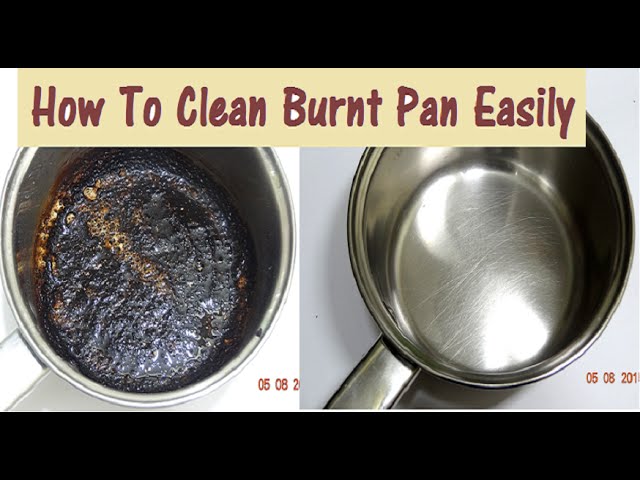
Applying commercial cleaners properly improves results. Follow these steps for efficient cleaning:
- Wear gloves: Protect your skin from harsh chemicals.
- Read instructions: Each product has specific directions for use.
- Apply cleaner: Spread evenly on the burnt area with a sponge or cloth.
- Let it sit: Allow the product to work for the recommended time, usually 10-30 minutes.
- Scrub gently: Use a non-abrasive scrubber to avoid scratches.
- Rinse thoroughly: Remove all cleaner residues to prevent damage or taste alteration.
Repeat the process if stains remain. Avoid using steel wool or metal scrubbers on non-stick pans. These can ruin the coating. For stainless steel, a bit more scrubbing power is safe.
Patience matters. Let the cleaner work before scrubbing hard. This saves effort and protects your saucepan.
Credit: www.youtube.com
Advanced Techniques For Stubborn Burns
Burnt saucepans can be tough to clean, especially when the burnt layer sticks hard to the bottom. Basic scrubbing may not work well for these stubborn burns. Advanced techniques help remove these tough stains without damaging your saucepan. These methods use common household items and a bit of effort to restore your pan’s shine.
Boiling Water And Baking Soda Method
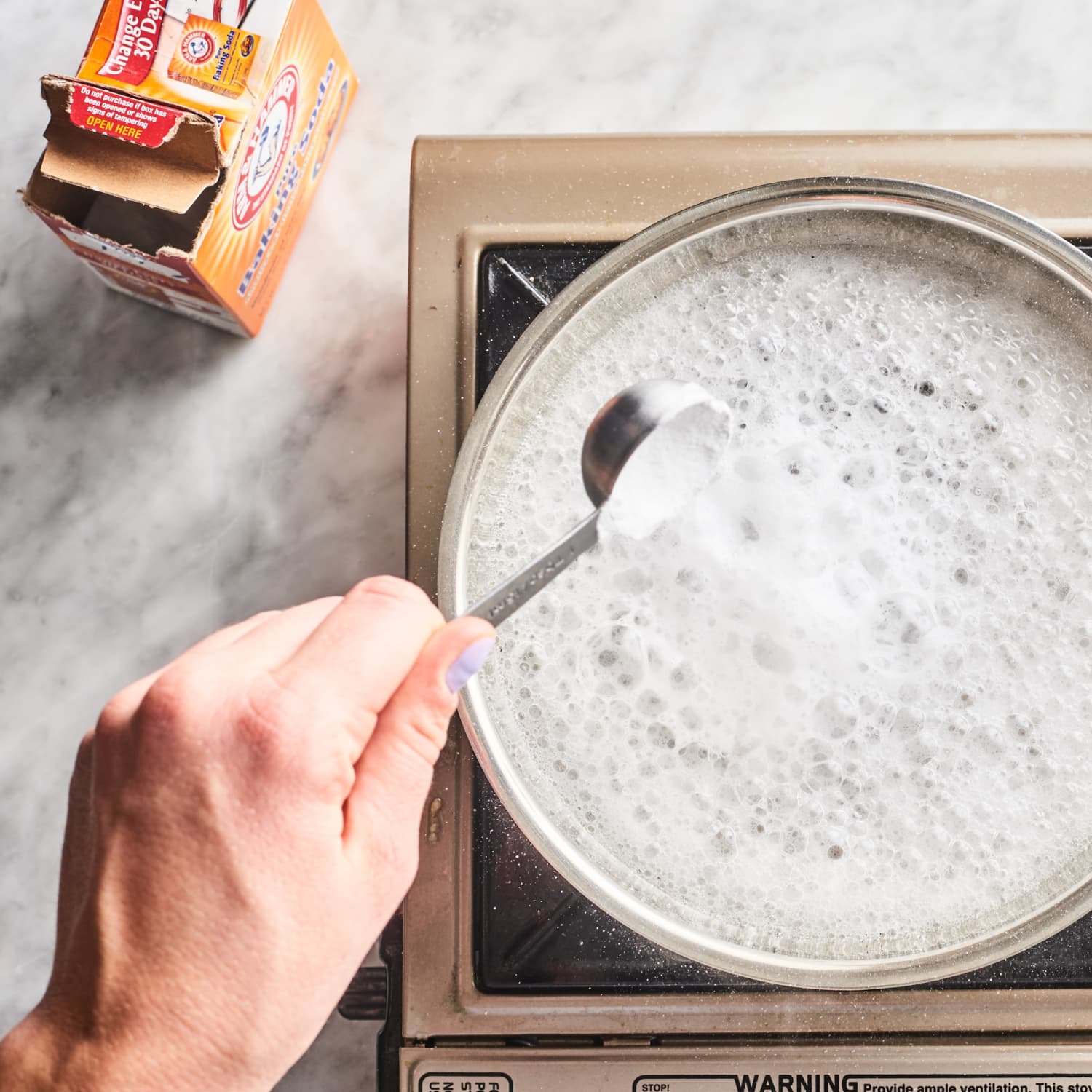
This method softens burnt residue, making it easier to remove. Baking soda acts as a gentle abrasive and helps lift burnt food without scratching the pan. Follow these simple steps:
- Fill the saucepan with enough water to cover the burnt area.
- Add 2-3 tablespoons of baking soda to the water.
- Place the pan on the stove and bring the water to a boil.
- Let it boil for 10-15 minutes. The heat and baking soda will loosen the burnt bits.
- Turn off the heat and allow the water to cool down slightly.
- Use a wooden or silicone spatula to gently scrape off the softened burnt residue.
- Discard the water and wash the pan as usual with dish soap.
Tips for best results:
- Do not use metal utensils to scrape; they can scratch the pan.
- Repeat the process if the burn is very stubborn.
- Use warm soapy water for the final clean to remove any leftover baking soda.
| Step | Action | Purpose |
|---|---|---|
| 1-2 | Fill pan with water and add baking soda | Prepare solution to loosen burnt food |
| 3-4 | Boil for 10-15 minutes | Heat activates baking soda to break down residue |
| 5-6 | Cool and scrape gently | Remove softened burnt bits without damage |
| 7 | Wash with soap | Clean pan and remove baking soda traces |
Using Steel Wool Or Scrubbing Pads
For very stubborn burnt spots, mechanical scrubbing can help. Steel wool and scrubbing pads provide strong abrasion. Use caution to avoid scratching pans with delicate surfaces like non-stick or ceramic.
Steps to follow:
- Choose the right scrubbing tool. Use steel wool for stainless steel pans.
- For non-stick or coated pans, select a soft scrubbing pad to avoid damage.
- Wet the burnt area with warm water and a few drops of dish soap.
- Scrub the burnt area with medium pressure in circular motions.
- Rinse the pan frequently to check progress.
- Repeat scrubbing until the burnt residue loosens and comes off.
- Rinse thoroughly and dry with a clean cloth.
Important safety tips:
- Do not scrub too hard on non-stick pans to protect the coating.
- Always wet the pan before scrubbing to reduce scratching.
- Wear gloves to protect your hands from rough surfaces.
- Test scrubbing on a small area first if unsure.
This method works well for metal pans and heavy burns. Combining it with the boiling water and baking soda method can give better results. It removes burnt food faster and restores the pan’s surface.
Preventing Future Burnt Bottoms
Burnt saucepans are frustrating to clean and can damage your cookware. Preventing future burnt bottoms saves time and keeps your pans in good shape. Simple habits and care can stop burns before they happen. Focus on controlling heat and regular cleaning. These steps help your saucepan last longer and cook better.
Proper Heat Management
Managing heat well is key to avoiding burnt saucepan bottoms. High heat can quickly burn food and ruin pans. Use medium or low heat for most cooking tasks. This keeps food cooking evenly without sticking or burning.
- Start with medium heat: It heats the pan gently and prevents sudden burning.
- Reduce heat when simmering: Lower heat stops food from sticking and burning.
- Use a heat diffuser: This spreads heat evenly on gas stoves.
Some pans react differently to heat. Here’s a quick guide:
| Pan Type | Recommended Heat Level | Why |
|---|---|---|
| Non-stick | Low to Medium | High heat damages coating |
| Stainless Steel | Medium to High | Handles high heat well but avoid overheating |
| Cast Iron | Low to Medium | Retains heat well; avoid sudden high heat |
Tip: Always preheat pans slowly. Avoid empty pans on high heat. This practice reduces the risk of burning food and damaging cookware.
Routine Maintenance Tips
Regular care keeps pans clean and prevents burnt buildup. Clean pans after each use to stop food residue from hardening. Use gentle scrubbing tools to protect the surface. Avoid metal scrubbers on non-stick pans.
- Wash immediately: Warm water and mild soap remove food particles easily.
- Soak tough stains: Fill the pan with warm soapy water for 15-30 minutes.
- Use natural cleaners: Baking soda and vinegar help remove stains without harsh chemicals.
Store pans properly to avoid scratches and damage. Stack with paper towels or cloth between pans. Inspect pans regularly for damage or warping that causes uneven cooking.
Basic maintenance routine:
- Clean after every use with soft sponge.
- Soak and scrub burnt spots gently.
- Dry thoroughly to prevent rust.
- Store pans carefully to avoid damage.
- Check for warping and replace damaged pans.
Good maintenance stops burnt buildup and extends pan life. It also improves cooking results by ensuring even heat distribution.
Credit: www.thekitchn.com
Frequently Asked Questions
How Do I Remove Burnt Stains From A Saucepan Bottom?
Soak the burnt saucepan in warm soapy water for 30 minutes. Scrub gently with a non-abrasive sponge. Use baking soda paste for stubborn stains. Rinse well and dry thoroughly.
Can Vinegar Help Clean A Burnt Saucepan Bottom?
Yes, vinegar is effective for burnt stains. Boil equal parts water and vinegar in the pan for 10 minutes. Let it cool, then scrub with a sponge. Rinse and dry for best results.
Is Baking Soda Good For Cleaning Burnt Saucepans?
Baking soda is excellent for cleaning burnt saucepans. Make a paste with water, apply to burnt areas, and let it sit 15 minutes. Scrub gently and rinse thoroughly to restore the pan’s surface.
What Household Items Clean Burnt Saucepans Safely?
Vinegar, baking soda, lemon juice, and dish soap are safe options. These items dissolve burnt residue without damaging the pan. Use gentle scrubbing tools to avoid scratches.
Conclusion
Cleaning a burnt saucepan bottom does not have to be hard. Use common household items like baking soda or vinegar. Scrub gently to avoid scratching your pan. Patience helps; tough stains may need more time. Regular cleaning stops buildup and keeps pans shiny.
Now, your saucepan looks almost new again. Enjoy cooking without worrying about burnt marks. Simple steps save money and effort. Try these tips next time your pan burns. You can keep your kitchen tools clean and ready.

Hello, This is Annie Walker, a 38-year-old blogger, founder, and editor of Cookware Guider from NY, USA. I am a cookware fanatic and passionate cooker. I love to cook with different types of cooking appliances (example: all types of cookware, rice cookers, slow cookers, etc) almost every day in my kitchen. I love to share my experience with my readers in my blog. Also, I enjoy helping people to solve their problems through my website. You can follow me on Twitter & Pinterest. To know details about my blog please check the about us page.