
Poached eggs are a delicious and healthy way to enjoy breakfast, but many people find them tricky to make. If you’ve ever tried and ended up with a messy or overcooked egg, you’re not alone.
The good news? Cooking perfect poached eggs in a saucepan is easier than you think. With a few simple steps, you can master this skill and impress yourself every time. Keep reading, and you’ll discover exactly how to get those soft, silky whites and runny yolks just right—no fancy tools needed.
Your breakfast game is about to change!
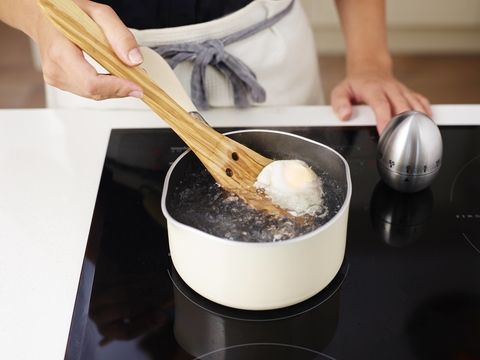
Credit: www.egginfo.co.uk
Choosing Fresh Eggs
Choosing fresh eggs is important for perfect poached eggs. Fresh eggs hold their shape better in water. They have firmer whites and a bright yolk. Old eggs spread out and make a mess in the saucepan. Using fresh eggs makes cooking easier and your eggs look better on the plate.
How To Test Egg Freshness
Try the water test to check if eggs are fresh.
- Fill a bowl with cold water.
- Place the egg gently in the water.
- If the egg sinks and lays flat, it is fresh.
- If it stands upright or floats, it is old.
Floaters are best for baking, not poaching.
Appearance Of Fresh Eggs
Look for these signs when buying eggs:
- Shells should be clean and uncracked.
- Eggs should feel heavy for their size.
- Yolks are bright yellow or orange.
Storage Tips For Fresh Eggs
Store eggs in the fridge to keep them fresh longer.
| Storage Method | Effect on Freshness |
|---|---|
| Refrigerator, in carton | Keeps eggs fresh for 3-5 weeks |
| Room temperature | Fresh only for 1-2 weeks |
| Refrigerator, loose | Eggs absorb odors, freshness reduces |
Why Fresh Eggs Poach Better
Fresh eggs have thick whites that hold shape in simmering water. They do not spread thin. This gives a neat, round poached egg. Older eggs have watery whites that float away. This makes poaching tricky and messy.
Preparing The Saucepan
Cooking poached eggs in a saucepan starts with preparing the pan correctly. This step is crucial for getting the perfect texture and shape of the eggs. The right water level and temperature, along with adding certain ingredients, help the egg whites hold together and cook evenly. Proper preparation reduces the risk of eggs spreading too much or breaking apart in the water. Understanding these basics makes the poaching process smooth and successful every time.
Water Level And Temperature
Start by filling the saucepan with enough water to cover the eggs by about 2 to 3 inches. This depth allows the eggs to float freely without touching the bottom, which helps them cook evenly.
- Water depth: 2 to 3 inches (5 to 7.5 cm)
- Pan size: Choose a pan wide enough for the eggs to have space between them
The water temperature matters more than boiling it vigorously. The ideal temperature for poaching is just below a simmer, about 180°F to 190°F (82°C to 88°C). At this range, small bubbles form on the bottom and sides but do not break the surface. This gentle heat cooks the eggs slowly and keeps the whites tender.
| Water Temperature | Effect on Poached Eggs |
|---|---|
| Below 180°F (82°C) | Too cool, eggs cook slowly and may spread out |
| 180°F to 190°F (82°C to 88°C) | Perfect for tender whites and round shape |
| Above 190°F (88°C) | Water boils, eggs may break apart and become tough |
Use a thermometer to check the water temperature or watch for gentle steam and small bubbles. Avoid a rolling boil that can damage the eggs. Adjust the heat as needed to keep the water calm but hot.
Adding Vinegar Or Salt
Adding vinegar or salt to the water helps the egg whites hold together during cooking. Vinegar is the most common choice because it coagulates the proteins quickly, making the whites firm and less likely to spread.
- White vinegar: Use about 1 to 2 teaspoons per liter (quart) of water
- Other vinegars: Apple cider or rice vinegar can work but may add flavor
Salt has a different effect. It can slightly increase the water’s boiling point, but it does not help the whites set as well as vinegar. Salt can be added after cooking for taste instead.
| Ingredient | Purpose | Amount |
|---|---|---|
| White Vinegar | Helps egg whites firm quickly | 1-2 teaspoons per liter of water |
| Salt | Minor effect on water boiling point | Optional, for seasoning after cooking |
Adding vinegar does not change the taste of the egg if used in small amounts. It only helps keep the eggs neat and tidy. Avoid adding too much vinegar because it can make the eggs taste sour.
Cracking Eggs Properly
Cooking poached eggs in a saucepan starts with cracking the eggs properly. This step is crucial for a clean, smooth poach without broken yolks or bits of shell in the water. Taking time to crack eggs carefully helps keep the egg white intact and makes the cooking process easier. Good cracking technique sets the stage for perfectly shaped poached eggs that look and taste great.
Using A Small Bowl
Using a small bowl to crack eggs is a simple trick that improves control and reduces mess. Instead of cracking eggs directly into the hot water, crack each egg into a small bowl first. This method allows you to check the egg for freshness and shell pieces before adding it to the saucepan.
Steps to crack eggs using a small bowl:
- Tap the egg gently on a flat surface.
- Hold the bowl close to the surface of the water.
- Open the shell slowly over the bowl.
- Check the egg for any shell fragments or blood spots.
- Slide the egg gently from the bowl into the simmering water.
This approach also helps keep the yolk whole by avoiding sudden drops into the water. It lets you control the egg’s placement and prevents splashing. Using a small bowl ensures each egg goes in perfectly, one at a time. It also lets you cook multiple eggs without crowding the pan.
Avoiding Shell Fragments
Shell fragments in poached eggs can ruin the texture and look of your dish. To avoid this, cracking eggs carefully is essential. Tap the egg on a flat surface, not the edge of a bowl or pan. This prevents the shell from breaking into tiny sharp pieces.
Tips to prevent shell fragments:
- Use a flat surface to crack eggs, not a sharp edge.
- Open the shell slowly and gently with your thumbs.
- Keep a small bowl nearby to catch any stray bits.
- Remove any shell pieces immediately with a spoon or fingers.
If a fragment falls into the water, a simple trick is to use a larger piece of eggshell to scoop it out. The shell attracts the small pieces better than fingers or spoons. Avoid rushing. Careful cracking and quick removal of fragments keep the egg white smooth and clean. This makes your poached eggs look perfect and taste fresh.
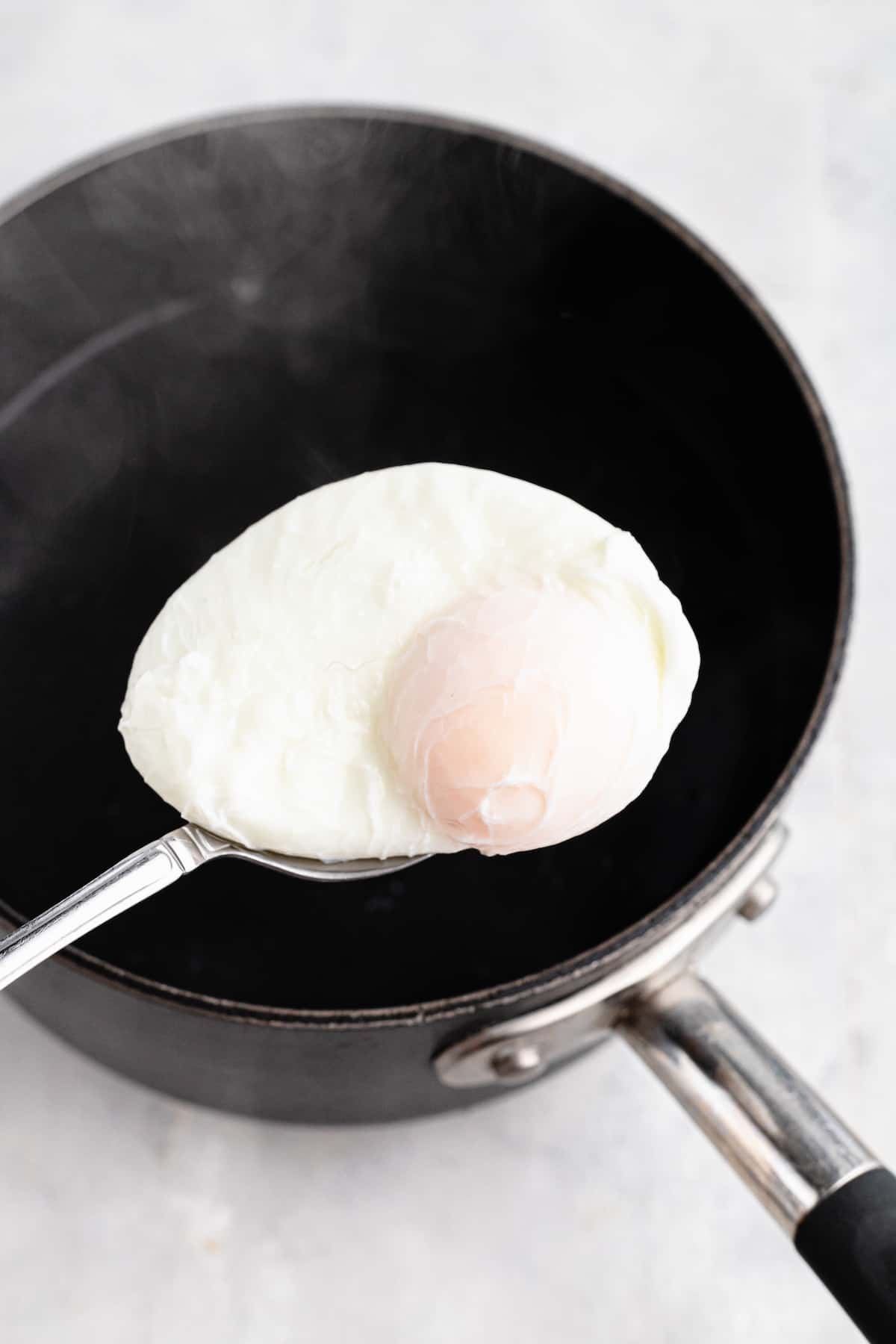
Credit: www.joyfulhealthyeats.com
Cooking Process
Cooking poached eggs in a saucepan requires attention and care to get the perfect texture. The cooking process involves steps that ensure the egg white cooks gently while the yolk stays soft and runny. Using fresh eggs and the right water temperature makes a big difference. This section breaks down the key parts of the process to help you poach eggs confidently.
Creating A Gentle Swirl
Start by filling your saucepan with water, about 3-4 inches deep. Heat the water until it reaches a gentle simmer—small bubbles should form but not boil vigorously.
Creating a swirl in the water helps the egg white wrap neatly around the yolk. Follow these tips:
- Use a spoon or a whisk to stir the water in one direction.
- The swirl creates a gentle vortex in the center of the pan.
- This movement guides the egg white to stay close to the yolk.
- Keep the swirl steady and not too fast to avoid breaking the egg.
The swirl mimics the natural motion of the water, reducing the spread of the egg white. This technique helps produce a round, neat poached egg that looks appealing on any plate.
Sliding Eggs Into Water
After creating the swirl, it’s time to add the eggs. The key is to slide them in gently to keep their shape intact. Here’s how to do it:
- Crack the egg into a small bowl or cup first.
- Hold the bowl close to the surface of the water, near the center of the swirl.
- Slowly tilt the bowl, letting the egg slide out smoothly.
- Avoid dropping the egg from too high to prevent splashing or breaking.
This careful sliding keeps the yolk whole and the white from spreading too much. It also ensures the egg settles quickly into the simmering water, ready to cook evenly.
| Step | Tip |
|---|---|
| Crack Egg | Use a small bowl for control |
| Hold Bowl | Keep close to water surface |
| Slide Egg | Pour gently into swirl center |
Timing The Poaching
Timing is critical for perfect poached eggs. Cook them just long enough to set the white but keep the yolk soft. Follow these guidelines:
- Cook for 3 to 4 minutes for a runny yolk.
- For a slightly firmer yolk, increase to 5 minutes.
- Use a timer to avoid overcooking.
After the set time:
- Use a slotted spoon to lift the egg from the water.
- Let excess water drip off gently.
- Place the egg on a paper towel or kitchen cloth.
Quickly serve the egg or place it on your dish. The perfect poached egg has a soft white that holds its shape and a warm, liquid yolk inside.
Removing And Draining
Removing and draining poached eggs properly is a key step for perfect results. After cooking, eggs are delicate and need gentle handling. Taking them out of the saucepan carefully prevents breaking the yolk. Draining helps remove extra water, so eggs are ready to serve or use in recipes. This step keeps eggs neat and avoids sogginess. Using the right tools and methods makes a big difference in presentation and taste.
Using A Slotted Spoon
A slotted spoon is ideal for lifting poached eggs from hot water. It lets water drain through the slots, keeping eggs intact and less watery. Here are simple steps to use a slotted spoon effectively:
- Choose a spoon with wide slots and a shallow bowl for easy handling.
- Gently slide the spoon under the egg without breaking the yolk.
- Lift slowly and hold above the saucepan to let water drip back.
- Move the egg to a plate or bowl lined with kitchen paper.
Using a slotted spoon reduces the risk of tearing the white or losing the yolk. It also helps keep the egg shape intact. For beginners, practice makes perfect. The spoon gives control and keeps eggs looking smooth and round.
| Tip | Reason |
|---|---|
| Use a shallow spoon | Better support for delicate eggs |
| Hold spoon steady | Prevents egg from slipping |
| Drain over saucepan | Returns water, avoids mess |
Draining Excess Water
Removing water from poached eggs is essential for good texture. Excess water can make eggs soggy and watery. Draining helps eggs stay firm and ready to eat or use. Here are ways to drain eggs well after removing them:
- Place eggs on a plate lined with paper towels.
- Let eggs rest for a minute to absorb water.
- Gently pat eggs dry with another paper towel if needed.
- Avoid stacking eggs to stop them from sticking or breaking.
Paper towels soak up moisture quickly. Using a shallow dish or plate helps eggs keep their shape. Draining also stops eggs from slipping on plates or toast. This step ensures eggs look fresh and taste better.
Here is a quick checklist for draining poached eggs:
- Use clean paper towels for best absorption
- Drain eggs one at a time carefully
- Handle eggs gently to keep yolks whole
- Serve immediately or keep warm briefly

Credit: natashaskitchen.com
Serving Suggestions
Poached eggs cooked in a saucepan create a soft and delicate texture perfect for many meals. Serving these eggs with the right sides and flavors makes the dish more enjoyable and satisfying. Simple choices like toast and seasonings can enhance taste without overpowering the natural flavor of the eggs. Below are some easy serving suggestions to try after cooking poached eggs in a saucepan.
Pairing With Toast
Toast is a classic partner for poached eggs. It adds a crunchy texture that contrasts well with the soft egg white and runny yolk. Choose from different types of bread to suit your taste and dietary needs.
- Whole grain toast: Adds fiber and a nutty flavor.
- Sourdough: Offers a tangy taste that complements the eggs.
- Rye bread: Provides a dense, hearty base.
- Gluten-free options: Great for those with sensitivities.
Lightly butter the toast or spread avocado for extra creaminess. Cut the toast into strips or small pieces. Use it to scoop up the poached eggs and yolk. This makes eating easier and more fun.
| Bread Type | Flavor Profile | Best Spread |
|---|---|---|
| Whole Grain | Nutty, hearty | Butter or hummus |
| Sourdough | Tangy, mild | Avocado or cream cheese |
| Rye | Earthy, dense | Butter or mustard |
| Gluten-Free | Neutral, light | Nut butter or olive oil |
Adding Seasonings
Seasonings bring out the best in poached eggs. They add flavor and make the dish more exciting. Simple seasonings can be used alone or combined for a richer taste.
- Salt and pepper: The basic duo that enhances the egg’s natural flavor.
- Paprika: Adds a smoky or sweet note depending on the type.
- Chili flakes: Gives a gentle heat for spice lovers.
- Fresh herbs: Such as parsley, chives, or dill for brightness.
- Garlic powder: Adds a mild, savory taste.
Try mixing seasonings in small bowls for easy tasting. Sprinkle them lightly over the eggs just before serving. This keeps the texture soft and the flavors fresh.
| Seasoning | Flavor | Recommended Amount |
|---|---|---|
| Salt | Salty, enhances flavor | Pinch |
| Black Pepper | Spicy, sharp | Pinch |
| Paprika | Smoky or sweet | 1/4 teaspoon |
| Chili Flakes | Hot, spicy | 1/8 teaspoon |
| Fresh Herbs | Fresh, aromatic | 1 teaspoon chopped |
Common Mistakes To Avoid
Cooking poached eggs in a saucepan can seem simple, but many make common mistakes that affect the final result. Knowing what to avoid helps achieve smooth, tender eggs with runny yolks. This section highlights frequent errors to watch out for during the poaching process. Avoiding these will improve your cooking and ensure perfect poached eggs every time.
Overcooking
Overcooking poached eggs is a common mistake that ruins their texture and flavor. Eggs left in hot water too long become tough, rubbery, and lose their runny yolk. The ideal poached egg has a soft, slightly firm white and a warm, liquid yolk inside.
Here are signs of overcooked eggs:
- Whites turn rubbery and shriveled
- Yolk becomes hard or chalky
- Eggs lose their fresh, delicate taste
To avoid overcooking, follow these tips:
- Use a timer. Poach eggs for 3 to 4 minutes.
- Lower heat to maintain a gentle simmer, not a boil.
- Remove eggs immediately once whites are set.
Timing matters. Even 30 seconds too long can change the texture. Use a spoon to gently lift the egg and check firmness. If unsure, drain the egg and cut it open to check the yolk.
| Poaching Time | Egg Texture | Yolk Consistency |
|---|---|---|
| 2 minutes | Very soft whites | Very runny |
| 3 minutes | Firm whites | Runny yolk |
| 4 minutes | Fully set whites | Soft yolk |
| 5+ minutes | Rubbery whites | Hard yolk |
Crowding The Pan
Crowding the saucepan is a frequent error that affects poached eggs’ shape and cooking quality. Adding too many eggs at once lowers water temperature and causes eggs to stick together. This leads to misshapen, unevenly cooked eggs.
Problems caused by overcrowding:
- Eggs merge and lose their neat shape
- Water temperature drops, slowing cooking
- Eggs stick to the pan or each other
- Harder to remove eggs gently
Follow these simple rules to avoid crowding:
- Use a large saucepan with plenty of water
- Poach 1-3 eggs at a time, depending on pan size
- Space eggs apart by 2-3 inches
- Maintain gentle simmer to keep water temperature stable
Tip: Poach eggs in batches if you need more. Use a slotted spoon to carefully transfer finished eggs to a plate. This keeps eggs perfect and prevents damage.
Frequently Asked Questions
How Long Should You Poach Eggs In A Saucepan?
Poach eggs in simmering water for 3-4 minutes. This timing ensures a runny yolk and firm whites. Avoid boiling water to prevent eggs from breaking. Use fresh eggs for best results. Gently slide eggs into water for even cooking.
What Water Temperature Is Best For Poaching Eggs?
Keep the water at a gentle simmer, around 180°F to 190°F (82°C to 88°C). Avoid boiling, which can break eggs apart. Simmering water helps eggs cook evenly and maintain shape. Use a saucepan for controlled temperature and ease of poaching.
Should You Add Vinegar To Poaching Water?
Yes, add 1-2 teaspoons of vinegar to the water. Vinegar helps egg whites coagulate faster and hold their shape. It doesn’t affect egg taste but improves appearance. This is especially helpful if eggs are not very fresh.
How Do You Prevent Eggs From Sticking In The Saucepan?
Use a wide, non-stick saucepan with simmering water. Add a splash of vinegar to help whites set quickly. Stir water gently before adding eggs to create a vortex. This helps eggs wrap around themselves and prevents sticking to the pan.
Conclusion
Poaching eggs in a saucepan is simple and quick. Use fresh eggs and gentle simmering water. A little vinegar helps the egg whites hold shape. Crack eggs carefully and cook for 3-4 minutes. Remove eggs with a slotted spoon and serve hot.
Practice makes perfect; each try improves your skill. Enjoy soft, tasty poached eggs anytime at home. Cooking this way adds a healthy touch to your meals. Try it today and taste the difference.

Hello, This is Annie Walker, a 38-year-old blogger, founder, and editor of Cookware Guider from NY, USA. I am a cookware fanatic and passionate cooker. I love to cook with different types of cooking appliances (example: all types of cookware, rice cookers, slow cookers, etc) almost every day in my kitchen. I love to share my experience with my readers in my blog. Also, I enjoy helping people to solve their problems through my website. You can follow me on Twitter & Pinterest. To know details about my blog please check the about us page.