
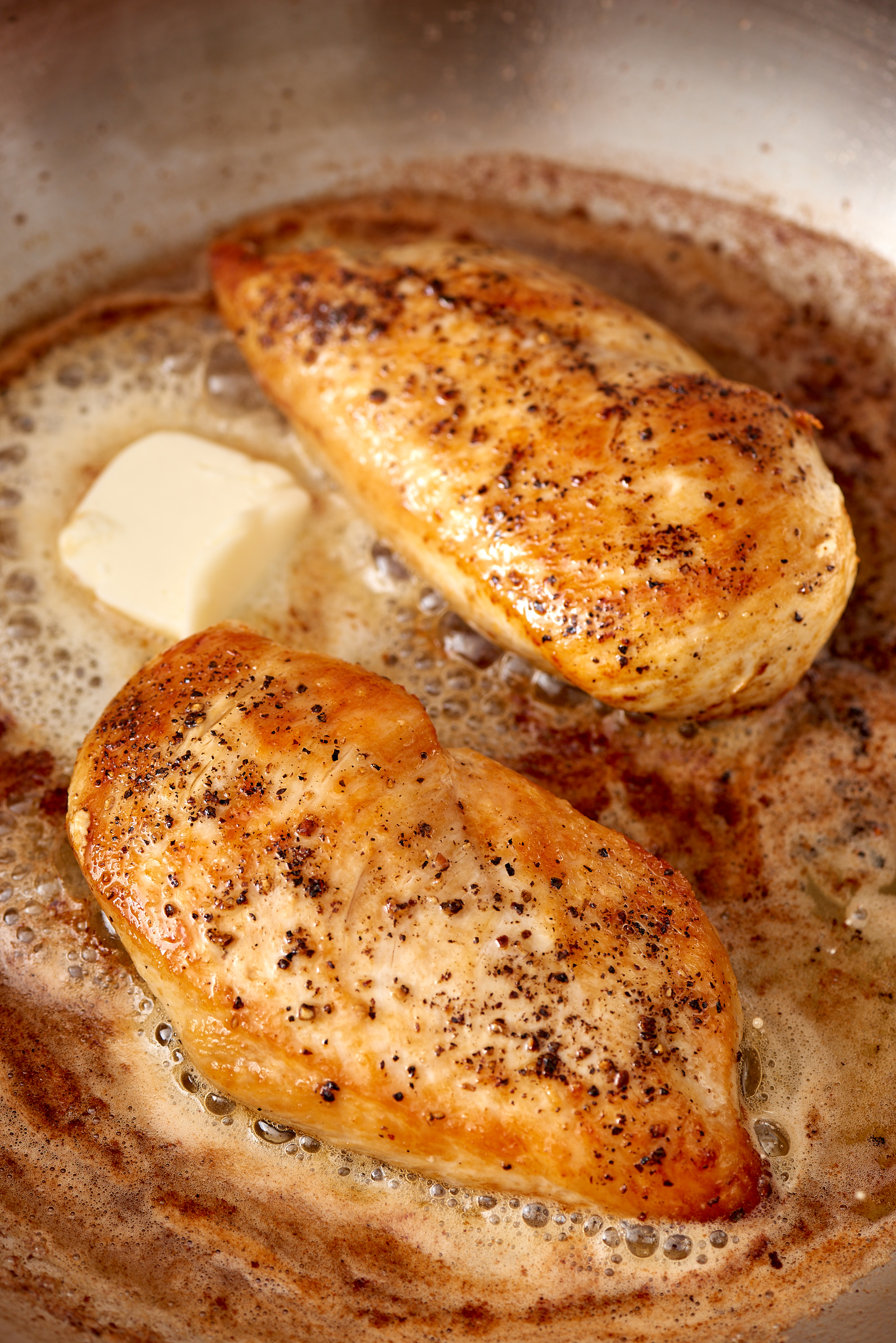
Cooking chicken in a saucepan is easier than you might think. If you want juicy, tender chicken without using the oven or grill, this method is perfect for you.
You’ll learn simple steps that save time and bring out great flavor. By the end of this article, you’ll feel confident making a delicious chicken dish right on your stovetop. Ready to discover how to cook chicken in a saucepan that everyone will love?
Let’s get started!
Credit: www.thekitchn.com
Choosing The Right Chicken
Choosing the right chicken is a key step for cooking chicken in a saucepan. The type and quality of chicken affect the taste and cooking time. Picking the best cut and knowing whether to use fresh or frozen chicken will help you make a delicious meal. Understanding these basics makes the cooking process smoother and the final dish better.
Types Of Chicken Cuts
Different chicken cuts offer different flavors and textures. Choosing the right cut depends on the recipe and cooking method. Some cuts cook faster, while others need more time in the saucepan.
Common chicken cuts include:
- Breast: Lean and tender, cooks quickly. Good for quick recipes.
- Thighs: Juicy and flavorful, stay tender when cooked longer.
- Drumsticks: Meatier and great for slow cooking.
- Wings: Small and best for appetizers or snacks.
- Whole chicken: Good for recipes needing mixed cuts.
Each cut has unique benefits. Use this table to compare:
| Cut | Flavor | Cooking Time | Best for |
|---|---|---|---|
| Breast | Mild, lean | Short | Quick sauces, stir-fries |
| Thigh | Rich, juicy | Medium | Stews, slow sauces |
| Drumstick | Meaty, flavorful | Long | Simmered dishes, braises |
| Wings | Light, tender | Short | Snacks, appetizers |
Choose cuts based on how long you want to cook your chicken in the saucepan. For fast meals, breasts work best. For rich flavors, thighs and drumsticks suit well.
Fresh Vs Frozen Chicken
Fresh and frozen chicken both work well in saucepan cooking. Each has pros and cons to consider. Fresh chicken has a natural taste and texture. Frozen chicken offers convenience and longer storage.
Here are key points about fresh and frozen chicken:
- Fresh chicken: Softer texture, cooks evenly, no ice crystals.
- Frozen chicken: May lose some moisture, needs proper thawing.
- Storage: Fresh lasts a few days in the fridge; frozen lasts months.
- Preparation: Thaw frozen chicken in the fridge or cold water before cooking.
Use this table to compare fresh and frozen chicken:
| Feature | Fresh Chicken | Frozen Chicken |
|---|---|---|
| Taste | More natural and tender | Slightly less tender |
| Texture | Soft and juicy | May be a bit dry if not thawed properly |
| Storage Time | 3-5 days in fridge | Up to 6 months in freezer |
| Preparation | Ready to cook | Needs thawing before cooking |
Choosing between fresh and frozen depends on your plan. Fresh chicken offers the best taste. Frozen chicken suits longer storage and planning ahead. Proper thawing keeps frozen chicken safe and tasty.
Credit: www.budgetbytes.com
Selecting The Saucepan
Choosing the right saucepan is important for cooking chicken perfectly. The saucepan affects how the chicken cooks and how the sauce tastes. Picking a good pan helps heat spread evenly and keeps the chicken juicy. It also stops the sauce from burning or sticking. This section explains how to select the best saucepan for cooking chicken with sauce.
Material And Size
The material of the saucepan controls heat well and lasts long. Different materials work better for different cooking styles. The size of the pan matters too. It should fit the amount of chicken and sauce you plan to cook.
Common saucepan materials:
- Aluminum: Heats quickly and evenly. Often has a non-stick coating. Lightweight and affordable.
- Stainless Steel: Durable and resists rust. Does not react with food. Often used with an aluminum base for better heat.
- Copper: Excellent heat control but expensive. Needs polishing and care.
- Cast Iron: Holds heat well but heavy. Needs seasoning to keep food from sticking.
Choosing the right size:
- For 1 to 2 chicken breasts, a 2 to 3-quart saucepan works well.
- For larger amounts, use a 4 to 5-quart pan to avoid crowding.
- Too small a pan causes uneven cooking and spills.
- Too large a pan wastes heat and can dry out the chicken.
| Material | Pros | Cons |
|---|---|---|
| Aluminum | Quick heating, lightweight, affordable | Can warp, may react with acidic foods |
| Stainless Steel | Durable, non-reactive, easy to clean | Heats slower, can cause sticking |
| Copper | Excellent heat control, stylish | Expensive, requires maintenance |
| Cast Iron | Holds heat, great for searing | Heavy, needs seasoning |
Non-stick Vs Stainless Steel
Choosing between non-stick and stainless steel pans depends on cooking style and cleaning ease. Both types have benefits and some downsides.
Non-stick pans have a special coating that stops food from sticking. They need less oil, which helps make chicken healthier. Cleaning is easy because food slides off. Non-stick pans heat quickly but can be less durable. Avoid metal utensils that can scratch the surface.
Stainless steel pans do not have a coating. They are very strong and last a long time. These pans can handle high heat, which is good for browning chicken. Food can stick if the pan is not hot enough or if you don’t use enough oil. Cleaning takes more effort but they can be scrubbed without damage.
Comparison table:
| Feature | Non-stick | Stainless Steel |
|---|---|---|
| Cooking Ease | Easy, less oil needed | Needs oil, careful heating |
| Durability | Can scratch, less durable | Very durable, scratch-resistant |
| Heat Control | Heats quickly, less high heat | Handles high heat well |
| Cleaning | Easy, food slides off | Needs more scrubbing |
| Best Use | Soft cooking, gentle sauces | Browning, searing, thick sauces |
Tips:
- Use a non-stick pan for tender chicken and light sauces.
- Use stainless steel for a crispy outside and rich sauce flavors.
- Always preheat the pan and add oil before chicken to avoid sticking.
- Use wooden or silicone tools with non-stick pans to protect the surface.
Preparing The Chicken
Cooking chicken in a saucepan starts with preparing the chicken properly. Preparing the chicken well ensures it cooks evenly and tastes great. This step includes cleaning, trimming, and seasoning. Each part affects the final flavor and texture. Taking time here makes your dish better and safer to eat.
Cleaning And Trimming
Start by rinsing the chicken under cold water. This helps remove any dirt or leftover feathers. Use your hands to gently rub the surface. Pat the chicken dry with paper towels to avoid splatter during cooking.
Next, trim the chicken using a sharp knife. Remove excess fat, skin, and any small bones or cartilage. This makes the chicken cook more evenly and improves the texture.
- Remove skin if you want a lighter dish or less fat.
- Trim fat for a cleaner taste and less grease in the pan.
- Cut away any bruises or dark spots for better appearance and flavor.
Here is a simple checklist for cleaning and trimming:
| Step | Action |
|---|---|
| 1 | Rinse chicken under cold water |
| 2 | Pat dry with paper towels |
| 3 | Remove skin and excess fat |
| 4 | Trim off any dark spots or bruises |
| 5 | Cut chicken into even pieces if needed |
Preparing the chicken properly avoids extra grease and uneven cooking. It also helps keep the dish clean and fresh.
Seasoning Options
Seasoning adds flavor and makes the chicken more enjoyable. Use simple spices and herbs to enhance taste without overpowering the sauce.
Basic seasoning includes salt and pepper. These bring out the natural flavors of the chicken. You can add garlic powder, paprika, or onion powder for more taste.
Try these seasoning ideas:
- Italian style: Oregano, basil, garlic powder
- Spicy: Chili powder, cayenne pepper, smoked paprika
- Herbal: Thyme, rosemary, parsley
- Simple: Salt, black pepper, a touch of lemon zest
Mix dry spices before adding to the chicken. Rub the seasoning all over each piece. Let the chicken sit for 10-15 minutes to absorb flavors.
Here is a quick seasoning chart:
| Flavor Style | Spices and Herbs | Suggested Use |
|---|---|---|
| Italian | Oregano, basil, garlic powder | Good for tomato or cream sauces |
| Spicy | Chili powder, cayenne, smoked paprika | Works well with tomato or spicy sauces |
| Herbal | Thyme, rosemary, parsley | Perfect for light cream or butter sauces |
| Simple | Salt, pepper, lemon zest | Fits most sauce types |
Proper seasoning makes your chicken tasty and juicy. It also blends well with the sauce you cook in the saucepan.
Cooking Techniques
Cooking chicken in a saucepan is a simple and tasty way to prepare a meal. Using the right cooking techniques helps keep the chicken juicy and full of flavor. Two key steps are searing the chicken and simmering it in sauce. These methods build taste and texture, making your dish delicious and satisfying.
Searing The Chicken
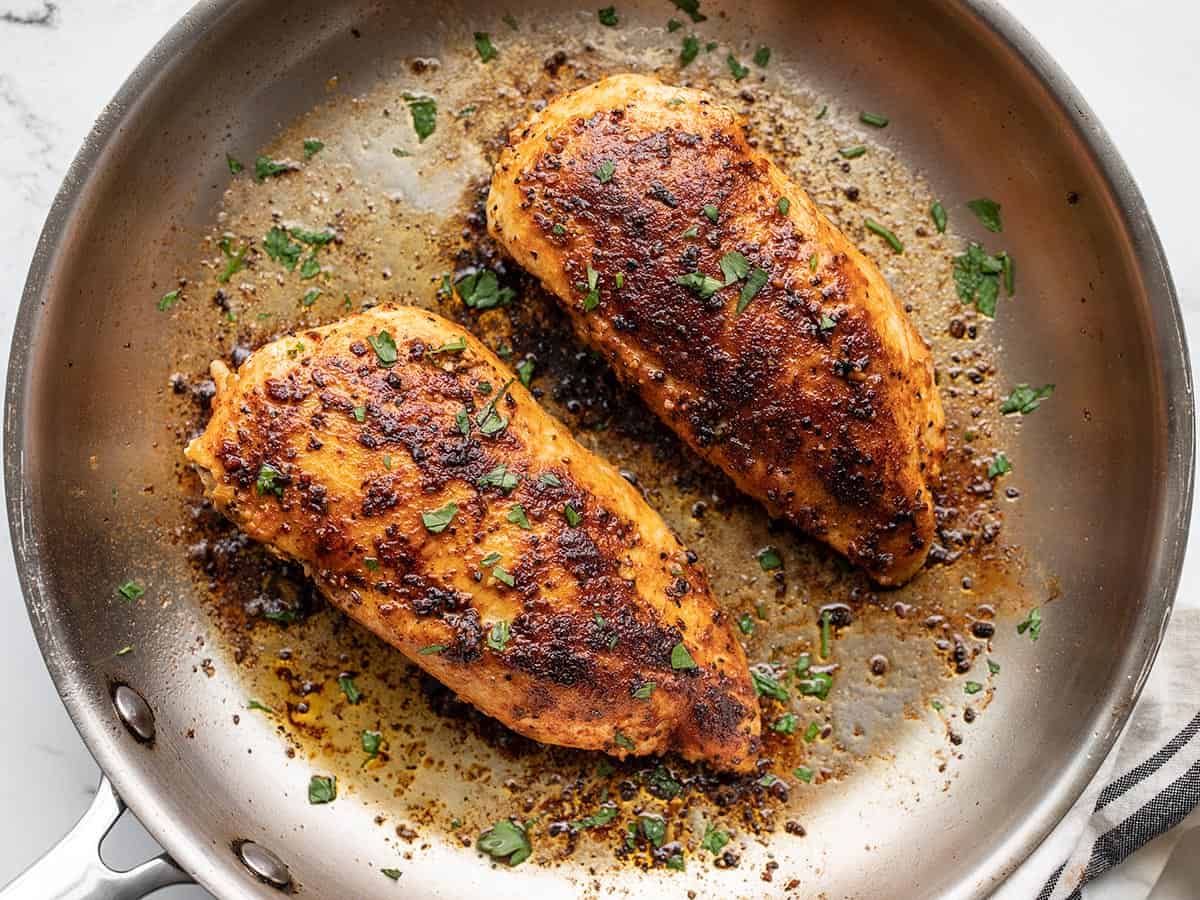
Searing means cooking the chicken quickly at high heat. This process locks in juices and creates a nice brown crust. Start by heating a small amount of oil in the saucepan until it is hot but not smoking. Then, place the chicken pieces in the pan without crowding them.
- Use medium-high heat for best results.
- Do not move the chicken for 3-4 minutes to form a crust.
- Flip the chicken to brown the other side evenly.
- Sear in batches if the pan is crowded to avoid steaming.
Searing adds flavor and improves the look of the chicken. It also helps the meat stay tender during the next cooking steps. Watch for a golden-brown color before turning the chicken. Avoid burning by adjusting the heat if needed. After searing, remove the chicken and set it aside to add back later.
| Step | Details |
|---|---|
| Heat Pan | Medium-high heat with 1-2 tbsp oil |
| Add Chicken | Place pieces without crowding |
| Sear | Cook 3-4 minutes per side until brown |
| Remove | Set aside before simmering |
Simmering In Sauce
Simmering means cooking the chicken slowly in liquid at low heat. This method finishes cooking the meat and lets it soak up flavors from the sauce. After searing, add your sauce ingredients to the saucepan. Then, place the chicken back into the sauce.
Keep the heat low and let the sauce bubble gently. Stir occasionally but do not break the chicken pieces. Simmering helps the chicken become tender and juicy. It also thickens the sauce, making the dish more delicious.
- Use a lid to keep moisture inside the pan.
- Cook for 15-20 minutes or until chicken is fully cooked.
- Check the sauce thickness and adjust by cooking longer or adding liquid.
- Taste and season the sauce during simmering for best flavor.
Simmering is a gentle way to cook chicken that keeps it soft. It blends all the ingredients well. Avoid boiling fast as it can dry out the chicken or cause sauce to burn. Keep the heat low and enjoy the rich taste.
Choosing The Sauce
Choosing the right sauce is key to making delicious chicken in a saucepan. The sauce adds flavor, moisture, and color to your dish. It can turn simple chicken pieces into a tasty meal. Some sauces need long cooking, while others come together fast. Picking a sauce depends on your time, taste, and ingredients. Below are ideas for classic sauces and quick homemade sauces. Each can make your chicken special and easy to cook.
Classic Sauces
Classic sauces have stood the test of time. They bring rich, deep flavors that many people love. These sauces often use simple ingredients but deliver great taste. They work well for all types of chicken dishes cooked in a saucepan.
Here are some popular classic sauces:
- Tomato Sauce: A base of tomatoes, garlic, onions, and herbs. It adds a bright, tangy taste.
- White Sauce (Béchamel): Made with butter, flour, and milk. It creates a creamy texture.
- Brown Sauce: Uses beef stock, onions, and spices. It gives a deep, savory flavor.
- Curry Sauce: A mix of spices, coconut milk, and sometimes yogurt. It is warm and aromatic.
| Sauce | Main Ingredients | Flavor Profile | Cooking Time |
|---|---|---|---|
| Tomato Sauce | Tomatoes, garlic, onion, herbs | Fresh, tangy | 20-30 minutes |
| White Sauce | Butter, flour, milk | Creamy, mild | 10-15 minutes |
| Brown Sauce | Beef stock, onion, spices | Rich, savory | 30-40 minutes |
| Curry Sauce | Spices, coconut milk, yogurt | Spicy, aromatic | 20-30 minutes |
Classic sauces may need some time but reward your dish with strong flavors. They pair well with simple sides like rice, pasta, or bread.
Quick Homemade Sauces
Quick homemade sauces save time and use basic kitchen ingredients. They are perfect for fast meals and beginners. These sauces do not require long cooking or special skills.
Try these quick sauce ideas:
- Lemon Butter Sauce: Butter, lemon juice, and a pinch of salt. Bright and fresh.
- Garlic Yogurt Sauce: Yogurt mixed with crushed garlic, salt, and herbs. Cool and creamy.
- Honey Mustard Sauce: Honey, mustard, and a little vinegar. Sweet and tangy.
- Soy Ginger Sauce: Soy sauce, grated ginger, and a dash of sugar. Savory and sharp.
| Sauce | Main Ingredients | Flavor Profile | Preparation Time |
|---|---|---|---|
| Lemon Butter Sauce | Butter, lemon juice, salt | Bright, fresh | 5 minutes |
| Garlic Yogurt Sauce | Yogurt, garlic, herbs | Cool, creamy | 5 minutes |
| Honey Mustard Sauce | Honey, mustard, vinegar | Sweet, tangy | 5 minutes |
| Soy Ginger Sauce | Soy sauce, ginger, sugar | Savory, sharp | 5 minutes |
Quick sauces mix easily in a bowl or saucepan. They bring great taste without waiting. Use them to add a fresh twist to your chicken. Ideal for busy days or simple dinners.
Timing And Temperature
Cooking chicken in a saucepan requires careful attention to timing and temperature. These two factors ensure the chicken cooks evenly and stays juicy. Cooking too fast or too slow can lead to dry or undercooked meat. Using the right heat and knowing how long to cook each piece helps achieve the best results. This section explains the ideal cooking times for different chicken cuts and how to check if the chicken is done.
Cooking Times For Different Cuts
Different chicken cuts need different cooking times in a saucepan. Thicker pieces take longer, while smaller or thinner cuts cook faster. Maintaining medium heat is key for even cooking without burning the outside.
Here are common chicken cuts and their approximate cooking times:
| Chicken Cut | Cooking Time (minutes) | Notes |
|---|---|---|
| Chicken Breast (boneless, skinless) | 8-12 | Cook on medium heat, turn halfway |
| Chicken Thighs (boneless) | 10-15 | More fat, stays juicy |
| Chicken Drumsticks | 15-20 | Cook covered to retain moisture |
| Chicken Wings | 12-15 | Turn often for even browning |
Tips for cooking times:
- Start with medium heat to avoid burning.
- Adjust time if pieces are very thick or thin.
- Use a lid to speed up cooking and keep moisture.
- Flip pieces halfway through cooking for even color.
Checking For Doneness
Knowing when chicken is fully cooked is very important for safety and taste. Undercooked chicken can cause illness, while overcooked chicken becomes dry and tough.
Here are easy methods to check doneness:
- Use a Meat Thermometer: Insert into the thickest part. The safe temperature is
165°F (75°C). - Cut and Check: Cut into the thickest part. The meat should be white or light pink, not red or raw-looking.
- Juices Run Clear: Press the chicken with a fork. Clear juices mean it is done. Pink juices mean it needs more time.
Additional tips to ensure doneness:
- Check multiple pieces if cooking different sizes.
- Rest the chicken for 5 minutes after cooking. This helps juices spread evenly.
- Cook on medium to medium-low heat for gentle cooking.
Remember: Cooking chicken slowly keeps it moist and tender. High heat can burn outside while leaving inside raw. Patience pays off.
Serving Suggestions
Serving your chicken cooked in a saucepan is the final step that makes the dish inviting and enjoyable. Presentation and pairing are just as important as cooking. Serving suggestions help highlight the flavors and create a balanced meal. Simple ideas can make your meal look and taste better. Below are some easy tips on plating and choosing side dishes to complement your saucepan chicken.
Plating Tips
Plating your chicken well makes the dish more appealing. Use a clean plate with enough space around the food. This gives a neat and organized look. Place the chicken pieces in the center or slightly off-center for a modern touch. Pour a little sauce over the chicken to keep it moist and colorful. Avoid flooding the plate with sauce; a light drizzle works best.
- Use fresh herbs like parsley or cilantro to add color and freshness.
- Arrange vegetables or sides around the chicken for contrast.
- Choose white or light-colored plates to make the food stand out.
- Wipe plate edges clean for a professional look.
Here is a simple plating guide:
| Step | Action | Reason |
|---|---|---|
| 1 | Place chicken pieces neatly | Focus on the main ingredient |
| 2 | Add sauce carefully | Enhance flavor without mess |
| 3 | Garnish with fresh herbs | Add color and aroma |
| 4 | Arrange sides thoughtfully | Create balance and variety |
Plating is simple but impacts how much you enjoy your meal. A little care makes a big difference.
Side Dishes To Complement
Choosing the right side dishes enhances your chicken cooked in a saucepan. Pick sides that balance the flavors and textures. Light, fresh sides work well with rich or creamy sauces. Starchy sides help make the meal filling and satisfying.
- Steamed or roasted vegetables: Broccoli, carrots, or green beans add color and crunch.
- Rice or quinoa: These grains soak up the sauce and add a mild flavor.
- Mashed potatoes: Smooth and creamy, they pair well with thick sauces.
- Simple salad: A green salad with lemon dressing refreshes the palate.
- Crusty bread: Perfect for dipping into the sauce and adds texture.
Use the table below to match sauce types with good side dishes:
| Sauce Type | Best Side Dishes |
|---|---|
| Tomato-based | Rice, steamed vegetables, crusty bread |
| Creamy or cheese-based | Mashed potatoes, green salad, roasted veggies |
| Herb and garlic | Quinoa, sautéed greens, simple salad |
| Spicy or curry | Basmati rice, cucumber salad, naan bread |
Pairing the right sides makes the meal balanced and tasty. Experiment with colors and textures to keep dishes interesting.
Common Mistakes To Avoid
Cooking chicken in a saucepan is simple and quick, but common mistakes can spoil the dish. Avoiding these errors helps keep the chicken juicy and the sauce tasty. This section covers frequent problems and how to prevent them.
Overcooking
Overcooking chicken is a common error that makes meat dry and tough. Chicken cooks fast in a saucepan, so watch the time carefully. Use a timer or keep an eye on the color and texture.
Here are key points to avoid overcooking:
- Cut chicken into even pieces for uniform cooking.
- Cook on medium heat to avoid burning outside while inside stays raw.
- Check the internal temperature with a meat thermometer; 165°F (74°C) is safe.
- Remove chicken from heat as soon as it reaches the right temperature.
Cooking times for different chicken cuts in a saucepan:
| Chicken Cut | Approximate Cooking Time |
|---|---|
| Boneless, skinless breasts | 8-10 minutes |
| Thighs (boneless) | 10-12 minutes |
| Drumsticks | 12-15 minutes |
Rest chicken for a few minutes after cooking. This helps juices redistribute and keeps meat moist.
Sauce Consistency Issues
Sauce consistency affects the whole dish. Too thick or too thin sauce can ruin the meal. Sauce must coat the chicken well and taste balanced.
Common sauce problems and fixes:
- Too runny: Simmer longer to reduce liquid or add thickener like cornstarch mixed with water.
- Too thick: Add small amounts of water, broth, or milk to loosen sauce gradually.
- Grainy or lumpy: Stir sauce constantly while cooking to prevent lumps. Use a whisk for smooth texture.
Tips for perfect sauce consistency:
- Start with less liquid; add more if needed during cooking.
- Use a wide saucepan to help sauce reduce evenly.
- Control heat; high heat can cause sauce to burn or separate.
Use this quick guide to adjust sauce thickness:
| Issue | Cause | Fix |
|---|---|---|
| Sauce too thin | Not reduced enough or too much liquid | Simmer to reduce or add thickener |
| Sauce too thick | Over-reduced or excess thickener | Add liquid slowly and stir |
| Lumpy sauce | Improper stirring or thickener clumps | Whisk continuously, mix thickener before adding |

Credit: www.jessicagavin.com
Frequently Asked Questions
How Long To Cook Chicken In A Saucepan?
Cook chicken in a saucepan for 15-20 minutes over medium heat. Ensure the internal temperature reaches 165°F (75°C) for safety. Avoid overcooking to keep the chicken tender and juicy.
What Type Of Sauce Works Best For Saucepan Chicken?
Tomato-based, cream-based, or soy-based sauces work well. Choose sauces that complement chicken flavors. Thick sauces help retain moisture during cooking in a saucepan.
Should Chicken Be Covered While Cooking In A Saucepan?
Yes, covering the saucepan helps trap steam and cook chicken evenly. It also keeps the sauce from reducing too quickly. Use a tight-fitting lid for best results.
Can I Cook Frozen Chicken In A Saucepan?
It’s safer to thaw chicken before cooking in a saucepan. Cooking frozen chicken can result in uneven cooking and food safety risks. Defrost in the fridge overnight for best results.
Conclusion
Cooking chicken in a saucepan is simple and quick. You only need a few ingredients and tools. Keep the heat medium to cook the chicken evenly. Stir the sauce often to avoid burning. Taste the sauce to adjust spices as you like.
This method works for many recipes and sauces. Enjoy a warm, tasty meal made at home. Try different sauces to find your favorite flavor. Cooking this way saves time and keeps food moist. Give it a try and enjoy your homemade chicken!

Hello, This is Annie Walker, a 38-year-old blogger, founder, and editor of Cookware Guider from NY, USA. I am a cookware fanatic and passionate cooker. I love to cook with different types of cooking appliances (example: all types of cookware, rice cookers, slow cookers, etc) almost every day in my kitchen. I love to share my experience with my readers in my blog. Also, I enjoy helping people to solve their problems through my website. You can follow me on Twitter & Pinterest. To know details about my blog please check the about us page.