
Rust on your cookware can be frustrating and even ruin your favorite pots and pans. But don’t worry—you don’t have to toss them out or buy new ones.
Imagine bringing your rusty cookware back to life with simple, easy methods you can do right at home. You’ll discover practical tips to remove rust quickly and safely, so your kitchen tools look and work like new again. Keep reading, and say goodbye to rust for good!
Causes Of Rust On Cookware
Rust forms on cookware when metal reacts with moisture and oxygen. This process weakens the surface and can spoil your cooking tools. Understanding what causes rust helps prevent it and keeps your cookware in good shape.
Common Rust Triggers
Water is a main cause of rust. Leaving wet cookware to dry slowly invites rust. Salt and acidic foods can speed up rust formation. Scratches and chips on the surface expose metal to air and moisture. Storing cookware in damp places also raises rust risk.
Materials Prone To Rust
Cast iron and carbon steel rust easily without proper care. These metals need seasoning and drying after use. Stainless steel is more rust-resistant but can still develop rust spots. Aluminum and copper rarely rust but can corrode or discolor under certain conditions.
Safety Tips Before Cleaning Rust
Cleaning rust off cookware can restore its look and safety. Rust removal often involves scrubbing and chemicals. These tasks need care to avoid injury or damage. Follow safety tips before starting rust cleaning. Protect yourself and your kitchen for the best results.
Protective Gear
Wear gloves to protect your hands from rust and cleaning agents. Use rubber or latex gloves for a good grip and safety. Eye protection is important to stop splashes from reaching your eyes. Safety goggles or glasses work well. Consider wearing a mask if you use strong chemicals. This helps avoid breathing in harmful fumes.
Safe Cleaning Environment
Work in a well-ventilated area to reduce fume buildup. Open windows or use a fan to keep air moving. Keep children and pets away from the cleaning space. Clean spills immediately to prevent slips. Use sturdy surfaces to hold your cookware safely. Avoid clutter to stop accidents during cleaning.
Household Items For Rust Removal
Rust on cookware can ruin your cooking experience. Removing rust does not need special chemicals. Common household items often work well. These items are safe and easy to find. They help restore your pots and pans quickly.
Using Vinegar
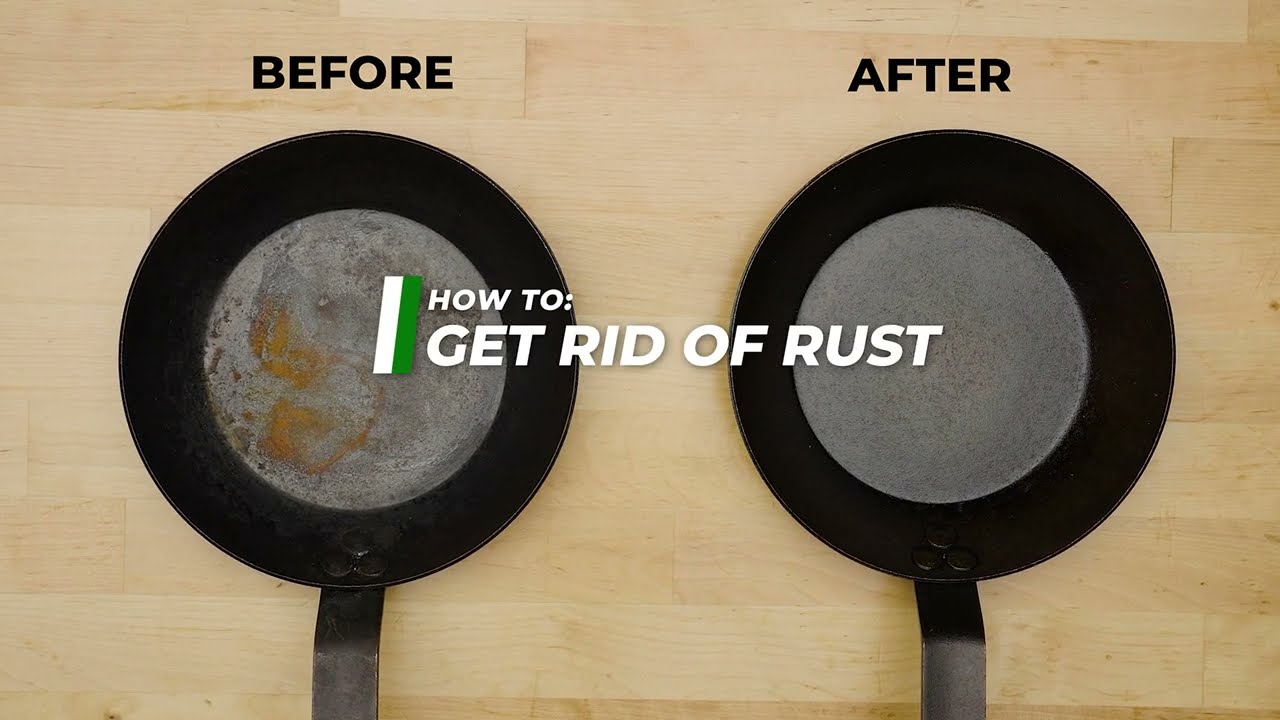
Vinegar is acidic and helps dissolve rust. Soak the rusty cookware in white vinegar for a few hours. After soaking, scrub the rust with a sponge or brush. Rinse well with water and dry thoroughly. This method works best for light to moderate rust.
Baking Soda Paste
Baking soda is gentle but effective for rust removal. Make a thick paste with baking soda and water. Apply the paste to the rusty spots and let it sit for an hour. Scrub the area with a brush or cloth. Rinse off the paste and dry the cookware well.
Lemon And Salt Method
Lemon’s natural acid and salt’s abrasiveness remove rust easily. Sprinkle salt over the rusty area. Squeeze fresh lemon juice on top. Let it sit for two hours. Scrub the rust away using the lemon rind or a brush. Rinse and dry the cookware thoroughly.
Credit: www.youtube.com
Step-by-step Rust Removal Process
Removing rust from cookware is simple if you follow clear steps. This process restores your pots and pans quickly. It prevents rust from spreading and damaging your cookware further. The key is to act gently but thoroughly.
Preparing The Cookware
Start by washing the cookware with warm water and soap. Remove loose dirt and grease first. Dry it with a clean towel to avoid more rust. Place the cookware on a stable surface for easy cleaning.
Applying Cleaning Solutions
Use natural cleaners like vinegar or lemon juice to treat rust. Pour enough solution to cover the rusty areas. Let it sit for 15 to 30 minutes. This softens the rust and makes it easier to remove.
Scrubbing Techniques
Use a soft brush or steel wool to scrub the rust gently. Move in small circles over the rusty spots. Avoid harsh scrubbing to protect the cookware surface. Rinse the area to check if rust is gone. Repeat scrubbing if needed.
Rinsing And Drying
Rinse the cookware well with clean water. Remove all traces of cleaning solution and rust particles. Dry the cookware immediately with a soft cloth. Store it in a dry place to stop rust from returning.
Alternative Commercial Rust Removers
Alternative commercial rust removers offer a quick solution to clean rusty cookware. These products come in many forms and strengths. They can save time and effort compared to natural methods. Using them properly ensures your cookware stays safe and clean.
Types Of Products
Rust removers come as gels, sprays, powders, and liquids. Gels stick to vertical surfaces without dripping. Sprays cover large areas quickly. Powders mix with water to form a paste. Liquids soak rusted items for deep cleaning. Each type suits different cookware shapes and rust levels.
Usage Instructions
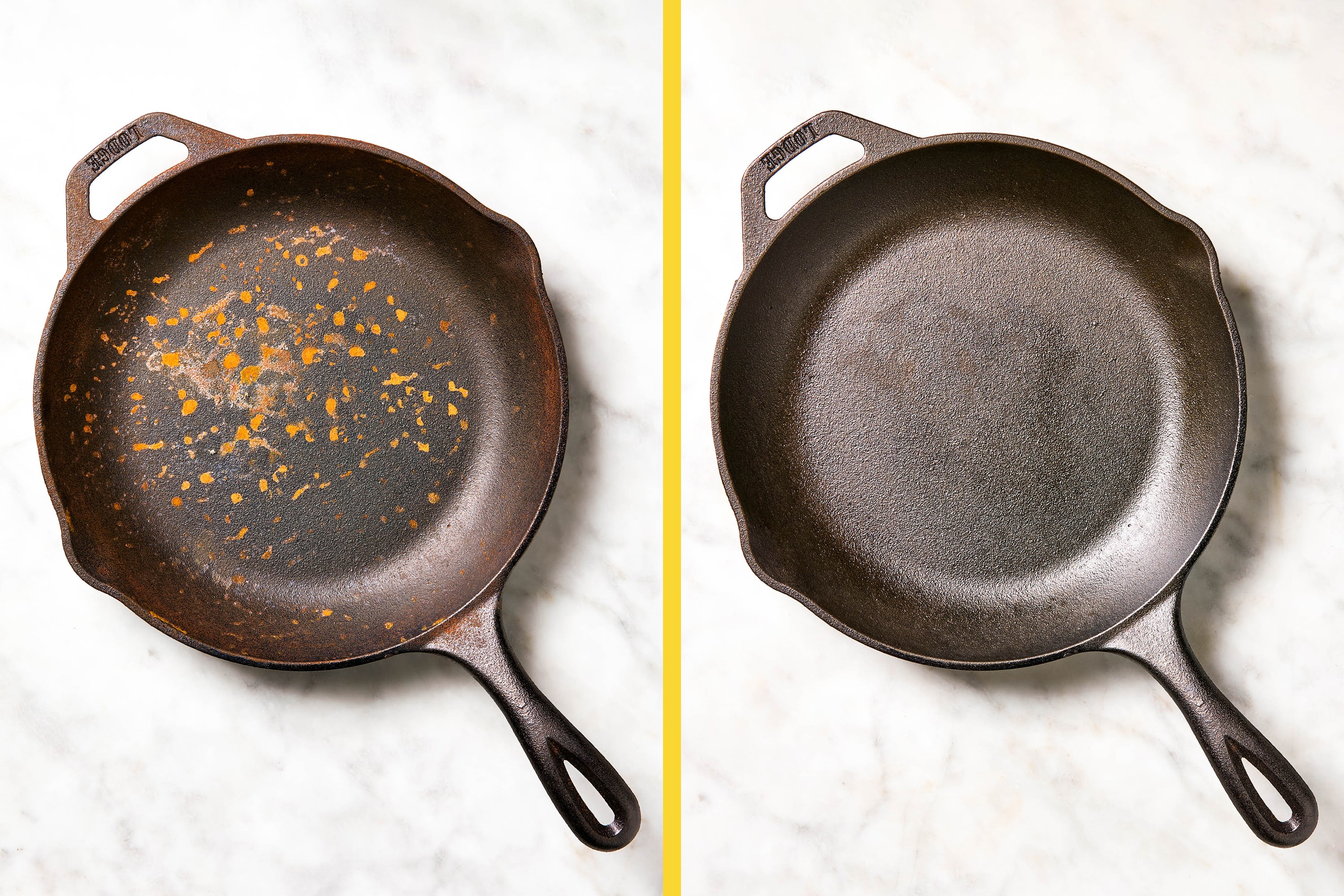
Always read the label before use. Wear gloves to protect your skin. Apply the product evenly on the rusty spots. Let it sit for the time the instructions say. Use a brush or cloth to scrub off rust gently. Rinse thoroughly with water. Dry the cookware well to stop new rust.
Credit: www.thekitchn.com
Preventing Rust On Cookware
Rust can damage cookware and shorten its life. Preventing rust keeps your pans safe and ready to use. Simple steps help stop rust before it starts. Taking care of your cookware pays off in the long run.
Proper Drying Methods
Water causes rust. Always dry cookware completely after washing. Use a clean towel or air dry in a warm place. Avoid leaving cookware wet or damp. This stops moisture from sitting on the surface.
Storage Tips
Store cookware in a dry spot. Avoid humid or damp areas. Stack pans with paper towels between them. This helps absorb moisture and prevents scratches. Use hooks or racks for better air flow.
Regular Maintenance
Check cookware often for signs of rust. Clean pans properly after each use. Use mild soap and soft sponges to protect the finish. Apply a light coat of oil to metal surfaces. This creates a barrier against moisture.
When To Replace Rusty Cookware
Rust on cookware is not always a reason to throw it away. Some rust can be cleaned and removed. But there are times when replacing rusty cookware is the safer choice. Knowing when to replace your pots and pans helps protect your health and cooking quality.
Signs Of Irreparable Damage
Deep rust pits or holes in the cookware show serious damage. Rust that flakes off easily means the metal is weak. Warped or cracked surfaces make cooking uneven and unsafe. If scrubbing does not remove rust, damage is likely permanent. These signs mean it is time to replace the cookware.
Health Considerations
Rust can cause metal to mix with your food. Eating rust particles can upset your stomach or cause illness. Cookware with heavy rust may harbor bacteria. Using badly rusted pots risks food contamination. Replacing rusty cookware protects your health and keeps meals safe.

Credit: www.souschef.co.uk
Frequently Asked Questions
How Do I Remove Rust From Cookware Naturally?
Use white vinegar or lemon juice to soak the rusty cookware. The acid breaks down rust. Scrub gently with a soft brush. Rinse and dry thoroughly to prevent further rusting.
Can Baking Soda Help Remove Rust On Pots?
Yes, baking soda forms a mild abrasive paste when mixed with water. Apply it on rusted areas and scrub gently. It removes rust without damaging cookware surfaces.
What Household Items Effectively Remove Rust From Cookware?
Common items like vinegar, lemon juice, and baking soda work well. They are safe, affordable, and eco-friendly options for rust removal. Always rinse and dry cookware after treatment.
How Long Should Cookware Soak To Remove Rust?
Soak cookware in vinegar or lemon juice for 1-3 hours. This duration allows acids to dissolve rust effectively. Avoid prolonged soaking to protect cookware integrity.
Conclusion
Rust on cookware can be removed with simple household items. Regular cleaning helps keep pots and pans rust-free. Always dry your cookware fully to stop rust from forming. Use gentle scrubbing to avoid damage. Treat rust spots early for best results.
Proper care extends the life of your cookware. Keep your kitchen tools safe and clean. Rust removal is easy with the right steps. Your cookware will look and work better. A little effort goes a long way.

Hello, This is Annie Walker, a 38-year-old blogger, founder, and editor of Cookware Guider from NY, USA. I am a cookware fanatic and passionate cooker. I love to cook with different types of cooking appliances (example: all types of cookware, rice cookers, slow cookers, etc) almost every day in my kitchen. I love to share my experience with my readers in my blog. Also, I enjoy helping people to solve their problems through my website. You can follow me on Twitter & Pinterest. To know details about my blog please check the about us page.