
Your saucepan is one of the hardest-working tools in your kitchen. Over time, it can build up stubborn stains, burnt food, and grease that regular washing just can’t remove.
If you’ve ever struggled to get your saucepan looking clean and shiny again, you’re not alone. But don’t worry—cleaning your saucepan doesn’t have to be a frustrating chore. You’ll discover simple, effective ways to restore your saucepan’s sparkle without wasting time or harsh chemicals.
Keep reading, and you’ll learn tricks that make cleaning easy and even satisfying.
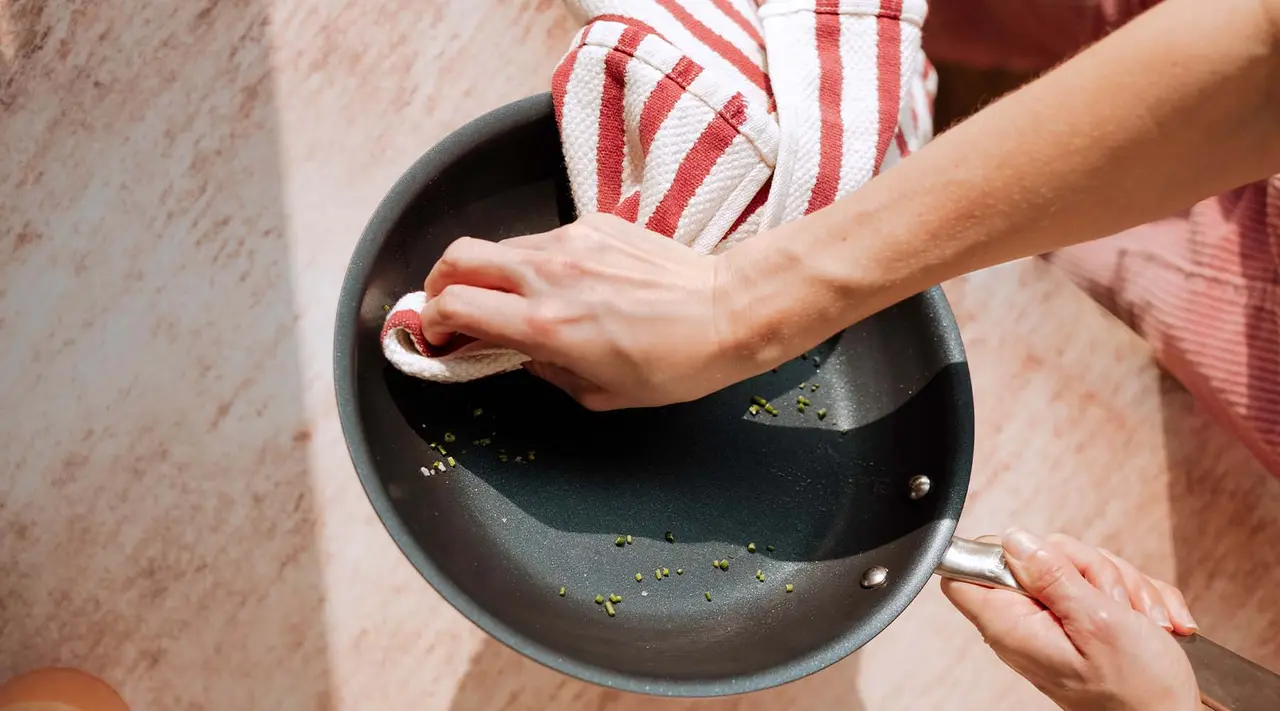
Credit: madeincookware.com
Choose The Right Cleaner
Choosing the right cleaner is essential for keeping your saucepan spotless and lasting longer. Different stains and materials need specific cleaners to avoid damage. Using the wrong product can ruin the pan’s surface or leave stubborn marks. Always pick a cleaner that suits your pan’s material and the type of dirt. This ensures effective cleaning without harm.
Mild Detergents
Mild detergents are safe and effective for everyday saucepan cleaning. They remove grease and light food residues without scratching the surface. These detergents work well on non-stick, stainless steel, and ceramic pans.
Benefits of mild detergents:
- Gentle on pan surfaces
- Non-toxic and safe for kitchen use
- Easy to rinse off without leaving residue
- Affordable and widely available
To use mild detergent:
- Fill the pan with warm water.
- Add a few drops of mild dish soap.
- Use a soft sponge or cloth to scrub gently.
- Rinse thoroughly with clean water.
- Dry with a soft towel to prevent water spots.
| Detergent Type | Best For | Features |
|---|---|---|
| Liquid Dish Soap | All saucepan types | Gentle, easy to use, removes grease |
| Mild Dish Powder | Stainless steel pans | Non-abrasive, good for light stains |
Baking Soda And Vinegar
Baking soda and vinegar make a powerful natural cleaner for tough stains and burnt food. Their chemical reaction helps break down grime without harsh chemicals. Safe for most saucepan materials, this method is eco-friendly and cost-effective.
How to clean with baking soda and vinegar:
- Sprinkle baking soda over the stained area.
- Pour white vinegar slowly to create fizzing.
- Let it sit for 10-15 minutes.
- Scrub gently with a sponge or brush.
- Rinse with warm water and dry.
Advantages of this method:
- Removes burnt food effectively
- Neutralizes odors
- Non-toxic and safe around children and pets
- Does not damage most pan coatings
Use caution on aluminum pans, as vinegar may cause discoloration. Test on a small area first.
Commercial Cleaners
Commercial cleaners offer strong formulas for deep cleaning and tough stains. Designed for cookware, these cleaners dissolve burnt-on food and grease quickly. Choose a product made for your pan’s material to avoid damage.
Types of commercial cleaners:
- Stainless steel cleaner
- Non-stick cookware cleaner
- Multi-purpose kitchen cleaner
Steps to use commercial cleaners:
- Read the product label carefully.
- Apply a small amount to the saucepan surface.
- Let it sit as per instructions (usually a few minutes).
- Scrub with a non-abrasive sponge.
- Rinse well with warm water.
- Dry completely to prevent rust or stains.
Precautions:
- Wear gloves to protect your skin.
- Use in a well-ventilated area.
- Avoid using on pans with delicate coatings.
Commercial cleaners provide fast results but must be used with care. Always test on a hidden spot before full application.
Prepare The Saucepan
Cleaning a saucepan starts with proper preparation. This step sets the stage for effective cleaning and helps protect your cookware. Preparing the saucepan means removing loose food bits and softening tough stains before scrubbing. Taking time here saves effort later and keeps your saucepan in good shape for many uses.
Remove Food Residue
First, clear away any food stuck inside the saucepan. Use a spatula or spoon to scrape off large bits gently. Avoid metal tools that can scratch the surface. Instead, choose plastic or wooden utensils.
- Remove loose food pieces by hand or with a soft brush.
- Rinse the pan under warm water to wash away smaller crumbs.
- Check the edges and corners where food can hide.
Here is a simple table of tools and their use for removing food residue:
| Tool | Use |
|---|---|
| Plastic spatula | Scrapes food without scratching |
| Soft brush | Removes stuck bits gently |
| Warm water | Rinses away loose crumbs |
Removing food residue first helps stop stains from setting. It also makes washing easier and faster. Do not skip this step. Clean pans start with clean surfaces.
Soak For Stubborn Stains
Some stains need extra care. Soaking softens burnt or dried food stuck on the pan. Fill the saucepan with warm water and add a little dish soap. Let it sit for at least 30 minutes. For tougher stains, use hot water but be careful with sensitive pans.
- Fill the saucepan with warm water.
- Add a small amount of dish soap.
- Let soak for 30 minutes or more.
- Check if stains loosened before scrubbing.
For very stubborn stains, mix baking soda with water to form a paste. Apply it to the stains and let it rest for 15 minutes. Baking soda helps break down tough spots without damage.
- Use warm water, not boiling, to protect the pan.
- Soaking saves effort during scrubbing.
- Do not soak pans with wooden parts for too long.
Soaking is a gentle way to prepare your saucepan. It loosens grime and makes cleaning easier. This simple step keeps your saucepan looking new and extends its life.
Cleaning Techniques
Cleaning a saucepan well keeps it shiny and safe for cooking. Different stains and burnt food need different cleaning techniques. Choosing the right method saves time and protects the saucepan’s surface. Below are easy, effective ways to clean your saucepan and make it look new again.
Scrubbing With Non-abrasive Pads
Scrubbing with non-abrasive pads is a gentle way to clean your saucepan without scratching it. These pads work well on light stains and food residues. They remove grime while protecting the saucepan’s finish.
Follow these steps for best results:
- Rinse the saucepan with warm water to remove loose food.
- Apply a few drops of mild dish soap on the non-abrasive pad.
- Gently scrub the saucepan in circular motions, focusing on stuck areas.
- Rinse thoroughly with warm water to remove soap.
- Dry with a soft cloth to avoid water spots.
Non-abrasive pads come in different materials. Here is a quick comparison:
| Pad Type | Best For | Notes |
|---|---|---|
| Cellulose Sponge | Light cleaning, everyday use | Soft and absorbs water well |
| Microfiber Pad | Removing grease and fingerprints | Non-scratch, reusable |
| Non-Scratch Scrubber | Moderate stains, stuck food | Safe for non-stick surfaces |
Tip: Avoid steel wool or rough scrubbers. They can damage the saucepan surface.
Using Natural Abrasives
Natural abrasives clean effectively without harsh chemicals. Ingredients like baking soda and salt help remove burnt food and stains gently.
Try this easy natural abrasive method:
- Sprinkle baking soda or coarse salt over the stained area.
- Add a little water to make a paste.
- Use a soft cloth or sponge to scrub the paste on the stains.
- Let it sit for 10-15 minutes for tough spots.
- Rinse well with warm water and dry.
Other natural abrasives include:
- Lemon juice: Cuts grease and brightens metal.
- Vinegar: Removes mineral deposits and light stains.
- Cornstarch: Absorbs grease and polishes surface.
Here’s a quick guide for using natural abrasives:
| Natural Abrasive | Use | How to Apply |
|---|---|---|
| Baking Soda | Stains, burnt food | Make paste, scrub, rinse |
| Lemon Juice | Grease, brightening | Rub lemon, rinse |
| Vinegar | Mineral build-up | Soak 10 min, scrub, rinse |
Note: Test abrasives on a small area first to avoid damage.
Boiling Water Method
The boiling water method helps loosen burnt or stuck food inside the saucepan. Heat and steam soften residues for easy cleaning.
Steps to use boiling water method:
- Fill the saucepan with enough water to cover the burnt area.
- Place the saucepan on the stove and bring water to a boil.
- Let it boil for 10-15 minutes, watching closely.
- Turn off the heat and allow water to cool slightly.
- Use a wooden spoon or non-abrasive pad to scrape off loosened food.
- Wash with dish soap and rinse thoroughly.
This method works best on stainless steel and enamel pans. Avoid boiling water in non-stick pans to protect the coating.
Safety Tips:
- Handle hot pans carefully to avoid burns.
- Do not overfill the pan with water.
- Allow water to cool before cleaning to avoid damage.
The boiling water method is simple and chemical-free. It saves effort on tough, stuck food.

Credit: fromourplace.com
Tackling Burnt Food
Cleaning a saucepan after food has burnt on its surface can feel tough. Burnt food sticks hard and looks unpleasant. But simple home ingredients can help remove it without harsh scrubbing or damaging the pan. Using natural methods keeps your saucepan safe and clean. Two popular ways are the salt and lemon scrub and the simmering baking soda solution. These methods save effort and restore your pan’s shine.
Salt And Lemon Scrub
The salt and lemon scrub works well on light to medium burnt stains. The salt acts as a gentle abrasive, while lemon juice’s acidity breaks down burnt food. This method cleans without scratching most saucepan materials.
Steps to follow:
- Sprinkle a generous layer of salt over the burnt area.
- Cut a lemon in half and use it to rub the salt into the stains.
- Apply firm pressure while scrubbing in a circular motion.
- Let the mixture sit for about 10 minutes to soften the burnt food.
- Rinse the pan with warm water and check the results.
- Repeat if necessary for stubborn spots.
This method is safe for stainless steel and non-coated pans. Avoid using it on non-stick pans to protect the coating.
| Ingredient | Role | Benefits |
|---|---|---|
| Salt | Abrasive | Removes burnt particles gently |
| Lemon Juice | Acidic cleaner | Breaks down burnt food and neutralizes odors |
Simmering Baking Soda Solution
The simmering baking soda solution is excellent for tougher burnt food layers. Baking soda softens and loosens burnt bits when heated with water. This method requires a little patience but works well on various saucepan types.
How to do it:
- Fill the saucepan with enough water to cover the burnt area.
- Add 2-3 tablespoons of baking soda to the water.
- Place the pan on the stove and bring the mixture to a gentle boil.
- Let it simmer for 10-15 minutes, stirring occasionally.
- Turn off the heat and allow the water to cool slightly.
- Use a wooden spoon or non-abrasive sponge to scrape off loosened burnt food.
- Wash the saucepan with regular dish soap and rinse well.
This method works well on stainless steel, ceramic, and enamel pans. Avoid boiling baking soda in non-stick pans to protect their surface.
| Step | Details |
|---|---|
| Fill Pan | Cover burnt area with water |
| Add Baking Soda | 2-3 tablespoons for effective cleaning |
| Simmer | Boil gently for 10-15 minutes |
| Scrape | Remove loosened food with wooden spoon |
| Wash & Rinse | Clean with soap and water |
Maintaining Shine
Keeping a saucepan shiny makes your kitchen look clean and fresh. Maintaining shine also helps the pan last longer. Shine shows the pan is well cared for and clean inside and out. Regular cleaning removes stains and dullness. Using the right methods keeps the metal bright and smooth. This section explains how to polish stainless steel and avoid scratches to keep your saucepan looking new.
Polishing Stainless Steel
Polishing stainless steel restores its bright, mirror-like finish. It removes water spots, fingerprints, and light stains. Use gentle cleaners made for stainless steel. Harsh chemicals can damage the surface and dull the shine.
Follow these steps to polish your saucepan:
- Wash the pan with warm soapy water and rinse well.
- Dry it completely with a soft cloth to avoid water marks.
- Apply a small amount of stainless steel polish or olive oil to a clean, soft cloth.
- Rub the polish in small circles, following the metal grain.
- Buff the surface with a dry cloth until it shines.
Here is a simple table showing common polishing agents and their use:
| Polishing Agent | Use | Notes |
|---|---|---|
| Olive Oil | Natural shine and mild cleaning | Safe and easy to find |
| Baking Soda Paste | Light abrasion for stains | Mix with water to form paste |
| Commercial Stainless Steel Polish | Deep cleaning and shine restoration | Follow product instructions |
Repeat polishing every few weeks to keep the shine bright. Avoid skipping this step after heavy cooking or when stains appear.
Avoiding Scratches
Scratches ruin the smooth surface and dull the shine. Preventing scratches keeps your saucepan looking new longer. Use soft materials and gentle cleaning methods only.
Follow these tips to avoid scratches:
- Use non-abrasive sponges or cloths for washing.
- Never scrub with steel wool or rough scrubbers.
- Avoid metal utensils that scrape the surface during cooking.
- Do not stack pans without protection between them.
- Store pans with soft cloths or paper towels between each one.
Choose the right tools to protect your pan:
| Tool | Safe for Saucepan | Notes |
|---|---|---|
| Soft Sponge | Yes | Use for daily cleaning |
| Microfiber Cloth | Yes | Good for polishing |
| Steel Wool | No | Can cause deep scratches |
| Metal Scraper | No | Risk of surface damage |
Handle your saucepan gently during cleaning and cooking. Small habits can protect the finish and maintain its shine for years.
Drying And Storage Tips
Drying and storing a saucepan correctly keeps it in great shape and ready for your next meal. After washing, removing all moisture prevents rust and damage. Proper storage protects the pan from scratches and dents. Both steps extend your saucepan’s life and keep it safe to use. Follow these drying and storage tips to maintain your cookware’s quality and hygiene.
Proper Drying Techniques
Drying your saucepan well stops water spots and rust from forming. First, wipe the pan with a clean, dry towel right after washing. Microfiber towels work best because they absorb water quickly and leave no lint.
Air drying is another option, but it needs a clean, dry place. Place the saucepan upside down on a rack to let all water drip out. Avoid stacking pans while wet, as trapped moisture causes rust.
- Use a soft cloth: Avoid rough towels that can scratch the surface.
- Dry the handle: Handles often trap water, so wipe them carefully.
- Check for moisture: Look inside the pan and under the rim for hidden water drops.
| Drying Method | Benefits | Tips |
|---|---|---|
| Hand Towel Drying | Quick, removes water spots | Use microfiber towels for best results |
| Air Drying | Prevents scratches, no towel needed | Place pan upside down on a rack |
Drying your saucepan carefully protects the metal and keeps it looking new. Make sure no water stays trapped in corners or handles. This simple step prevents rust and bacteria growth.
Storing Saucepan Safely
Store your saucepan in a dry, clean place. Avoid stacking heavy pots on top, which can damage the surface. Use protective layers like cloth or paper towels between pans if stacking is necessary.
Keep lids separate or on the side to prevent moisture buildup inside the pan. Store pans with handles facing outward for easy access and to avoid knocking other items.
- Use hooks or racks: Hanging pans saves space and avoids scratches.
- Organize by size: Keep larger pans at the bottom, smaller ones on top.
- Check storage area: Make sure it is dry and free from dust.
| Storage Option | Advantages | Considerations |
|---|---|---|
| Hanging on hooks | Easy access, no stacking damage | Needs wall space, sturdy hooks |
| Stacked with separators | Saves cabinet space | Use cloth or paper towels between pans |
Proper storage prevents scratches and rust. It also keeps your kitchen organized. Follow these tips to keep your saucepan clean and ready for cooking anytime.

Credit: www.debuyer-usa.com
Frequently Asked Questions
How Do I Remove Burnt Food From A Saucepan?
Soak the saucepan in hot, soapy water for 30 minutes. Use a non-abrasive scrubber to gently remove burnt food. For tough stains, sprinkle baking soda and add vinegar, then scrub. Rinse thoroughly and dry to prevent residue buildup.
Can I Clean A Saucepan With Vinegar?
Yes, vinegar effectively cleans saucepans by removing stains and odors. Mix equal parts vinegar and water, boil it in the pan for 5 minutes. Let it cool, then scrub gently. Rinse thoroughly to ensure no vinegar smell remains.
What’s The Best Way To Clean Stainless Steel Saucepans?
Use warm water, mild dish soap, and a soft sponge for daily cleaning. For stains, apply baking soda paste and scrub gently. Avoid steel wool to prevent scratches. Dry immediately to maintain the pan’s shine and prevent water spots.
How Do I Clean A Non-stick Saucepan Without Damage?
Use warm water and mild dish soap with a soft sponge. Avoid abrasive scrubbers or harsh chemicals. For stuck-on food, soak the pan before cleaning. Never use metal utensils to preserve the non-stick coating’s integrity.
Conclusion
Cleaning a saucepan does not need to be hard or take long. Use simple steps like soaking, scrubbing, and rinsing well. Avoid harsh tools that can scratch the surface. Regular cleaning keeps your pan ready for the next meal. A clean saucepan helps food taste better and lasts longer.
Try these easy tips to keep your kitchen tools neat. You will enjoy cooking with a fresh, shiny pan every time. Simple care makes a big difference. Keep your saucepan clean and cooking fun.

Hello, This is Annie Walker, a 38-year-old blogger, founder, and editor of Cookware Guider from NY, USA. I am a cookware fanatic and passionate cooker. I love to cook with different types of cooking appliances (example: all types of cookware, rice cookers, slow cookers, etc) almost every day in my kitchen. I love to share my experience with my readers in my blog. Also, I enjoy helping people to solve their problems through my website. You can follow me on Twitter & Pinterest. To know details about my blog please check the about us page.