
Are you tired of ending up with sticky or mushy jasmine rice every time you cook? Getting that perfect fluffy, fragrant rice doesn’t have to be a mystery.
With just a simple saucepan and a few easy steps, you can master the art of cooking jasmine rice that will make your meals shine. Keep reading, and you’ll discover how to turn plain rice into a delicious, restaurant-quality side dish that your whole family will love.
Ready to impress yourself with your cooking skills? Let’s dive in!

Credit: www.theperfectrice.com
Choosing Jasmine Rice
Choosing the right jasmine rice is the first step to great cooking. It affects taste, texture, and how well the rice cooks. Not all jasmine rice is the same. Picking the best type helps your dish stand out. Quality matters for the perfect fluffy rice.
Understanding different types and knowing what to look for makes your cooking easier. It saves time and gives better results in your saucepan. Let’s explore the types and quality signs of jasmine rice.
Types Of Jasmine Rice
Jasmine rice mainly comes in two types: white and brown. White jasmine rice has a soft texture and mild flavor. It cooks faster and is more common in recipes.
Brown jasmine rice keeps the bran layer. It has a nuttier taste and chewier texture. It takes longer to cook but has more fiber and nutrients.
Some jasmine rice is scented naturally, while others have added aroma. Choose based on your flavor preference and cooking time.
Quality Indicators
Good jasmine rice looks clean and uniform. Grains should be whole, not broken or dusty. Broken grains affect cooking and texture.
Fresh rice smells slightly sweet and floral. Avoid rice with a stale or musty odor. Check the packaging date to ensure freshness.
Look for rice labeled with origin, like Thailand. Authentic jasmine rice often comes from this region, known for its quality.
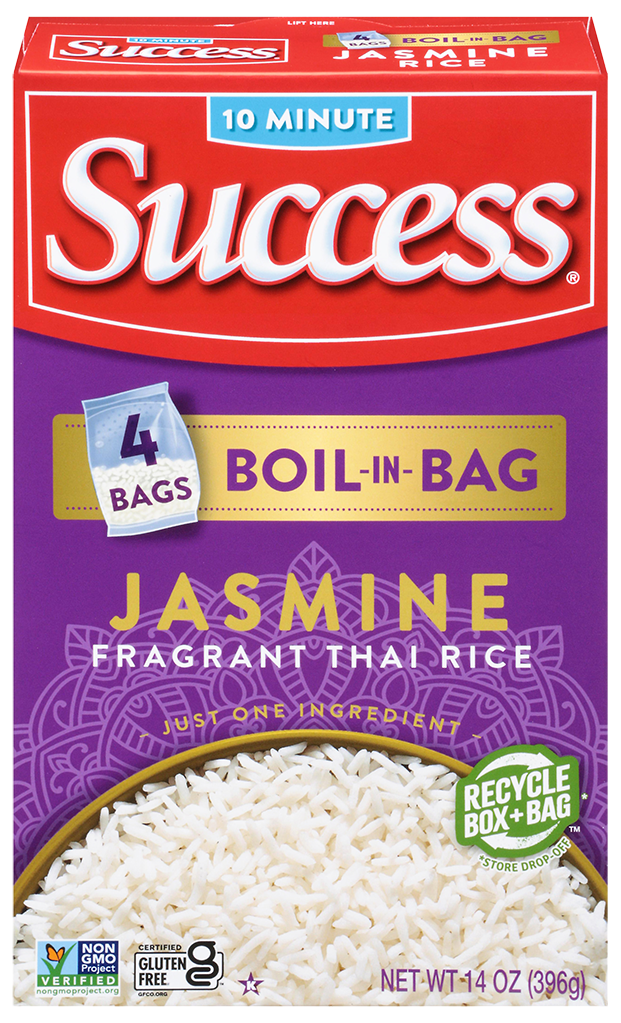
Credit: successrice.com
Preparing The Rice
Preparing jasmine rice properly is the first step to perfect cooking. It helps the rice cook evenly and taste great. Simple preparation can change the texture and flavor of your rice.
Start with the right amount of rice and water. Then, clean the rice to remove dirt and excess starch. These steps make the rice fluffy and not sticky.
Measuring Rice And Water
Use a standard cup to measure rice. One cup of jasmine rice usually serves two people. For every cup of rice, use one and a half cups of water. This ratio helps the rice cook well without being too wet or dry.
Adjust the water slightly if you want softer or firmer rice. More water makes softer rice, less water makes it firmer. Keep these measurements consistent for best results.
Rinsing Techniques
Rinse jasmine rice before cooking to remove surface starch. Place the rice in a bowl or fine mesh strainer. Use cool water to rinse the rice gently.
Swirl the rice with your hand and drain the water. Repeat rinsing two to three times until the water runs clear. Clear water shows most starch is washed away. This process prevents clumpy, sticky rice.
Cooking Process
Cooking jasmine rice in a saucepan is simple and rewarding. The process needs attention to detail. Proper steps ensure fluffy, fragrant rice every time. Below are key points to make your cooking smooth and effective.
Using The Right Saucepan
Pick a saucepan with a heavy bottom. This helps spread heat evenly. A medium size, with a tight lid, works best. Avoid thin pans that burn rice easily. The right pan keeps rice from sticking or burning.
Heat Settings And Timing
Start by boiling water on high heat. Once boiling, add rice and stir lightly. Lower the heat to the lowest setting. Cook rice gently for 15 minutes without lifting the lid. This slow cooking lets rice absorb water well.
When To Cover And Uncover
Keep the saucepan covered during cooking. This traps steam and cooks rice evenly. Avoid opening the lid too soon. After 15 minutes, turn off the heat. Let the rice rest covered for 10 minutes before serving.
Achieving Fluffy Texture
Achieving a fluffy texture is key to perfect jasmine rice. The rice should be light and separate, not sticky or mushy. Two important steps help get this texture right: resting after cooking and fluffing the rice properly. These steps allow the grains to finish cooking evenly and stop from clumping together.
Resting After Cooking
Once the rice is cooked, turn off the heat. Keep the lid on and let the rice rest for about 10 minutes. This step lets the steam finish cooking the rice gently. It also helps the grains absorb any leftover moisture. Resting prevents wet or clumpy rice. The result is evenly cooked, soft, and fluffy grains.
Fluffing Methods
After resting, use a fork to fluff the rice gently. Avoid stirring with a spoon or spatula, which can crush the grains. Fluffing lifts the rice and separates the grains. It lets extra steam escape, keeping the rice light. Do this carefully to keep the texture airy and soft. Fluffing is a simple trick for perfect jasmine rice every time.
Common Mistakes To Avoid
Cooking jasmine rice in a saucepan seems simple. Still, beginners often make mistakes that spoil the texture and taste. Avoiding these common errors helps you get fluffy, perfectly cooked rice every time. Understanding what not to do is just as important as following the recipe.
Too Much Water
Adding too much water makes jasmine rice mushy and sticky. The grains lose their shape and become soft. Use the right water-to-rice ratio, usually one and a half cups of water per cup of rice. Excess water also increases cooking time and wastes energy.
Lifting The Lid Too Often
Peeking inside while cooking lets steam escape. This interrupts the cooking process and dries out the rice. Keep the lid closed and resist the urge to check. Trust the cooking time and let the rice absorb the water fully.

Credit: www.recipetineats.com
Enhancing Flavor
Enhancing the flavor of jasmine rice in a saucepan makes every meal better. Simple steps can turn plain rice into a tasty side dish. Small changes add depth and aroma, making your rice more enjoyable. Let’s explore easy ways to boost flavor.
Adding Salt Or Oil
Salt is a key ingredient for tasty rice. Sprinkle a pinch before cooking. It brings out the rice’s natural flavor. Use just a little to avoid salty rice.
Oil or butter adds richness and smooth texture. Add one teaspoon before cooking. It stops grains from sticking together. Olive oil or coconut oil works well.
Using Broth Instead Of Water
Cooking jasmine rice with broth gives it a rich taste. Use chicken, vegetable, or beef broth instead of water. This simple swap adds natural flavor and aroma.
Broth adds a savory touch without extra effort. Use low-sodium broth to control salt levels. The rice will cook tender and fragrant.
Storage And Reheating Tips
Storing and reheating jasmine rice properly keeps its flavor and texture fresh. It helps avoid dryness and clumping. Follow simple steps to enjoy your rice just like freshly cooked.
Proper Storage Techniques
Cool the rice quickly after cooking. Spread it out on a plate or tray. Store it in an airtight container to keep moisture out. Place the container in the fridge. Use the rice within 3 to 4 days for best taste. Avoid leaving rice at room temperature for long.
Reheating Without Drying
Use a microwave or stovetop to reheat rice. Add a splash of water to the rice before heating. Cover the container or pan to trap steam. Heat in short bursts, stirring in between. This keeps the rice soft and fluffy. Avoid overheating to prevent dryness. Serve immediately after reheating for best texture.
Frequently Asked Questions
How Much Water Is Needed For Jasmine Rice?
Use 1. 5 cups of water per 1 cup of jasmine rice for perfect texture. This ratio ensures the rice is fluffy and not mushy.
How Long Should Jasmine Rice Simmer In A Saucepan?
Simmer jasmine rice for about 15 minutes on low heat after boiling. Avoid lifting the lid during cooking to retain steam.
Should I Rinse Jasmine Rice Before Cooking?
Yes, rinse jasmine rice under cold water until the water runs clear. This removes excess starch and prevents the rice from becoming sticky.
Can I Use A Saucepan Without A Lid For Jasmine Rice?
It’s best to use a saucepan with a tight-fitting lid. This traps steam, helping the rice cook evenly and absorb water properly.
Conclusion
Cooking jasmine rice in a saucepan is simple and quick. Measure the rice and water carefully for best results. Keep the heat low and cover the pot while cooking. Let the rice rest after cooking to absorb extra moisture. Fluffy, fragrant rice is ready to serve with any meal.
Practice a few times to feel confident. Enjoy your delicious, homemade jasmine rice every time.

Hello, This is Annie Walker, a 38-year-old blogger, founder, and editor of Cookware Guider from NY, USA. I am a cookware fanatic and passionate cooker. I love to cook with different types of cooking appliances (example: all types of cookware, rice cookers, slow cookers, etc) almost every day in my kitchen. I love to share my experience with my readers in my blog. Also, I enjoy helping people to solve their problems through my website. You can follow me on Twitter & Pinterest. To know details about my blog please check the about us page.