
Are you tired of ending up with mushy or burnt white rice every time you try to cook it on your stove? Cooking perfect white rice in a saucepan might seem tricky, but with the right steps, you can achieve fluffy, delicious rice every time.
In this guide, you’ll discover simple tips and tricks that make the cooking process easy and foolproof. Whether you’re a beginner or just want to improve your rice game, this article will help you master the art of cooking white rice in a saucepan with confidence.
Keep reading, and soon you’ll be serving up perfect rice that complements any meal!
Choosing The Right Rice
Choosing the right rice is key to cooking perfect white rice in a saucepan. Different types of rice have unique textures and cooking times. Picking the best rice helps achieve the ideal fluffiness and taste. Understanding rice varieties makes cooking easier and more consistent.
Types Of White Rice
White rice comes in several types. Long-grain rice has slim, separate grains. Medium-grain rice is shorter and slightly sticky. Short-grain rice is round and very sticky. Each type fits different recipes and cooking methods. Knowing these types guides your choice for the best results.
Best Rice For Fluffiness
Long-grain white rice is best for fluffy texture. Its grains stay separate after cooking. This rice absorbs water well and cooks evenly. Avoid short-grain rice for fluffiness because it clumps together. Choose long-grain rice for light and airy white rice in your saucepan.
Essential Tools And Ingredients
Cooking white rice in a saucepan needs the right tools and ingredients. These basics help you get soft, fluffy rice every time. Prepare well to make the process smooth and easy.
Saucepan Selection
Choose a medium saucepan with a tight-fitting lid. The lid traps steam and cooks rice evenly. A heavy-bottomed pan prevents burning and sticking. Avoid thin pans that heat unevenly.
Measuring Rice And Water
Use a measuring cup for rice and water. The usual ratio is one cup of rice to two cups of water. Accurate measurement ensures perfect rice texture. Too much water makes rice mushy; too little leaves it dry.
Additional Ingredients
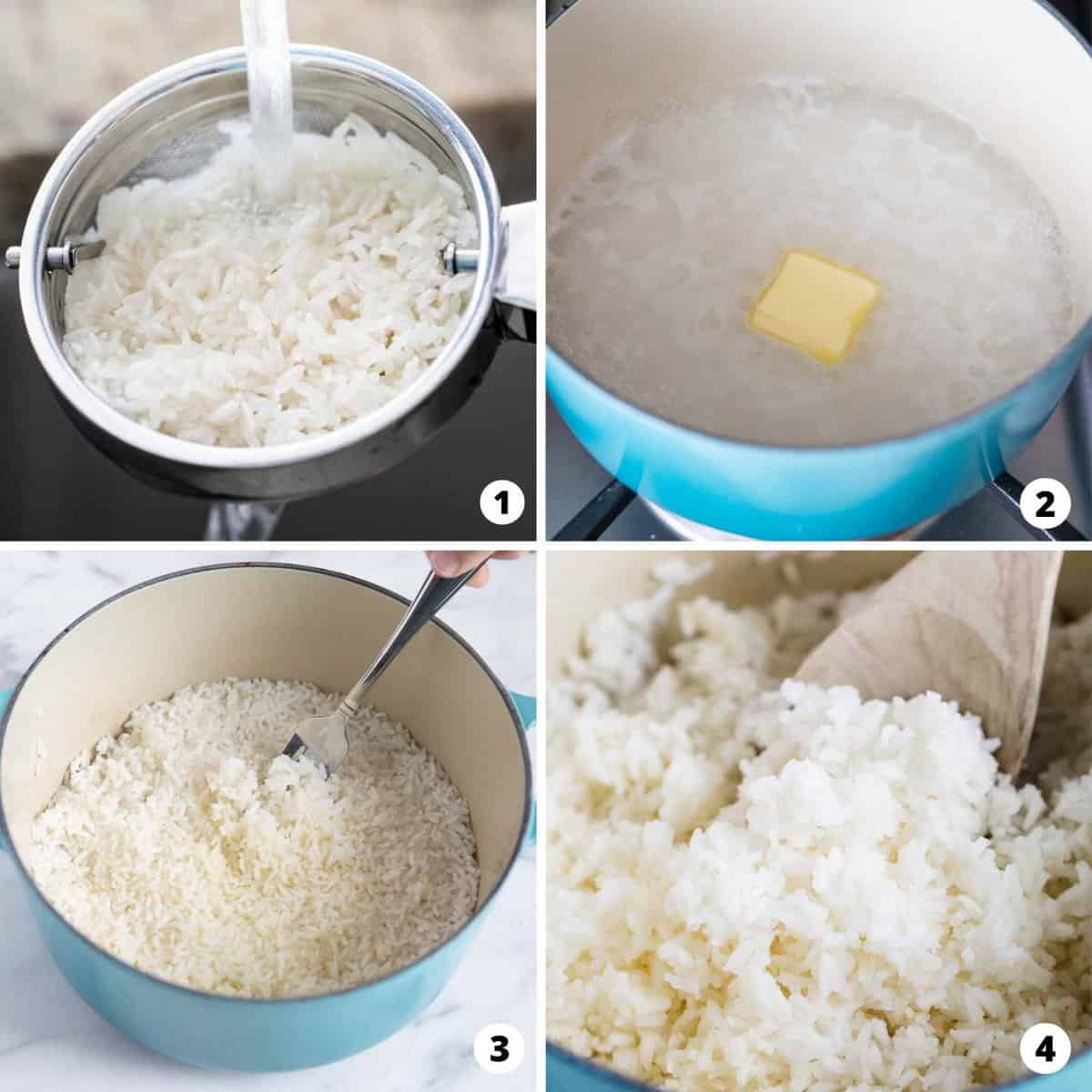
Add a pinch of salt to enhance flavor. You can use a small amount of oil or butter for richness. These help prevent rice from sticking and improve taste. Keep extras simple for the best results.
Preparing The Rice
Preparing white rice properly sets the base for a perfect meal. It helps the rice cook evenly and taste better. Taking time to rinse and soak the rice improves texture and removes impurities.
Rinsing Techniques
Rinsing rice removes extra starch that makes rice sticky. Place the rice in a bowl and add cold water. Stir gently with your hand to loosen the starch. Pour out the cloudy water carefully. Repeat this rinsing process two to three times. Stop rinsing once the water runs clear. This step helps each grain stay separate while cooking.
Soaking Benefits
Soaking rice before cooking softens the grains. Use clean water and soak for 15 to 30 minutes. This short wait reduces cooking time and makes the rice fluffier. Soaking also helps the rice absorb water evenly. Drain the rice well before adding it to the saucepan. Soaking makes your cooked rice tender and light.
Cooking Process
Cooking white rice in a saucepan is simple. Follow clear steps for soft, fluffy rice every time. Pay attention to water amounts, heat, and simmering. These factors control the rice texture and prevent burning.
Start with the right water to rice ratio. Adjust heat carefully. Let the rice cook slowly to absorb water fully. These tips help achieve perfect rice without extra tools or effort.
Water To Rice Ratio
Use 2 cups of water for 1 cup of white rice. This ratio works well for most rice types. Too much water makes rice mushy. Too little water leaves rice hard or dry. Measure water and rice accurately for best results.
Heat Settings
Begin cooking on medium-high heat until water boils. After boiling, lower heat to low immediately. High heat after boiling can burn rice or dry it out. Low heat allows rice to cook gently and evenly.
Simmering Tips
Cover the saucepan with a tight lid. Simmer rice for 15 to 20 minutes without lifting the lid. Lifting releases steam needed to cook rice fully. Turn off heat and let rice rest for 5 minutes before serving.
Finishing Touches
Finishing touches make cooked white rice perfect. Small steps improve texture and flavor. These final moments affect how rice looks and tastes on your plate.
Resting Time
After cooking, let rice rest in the saucepan. Keep the lid on to trap steam. This helps rice grains finish absorbing water. Resting time makes rice softer and less sticky. Wait about 5 to 10 minutes for best results. Avoid opening the lid early to keep heat inside.
Fluffing Methods
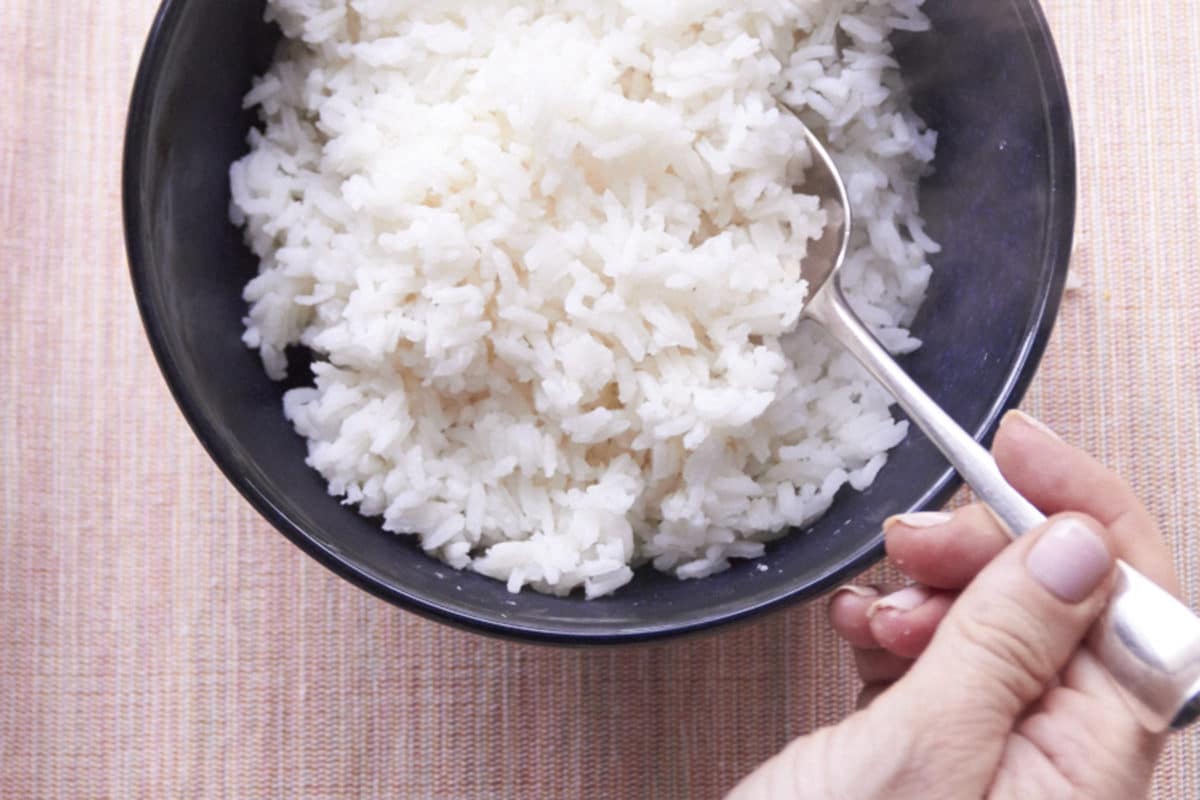
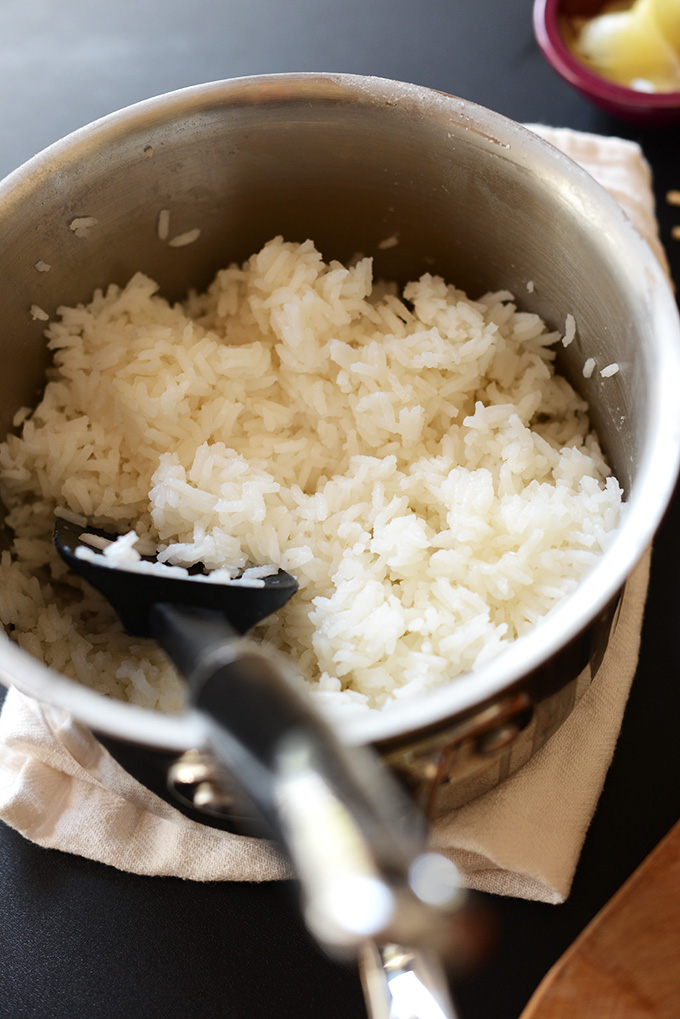
Use a fork to fluff the rice gently. This separates grains and lets steam escape. Avoid stirring with a spoon or spatula. Stirring can crush the grains and make rice mushy. Lift the rice from the bottom to the top. Fluffing gives rice a light and airy texture.
Credit: themom100.com
Common Mistakes To Avoid
Cooking white rice in a saucepan seems easy but many make simple mistakes. These errors can spoil the texture and taste of your rice. Learning what to avoid helps you get perfect rice every time.
Overcooking Issues
Leaving rice on the heat too long makes it mushy. Mushy rice sticks together and loses its fluffiness. Too much water also causes overcooking. The grains absorb extra liquid and become soft and sticky. Avoid stirring rice while it cooks; this breaks grains and turns it into porridge. Use a timer to prevent cooking longer than needed.
Undercooking Signs
Undercooked rice feels hard or crunchy when eaten. This happens if there is not enough water during cooking. The grains stay dry and do not fully expand. Lifting the lid too often can cause heat loss, stopping the rice from cooking properly. Let the rice sit covered for a few minutes after cooking to finish steaming. This step helps grains cook evenly and become tender.
Flavor Variations
White rice is simple and mild in flavor. You can change its taste easily. Small changes create big flavor differences. This section shows how to make white rice tastier with easy tricks.
Adding Herbs And Spices
Herbs and spices bring new flavors to plain rice. Try adding a bay leaf, thyme, or rosemary to the saucepan. These herbs give a fresh, earthy taste.
Spices like cumin, turmeric, or cinnamon add warmth and color. Use a small amount to avoid strong flavors. Stir them into the rice before cooking. The rice absorbs these flavors while it cooks.
Fresh herbs like parsley or cilantro are great after cooking. Sprinkle them on top for a bright, fresh taste. These simple additions make rice more exciting and tasty.
Using Broth Instead Of Water
Cook rice in broth instead of plain water. Chicken, beef, or vegetable broth adds rich flavor. The rice soaks up the broth’s taste as it cooks.
Broth makes the rice more savory and full-bodied. Use low-sodium broth to control salt levels. This swap is a quick way to boost flavor without extra effort.
Try mixing broth with a little water if you want a lighter taste. This method works well for everyday meals. It turns basic rice into a delicious side dish.
Credit: minimalistbaker.com
Storage And Reheating Tips
Cooking white rice in a saucepan is simple, but storing and reheating it properly keeps it safe and tasty. Rice can dry out or spoil quickly if not handled right. Follow these tips to keep your rice fresh and ready to enjoy later.
Keeping Rice Fresh
Let the rice cool to room temperature before storing. Hot rice in the fridge creates moisture and bacteria. Use an airtight container to stop air and moisture from ruining the rice. Store rice in the fridge for up to four days. Freeze rice for longer storage, up to one month. Label containers with the date to track freshness.
Best Reheating Methods
Add a splash of water to rice before reheating. This helps bring back moisture and softness. Microwave rice covered with a damp paper towel for even heating. Stir rice halfway through to avoid cold spots. Reheat rice on the stove with a little water, covered, on low heat. Always heat rice until steaming hot to kill bacteria. Avoid reheating rice more than once to keep it safe.
Credit: www.iheartnaptime.net
Frequently Asked Questions
How Much Water Is Needed For Cooking White Rice?
Use 2 cups of water for every 1 cup of white rice. This ratio ensures fluffy, well-cooked rice without being mushy or dry.
How Long Should White Rice Simmer In A Saucepan?
Simmer white rice for about 15-20 minutes on low heat. Avoid lifting the lid to maintain steam and even cooking.
Can I Rinse White Rice Before Cooking?
Yes, rinsing removes excess starch, preventing rice from becoming sticky. Rinse until water runs clear for the best results.
What Type Of Saucepan Is Best For Cooking Rice?
A heavy-bottomed saucepan with a tight-fitting lid works best. It distributes heat evenly and traps steam to cook rice perfectly.
Conclusion
Cooking white rice in a saucepan is simple and quick. Measure the rice and water carefully for best results. Use medium heat and watch the water boil. Cover the pot and let the rice cook without stirring. Fluff the rice gently with a fork before serving.
Practice makes perfect, so try a few times. Enjoy soft, fluffy rice every time you cook. This method suits beginners and busy cooks alike. A basic skill that fits many meals. Easy, tasty, and ready in minutes.

Hello, This is Annie Walker, a 38-year-old blogger, founder, and editor of Cookware Guider from NY, USA. I am a cookware fanatic and passionate cooker. I love to cook with different types of cooking appliances (example: all types of cookware, rice cookers, slow cookers, etc) almost every day in my kitchen. I love to share my experience with my readers in my blog. Also, I enjoy helping people to solve their problems through my website. You can follow me on Twitter & Pinterest. To know details about my blog please check the about us page.