
Cooking pasta in a saucepan might sound simple, but getting it just right can make a big difference in your meal. You want your pasta to be perfectly cooked—neither mushy nor underdone.
If you’ve ever struggled with sticky noodles or unevenly cooked pasta, this guide is for you. By following a few easy steps, you’ll learn how to cook pasta in a saucepan like a pro, saving time and making your dishes taste better.
Keep reading, and soon you’ll feel confident creating delicious pasta meals that everyone will love.
Credit: feelgoodfoodie.net
Choosing The Right Saucepan
Cooking pasta in a saucepan is simple and effective. The right saucepan makes a big difference in how your pasta cooks. Choosing the right one helps your pasta cook evenly and prevents sticking. It also saves energy and time. Let’s explore how to pick the best saucepan for your pasta cooking needs.
Size And Material
The size of your saucepan matters a lot. Pasta needs room to move and cook evenly. A small pan can make the pasta stick together and cook unevenly. Choose a pan that holds enough water to cover the pasta fully.
- Large saucepan: At least 4 to 6 quarts (3.8 to 5.7 liters) is ideal for most pasta types.
- Deep pan: Helps prevent water from boiling over when pasta is added.
The material of the saucepan affects heat distribution and durability. Different materials heat up at different speeds and hold heat differently.
| Material | Heat Conductivity | Durability | Cleaning |
|---|---|---|---|
| Stainless Steel | Moderate | High | Easy |
| Aluminum | High | Moderate | Moderate |
| Non-stick | Moderate | Low to Moderate | Very Easy |
| Copper | Very High | Moderate | Requires Care |
Stainless steel pans are common and last long. They handle heat well and do not react with food. Aluminum pans heat quickly but may warp over time. Non-stick pans prevent pasta from sticking but can get scratched easily. Copper pans offer the best heat control but need careful cleaning.
Features To Look For
Some saucepan features improve the cooking process and make your life easier. These features help control heat, handle the pan safely, and clean it quickly.
- Heavy bottom: Prevents hot spots and burns by spreading heat evenly.
- Lid included: Keeps water boiling faster and controls evaporation.
- Comfortable handle: Stays cool and is easy to grip for safe handling.
- Measurement marks inside: Helps add the right amount of water quickly.
- Oven-safe: Allows finishing pasta dishes in the oven if needed.
Here is a quick list of features and why they matter:
| Feature | Benefit |
|---|---|
| Heavy base | Even heat, no burning |
| Lid | Faster boiling, less water loss |
| Cool-touch handle | Safe and easy to hold |
| Inside measurement marks | Accurate water level |
| Oven-safe design | Versatile cooking options |
Choosing a saucepan with these features makes pasta cooking easier. It saves time and ensures better results. The right pan helps you enjoy perfect pasta every time.
Preparing The Pasta
Preparing pasta correctly is the first step to a tasty meal. It helps the pasta cook evenly and fit the number of people you want to serve. Good preparation saves time and stops waste. This section explains how to measure pasta portions and whether you should rinse pasta after cooking.
Measuring Pasta Portions
Measuring pasta portions is important to avoid cooking too much or too little. A typical serving is about 2 ounces (56 grams) of dry pasta per person. This amount expands when cooked and fills a plate well. Use a kitchen scale for the best accuracy. If you don’t have one, use these simple methods:
- For long pasta: Gather a bundle that fits inside a 1-inch diameter circle made by your thumb and forefinger.
- For short pasta: Use a standard measuring cup. Usually, 1 cup of dry pasta equals one serving.
Here is a quick guide to portion sizes:
| Number of People | Dry Pasta Amount (ounces) | Dry Pasta Amount (grams) |
|---|---|---|
| 1 | 2 oz | 56 g |
| 2 | 4 oz | 113 g |
| 4 | 8 oz | 227 g |
Measure pasta before cooking to get the right amount. This helps with meal planning and reduces leftovers. Use a dry measuring cup or kitchen scale for best results.
Rinsing Or Not
Whether to rinse pasta after cooking depends on how you plan to serve it. Most chefs say not to rinse pasta. The starch on the surface helps sauce stick better. Rinsing washes away this starch and can make the pasta slippery.
Here are reasons to not rinse pasta:
- The sauce clings better to the pasta.
- The pasta keeps its natural heat and texture.
- It maintains flavor and improves the overall dish.
Rinsing pasta is good only in some cases. For example:
- When making a cold pasta salad to cool pasta quickly.
- If you plan to store pasta for later use to stop cooking.
- To remove extra starch if you want less stickiness.
Remember, rinsing pasta removes nutrients and flavor. Most recipes work best without rinsing. Just drain the pasta well and mix it with your sauce right away.
Boiling Water Properly
Boiling water properly is the first step to cooking perfect pasta in a saucepan. The water must be hot enough to cook the pasta evenly and prevent it from sticking. If the water does not boil well, the pasta can turn mushy or clump together. Proper boiling also helps the pasta absorb just the right amount of water, keeping it firm and tasty.
Amount Of Water Needed
Using the right amount of water is key for cooking pasta well. Too little water makes pasta stick and cook unevenly. Too much water wastes energy and takes longer to boil. A good rule is to use plenty of water so pasta has room to move freely.
- Standard ratio: Use about 4 to 6 quarts (3.8 to 5.7 liters) of water for every 1 pound (450 grams) of pasta.
- Small portions: For smaller servings, use at least 2 quarts (1.9 liters) per 100 grams of pasta.
- Use a large saucepan: A wide pan helps water boil faster and pasta cook evenly.
| Pasta Amount | Water Needed |
|---|---|
| 100 grams | 2 quarts (1.9 liters) |
| 250 grams | 5 quarts (4.7 liters) |
| 500 grams | 10 quarts (9.5 liters) |
Always fill the saucepan with enough water before heating. This helps the pasta cook uniformly and keeps it from sticking together. Stir the pasta occasionally after adding it to the boiling water.
Salt For Flavor
Adding salt to boiling water improves the taste of pasta significantly. Salt enhances the flavor inside the pasta, making it more delicious. It also helps the pasta cook better by raising the boiling point of water slightly.
- How much salt: Use about 1 to 2 tablespoons of salt per 4 to 6 quarts (3.8 to 5.7 liters) of water.
- Type of salt: Sea salt or kosher salt works best because they dissolve well and add a clean flavor.
- When to add salt: Add salt only after the water starts boiling, not before.
Salt does not make the pasta salty if used in the right amount. It only seasons the pasta inside. Avoid adding salt too early because it can slow the water from boiling.
Remember, salted water is like the pasta’s first seasoning. It sets the base for your sauce and other flavors later.

Credit: familystylefood.com
Cooking The Pasta
Cooking pasta in a saucepan is simple and rewarding. The key step is cooking the pasta correctly. This ensures the pasta has the right texture and taste. Proper cooking also prevents clumping and uneven cooking. Below are essential tips to cook pasta perfectly in a saucepan.
Adding Pasta To Boiling Water
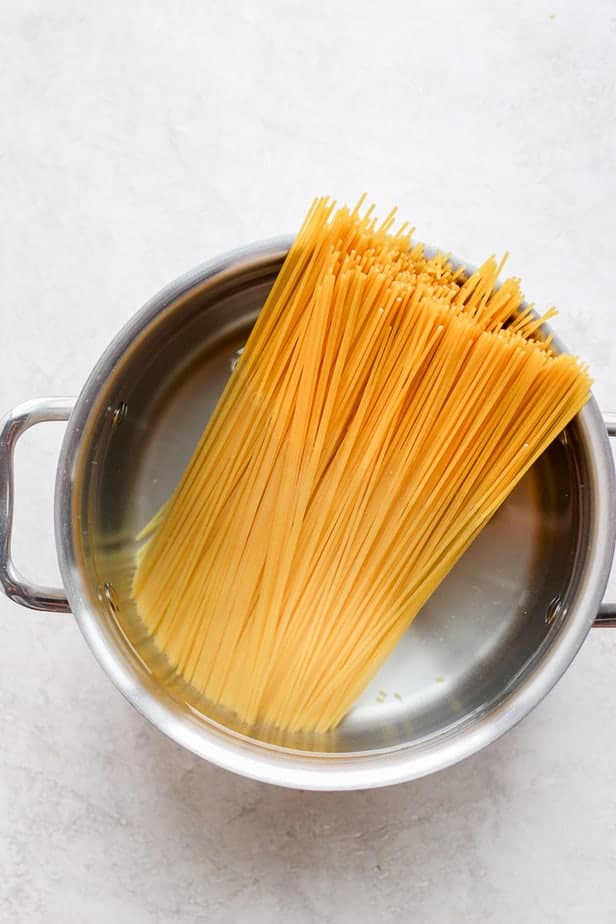
Start with a large saucepan filled with plenty of water. Use about 4 to 6 quarts of water per pound of pasta. Bring the water to a rolling boil before adding pasta. This helps the pasta cook evenly and prevents it from sticking together.
Follow these steps to add pasta properly:
- Boil the water vigorously.
- Salt the water generously (about 1-2 tablespoons per 4 quarts). This adds flavor to the pasta.
- Gently add pasta to the boiling water. Add a few pieces at a time to avoid clumping.
- Use a spoon or tongs to stir the pasta immediately after adding.
Adding pasta to boiling water quickly cools the water down. Wait for the water to return to a boil before lowering heat slightly. This keeps the cooking temperature steady and prevents mushy pasta.
Stirring To Prevent Sticking
Stirring pasta is vital in the first few minutes of cooking. Pasta releases starch as it cooks. This starch can make pasta stick together or to the saucepan. Stirring separates the noodles and spreads the starch evenly in the water.
Tips for effective stirring:
- Stir gently but thoroughly right after adding pasta.
- Continue to stir every 1-2 minutes during the first 5 minutes.
- Use a wooden spoon or heat-resistant spatula for best results.
After the first 5 minutes, stirring can be less frequent but still needed. Keep an eye on the pasta. If noodles start to clump or stick to the bottom, stir again. Proper stirring keeps pasta separate and cooks it evenly.
Cooking Time Tips
Cooking pasta for the right time ensures perfect texture. Overcooked pasta becomes mushy. Undercooked pasta tastes raw and hard. Follow the package instructions for cooking time but check pasta early.
Use these tips to get the timing right:
- Start checking pasta 2 minutes before the package time ends.
- Take out a piece and bite it. Pasta should be “al dente” — firm but cooked through.
- If pasta is too hard, cook for 30-second intervals and test again.
- Drain pasta immediately after cooking to stop the heat.
| Pasta Type | Typical Cooking Time | Texture Check |
|---|---|---|
| Spaghetti | 8-10 minutes | Firm but tender |
| Penne | 10-12 minutes | Al dente |
| Fusilli | 9-11 minutes | Springy and soft |
Using a timer helps avoid overcooking. Keep pasta ready to drain and serve as soon as it reaches the right texture.
Testing Pasta For Doneness
Cooking pasta in a saucepan is simple, but knowing when it is done is key. Testing pasta for doneness helps achieve the perfect texture. Overcooked pasta becomes mushy, while undercooked pasta feels hard and unpleasant. Tasting pasta at the right time ensures it cooks just right and matches your sauce well. This section explains how to check pasta texture and adjust cooking times for the best results.
Al Dente Texture
Al dente means “to the tooth” in Italian. It describes pasta that is cooked but still firm when bitten. This texture is ideal because it holds sauce well and feels nice in the mouth.
To test for al dente:
- Start tasting pasta about 2 minutes before the package time ends.
- Take one piece out using a fork or spoon.
- Cool it briefly under cold water or blow on it.
- Bite the pasta and check the center. It should be slightly firm, not crunchy.
The pasta should not be soft all the way through. It should offer some resistance but be easy to chew.
| Texture | Description | Cooking Result |
|---|---|---|
| Undercooked | Hard center, crunchy when bitten | Needs more time |
| Al Dente | Firm but tender, slight bite | Perfect texture |
| Overcooked | Soft, mushy, no resistance | Too soft, less tasty |
Al dente pasta absorbs sauce better. It also stays firm after mixing with hot sauce, avoiding mushiness.
Timing Adjustments
Cooking time can change based on pasta type, size, and stove heat. Testing pasta often helps adjust timing for the best texture.
Follow these steps for timing adjustments:
- Check the package for suggested cooking time.
- Start tasting pasta 2-3 minutes before that time.
- Note the texture and decide if more cooking is needed.
- Add or reduce cooking time in 30-second steps.
- Repeat testing until pasta reaches the right texture.
Different pasta types need different times:
| Pasta Type | Average Cooking Time | Notes |
|---|---|---|
| Spaghetti | 8-10 minutes | Check at 7 minutes for al dente |
| Penne | 10-12 minutes | Test from 9 minutes |
| Farfalle (bow-tie) | 11-13 minutes | Test from 10 minutes |
| Fresh Pasta | 2-4 minutes | Check every minute |
Important: Stovetop heat and saucepan size affect cooking speed. A larger pot with more water keeps temperature steady. A small pot may need less time as water cools faster.
Tip: Stir pasta gently while cooking. This stops pieces from sticking and cooks pasta evenly.
Draining And Serving
Draining and serving pasta correctly is the final and important step after cooking it in a saucepan. Proper draining stops the cooking process, preventing soggy pasta. Serving pasta right after draining keeps it fresh and tasty. The way pasta is drained and served can change the dish’s texture and flavor. Simple tools and tricks make this step easy and effective.
Using A Colander
A colander is the most common tool for draining pasta. It is a bowl with holes that lets water pass through while holding the pasta. Here are the easy steps to use a colander:
- Place the colander in the sink before draining.
- Pour the saucepan contents slowly into the colander.
- Shake the colander gently to remove extra water.
- Let the pasta sit for a few seconds so water drains fully.
Tips for using a colander safely:
| Safety Tip | Explanation |
|---|---|
| Use Oven Mitts | Protect hands from hot steam when pouring pasta. |
| Stable Surface | Place colander on a flat sink area to avoid spills. |
| Pour Slowly | Prevent splashing hot water by pouring carefully. |
Using a colander helps keep pasta from becoming mushy. It drains quickly and easily, making the next cooking step fast. A good drain means better texture for your pasta dish.
Saving Pasta Water
Saving some pasta water is a smart trick for better sauce and texture. Pasta water contains starch that helps sauces stick to noodles. Follow these steps to save pasta water:
- Before draining, scoop out about one cup of pasta water using a heatproof cup or ladle.
- Set the water aside in a bowl or measuring cup.
- Drain the pasta using a colander as usual.
- Add saved pasta water to your sauce to adjust thickness and flavor.
Benefits of using pasta water:
- Improves Sauce Texture: Makes sauce silky and smooth.
- Enhances Flavor: Adds mild saltiness and richness.
- Keeps Pasta Moist: Prevents noodles from drying out.
How much pasta water to use depends on the sauce. Start with small amounts and add more if needed. This simple step helps create a restaurant-quality pasta dish at home.
Common Mistakes To Avoid
Cooking pasta in a saucepan seems simple, but many make mistakes that ruin the texture and taste. Knowing common errors helps you cook pasta perfectly every time. Avoiding these mistakes saves time, reduces waste, and makes your meal more enjoyable. Two major errors to watch for are overcooking pasta and not stirring enough. Both affect the pasta’s texture and can cause it to stick or become mushy.
Overcooking Pasta
Overcooking pasta is one of the most common mistakes. Pasta turns soft, mushy, and loses its bite. This happens when pasta cooks too long or water temperature drops too much during cooking.
Signs of overcooked pasta:
- The pasta feels very soft or slimy.
- It breaks easily when stirred or picked up.
- The pasta absorbs too much water and swells.
To avoid overcooking, follow these tips:
- Check the pasta package for cooking time guidelines.
- Set a timer to avoid guessing.
- Taste the pasta 1-2 minutes before the end of cooking time.
- Drain the pasta as soon as it reaches the desired firmness, usually “al dente” (firm to the bite).
| Cooking Stage | Description | Texture |
|---|---|---|
| Undercooked | Cooked less than recommended time | Hard, chewy |
| Al Dente | Cooked to package time or slightly less | Firm but cooked through |
| Overcooked | Cooked longer than recommended | Soft, mushy |
Tip: Pasta continues to cook slightly after draining. Stop cooking just before it feels perfect.
Not Stirring Enough
Not stirring pasta enough causes it to stick together or to the bottom of the pan. This creates clumps that cook unevenly and spoil the texture.
Why stirring matters:
- Prevents pasta strands from sticking to each other.
- Ensures even cooking by moving pasta in hot water.
- Stops pasta from sticking to the pan’s surface.
How often to stir:
- Stir immediately after adding pasta to boiling water.
- Stir every 1-2 minutes during cooking.
- Use a long spoon or pasta fork for easy stirring.
Without enough stirring, pasta forms clumps that ruin your dish. Sticky pasta can be hard to separate, especially with long noodles like spaghetti or fettuccine.
Quick checklist to prevent sticking:
- Use plenty of water for cooking.
- Stir pasta right after adding it to the saucepan.
- Keep stirring regularly during cooking.
- Drain pasta well after cooking.
Credit: littlesunnykitchen.com
Frequently Asked Questions
How Much Water Do I Need To Cook Pasta In A Saucepan?
Use at least 4 to 6 quarts of water per pound of pasta. This prevents sticking and ensures even cooking.
Should I Salt The Water Before Cooking Pasta?
Yes, add about 1 to 2 tablespoons of salt per gallon. It enhances the pasta’s flavor effectively.
How Long Should I Cook Pasta In A Saucepan?
Cook pasta for 8 to 12 minutes or until al dente. Stir occasionally to avoid clumping and uneven cooking.
Can I Use A Lid While Boiling Pasta In A Saucepan?
Use a lid to bring water to a boil faster. Remove the lid once pasta is added to prevent foam overflow.
Conclusion
Cooking pasta in a saucepan is simple and quick. Boil water, add salt, then the pasta. Stir often to stop sticking. Check pasta texture by tasting it. Drain carefully when it feels soft but firm. Use the same pot to mix pasta with your sauce.
Enjoy a tasty meal with little effort. Practice helps you cook pasta better each time. Try different pasta shapes and sauces to keep it fun. Cooking pasta this way fits any kitchen and skill level.

Hello, This is Annie Walker, a 38-year-old blogger, founder, and editor of Cookware Guider from NY, USA. I am a cookware fanatic and passionate cooker. I love to cook with different types of cooking appliances (example: all types of cookware, rice cookers, slow cookers, etc) almost every day in my kitchen. I love to share my experience with my readers in my blog. Also, I enjoy helping people to solve their problems through my website. You can follow me on Twitter & Pinterest. To know details about my blog please check the about us page.