
Are you wondering how to date your Club Cookware and make the most out of it? Whether you just found a vintage set or want to understand its value better, knowing how to date your cookware can unlock stories and tips that improve your cooking experience.
You’ll discover simple ways to identify the age of your Club Cookware and why it matters to you. Keep reading—what you learn here could change how you use and care for your pots and pans forever.
Credit: oldekitchen.com
Spotting Vintage Marks
Spotting vintage marks on Club cookware helps identify its age and authenticity. These marks show the maker, production year, and quality. Knowing how to read them is key to dating your cookware correctly.
Vintage marks can be subtle or clear. Some are stamped on the base or handle. Others use symbols or special codes. Understanding these details gives clues about when and where your cookware was made.
Common Maker Stamps
Maker stamps usually show the brand name or logo. Club cookware often features clear text or a unique emblem. These stamps can include phrases like “Club” or “Made in USA.”
Look closely for the style of font and design. Changes in logos over time help narrow down the production period. Some marks may also include the material type, like “Aluminum” or “Cast Iron.”
Date Codes And Symbols
Date codes are small letters, numbers, or symbols. They often appear near the maker stamp. These codes indicate the year or batch of production.
For example, a letter might stand for a specific year. Numbers can indicate the month or factory location. Learning these codes helps pinpoint the cookware’s age more precisely.
Wear Patterns And Patina
Wear patterns show how old the cookware is. Scratches, discoloration, and smooth areas reveal years of use. Patina, a natural surface change, adds character and value.
Old Club cookware often has a dull shine and minor dents. These signs prove genuine vintage condition. Check if the wear matches the date codes and maker stamps for accuracy.
Material Clues
Material clues help identify the age and quality of Club Cookware. Different materials were used in different time periods. Examining these materials gives important hints about when the cookware was made. You can also learn about the cookware’s durability and design by studying its parts.
Types Of Metals Used
Club Cookware often features metals like cast iron and aluminum. Early pieces mostly used heavy cast iron. Later versions might have lighter aluminum or stainless steel. The metal type affects the cookware’s weight and heat retention. Cast iron is usually older and heavier. Aluminum parts often indicate a more recent production date.
Handle And Lid Materials
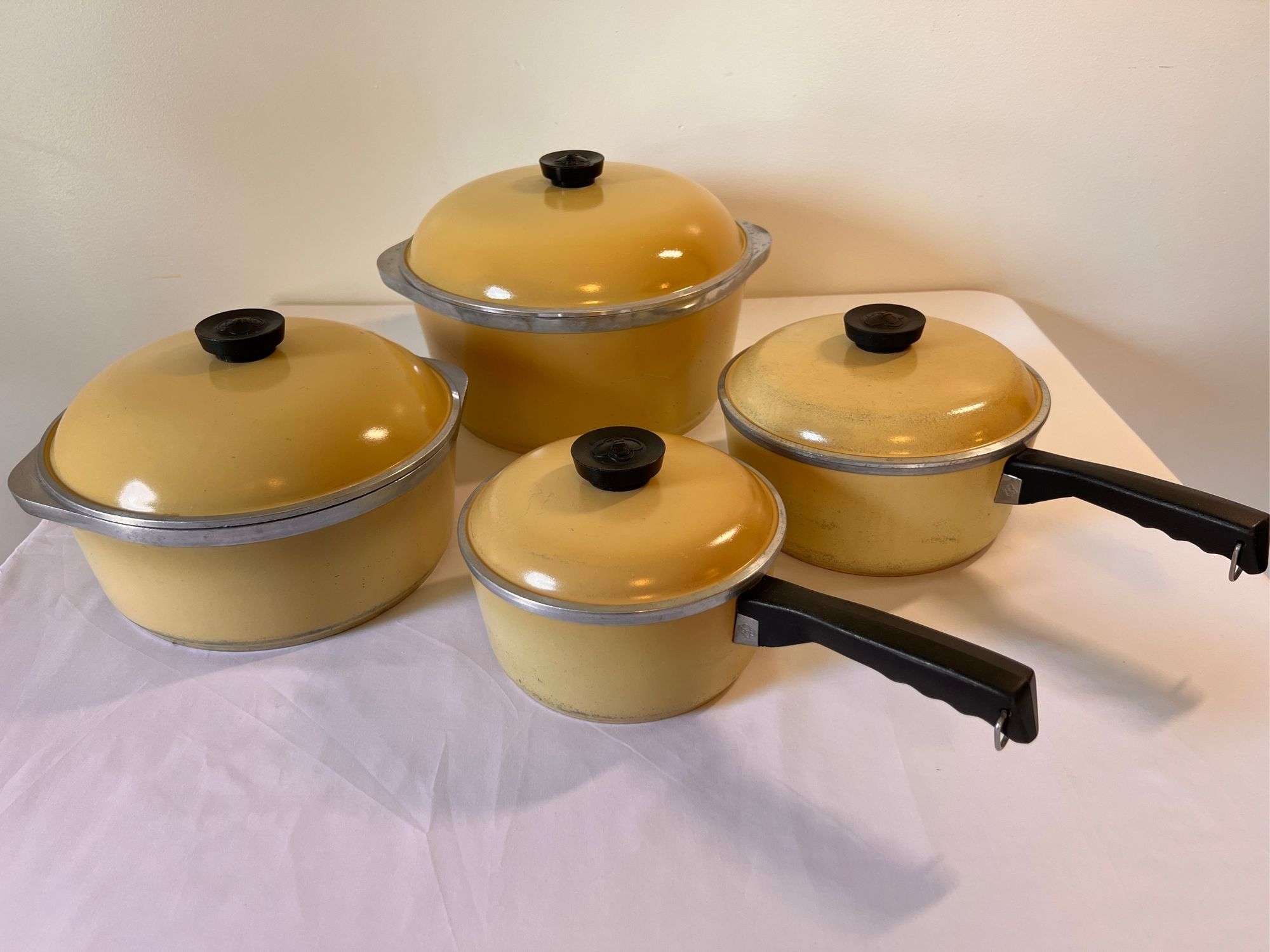
Handles and lids also show the cookware’s age. Older Club Cookware may have wooden or Bakelite handles. Newer sets often use plastic or metal handles. The lid material varies too. Glass lids are common in modern pieces. Metal lids suggest older or more traditional cookware. Look closely at the handle and lid style for clues.
Weight And Thickness Indicators
Weight can reveal a lot about the cookware’s age and quality. Older Club Cookware tends to be thicker and heavier. Thicker metal means better heat distribution and durability. Newer cookware might feel lighter and thinner. Hold the piece to judge its heft. A heavy, thick pan usually points to an older, well-made item.
Design Features
Club cookware has a rich history visible in its design features. These features help collectors and users date each piece with ease. Design details reveal the era, style, and sometimes the maker’s identity.
Examining these features closely can tell a story. From the shape of handles to the color of the finish, every detail matters. This section explains key design elements to help identify the age of Club cookware.
Popular Styles By Era
Club cookware styles changed through the decades. Early pieces often show simple, classic shapes. Mid-century designs introduced sleek lines and modern curves. Later styles embraced bold, geometric patterns. Knowing these styles helps place cookware in the right time period.
Unique Handles And Knobs
Handles and knobs offer clear clues about age. Older cookware features round, solid handles. Mid-century items may have angled or tapered handles. Knobs vary from plain to ornate, reflecting design trends. Look for distinctive shapes or logos to pinpoint dates.
Color And Finish Variations
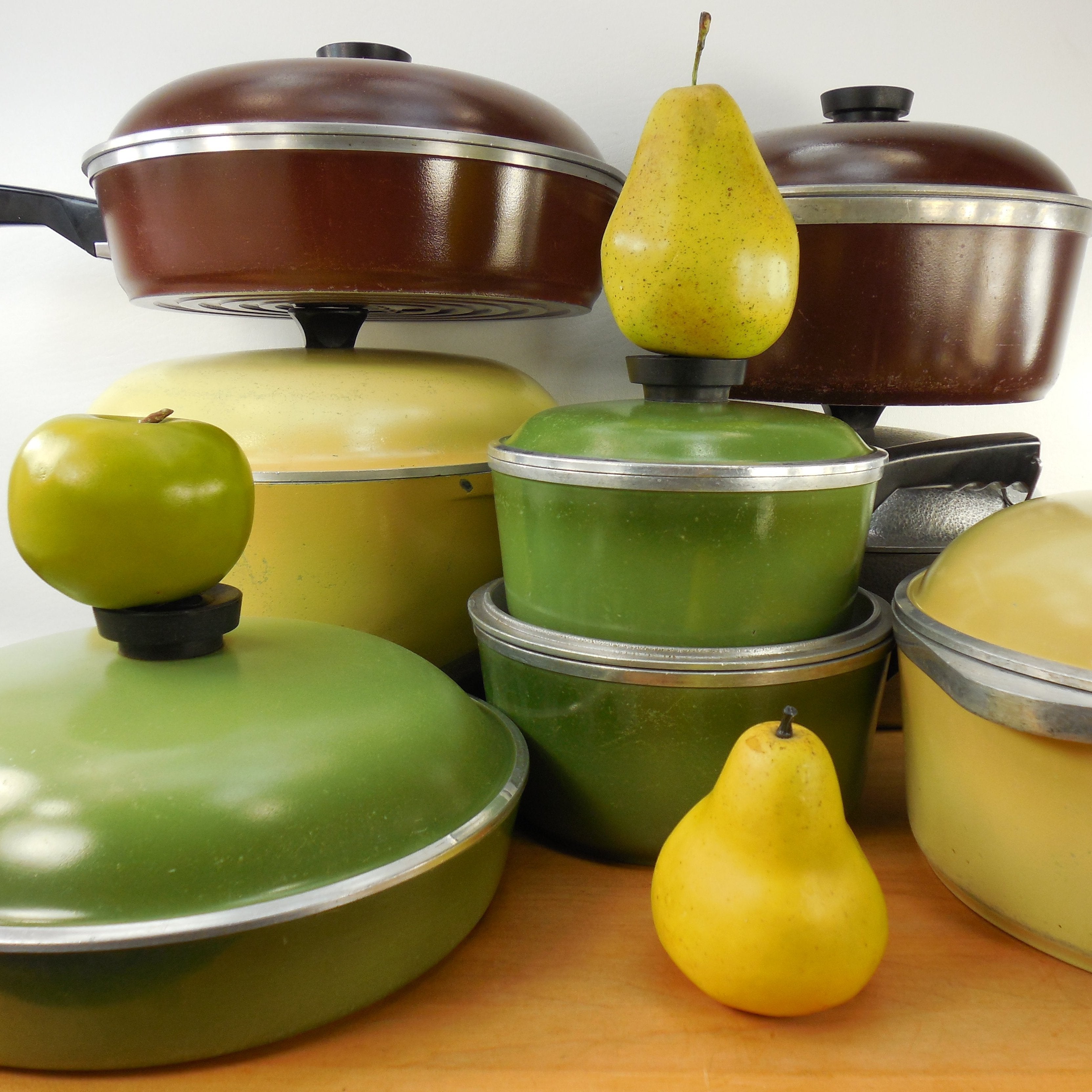
Color and finish tell much about the cookware’s time. Early pieces mostly have plain, dark finishes. Later versions show bright colors or two-tone effects. Some finishes fade or change with age. Checking the color can help separate early from newer pieces.

Credit: www.schaumburgamrotary.org
Research Tools
Research tools help you find the age and value of Club Cookware. They give facts and details that make dating easier. Using the right tools saves time and avoids mistakes. Learn from trusted sources to get clear answers. Start with simple guides and move to expert advice for best results.
Reference Books And Guides
Books about Club Cookware show different styles and marks. They list production years and special features. These guides often have pictures for easy comparison. Reading them helps you spot details on your cookware. Many libraries and stores carry these helpful books.
Online Databases And Forums
Websites store large collections of Club Cookware data. You can search by model, year, or maker’s mark. Forums let collectors share tips and photos. Asking questions there brings quick replies from experts. These online tools are free and updated often.
Appraisal And Expert Opinions
Experts can give precise dates and values for cookware. They study marks, material, and design carefully. Professional appraisals add trust to your findings. You may visit antique shops or contact specialists online. Their advice helps confirm your research results.
Authenticity Checks
Authenticity checks help confirm if your Club Cookware is genuine. These checks protect your investment. They also keep your collection trustworthy.
Authentic cookware shows signs of age and use. It has details that copies lack. Use these methods to spot real pieces.
Signs Of Reproduction
Reproductions often have smooth, new surfaces. The paint and logos look too perfect. Original cookware shows small dents and scratches. Check the weight. Copies may feel lighter or heavier. Look for unusual colors or fonts. These often reveal a fake item.
Testing For Age And Use
Old cookware has natural wear. Look for worn handles and faded markings. The metal may have a slight rust or patina. Smell the cookware; old pieces have a faint, metallic scent. Tap the surface gently. Authentic items sound solid, not hollow. Use a magnet to test metal type. Age matches the expected material of the period.
Comparing With Verified Examples
Find photos of confirmed original Club Cookware. Compare details like logos, shapes, and colors. Notice the style of stamps or engravings. Originals have consistent and clear markings. Use trusted sources or collector guides. Side-by-side comparison highlights differences clearly. This method reduces the chance of errors.
Credit: www.kaufman-auctions.com
Caring For Vintage Cookware
Vintage cookware holds a special charm and history. Caring for these pieces keeps them useful and beautiful. Proper care prevents damage and preserves their value. Simple steps can extend the life of your vintage cookware.
Cleaning Without Damage
Use gentle cleaning tools like soft sponges or cloths. Avoid harsh scrubbing pads that scratch surfaces. Mild dish soap and warm water work best. Do not soak cast iron in water for long. Dry cookware completely after washing to stop rust.
Storage Tips
Store vintage cookware in a dry place. Avoid stacking heavy pots to prevent dents. Use paper towels between pans to stop scratches. Keep lids separate or upside down for airflow. Proper storage keeps cookware safe and ready to use.
Restoration Basics
Light rust can be removed with a paste of baking soda and water. For cast iron, re-season by applying oil and heating in the oven. Avoid chemical cleaners that harm vintage finishes. Small dents or chips may need professional help. Restoration keeps cookware looking and working well.
Frequently Asked Questions
How Can I Identify The Manufacturing Date Of Club Cookware?
You can find the manufacturing date on the cookware’s base or handle. Look for stamped codes or markings indicating the year or batch. This helps verify authenticity and age, ensuring you buy genuine and high-quality Club Cookware.
Why Is Dating Club Cookware Important For Buyers?
Dating Club Cookware helps buyers assess product authenticity and quality. Older pieces may have collectible value or better craftsmanship. Knowing the date ensures you invest in durable cookware that meets your cooking needs and preferences.
What Markings Help Date Club Cookware Accurately?
Common markings include production codes, logos, and metal stamps. These symbols often indicate the manufacturing year or period. Refer to official Club Cookware guides or trusted sources to decode these marks correctly for precise dating.
Can Wear And Tear Affect Dating Club Cookware?
Yes, wear can obscure important markings needed for dating. Scratches or fading might hide codes, making it harder to identify the production date. Handle cookware carefully and clean gently to preserve these key identifiers.
Conclusion
Dating your club cookware helps keep it in great shape. Check for marks, dents, and wear regularly. Knowing the age helps plan replacements or upgrades. Clean and store cookware properly to extend its life. Small efforts save money and improve cooking results.
Keep track of your cookware’s condition over time. Stay aware, and your kitchen tools will serve well. Simple steps make a big difference every day.

Hello, This is Annie Walker, a 38-year-old blogger, founder, and editor of Cookware Guider from NY, USA. I am a cookware fanatic and passionate cooker. I love to cook with different types of cooking appliances (example: all types of cookware, rice cookers, slow cookers, etc) almost every day in my kitchen. I love to share my experience with my readers in my blog. Also, I enjoy helping people to solve their problems through my website. You can follow me on Twitter & Pinterest. To know details about my blog please check the about us page.