
Have you ever wondered what to do with old or damaged cookware cluttering your kitchen? Tossing it in the trash might seem like the easiest choice, but it’s not always the best for you or the environment.
Knowing how to dispose of cookware properly can save you space, protect the planet, and even give your kitchen a fresh start. You’ll discover simple, smart ways to get rid of your cookware without guilt or hassle. Keep reading—you’ll be surprised at how easy it is to make the right choice for your home and the earth.
Sort Your Cookware
Sorting your cookware is the first step to proper disposal. It helps you manage waste and recycle better. Organize your pots, pans, and other kitchen tools before deciding what to do next. This step saves time and reduces confusion later.
Identify Materials
Check what each cookware piece is made of. Common materials include stainless steel, aluminum, cast iron, and non-stick surfaces. Some items may have plastic handles or glass lids. Knowing the material helps find the right disposal or recycling method. Some materials recycle easily, while others need special care.
Separate Damaged Items
Look for broken, cracked, or rusted cookware. Separate these from items still in good shape. Damaged cookware often cannot be reused or donated. They may require special disposal or recycling. Keeping them apart prevents damage to other items and makes sorting easier.
Credit: www.newingtonct.gov
Reuse And Repurpose
Old cookware does not need to go to waste. You can reuse and repurpose many items easily. This helps reduce trash and saves money. Plus, it gives your kitchen a fresh look.
Creative Kitchen Uses
Use old pots as planters for herbs or flowers. Small pans work well for holding kitchen tools or utensils. A large tray can serve as a stylish cutting board. Cast iron skillets make great warmers for bread or tortillas. Even chipped bowls can be used to mix small ingredients. These ideas give old cookware a second life in your kitchen.
Diy Projects With Old Cookware
Turn lids into wall clocks by adding clock parts. Use metal pans as unique bulletin boards with magnets. Paint old pots and use them as decorative storage containers. Create bird feeders by filling pans with seeds and hanging them outside. Attach handles from old pans to wooden boxes for easy carrying. These simple projects transform cookware into useful home items.
Donate And Sell
Donating or selling cookware is a smart way to give your kitchen items a new life. It helps reduce waste and supports others who need good cooking tools. Both options save money and the environment.
Before you donate or sell, check your cookware’s condition. Clean it well and make sure it works properly. This makes it easier to find a new home for your items.
Local Charities And Shelters
Many local charities accept cookware donations. Shelters and community centers often need pots, pans, and utensils. Donated items help people starting fresh or those in tough situations.
Call the charity first to confirm what they accept. Some places want only gently used or new items. Drop off your cookware at their collection points or arrange for pickup.
Online Marketplaces
Online marketplaces offer a quick way to sell or give away cookware. Websites like eBay, Craigslist, or Facebook Marketplace connect you with buyers nearby. You set the price and show pictures to attract interest.
Be honest about your cookware’s condition to build trust. Clear, simple descriptions help buyers decide. Meet in safe public places for exchanges. This approach saves landfill space and earns you some cash.

Credit: theroundup.org
Recycle Properly
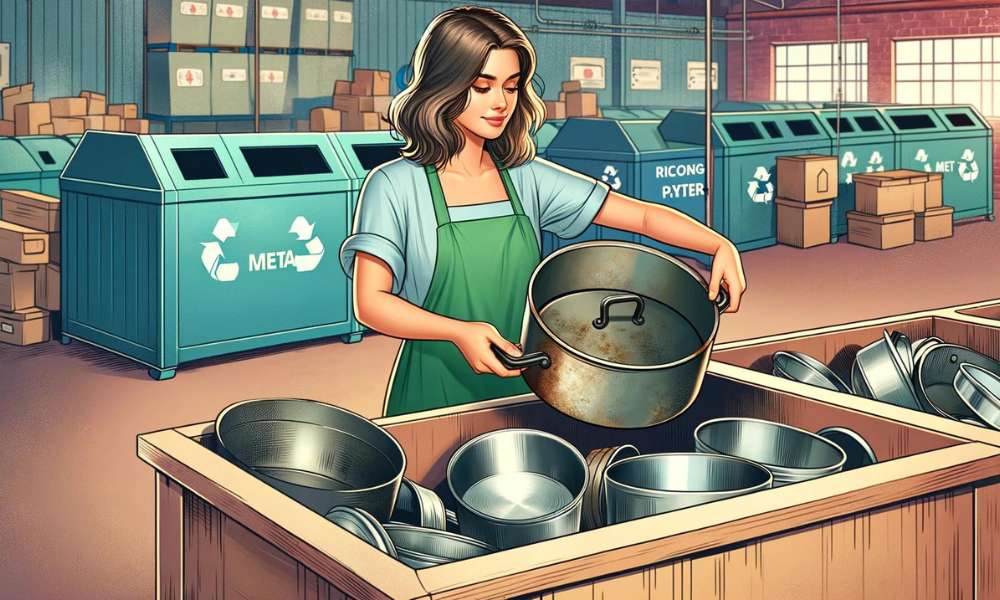
Recycling cookware helps reduce waste and saves resources. Proper recycling keeps harmful materials out of landfills. It also supports the creation of new products from old items. Follow these steps to recycle cookware correctly and safely.
Check Local Recycling Rules
Every place has different rules for recycling. Some accept metal cookware, while others do not. Check your town or city’s website for clear instructions. Find out which materials you can recycle. Learn about drop-off locations or special collection days. Knowing the rules saves time and prevents mistakes.
Prepare Cookware For Recycling
Clean your cookware before recycling. Remove food, grease, and any non-metal parts. Detach handles or lids made of plastic or wood. Cut large items into smaller pieces if allowed. This helps recycling centers process the items better. Proper preparation improves recycling chances and safety.
Dispose Of Non-recyclables
Disposing of non-recyclable cookware needs care. Some cookware cannot go in recycling bins. These items may include pots with non-stick coatings or broken parts. Throwing them away without preparation can harm the environment or create safety risks. Follow safe steps to dispose of these items properly.
Safe Trash Disposal Tips
Wrap sharp edges of broken cookware with newspaper. This protects garbage handlers from cuts. Use strong bags to prevent leaks from damaged pans. Place small pieces in a sealed container before trashing. Check local rules for bulky item pickup. Some areas require special drop-off spots for large cookware. Always separate non-recyclable cookware from recyclables. This keeps the recycling process clean and efficient.
Hazardous Material Handling
Some cookware contains hazardous materials like lead or chemicals. Non-stick pans may release toxins if burned or broken. Avoid throwing hazardous cookware in regular trash. Contact local waste facilities for guidance on hazardous waste. Use protective gloves when handling damaged cookware. Store hazardous cookware safely until proper disposal. Never burn cookware to get rid of it. Burning releases harmful fumes and pollutes air. Proper disposal protects your health and the environment.
Credit: homecoverin.com
Eco-friendly Alternatives
Eco-friendly alternatives help reduce waste and protect the planet. Choosing the right cookware and taking care of it can lower your environmental impact. Small changes make a big difference in how you dispose of old pots and pans.
Choosing Sustainable Cookware
Look for cookware made from recycled or natural materials. Cast iron, stainless steel, and ceramic last longer and are safer for the environment. Avoid non-stick pans with harmful chemicals. Choose brands that focus on eco-friendly production and packaging. This reduces waste from the start.
Extending Cookware Lifespan
Proper care helps your cookware last many years. Clean pans gently and avoid harsh scrubbing. Use wooden or silicone utensils to prevent scratches. Store cookware carefully to avoid damage. Fix small problems like loose handles or warped bottoms. This saves money and cuts down on waste.
Frequently Asked Questions
How Do I Safely Dispose Of Non-stick Cookware?
Non-stick cookware should be cleaned thoroughly before disposal. Check if local recycling centers accept them. If not, discard them in regular trash to avoid environmental harm.
Can I Recycle Old Cookware Materials?
Yes, many cookware materials like stainless steel and cast iron are recyclable. Remove any non-metal parts and take them to a metal recycling facility.
What Is The Best Way To Donate Cookware?
Ensure the cookware is clean and in good condition. Donate to local charities, shelters, or thrift stores that accept kitchen items.
Should I Throw Away Damaged Cookware Or Repair It?
If the damage affects safety or cooking quality, it’s best to dispose of it properly. Minor damages can often be repaired to extend usability.
Conclusion
Disposing of cookware does not have to be hard. Choose the best way for your old pots and pans. Recycling helps the planet and saves resources. Donating usable cookware gives it a second life. Avoid throwing cookware in the trash to reduce waste.
Small steps make a big difference over time. Take care of your kitchen items and the Earth. Make smart choices and feel good about them. Your efforts matter, one pot at a time.

Hello, This is Annie Walker, a 38-year-old blogger, founder, and editor of Cookware Guider from NY, USA. I am a cookware fanatic and passionate cooker. I love to cook with different types of cooking appliances (example: all types of cookware, rice cookers, slow cookers, etc) almost every day in my kitchen. I love to share my experience with my readers in my blog. Also, I enjoy helping people to solve their problems through my website. You can follow me on Twitter & Pinterest. To know details about my blog please check the about us page.