
Want to make crispy, golden chips right at home but don’t have a deep fryer? You’re in the right place.
Deep frying chips in a saucepan is easier than you think, and it can give you that perfect crunch every time. Imagine biting into hot, tasty chips that are just how you like them—crispy on the outside, soft inside. In this guide, you’ll discover simple steps to master this cooking method safely and effectively.
Keep reading, and soon you’ll impress yourself and your family with homemade chips that rival any restaurant.
Choosing The Right Pot
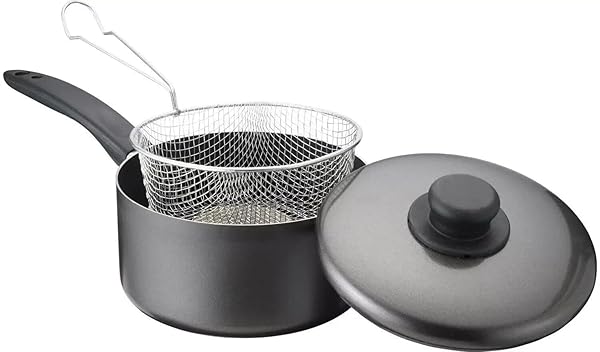
Choosing the right pot is the first step to deep fry chips safely and well. The pot affects the cooking time and the quality of the chips. A good pot holds the oil at a steady temperature and has enough space for the chips to fry evenly. Picking the correct pot makes the frying process easier and the chips tastier.
Ideal Saucepan Size
Choose a saucepan that is medium to large in size. It should hold enough oil to cover the chips without overflowing. A pot with a 3 to 4-quart capacity works well for most kitchens. Too small a pot can cause oil to spill over. Too large a pot wastes oil and takes longer to heat.
Material And Heat Distribution
Use a pot made of thick metal for even heat. Stainless steel or cast iron saucepans are good choices. These materials keep the oil temperature steady. Thin pots heat unevenly, causing chips to burn or cook slowly. Proper heat distribution ensures crispy and golden chips every time.
Selecting The Best Oil
Selecting the right oil is key to frying chips in a saucepan. The oil must handle high heat without burning. It should also help make chips crispy and tasty. Choosing the best oil keeps your chips healthy and delicious.
High Smoke Point Oils
Use oils with a high smoke point for frying. These oils can heat up without smoking or burning. Examples include vegetable oil, canola oil, and peanut oil. These oils keep the flavor pure and avoid harmful fumes. Olive oil has a lower smoke point and is not best for deep frying.
Oil Quantity Tips
Use enough oil to cover the chips fully. The chips must float in the oil for even cooking. Too little oil causes uneven frying and soggy chips. Do not fill the saucepan more than half full with oil. This prevents spills and keeps frying safe.
Preparing The Potatoes
Preparing the potatoes is a key step for crispy, tasty chips. It helps remove extra starch and ensures even cooking. Proper preparation also prevents soggy chips and improves texture. Follow these simple steps to get the best results from your saucepan frying.
Cutting Perfect Chips
Start with clean, peeled potatoes. Cut them into even sticks about 1 cm thick. Uniform size helps chips cook evenly and crisp up well. Use a sharp knife to make straight cuts. Avoid very thin or thick pieces. Thin chips burn quickly. Thick ones take too long to cook.
Soaking And Drying
Place the cut chips in cold water. Soak for at least 30 minutes to remove excess starch. This stops chips from sticking together. After soaking, drain the water completely. Pat chips dry using a clean kitchen towel. Dry chips fry better and absorb less oil. This step is important for a crispy finish.
Credit: cairocommunity.com
Heating The Oil
Heating the oil properly is key to making perfect deep-fried chips in a saucepan. The oil must be hot enough to cook the chips evenly and create a crispy outside. Too cold, and the chips absorb oil and become soggy. Too hot, and they burn quickly on the outside while staying raw inside.
Knowing the right temperature helps you get crispy, golden chips every time. This section explains the best temperature range and how to measure it accurately.
Optimal Temperature Range
The best oil temperature for frying chips is between 325°F and 375°F (160°C and 190°C). At this range, the chips cook through and become crispy.
Start heating the oil slowly. Check the temperature often. If the oil is too cool, the chips will soak oil. If too hot, the outside burns fast.
Using A Thermometer
A cooking thermometer is the easiest way to check oil temperature. Clip it to the side of the saucepan.
Watch the reading carefully. Adjust the heat to keep the oil steady in the right range.
Without a thermometer, test the heat by dropping a small chip piece in. It should bubble and rise to the top quickly. If it browns too fast, lower the heat.
Frying Process
Deep frying chips in a saucepan requires careful attention. The frying process affects the chips’ texture and taste. Proper frying makes chips crispy outside and soft inside. It also helps cook them evenly without absorbing too much oil. Follow these steps to fry chips perfectly in your saucepan.
Batch Frying Technique
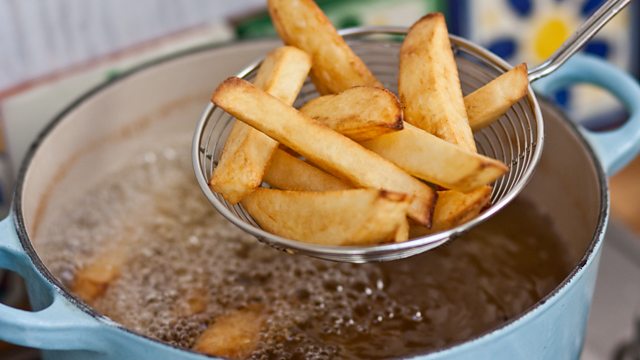
Cook chips in small batches. This method keeps oil temperature steady. Hot oil is key to crispy chips. Add a few chips at a time. Wait until they turn golden brown. Remove them with a slotted spoon. Drain excess oil on paper towels. This process prevents soggy, greasy chips.
Avoiding Overcrowding
Do not overcrowd the saucepan. Too many chips lower the oil temperature. This causes uneven cooking and soggy chips. Give each chip room to float freely. Overcrowding also increases cooking time. Fry in small amounts for the best results. Crispier, tastier chips need space to cook well.
Achieving Crispiness
Getting chips crispy in a saucepan takes some care. The right steps make the difference between soggy and crunchy chips. Crispiness means the outside is golden and firm, while the inside stays soft. Two key steps help achieve this texture. They are the double frying method and proper draining and cooling.
Double Frying Method
Double frying is a simple trick to make chips extra crispy. First, fry the chips at a lower temperature. This cooks them through without browning. Then remove and cool the chips. After cooling, fry them again at a higher temperature. This second fry crisps the outside quickly. It locks in moisture and creates a golden crust.
This method stops chips from soaking up too much oil. It also gives a crunch that lasts longer. The double fry makes chips light and crisp, not greasy or soft.
Draining And Cooling
Draining chips well is crucial after frying. Use a slotted spoon to lift chips from the oil. Place them on a paper towel or wire rack. This absorbs extra oil and keeps chips from getting soggy. Do not pile chips on top of each other. Spread them out in a single layer.
Let chips cool for a minute or two before serving. Cooling helps the surface firm up. Warm chips are more fragile and can lose crispiness quickly. Proper draining and cooling keep chips fresh and crunchy for longer.
Safety Tips
Deep frying chips in a saucepan can be fun and tasty. Safety is very important. Hot oil can cause burns and accidents. Follow these simple tips to keep safe while frying.
Preventing Oil Spills
Do not fill the saucepan more than half with oil. Overfilling causes spills when chips are added. Use a deep, heavy saucepan to reduce splashing. Place the pan on a flat, stable surface. Keep handles turned inward to avoid bumps. Use a long-handled slotted spoon to add and remove chips gently.
Handling Hot Oil Carefully
Heat the oil slowly to prevent sudden splashes. Never leave hot oil unattended. Keep a lid nearby to cover the pan if oil splashes. Use oven mitts or thick towels to hold the pan. Avoid water near hot oil; it causes dangerous splattering. Let the oil cool before moving or disposing of it.
Credit: www.cppi.org.eg
Serving Suggestions
Serving deep-fried chips from a saucepan is a simple joy. They taste best with the right seasoning and dips. These ideas help bring out the best flavors. Try these easy tips to enjoy your chips more.
Seasoning Ideas
Sprinkle salt and pepper for a classic taste. Add paprika or chili powder for a spicy kick. Garlic powder gives a nice, savory touch. Mix herbs like rosemary or thyme for fresh flavor. Try cheese powder for a tasty twist. Season right after frying while chips are hot. This helps the flavors stick better.
Dipping Sauces
Ketchup is a popular choice and always works well. Mayonnaise adds creaminess to each bite. Mix mayo with garlic for a simple garlic sauce. Try mustard for a sharp, tangy dip. Barbecue sauce gives a smoky flavor. Sour cream with chives is cool and fresh. Serve sauces in small bowls for easy dipping.

Credit: cityofharrah.com
Frequently Asked Questions
How Do I Deep Fry Chips Safely In A Saucepan?
Use a heavy saucepan filled halfway with oil. Heat oil to 350°F (175°C). Add chips carefully to avoid splashes. Use a thermometer and never leave unattended.
What Type Of Oil Is Best For Frying Chips?
Use oils with high smoke points like vegetable, peanut, or sunflower oil. These oils ensure crispiness and prevent burning during frying.
How Long Should I Deep Fry Chips In A Saucepan?
Fry chips for 4-6 minutes until golden and crispy. Avoid overcrowding the pan to maintain oil temperature and even cooking.
Can I Reuse Oil After Frying Chips In A Saucepan?
Yes, strain the oil to remove crumbs. Store in a sealed container. Reuse within 2-3 uses to maintain quality and flavor.
Conclusion
Deep frying chips in a saucepan is simple and fun. Use the right oil and heat it carefully. Cut potatoes evenly for perfect cooking. Watch the chips closely to avoid burning. Drain excess oil on paper towels. Enjoy crispy, golden chips made at home.
Practice makes the process easier and faster. Try different seasonings for extra flavor. Homemade chips bring joy and taste to any meal. Give it a try today!

Hello, This is Annie Walker, a 38-year-old blogger, founder, and editor of Cookware Guider from NY, USA. I am a cookware fanatic and passionate cooker. I love to cook with different types of cooking appliances (example: all types of cookware, rice cookers, slow cookers, etc) almost every day in my kitchen. I love to share my experience with my readers in my blog. Also, I enjoy helping people to solve their problems through my website. You can follow me on Twitter & Pinterest. To know details about my blog please check the about us page.