
Cooking chicken in a saucepan is one of the easiest and quickest ways to prepare a delicious meal. If you’ve ever struggled with dry or overcooked chicken, this method will change the way you cook forever.
Imagine juicy, tender chicken ready in just minutes, all made right on your stovetop. You’ll discover simple steps and expert tips that make cooking chicken in a saucepan foolproof. Get ready to impress yourself and anyone you’re cooking for with a meal that tastes amazing every time.
Keep reading to unlock the secret to perfect chicken with minimal effort.
Choosing The Right Chicken Cut
Choosing the right chicken cut matters for cooking in a saucepan. Different cuts cook differently and change the dish’s taste and texture. Picking the best cut helps make your meal delicious and easy to prepare. Consider your recipe and cooking time when choosing.
Breasts Vs Thighs
Chicken breasts are lean and cook quickly. They have a mild flavor and firm texture. They work well for light sauces and fast meals.
Chicken thighs have more fat and stay juicy longer. Their flavor is richer and meat softer. Thighs suit slow cooking and thick, hearty sauces.
Bone-in Or Boneless
Bone-in chicken adds more flavor to your sauce. Bones release taste while cooking and keep meat moist. Cooking takes longer but results are tastier.
Boneless chicken cooks faster and is easier to eat. It is good for quick meals or when sauce is thin. Use boneless if you want simple, fast cooking.
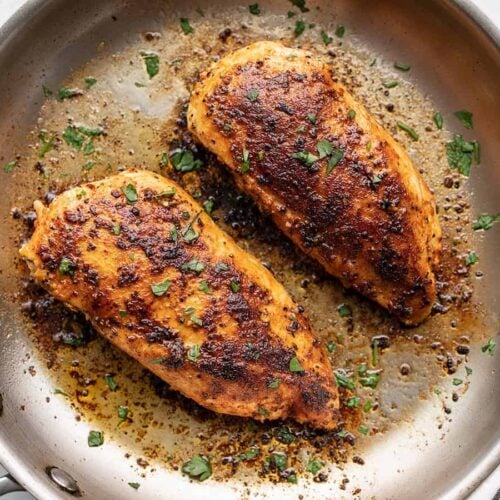
Credit: www.budgetbytes.com
Selecting Your Saucepan
Choosing the right saucepan is key to cooking chicken perfectly. The right pan ensures even cooking and helps keep the chicken juicy. It also makes the cooking process easier and cleaner. Two main points to consider are the material of the pan and its size and shape.
Material Matters
The material of your saucepan affects heat distribution and cooking speed. Stainless steel pans are durable and easy to clean. They heat evenly but may need oil to prevent sticking.
Non-stick pans require less oil and stop food from sticking. They work well for cooking chicken gently. Cast iron pans hold heat for a long time, perfect for slow cooking. But they are heavy and need special care.
Size And Shape
Choose a pan size that fits the amount of chicken you plan to cook. A small pan can crowd the chicken, causing uneven cooking. A large pan gives space for the chicken to cook evenly.
The shape matters too. A wider pan offers more surface area to brown the chicken. A deep pan holds sauces better, preventing spills. Think about the dish you want to make when picking size and shape.
Preparing The Chicken
Preparing the chicken is the first step to a tasty meal cooked in a saucepan. This stage helps the chicken cook evenly and absorb flavors well. Proper preparation ensures juicy and flavorful results.
Trimming And Seasoning
Start by trimming any excess fat or skin from the chicken. This keeps the dish light and prevents greasy sauce. Pat the chicken dry with paper towels. Dry chicken browns better and cooks evenly.
Season the chicken with salt and pepper on all sides. Simple seasoning brings out the natural taste. You can also add garlic powder, paprika, or herbs for extra flavor. Rub the spices gently so they stick well.
Marinating Tips
Marinating adds moisture and deep flavors to the chicken. Use a mix of oil, acid (like lemon juice or vinegar), and spices. The acid helps tenderize the meat. Let the chicken sit in the marinade for at least 30 minutes.
For stronger flavor, marinate the chicken in the fridge for a few hours. Avoid over-marinating, as it can change the texture. Always discard leftover marinade that touched raw chicken to keep food safe.
Creating The Sauce Base
Creating the sauce base is the first step to cook chicken in a saucepan. A good sauce adds flavor and moisture to the chicken. It also helps the chicken cook evenly and stay juicy.
Start by making a simple sauce with a few basic ingredients. Then, build on that with herbs and spices to make the sauce taste better. The sauce should be thick enough to coat the chicken but not too thick.
Essential Ingredients
Use oil or butter to start the sauce. It helps cook the chicken and adds richness. Next, add onions or garlic. These give a strong, tasty base.
Tomatoes or broth work well to add liquid. They keep the chicken moist during cooking. Salt and pepper are important. They bring out the flavors in the sauce and chicken.
Flavor Boosters
Use herbs like thyme, rosemary, or bay leaves. They give a fresh, natural taste. Spices such as paprika, cumin, or chili powder add warmth and depth.
A splash of lemon juice or vinegar can brighten the sauce. A little sugar balances sour or bitter flavors. Taste the sauce as you cook and adjust spices slowly.
Cooking Techniques
Cooking chicken in a saucepan requires the right techniques to make it tasty and tender. The two main methods are searing and simmering. Both help keep the chicken juicy and full of flavor. Using these steps correctly will improve your cooking results.
Focus on controlling heat and timing. This ensures the chicken cooks evenly. Follow these techniques for a delicious meal made in your saucepan.
Searing For Juiciness
Searing is the first step to lock in juices. Heat the saucepan until it is very hot. Add a small amount of oil to prevent sticking. Place the chicken pieces in the pan without crowding them.
Cook the chicken without moving it for 2 to 3 minutes. This forms a brown crust that keeps moisture inside. Flip the chicken to sear the other side. The golden crust adds flavor and texture.
Simmering In Sauce
After searing, add your sauce to the pan. Reduce the heat to low or medium-low. Cover the saucepan with a lid to trap steam. Let the chicken cook gently in the sauce.
Simmering helps the chicken absorb flavors. It also makes the meat soft and tender. Check the chicken often to avoid overcooking. Simmer for 15 to 25 minutes depending on the size of pieces.

Credit: www.jessicagavin.com
Timing And Temperature
Timing and temperature are key to cooking chicken perfectly in a saucepan. Too high heat or too long cooking can dry out the chicken. Too low heat or too short cooking leaves it undercooked. Finding the right balance ensures juicy, tender chicken every time.
Optimal Heat Levels
Use medium heat for cooking chicken in a saucepan. This heat level cooks chicken evenly without burning. Start with medium-high to sear the chicken, then lower to medium to cook through. Avoid high heat; it cooks outside fast but leaves inside raw.
Cooking Duration
Cook chicken for about 6 to 8 minutes per side. This timing works for boneless, skinless pieces around 1 inch thick. Thicker pieces need more time, thinner pieces less. Check doneness by cutting into the thickest part. Juices should run clear, and meat should be white.
Checking For Doneness
Checking if chicken is done is important for safe eating. Undercooked chicken can cause illness. Overcooked chicken becomes dry and tough. Knowing how to check doneness helps you cook the best chicken in a saucepan.
There are simple ways to check if your chicken is fully cooked. You can use your eyes or a kitchen tool. Both methods give clues about the chicken’s readiness.
Visual Cues
Look at the chicken’s color. Cooked chicken is white or light brown inside. Pink or red spots mean it needs more cooking.
Check the juices. Clear juices show the chicken is done. If the juice is red or pink, cook longer.
Texture matters too. The meat should be firm and easy to pull apart. Soft or rubbery meat means it needs more heat.
Using A Meat Thermometer
A meat thermometer is the safest way to check doneness. Insert it into the thickest part of the chicken.
The safe internal temperature for chicken is 165°F (75°C). When the thermometer shows this, the chicken is ready.
This tool prevents guesswork. It helps avoid under or overcooking your chicken.
Serving Suggestions
Serving chicken cooked in a saucepan can be a delightful experience. The right sides and garnishes bring out the flavors. They make your meal complete and satisfying.
Pairing With Sides
Rice is a classic side that absorbs the sauce well. Steamed vegetables add color and crunch. Mashed potatoes give a creamy texture contrast. A fresh salad provides a light, crisp balance. Bread can help soak up every bit of sauce.
Garnishing Ideas
Fresh herbs like parsley or cilantro brighten the dish. Lemon zest adds a fresh, zesty note. A sprinkle of chili flakes gives a mild heat. Toasted nuts create a crunchy topping. A drizzle of olive oil adds richness and shine.
Troubleshooting Common Issues
Cooking chicken in a saucepan can sometimes lead to small problems. These issues can affect taste and texture. Fixing them quickly keeps your meal delicious. Below are solutions for common problems with chicken and sauce.
Dry Chicken Fixes
Dry chicken often means it cooked too long or on too high heat. Lower the heat and cook slowly. Add a little broth or water to keep moisture. Cover the pan to trap steam. This helps chicken stay juicy. Cut chicken into smaller pieces to cook evenly.
Sauce Consistency Tips
Thin sauce can taste weak and watery. To thicken, simmer sauce longer without a lid. This lets water evaporate and sauce concentrate. Use a small spoon of flour or cornstarch mixed with water. Stir this into the sauce and cook until thick. Avoid boiling too hard. Thick sauce sticks better to chicken and tastes richer.

Credit: www.jessicagavin.com
Frequently Asked Questions
How Long To Cook Chicken In A Saucepan?
Cooking time varies by chicken size. Generally, cook chicken breasts for 12-15 minutes. Ensure internal temperature reaches 165°F (74°C) for safety.
What Type Of Sauce Works Best For Saucepan Chicken?
Tomato-based, cream, or soy sauces work well. Choose sauces that complement your chicken’s flavor and cook evenly without burning.
Should I Cover The Saucepan While Cooking Chicken?
Yes, covering retains moisture and speeds cooking. It helps the chicken cook evenly and keeps the sauce flavorful.
How To Prevent Chicken From Sticking To The Saucepan?
Use a non-stick pan or add oil before cooking. Preheat the pan and avoid moving chicken too soon to prevent sticking.
Conclusion
Cooking chicken in a saucepan is simple and quick. You need just a few ingredients and some basic steps. This method keeps the chicken juicy and full of flavor. It works well for any meal, day or night. Try different sauces to find your favorite taste.
Practice makes cooking easier and more fun. Enjoy your homemade chicken dish with family or friends. Keep this method in mind for a tasty, easy dinner anytime.

Hello, This is Annie Walker, a 38-year-old blogger, founder, and editor of Cookware Guider from NY, USA. I am a cookware fanatic and passionate cooker. I love to cook with different types of cooking appliances (example: all types of cookware, rice cookers, slow cookers, etc) almost every day in my kitchen. I love to share my experience with my readers in my blog. Also, I enjoy helping people to solve their problems through my website. You can follow me on Twitter & Pinterest. To know details about my blog please check the about us page.