
Is your stainless steel cookware looking dull or stained? Discoloration can make your favorite pots and pans look old and worn out, even if they still work perfectly.
But don’t worry—you don’t have to replace them. You can bring back that shiny, clean look with simple methods you can try right at home. Keep reading, and you’ll discover easy, effective ways to remove discoloration and make your cookware look almost new again.
Your kitchen will thank you!
Causes Of Discoloration
Discoloration on stainless steel cookware is common. It happens for many reasons. Understanding these causes helps keep cookware shiny and clean. Below are the main reasons stainless steel changes color over time.
Heat Exposure Effects
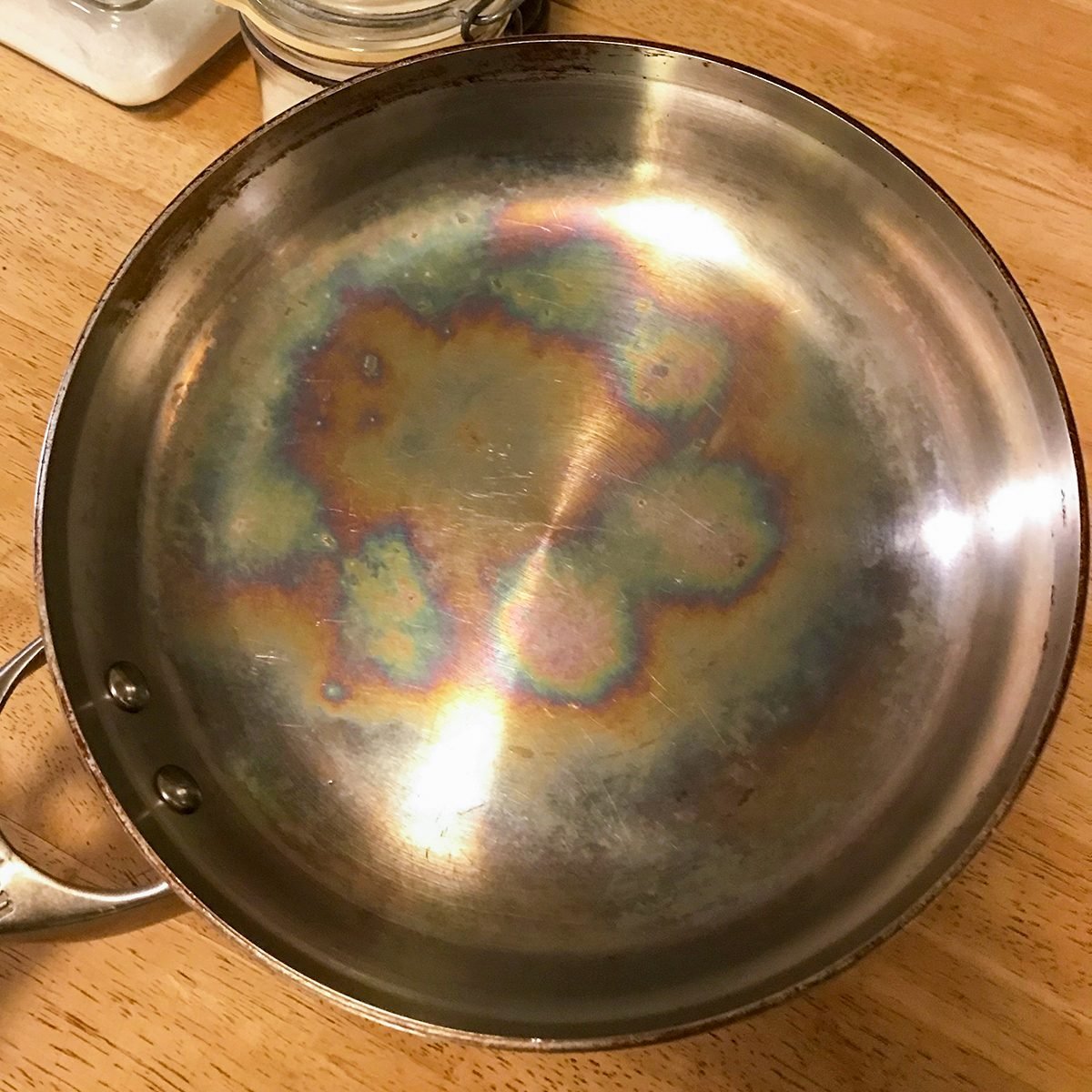
High heat can change stainless steel color. The metal reacts to heat and forms a thin layer. This layer looks like rainbow colors or dark spots. Cooking at very high temperatures or leaving cookware on heat too long causes this effect. It does not harm the cookware but changes its look.
Chemical Reactions
Certain chemicals cause discoloration on stainless steel. Strong cleaning agents or acidic foods react with the metal. These reactions create stains or dull spots. Using harsh detergents or soaking cookware in vinegar too long can lead to this. Gentle cleaning helps avoid chemical damage.
Water Quality Impact
Hard water contains minerals that stain stainless steel. After washing, mineral deposits may stay on the surface. These deposits cause white or cloudy marks. Over time, water spots build up and make cookware look dull. Drying cookware after washing stops water stains.
Safe Cleaning Methods
Stainless steel cookware often loses its shine due to discoloration. This happens because of heat, water minerals, or leftover food stains. Safe cleaning methods help restore the cookware without damage. These methods use simple household ingredients that are gentle yet effective. They clean the surface and keep the cookware looking new.
Using Baking Soda Paste
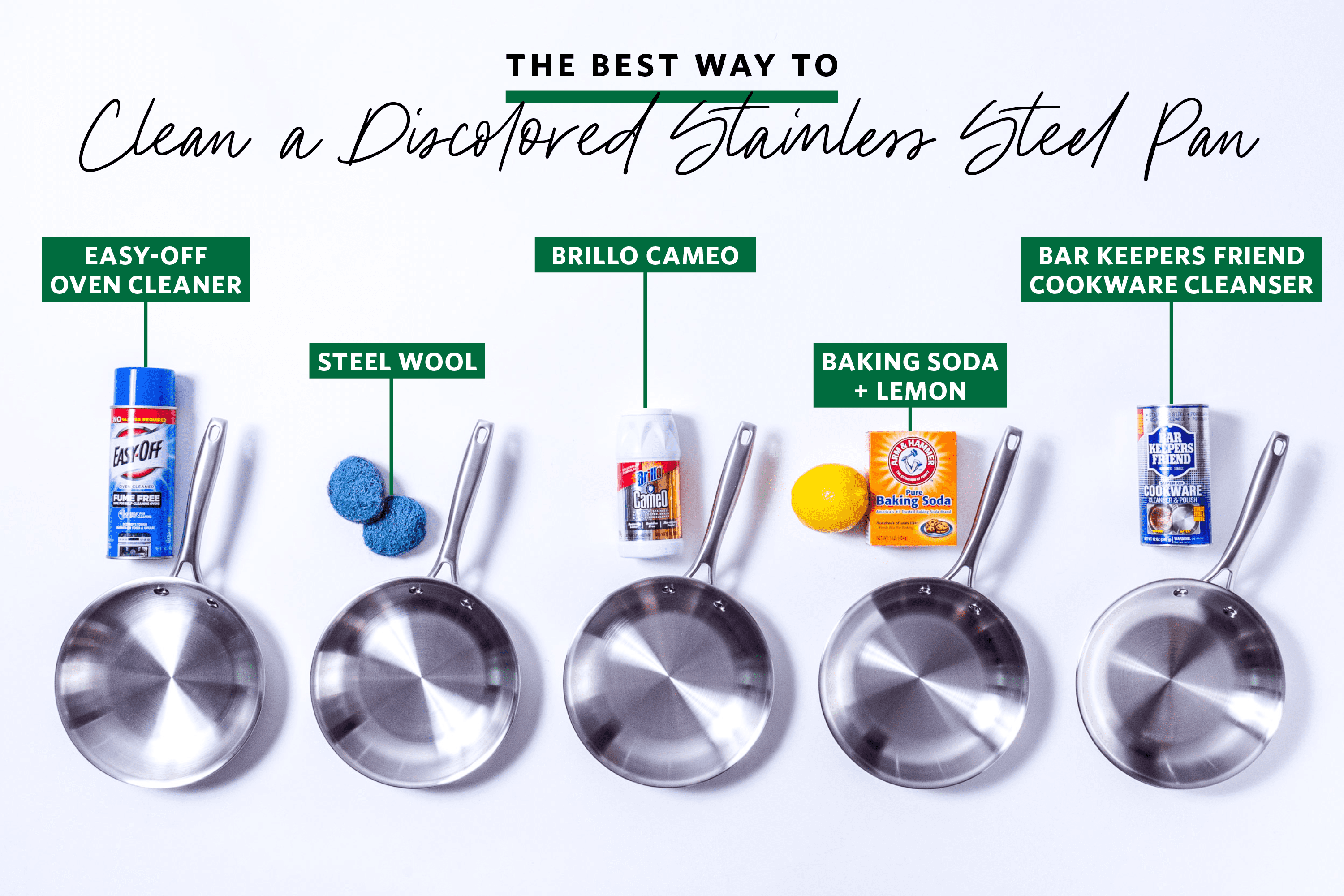
Baking soda is a mild abrasive that removes stains safely. Mix baking soda with a little water to make a thick paste. Apply the paste to the discolored areas. Let it sit for 15 minutes. Then, scrub gently with a soft cloth or sponge. Rinse the cookware well with warm water. Dry it with a clean towel to avoid water spots.
Vinegar Soak Technique
White vinegar dissolves mineral deposits and light stains. Pour enough vinegar into the cookware to cover the discolored parts. Let it soak for 10 to 20 minutes. Use a soft sponge to wipe away the stains. Rinse the cookware thoroughly with warm water. Dry it completely to keep the shine.
Lemon Juice Application
Lemon juice acts as a natural bleach and cleaner. Cut a lemon in half and rub it over the stains. Leave the juice on the surface for 5 to 10 minutes. Scrub gently with a soft cloth or sponge. Rinse with warm water and dry the cookware well. This method leaves a fresh scent too.
Commercial Cleaners
Commercial cleaners offer a quick way to remove discoloration from stainless steel cookware. These products are made to handle tough stains and restore shine. They save time and effort compared to home remedies. Choosing the right cleaner and using it correctly ensures the best results and protects your cookware.
Choosing The Right Product
Select a cleaner made specifically for stainless steel. Avoid harsh chemicals that can damage the surface. Look for products labeled as safe for cookware. Cream or paste cleaners often work better than sprays. Check reviews and choose trusted brands for safety and effectiveness.
Application Tips
Apply the cleaner to a soft cloth or sponge. Gently rub the discolored areas in circular motions. Do not scrub too hard to avoid scratches. Rinse thoroughly with warm water after cleaning. Dry the cookware with a soft towel to prevent water spots. Repeat if needed for stubborn stains.
Precautions To Take
Wear gloves to protect your skin from chemicals. Work in a well-ventilated area to avoid inhaling fumes. Test the cleaner on a small, hidden area first. Avoid mixing cleaners to prevent harmful reactions. Store the product safely away from children and pets.
Credit: www.tasteofhome.com
Preventive Practices
Preventing discoloration on stainless steel cookware saves time and effort. Taking care of your pots and pans keeps them shiny and new for longer. Simple habits in cooking and cleaning can avoid stains and marks.
Focus on the right steps before and after cooking. This helps keep the cookware looking its best every day. These preventive practices protect your investment and improve your kitchen experience.
Proper Cooking Temperatures
Use medium or low heat while cooking. High heat can cause discoloration quickly. Stainless steel needs gentle warmth to stay bright. Avoid empty heating of the pan on high settings.
Heating oil or food slowly prevents color changes. This also stops food from sticking. Controlled heat keeps your cookware in good condition.
Regular Maintenance Routine
Clean your stainless steel cookware after each use. Use warm water and mild soap. Avoid letting food sit and dry on the surface. This prevents stains and buildup over time.
Dry the cookware well before storing. Water spots can create discoloration. Regular polishing with a soft cloth helps maintain shine. A simple routine keeps pans fresh and clean.
Avoiding Harsh Chemicals
Do not use bleach or strong cleaners on stainless steel. These chemicals damage the finish and cause stains. Choose gentle cleaning products made for cookware.
Scrubbing with steel wool or rough pads can scratch the surface. Use soft sponges or cloths instead. Gentle care prevents damage and keeps the cookware smooth and bright.
Restoring Shine
Stainless steel cookware often loses its shine due to heat and stains. Restoring that bright look is simple with the right steps. A shiny pot or pan not only looks good but also feels clean and fresh. Here are some easy ways to bring back the sparkle.
Polishing With Olive Oil
Olive oil can make stainless steel shine naturally. Apply a small amount on a soft cloth. Rub the cookware in gentle circles. This removes dullness and adds a warm glow. Wipe off any extra oil with a clean cloth. Your cookware will look polished and smooth.
Using Stainless Steel Polish
Stainless steel polish is made for tough stains and discoloration. Use a little polish on a soft cloth. Rub it gently over the surface until the shine returns. Follow the product instructions for best results. This method works well for stubborn marks and keeps steel looking new.
Buffing Techniques
Buffing helps to smooth out small scratches and restore shine. Use a clean, dry cloth or a buffing pad. Move the cloth in circular motions across the surface. Apply light pressure to avoid damage. This simple step finishes the cleaning and makes your cookware gleam.
Credit: www.cubbyathome.com

Credit: www.youtube.com
Frequently Asked Questions
How Do I Remove Yellow Stains From Stainless Steel Cookware?
To remove yellow stains, use a mixture of baking soda and water. Apply the paste, scrub gently, then rinse with warm water. This method safely restores shine without damaging the surface.
Can Vinegar Help Clean Discoloration On Stainless Steel?
Yes, vinegar effectively removes discoloration. Soak a cloth in white vinegar, wipe the cookware, then rinse thoroughly. Vinegar dissolves mineral deposits and restores the cookware’s natural shine.
What Household Items Remove Heat Stains On Stainless Steel?
Baking soda, vinegar, and lemon juice are excellent for heat stains. Use a paste or soak method, scrub lightly, then rinse well. These natural cleaners break down discoloration without harsh chemicals.
Is It Safe To Use Bleach On Stainless Steel Cookware?
No, avoid bleach as it can damage stainless steel. Bleach causes corrosion and discoloration. Stick to mild cleaners like baking soda or vinegar for safe cleaning.
Conclusion
Removing discoloration from stainless steel cookware is simple and effective. Use gentle cleaning methods to protect the surface. Regular care helps keep your cookware shiny and bright. Avoid harsh chemicals that can damage the steel. Clean stains soon after cooking to prevent buildup.
With these easy steps, your pots and pans will look great again. Keep your kitchen tools in top shape without much effort. Clean cookware means better cooking and longer use. Try these tips to enjoy your stainless steel every day.

Hello, This is Annie Walker, a 38-year-old blogger, founder, and editor of Cookware Guider from NY, USA. I am a cookware fanatic and passionate cooker. I love to cook with different types of cooking appliances (example: all types of cookware, rice cookers, slow cookers, etc) almost every day in my kitchen. I love to share my experience with my readers in my blog. Also, I enjoy helping people to solve their problems through my website. You can follow me on Twitter & Pinterest. To know details about my blog please check the about us page.