
Are you tired of your non-stick cookware losing its magic and leaving food stuck to the surface? Maybe the coating has started to peel or chip, making you wonder if it’s time to toss your favorite pans.
But what if you could remove that worn-out non-stick layer and bring new life to your cookware? You’ll discover simple, safe methods to strip away the old coating yourself. Keep reading, and you’ll learn how to restore your pans, save money, and cook with confidence again.
Your kitchen deserves it!

Credit: www.youtube.com
Signs To Remove Non Stick Coating
Knowing when to remove the non-stick coating from your cookware is important. The coating wears out over time. Using damaged cookware can affect cooking and health. Watch for clear signs that show the coating needs removal. Acting early helps keep your kitchen safe and your food tasty.
When The Coating Peels
Peeling is a clear sign to remove the coating. Tiny flakes or big patches may come off while cooking. These bits can mix with your food. Peeling means the coating lost its grip on the pan. It no longer protects the metal underneath. Remove the coating before it worsens.
Scratches And Damage
Scratches make the non-stick surface less smooth. Sharp tools or rough cleaning cause these marks. Scratches trap food and make cleaning harder. Deep damage can expose the metal, causing rust. Cookware with many scratches needs its coating removed. This prevents food from sticking and metal from harming your meals.
Health Concerns
Old or damaged coatings may release harmful chemicals. Heating scratched or peeling pans can cause toxins. These chemicals can mix with your food. Using damaged non-stick cookware may affect your health. Removing the coating reduces the risk of contamination. Always keep your cookware safe for cooking.
Safety Precautions Before Removal
Removing non-stick coating from cookware requires caution. Chemicals and scrubbing can cause harm. Following safety steps protects your skin, eyes, and lungs. These precautions help avoid accidents and health issues.
Wear Protective Gear
Always wear gloves to protect your hands. Use safety goggles to shield your eyes. A mask helps prevent breathing in dust or fumes. Long sleeves and pants protect your skin from irritants.
Work In A Well Ventilated Area
Choose a space with good airflow. Open windows or use fans to move fresh air. This reduces harmful fumes and dust in the air. Avoid small, closed rooms to keep breathing safe.
Gather Necessary Tools
Prepare all tools before starting the work. You will need scrapers, sandpaper, or chemical removers. Have clean rags and a bucket of water ready. This keeps the process smooth and safe.
Chemical Removal Methods
Chemical removal methods use common household products to strip non-stick coatings. These methods are effective and require minimal effort. They work by breaking down the coating layer so it can be cleaned off easily. Safety measures are important when handling chemicals. Always wear gloves and work in a well-ventilated area. Here are three simple chemical techniques to try at home.
Using Oven Cleaner
Oven cleaner contains strong chemicals that dissolve non-stick coatings. Spray the cleaner evenly over the cookware surface. Let it sit for several hours or overnight for best results. Afterward, scrub gently with a non-abrasive pad to remove loosened coating. Rinse thoroughly with warm water to remove all residue. Oven cleaner works fast but handle with care. Avoid inhaling fumes and wear protective gloves.
Applying Baking Soda Paste
Baking soda is a mild abrasive and natural cleaner. Mix baking soda with water to form a thick paste. Spread the paste evenly over the cookware surface. Let it sit for 15 to 30 minutes to loosen the coating. Use a soft brush or sponge to scrub the surface gently. Rinse well with warm water to remove all baking soda. This method is safe and gentle on cookware.
Using Vinegar And Baking Soda
Vinegar and baking soda create a fizzy reaction that helps break down coatings. First, sprinkle baking soda over the cookware surface. Pour white vinegar slowly over the baking soda. The mixture will bubble and foam. Let it sit for 10 to 20 minutes to dissolve the coating. Scrub gently with a sponge to remove residue. Rinse the cookware thoroughly with water. This natural method is eco-friendly and effective.
Mechanical Removal Methods
Removing non-stick coating from cookware can be done using mechanical methods. These methods involve physically scraping or rubbing off the coating. They work well for small areas or when you want to avoid chemicals. Mechanical removal takes patience and effort but can be very effective.
Scrubbing With Steel Wool
Steel wool is a common tool for scrubbing off non-stick coating. It has rough fibers that scratch the surface to remove the layer. Use a gentle but firm pressure to avoid damaging the pan itself. Scrub in circular motions to break down the coating evenly. Wear gloves to protect your hands from sharp fibers.
Sanding The Surface
Sanding uses abrasive paper or pads to wear away the coating. Start with a coarse grit to remove the bulk of the layer. Then switch to finer grit to smooth the surface. Sanding creates dust, so work in a well-ventilated area. Use slow, steady movements to avoid gouging the cookware.
Using A Wire Brush
A wire brush can scrape off non-stick coating quickly. It is especially useful for stubborn patches. Choose a brush with stiff bristles for better results. Brush firmly but carefully to protect the metal underneath. Clean the cookware thoroughly after brushing to remove loose particles.
Heat-based Removal Techniques
Heat-based removal techniques are effective for stripping non-stick coatings from cookware. These methods use high temperatures to break down and lift the coating. They require careful handling to avoid damage or injury. Always use protective gloves and work in a well-ventilated area. Below are two common heat-based methods you can try at home.
Oven Heating Method
Preheat your oven to 500°F (260°C). Place the cookware inside on a middle rack. Let it bake for about an hour. The heat will cause the non-stick layer to blister and peel. After cooling, use a scraper or steel wool to remove loose bits. Repeat if needed for stubborn areas. This method works best with metal pans, not ceramic.
Open Flame Technique
Hold the cookware over an open flame, such as a gas stove burner. Move it slowly to avoid warping the metal. The flame will burn off the coating gradually. Watch closely to prevent overheating or sparks. Once the coating chars, scrub it off with a wire brush. This method is quick but requires caution. Avoid using it on non-metal pans.
Credit: madeincookware.com
Cleaning And Preparing Cookware After Removal
After removing the non-stick coating, cleaning and preparing your cookware is essential. This step ensures your cookware is safe and ready for use. Proper cleaning removes harmful residue. Preparing the surface helps protect the cookware and improve cooking results.
Washing Off Residue
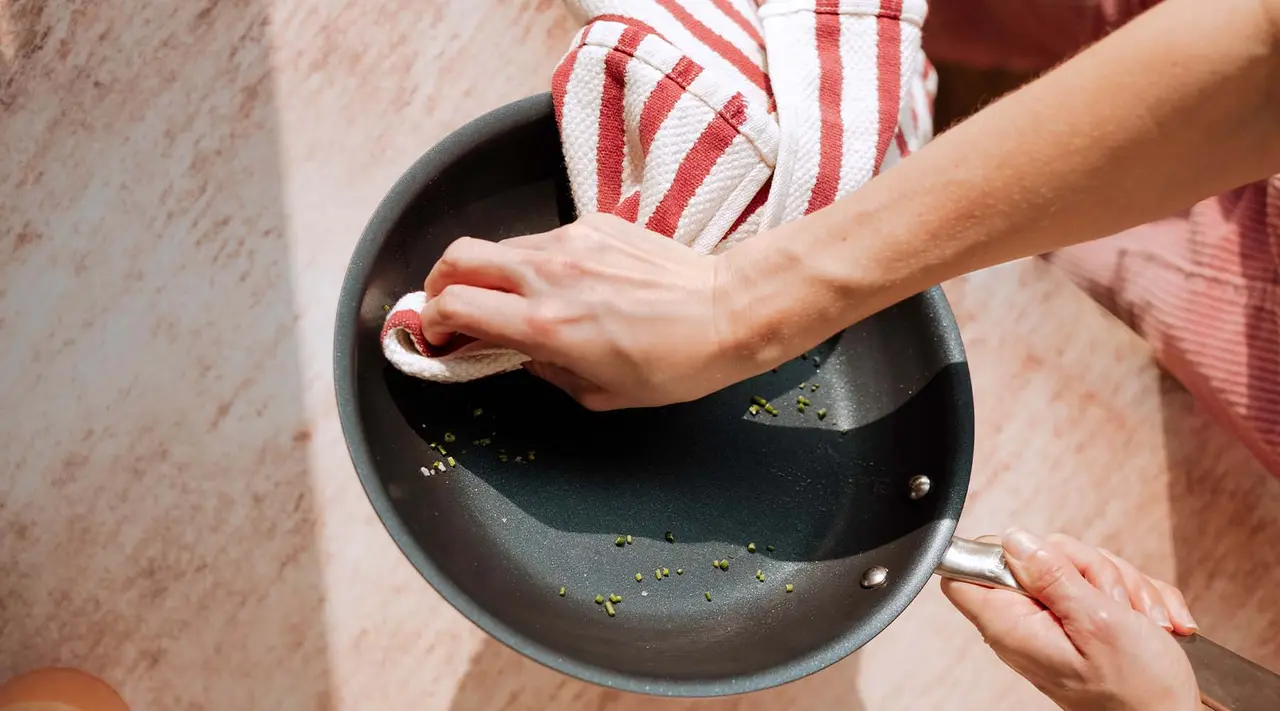
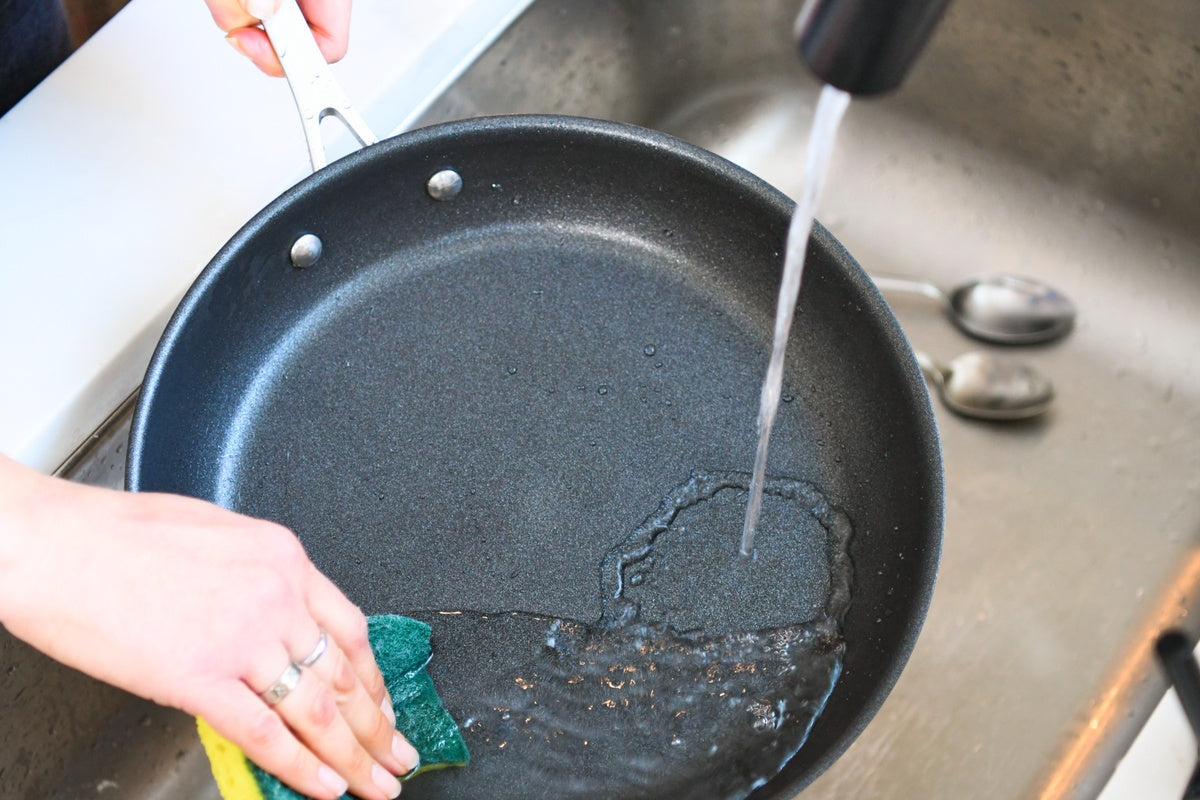
Start by rinsing the cookware under warm water. Use a mild dish soap and a soft sponge. Scrub gently to avoid scratching the surface. Remove all leftover coating bits and chemicals. Rinse thoroughly to clear soap and debris.
Inspecting Surface
Look closely at the cookware surface. Check for scratches, dents, or uneven areas. Small damages affect cooking quality and safety. Smooth surfaces cook food evenly and prevent sticking. If the surface looks rough, consider sanding lightly with fine sandpaper.
Seasoning The Cookware
Seasoning creates a natural non-stick layer. Heat the cookware on medium heat. Apply a thin layer of cooking oil to the surface. Let the oil heat until it starts to smoke lightly. Turn off the heat and let the cookware cool. Wipe off extra oil with a clean cloth. Seasoning protects your cookware and improves cooking.
Tips To Avoid Damage During Removal
Removing the non-stick coating from cookware requires care. Taking steps to avoid damage ensures the cookware stays usable. This section shares simple tips to protect your pots and pans during removal.
Avoid Harsh Chemicals
Harsh chemicals can harm the metal underneath the coating. Use gentle cleaners or natural solutions. Avoid bleach, ammonia, or strong solvents. These substances can cause permanent damage to your cookware.
Test Small Areas First
Try removal methods on a small, hidden spot first. This helps see how the cookware reacts. If damage or discoloration occurs, stop immediately. Testing saves time and prevents bigger problems.
Follow Manufacturer Guidelines
Check the cookware manual or brand website for advice. Some coatings need special care or tools for removal. Following instructions keeps your cookware safe. It also helps avoid voiding any warranties.
Credit: americankitchen.com
Alternatives To Removing The Coating
Removing the non-stick coating from cookware can be tough and risky. The coating protects the pan and helps with easy cooking. Sometimes, removing it is not the best choice. There are safer alternatives that keep your cookware useful and safe.
These options save time and effort. They also prevent damage to your pans. You can choose based on your needs and budget.
Professional Refinishing
Professionals can refinish your cookware. They remove old coatings and apply new ones. This service restores non-stick quality without buying new pans. Experts use safe chemicals and tools. Refinishing extends the life of your cookware. It can be cheaper than replacing the whole set.
Replacing Cookware
Buying new cookware is a simple option. New pans have fresh, safe coatings. Choose high-quality brands for better durability. Sometimes, old pans are too damaged to fix. New cookware offers improved cooking performance. It also comes with warranties for peace of mind.
Using Cookware Liners
Cookware liners protect your pans from damage. They create a barrier between food and the surface. Liners prevent scratches and wear on non-stick coatings. Silicone mats and reusable liners work well. They are easy to clean and replace. Liners save money and keep pans safe longer.
Frequently Asked Questions
How Can I Safely Remove Non-stick Coating At Home?
To remove non-stick coating safely, use baking soda and water paste. Apply it on the surface, let it sit, then scrub gently with a non-abrasive sponge. Avoid harsh chemicals to protect cookware integrity and your health.
What Household Items Help Remove Non-stick Coatings?
Common household items like baking soda, vinegar, and lemon juice can help remove non-stick coatings. These mild abrasives and acids break down the coating without damaging the cookware, making the process eco-friendly and cost-effective.
Is Sanding Effective For Removing Non-stick Coatings?
Sanding can remove non-stick coatings but may damage the cookware surface. It’s best reserved for metal pans without delicate finishes. Use fine-grit sandpaper carefully to avoid scratches and uneven surfaces.
How Long Does It Take To Remove Non-stick Coating?
Removing non-stick coating typically takes 30 minutes to a few hours. Time varies based on method and coating thickness. Patience is key for effective and safe removal without damaging the pan.
Conclusion
Removing non-stick coating from cookware takes time and care. Use the right tools and gentle methods to avoid damage. Always protect yourself with gloves and work in a safe space. Clean the cookware thoroughly after stripping the coating. This process helps prepare your pans for new use or recycling.
Remember, patience is key for the best results. Keep your kitchen safe and your cookware ready for cooking again.

Hello, This is Annie Walker, a 38-year-old blogger, founder, and editor of Cookware Guider from NY, USA. I am a cookware fanatic and passionate cooker. I love to cook with different types of cooking appliances (example: all types of cookware, rice cookers, slow cookers, etc) almost every day in my kitchen. I love to share my experience with my readers in my blog. Also, I enjoy helping people to solve their problems through my website. You can follow me on Twitter & Pinterest. To know details about my blog please check the about us page.