
If you want to cook salmon that’s crispy on the outside and tender on the inside, pan frying is one of the best methods. You don’t need fancy tools or complicated recipes to make a delicious salmon meal.
With just a few simple steps, you can turn a plain piece of fish into something truly tasty and satisfying. Keep reading, and you’ll discover easy tips that will help you master pan frying salmon every time. Your next great dinner is just a few minutes away!

Credit: cooking.nytimes.com
Choosing The Right Salmon
Choosing the right salmon is essential for a tasty pan-fried dish. Picking good salmon affects flavor, texture, and cooking time. Knowing the types and cuts helps prepare salmon perfectly. This guide explains key points to help choose the best salmon for pan frying.
Wild Vs Farmed Salmon
Salmon comes mainly in two types: wild and farmed. Each has unique features that impact taste, nutrition, and price. Understanding these differences helps select the best salmon for your recipe.
- Wild Salmon: Caught in natural waters like oceans and rivers. It has a rich, complex flavor and firmer texture.
- Farmed Salmon: Raised in controlled fish farms. It is usually milder in taste and softer in texture.
| Feature | Wild Salmon | Farmed Salmon |
|---|---|---|
| Flavor | Strong, rich, slightly nutty | Mild, buttery |
| Texture | Firm and lean | Soft and fatty |
| Color | Deep orange to red | Light orange to pink |
| Price | Higher | Lower |
Farmed salmon tends to have more fat, which can make it easier to cook evenly in a pan. Wild salmon’s leaner meat may cook faster but can dry out if not watched carefully. Choose based on your taste preference and budget.
Freshness Indicators
Freshness affects taste and safety. Fresh salmon smells clean, almost like the sea, with no strong fishy odor. The flesh should look moist and shiny, not dull or dry.
- Smell: Fresh salmon has a mild, ocean-like smell.
- Appearance: Flesh is bright and moist, with vibrant color.
- Texture: Flesh is firm and springs back when pressed.
- Skin: Should be shiny and tight, not slimy.
Check the packaging date and avoid salmon that looks brown or has dark spots. Fresh salmon keeps its shape and does not separate easily. Use salmon within one to two days after purchase for the best flavor.
Fillet Vs Steak Cuts
Salmon comes in two common cuts for pan frying: fillets and steaks. Each cut cooks differently and suits different recipes.
- Fillets: Long, flat pieces sliced from the side of the fish. They cook quickly and have a tender texture.
- Steaks: Thick, cross-sectional slices cut across the fish’s body. They are thicker and take longer to cook.
| Cut Type | Thickness | Cooking Time | Texture |
|---|---|---|---|
| Fillet | Thin to medium | 5-7 minutes | Delicate, tender |
| Steak | Thick, about 1-2 inches | 8-12 minutes | Firm, meaty |
Fillets are easier to handle and cook fast, perfect for quick meals. Steaks hold together well and offer a hearty bite. Choose the cut based on your cooking style and how much time you have.
Preparing Salmon For Pan Frying
Preparing salmon properly is key to a delicious pan-fried meal. The right prep helps the fish cook evenly and enhances its natural flavors. This section covers how to clean, season, and bring salmon to room temperature before frying. Each step ensures a tender, crispy finish every time.
Cleaning And Patting Dry
Start by rinsing the salmon under cold water to remove any surface debris or scales. Use your fingers or a soft brush to gently clean the skin side. Avoid soaking the fish; a quick rinse is enough.
Next, pat the salmon dry with paper towels. This step is crucial because moisture on the surface creates steam during cooking. Steam prevents the skin from crisping up and can cause oil splatter.
- Use multiple paper towels: Press firmly but gently to absorb all moisture.
- Don’t skip drying: Dry skin ensures a nice, golden crust.
- Check for pin bones: Run your fingers over the flesh and remove any small bones with tweezers.
Here is a quick overview of this step:
| Step | Action | Purpose |
|---|---|---|
| 1 | Rinse salmon briefly under cold water | Remove scales and debris |
| 2 | Pat dry with paper towels | Remove moisture to get crispy skin |
| 3 | Check and remove pin bones | Ensure safe, easy eating |
Seasoning Tips
Seasoning salmon well makes a big difference in taste. Keep it simple to let the fish shine. Start with salt and pepper. Salt enhances flavor and helps form a crust. Pepper adds mild heat and aroma.
Consider these seasoning tips:
- Use coarse salt: It sticks better and adds texture.
- Apply seasoning evenly: Sprinkle on both sides for balanced flavor.
- Add herbs and spices: Dill, garlic powder, or paprika work well.
- Light oil coating: Brush a thin layer of olive oil or melted butter before seasoning to help spices stick.
For a basic seasoning blend, try this simple mix:
1 tsp salt + ½ tsp black pepper + ¼ tsp garlic powderRub this gently on the salmon surface before cooking. Avoid heavy sauces or marinades that can burn in the pan.
Bringing To Room Temperature
Let the salmon rest outside the fridge for about 15 to 20 minutes before cooking. This step ensures even cooking from edge to center. Cold fish can cook unevenly, with the outside overdone and the inside raw.
Follow these guidelines:
- Place the salmon on a plate or cutting board.
- Cover loosely with plastic wrap or foil to protect from dust.
- Keep it in a cool, dry spot away from direct sunlight.
Bringing salmon to room temperature helps it cook faster and more evenly. The texture improves, and you avoid cold spots that affect taste. Remember not to leave fish out too long—20 minutes is enough.
Here is a quick checklist:
| Task | Details |
|---|---|
| Time | 15-20 minutes outside fridge |
| Cover | Plastic wrap or foil, loosely placed |
| Location | Cool, dry spot away from sunlight |
Selecting The Best Pan And Oil
Choosing the right pan and oil is key to pan frying salmon perfectly. The pan affects how evenly the fish cooks and how well it browns. The oil impacts flavor and how the salmon cooks at high heat. Picking the best tools helps create a crisp outside and tender inside. This section explains which pans and oils work best for delicious salmon every time.
Pan Types For Even Cooking
For pan frying salmon, the pan must heat evenly. This stops hot spots that burn parts of the fish while leaving other areas undercooked. Here are common pans that work well:
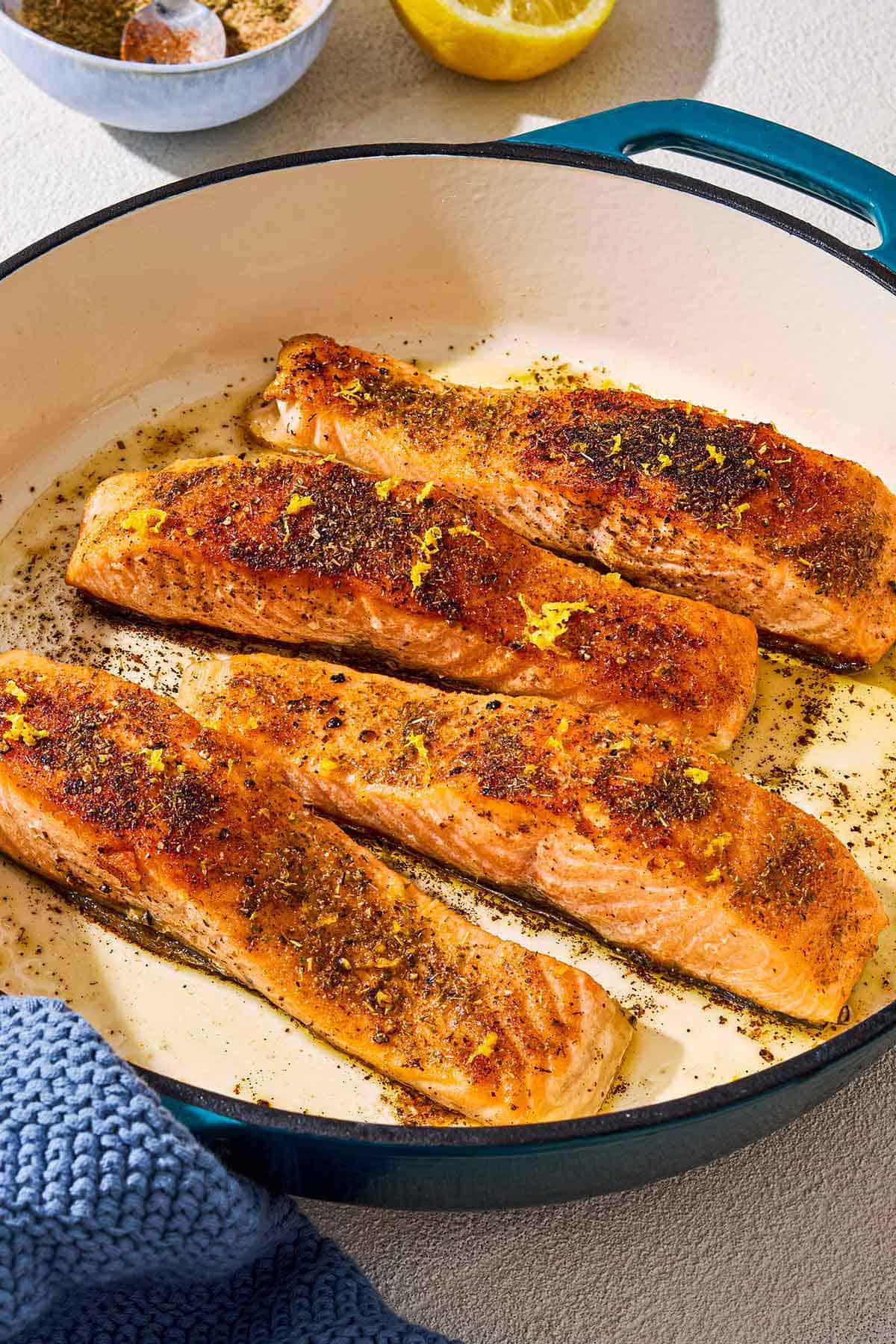
- Cast Iron Skillet: Holds heat very well and spreads it evenly. Great for a crispy crust. Needs seasoning to keep food from sticking.
- Stainless Steel Pan: Durable and heats evenly. Requires preheating and enough oil to prevent sticking. Gives a good sear.
- Non-stick Pan: Easy to use and clean. Less chance of sticking but doesn’t create as crisp a crust.
Among these, cast iron and stainless steel are top choices for salmon. Both offer excellent heat control and browning. Non-stick pans suit beginners or delicate cooking but may not deliver the same texture.
| Pan Type | Heat Distribution | Ease of Use | Best For |
|---|---|---|---|
| Cast Iron | Excellent | Medium (requires seasoning) | Crispy, even cooking |
| Stainless Steel | Good | Medium (needs oil and preheat) | Seared, flavorful crust |
| Non-stick | Fair | Easy | Delicate cooking, easy cleanup |
Use a pan that fits the size of the salmon fillet. Too large a pan wastes oil and heat. Too small makes flipping tricky. A medium-sized pan, about 10 to 12 inches, works well for most salmon pieces.
Oils With High Smoke Points
Oils with high smoke points handle heat better and keep salmon from burning. Smoke point means the temperature where oil starts to burn and smoke. Burnt oil tastes bitter and harms nutrition.
Choose oils that stay stable at medium-high heat. Here are great options for pan frying salmon:
- Avocado Oil: Smoke point around 520°F (271°C). Neutral flavor and healthy fats.
- Refined Olive Oil: Smoke point around 465°F (240°C). Milder taste than extra virgin olive oil.
- Canola Oil: Smoke point around 400°F (204°C). Light taste and affordable.
- Grapeseed Oil: Smoke point around 420°F (216°C). Mild flavor, good for searing.
| Oil | Smoke Point (°F) | Flavor | Best For |
|---|---|---|---|
| Avocado Oil | 520 | Neutral | High heat frying |
| Refined Olive Oil | 465 | Mild | Pan frying, searing |
| Canola Oil | 400 | Light | Everyday frying |
| Grapeseed Oil | 420 | Mild | High heat cooking |
Avoid butter or extra virgin olive oil alone for pan frying salmon. Their smoke points are lower and can burn quickly. Butter can be added near the end for flavor.
Use enough oil to coat the pan thinly. This prevents sticking and promotes even browning. Heat the oil until shimmering before placing the salmon.
Credit: www.themediterraneandish.com
Pan Frying Techniques
Pan frying salmon is a simple and quick way to enjoy a delicious meal. The key lies in the right pan frying techniques. These methods help cook the fish evenly, keep it moist, and give it a crispy outside layer. Understanding these techniques makes the cooking process easier and more successful. Focus on the pan’s heat, the order of cooking, and how to handle the fish carefully.
Preheating The Pan
Preheating the pan is the first step for perfect pan-fried salmon. A hot pan ensures the fish cooks evenly and develops a nice crust. Use a heavy-bottomed pan or cast iron for best results. Heat the pan on medium to medium-high heat before adding oil.
- Heat the pan for about 2-3 minutes.
- Add a small amount of oil with a high smoke point like canola or vegetable oil.
- Wait until the oil shimmers but does not smoke.
Too low heat makes the fish stick to the pan. Too high heat burns the salmon outside while leaving the inside raw. Preheating balances heat and oil to prevent these problems.
| Step | Action | Why |
|---|---|---|
| 1 | Heat pan 2-3 minutes | Ensures even cooking and crust formation |
| 2 | Add oil with high smoke point | Prevents sticking and burning |
| 3 | Wait for oil to shimmer | Indicates correct temperature |
Skin Side First Method
Start cooking salmon with the skin side down. This method helps keep the fish moist and gives a crispy skin texture. Place the salmon gently in the pan, skin touching the hot surface first.
- Press the fish lightly for the first 10 seconds to avoid curling.
- Cook skin side for most of the time, about 70-80% of total cooking time.
- Flip only once to prevent breaking.
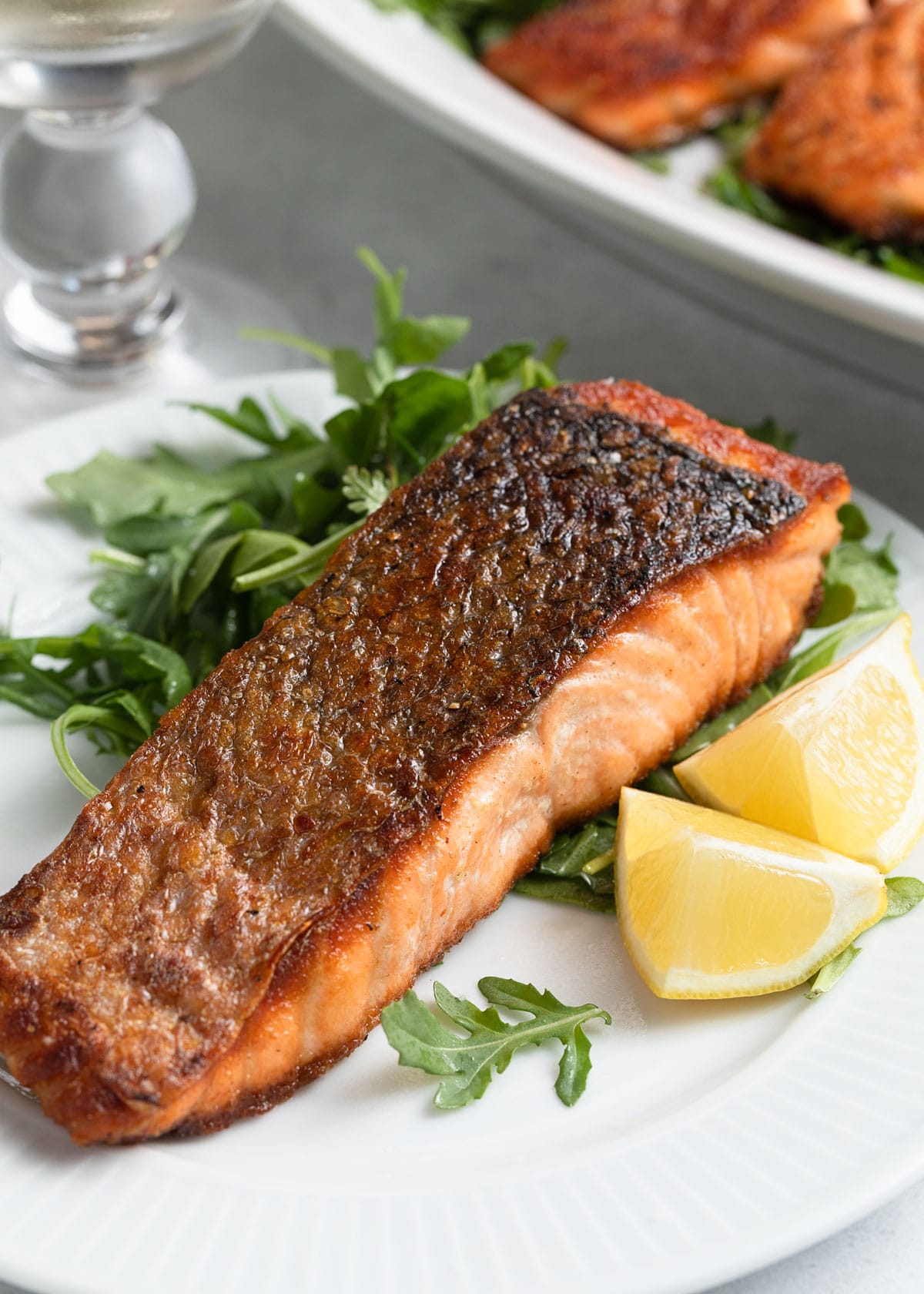
The skin acts as a barrier to protect the salmon from direct heat. It locks in juices and flavors. Crispy skin adds a nice crunch and improves the dish’s texture. Avoid moving the salmon around until the skin is crispy and releases easily from the pan.
Cooking Time Guidelines
Cooking time depends on the thickness of the salmon fillet and the pan’s heat level. Use these general guidelines for perfect results.
| Thickness of Fillet | Cooking Time per Side | Total Cooking Time |
|---|---|---|
| 1 inch (2.5 cm) | 4-5 minutes | 8-10 minutes |
| 1.5 inches (3.8 cm) | 5-6 minutes | 10-12 minutes |
| 2 inches (5 cm) | 6-7 minutes | 12-14 minutes |
Check the salmon’s doneness by gently pressing the flesh. It should feel firm but still slightly springy. The inside should be opaque but moist. Overcooking makes the salmon dry and tough.
Flipping Without Breaking
Flipping salmon can be tricky because the flesh is delicate. Use these tips to flip without breaking the fillet:
- Use a thin, wide spatula.
- Slide the spatula gently under the salmon, lifting it fully.
- Flip the fish in one smooth motion.
- Flip only once to avoid breaking.
Let the salmon cook undisturbed on the first side. This helps the fish firm up, making it easier to flip. Avoid pressing down on the fish after flipping. Pressing can break the flesh and release juices.
Handle the salmon with care for a neat presentation and better texture. Practice helps improve confidence in flipping.
Finishing Touches
Finishing touches bring your pan-fried salmon to perfection. After cooking, small steps make a big difference in taste and texture. These steps ensure the fish is juicy, flavorful, and ready to enjoy. Focus on checking doneness, resting the fish, and adding flavor enhancements. Each step improves the final dish and creates a great eating experience.
Checking Doneness
Knowing when salmon is cooked perfectly is key. Overcooked fish becomes dry, while undercooked fish feels raw. Here are simple ways to check doneness:
- Visual cues: Salmon changes from translucent pink to opaque. The edges turn lighter and flake easily.
- Touch test: Gently press the thickest part with your finger or a fork. It should feel firm but spring back slightly.
- Fork test: Try to flake the salmon with a fork. It should separate into flakes without falling apart.
- Thermometer check: Use a food thermometer for accuracy. The ideal internal temperature is 125°F (52°C) for medium doneness.
Here is a quick reference table for salmon doneness:
| Doneness Level | Internal Temperature | Description |
|---|---|---|
| Rare | 110°F (43°C) | Very soft and translucent |
| Medium | 125°F (52°C) | Opaque, moist, slightly firm |
| Well Done | 145°F (63°C) | Fully opaque, firm, flaky |
Check doneness often near the end of cooking to avoid overcooking. Use these tips to serve salmon perfectly every time.
Resting The Fish
Resting salmon after cooking helps keep it juicy. The fish continues to cook slightly and juices settle inside the flesh. This step improves texture and flavor.
Follow these steps for proper resting:
- Remove salmon from the pan and place it on a warm plate.
- Cover loosely with foil to keep heat but avoid steaming.
- Let it rest for 3 to 5 minutes.
Resting time depends on fish size. Thicker pieces may need a bit longer.
Benefits of resting salmon:
- Juices redistribute: Prevents dryness when cutting.
- Texture improves: Becomes tender and easy to flake.
- Flavor develops: Tastes richer and more balanced.
Skipping this step often leads to dry, tough salmon. Patience here means better results.
Adding Flavor Enhancements
Enhancing flavor finishes your pan-fried salmon beautifully. Simple additions bring freshness and depth. Use herbs, citrus, and sauces for extra taste.
Try these flavor enhancers:
- Fresh herbs: Dill, parsley, chives, or basil add bright notes.
- Citrus: Lemon or lime juice brightens the fish.
- Butter or olive oil: A small drizzle adds richness and shine.
- Garlic or shallots: Sauté lightly and spoon over salmon.
- Spices: Black pepper, paprika, or cayenne for mild heat.
Simple sauce ideas:
- Lemon butter sauce: Melt butter, add lemon juice and parsley.
- Yogurt dill sauce: Mix yogurt, dill, lemon zest, and salt.
- Honey mustard glaze: Combine honey, mustard, and a splash of vinegar.
Adding flavors after resting keeps the salmon moist and tasty. These touches make your dish stand out without extra effort.
Credit: stripedspatula.com
Serving Suggestions
Serving pan-fried salmon is a delightful experience that balances flavors and textures. The right sides and sauces can enhance the rich taste of salmon. Choosing simple, fresh ingredients helps keep the meal light and healthy. This section shares ideas for side dishes and sauces that pair well with pan-fried salmon. These options bring color, flavor, and variety to your plate.
Side Dishes That Complement Salmon
Salmon pairs well with many side dishes, from vegetables to grains. Fresh, crunchy vegetables add texture, while soft grains bring warmth. Here are some popular sides to serve with pan-fried salmon:
- Steamed asparagus: Light and tender, it balances the fish’s richness.
- Roasted potatoes: Crispy outside and soft inside, perfect for soaking up sauce.
- Quinoa salad: Nutty and fluffy, adds a healthy grain option.
- Sauteed spinach: Quick to cook, it adds a mild, earthy flavor.
- Grilled zucchini: Slightly smoky and tender, complements salmon well.
Here is a simple table showing easy side dish ideas with their cooking times:
| Side Dish | Cooking Time | Flavor Profile |
|---|---|---|
| Steamed Asparagus | 5-7 minutes | Fresh, slightly sweet |
| Roasted Potatoes | 25-30 minutes | Crispy, savory |
| Quinoa Salad | 15-20 minutes | Nutty, light |
| Sauteed Spinach | 3-5 minutes | Earthy, soft |
| Grilled Zucchini | 8-10 minutes | Smoky, tender |
Pairing salmon with vegetables and grains creates a balanced meal. The textures and flavors make each bite interesting. Use fresh ingredients to keep the dish light and healthy.
Sauces And Garnishes
Adding sauces and garnishes can lift the flavor of pan-fried salmon. These extras add moisture, color, and taste. Choose simple sauces that do not overpower the salmon’s natural flavor. Here are some sauces that work well:
- Lemon butter sauce: Tangy and creamy, it brightens the fish.
- Dill yogurt sauce: Cool and fresh, perfect for warm salmon.
- Honey mustard glaze: Sweet with a little spice, adds depth.
- Garlic aioli: Rich and garlicky, enhances the savory taste.
- Chimichurri: Fresh herbs and vinegar, adds a zesty kick.
Garnishes also add a fresh look and taste. Try these simple ideas:
- Fresh chopped parsley or dill for color and aroma.
- Thin lemon slices or wedges for a citrus burst.
- Toasted sesame seeds for crunch and nutty flavor.
- Thinly sliced green onions for a mild onion taste.
Here is a quick recipe for a lemon butter sauce:
Ingredients: - 2 tbsp butter - Juice of 1 lemon - 1 garlic clove, minced - Salt and pepper to taste Instructions: 1. Melt butter in a small pan over low heat. 2. Add garlic and cook until fragrant. 3. Stir in lemon juice, salt, and pepper. 4. Pour sauce over cooked salmon before serving. Simple sauces and fresh garnishes make pan-fried salmon more exciting. They add flavor, moisture, and visual appeal. Try mixing different sauces and garnishes to find your favorite combination.
Common Mistakes To Avoid
Pan frying salmon is a quick and tasty way to enjoy this healthy fish. Many cooks face small problems that affect the final dish. Avoiding common mistakes helps achieve perfect texture and flavor every time. Understanding these errors saves time and frustration while cooking salmon on the stove.
Overcrowding The Pan
One common mistake is putting too many salmon pieces in the pan. Overcrowding causes the fish to steam instead of fry. This stops the surface from getting a crispy, golden crust. The heat also drops, making the salmon cook unevenly.
Keep these points in mind to avoid overcrowding:
- Use a pan size that fits the salmon pieces without touching.
- Cook in batches if needed, especially with several fillets.
- Leave enough space around each piece for air and heat circulation.
Here is a simple table to help decide pan size:
| Number of Salmon Fillets | Recommended Pan Size |
|---|---|
| 1-2 | 8 to 10 inches (20 to 25 cm) |
| 3-4 | 12 inches (30 cm) |
| More than 4 | Cook in batches |
Overcrowding also affects cooking time. The salmon takes longer to fry, which can dry it out. For the best result, give each fillet room to cook evenly and develop a crisp surface.
Using Too Much Oil
Pouring too much oil in the pan is another mistake. Excess oil causes the salmon to become greasy and heavy. It also makes the pan hotter than necessary, burning the outside quickly while leaving the inside raw.
Follow these tips to control oil usage:
- Use just enough oil to lightly coat the pan surface.
- Choose oils with a high smoke point, like canola or avocado oil.
- Wipe off extra oil with a paper towel before heating the pan.
Here is a quick guide for oil amounts per pan size:
| Pan Size | Oil Amount |
|---|---|
| 8-10 inches | 1 to 2 teaspoons |
| 12 inches | 2 to 3 teaspoons |
Using less oil helps the salmon develop a nice crust and prevents excess fat. A moderate heat with minimal oil is ideal for pan frying.
Undercooking Or Overcooking
Cooking salmon for the wrong time is a frequent error. Undercooked salmon feels raw and soft, while overcooked fish becomes dry and tough. Both affect taste and texture.
Signs to watch for proper cooking:
- Undercooked: translucent and jelly-like in the center
- Perfectly cooked: opaque, flakes easily with a fork
- Overcooked: dry, hard, and crumbly
Use this simple timing chart for salmon fillets about 1 inch thick:
| Heat Level | Cooking Time per Side | Notes |
|---|---|---|
| Medium-high | 3-4 minutes | Golden crust, tender inside |
| Medium | 4-5 minutes | Even cooking, less risk of burning |
Check doneness by gently pressing the thickest part. It should spring back slightly and flake apart. Avoid guessing or relying only on time. Use sight and touch for best results.
Frequently Asked Questions
How Long To Pan Fry Salmon Fillets?
Pan fry salmon fillets for about 4-5 minutes per side. Cook until the salmon is opaque and flakes easily with a fork. Adjust time based on thickness for perfect doneness without drying out the fish.
What Oil Is Best For Pan Frying Salmon?
Use oils with high smoke points like canola, avocado, or grapeseed oil. These oils prevent burning and add a neutral flavor. Avoid butter alone, as it can burn quickly during pan frying.
Should Skin-on Salmon Be Pan Fried Skin-side Down First?
Yes, always start skin-side down. This crisps the skin and helps hold the fillet together. Cook skin-side first for about 4-5 minutes until crispy, then flip to finish cooking the other side.
How To Prevent Salmon From Sticking To The Pan?
Preheat the pan properly and use enough oil. Pat salmon dry before cooking to reduce moisture. Avoid moving the fish too early to allow a natural crust to form, which prevents sticking.
Conclusion
Pan frying salmon is simple and quick. It gives a crispy outside and soft inside. Use fresh salmon and heat the pan well. Cook each side just right for the best taste. Add your favorite herbs or spices to make it special.
Serve with vegetables or rice for a healthy meal. Enjoy cooking and eating salmon at home. You will find it easy and tasty every time. Try this method to enjoy salmon any day.

Hello, This is Annie Walker, a 38-year-old blogger, founder, and editor of Cookware Guider from NY, USA. I am a cookware fanatic and passionate cooker. I love to cook with different types of cooking appliances (example: all types of cookware, rice cookers, slow cookers, etc) almost every day in my kitchen. I love to share my experience with my readers in my blog. Also, I enjoy helping people to solve their problems through my website. You can follow me on Twitter & Pinterest. To know details about my blog please check the about us page.