
Are you thinking about upgrading your kitchen but feeling confused by all the cooktop options? You’ve probably come across radiant and induction cooktops, but what exactly sets them apart?
Understanding the difference can help you pick the right one for your cooking style, energy use, and budget. Keep reading, and you’ll discover which cooktop suits your needs best—and why this choice matters more than you might think.
Radiant Cooktop Basics
Radiant cooktops offer a smooth and stylish cooking surface. They use electric heating elements beneath a glass-ceramic top. This design makes them easy to clean and visually appealing.
These cooktops heat pots and pans through direct contact with the hot surface. They work well with many types of cookware. Understanding how radiant cooktops function helps in choosing the right one for your kitchen.
How Radiant Cooktops Work
Radiant cooktops use electric coils under the glass surface. The coils heat up when you turn on the cooktop. Heat transfers from coils to the glass and then to the cookware. This process takes a little time to warm up. The cooktop stays hot for a while after turning off.
Common Materials Used
Most radiant cooktops have a glass-ceramic top. This material can handle high heat and sudden temperature changes. It also resists scratches and stains. Cookware made of stainless steel, cast iron, and aluminum works best. Avoid using warped or thin-bottomed pans for best results.
Heat Distribution
Heat spreads evenly on the glass surface. This allows for consistent cooking temperatures. However, the glass surface heats slower than other cooktop types. Hot spots can occur if cookware is too small. Large, flat-bottomed pans provide the best heat contact.
Induction Cooktop Essentials
Induction cooktops use a modern way of cooking that heats food quickly and safely. They work differently from traditional cooktops and need special care. Understanding the basics of induction cooktops helps you choose the right one for your kitchen. Below are key points about how they work, what cookware fits, and their energy use.
Induction Cooking Technology
Induction cooktops use magnetic fields to heat pots and pans. The cooktop itself does not get hot. Instead, the magnetic energy heats the cookware directly. This method cooks food faster than gas or radiant cooktops. It also cools down quickly after use, making it safer.
Compatible Cookware
Only certain pots and pans work with induction cooktops. Cookware must have a magnetic base. Materials like cast iron and some stainless steel are good choices. Aluminum, glass, and copper will not work unless they have a magnetic layer. Using the right cookware ensures even heating and better cooking results.
Energy Efficiency
Induction cooktops save energy by heating only the cookware. Less heat escapes into the air, unlike gas or radiant cooktops. This efficiency lowers electricity use and can reduce your bills. The fast heating also means you spend less time cooking. This helps save more energy overall.
Performance Comparison
Comparing the performance of radiant and induction cooktops helps choose the right one for your kitchen. Both have unique strengths and suit different cooking needs. This section breaks down key areas to understand how they perform.
Heating Speed
Induction cooktops heat up very fast. They use magnetic fields to directly warm the pan. This means less waiting time before cooking starts.
Radiant cooktops use electric coils under a glass surface. They take longer to heat because the heat passes through the glass first. Expect more time before the pan is hot enough.
Temperature Control
Induction cooktops offer precise temperature control. Changes happen quickly, allowing better cooking accuracy. It is easier to keep food at the right heat.
Radiant cooktops heat more slowly and cool down slower. This makes temperature changes less exact. It can be harder to cook delicate dishes perfectly.
Safety Features
Induction cooktops stay cool except where the pan touches. This reduces the risk of burns. They also stop heating automatically if no pan is detected.
Radiant cooktops get very hot on the surface. This can cause burns if touched. They usually have warning lights to show when the surface is still hot.
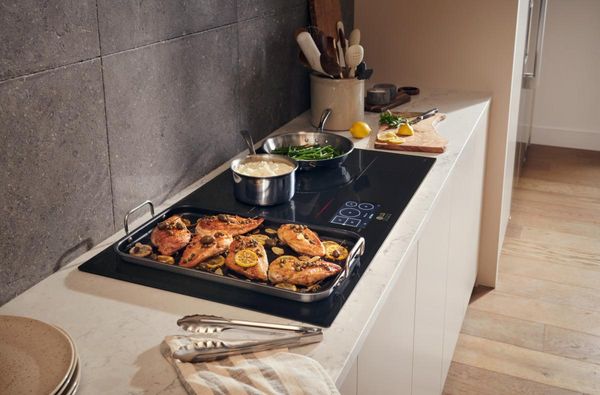
Credit: www.arizonaapplianceandhome.com
Installation And Maintenance
Installation and maintenance are key factors when choosing between radiant and induction cooktops. Each type has specific needs that affect how you set it up and keep it working well. Understanding these needs helps you maintain a safe and efficient kitchen.
Installation Requirements
Radiant cooktops need a standard electrical connection. They usually work with a 240-volt outlet. The installation is straightforward and can fit most kitchen spaces. Induction cooktops require a stronger electrical setup. They often need a dedicated circuit to handle high power. The countertop cutout must match the cooktop exactly. Proper ventilation is important for both types to avoid overheating.
Cleaning Tips
Radiant cooktops have smooth glass surfaces. Clean spills quickly with a soft cloth and mild cleaner. Avoid abrasive pads that can scratch the surface. Induction cooktops also have glass tops but cool faster. Wipe down after each use to prevent stains. Use special cooktop cleaners for best results. Regular cleaning keeps both cooktops looking new.
Durability
Radiant cooktops have heating elements under glass. The glass can crack from heavy impact. Induction cooktops have durable glass but require compatible cookware. The glass is tough but not unbreakable. Both cooktops last many years with proper care. Avoid dropping heavy items on the surface to protect them.
Cost And Energy Use
Cost and energy use are key factors when choosing between radiant and induction cooktops. These two types differ in how much money you spend upfront and how much energy they use over time. Understanding these differences can help you make a smart choice for your kitchen and budget.
Initial Investment
Radiant cooktops usually cost less to buy. They have simpler technology and fewer parts. Induction cooktops tend to have a higher price. Their advanced technology requires special coils and electronics. The cost difference can be noticeable when shopping.
Operating Costs
Running a radiant cooktop costs more. It heats the cooking surface, which wastes some energy. Induction cooktops heat pots directly. This efficiency lowers your electricity bills. Over time, induction cooktops save more money despite the higher initial cost.
Energy Consumption
Induction cooktops use less energy. They heat faster and lose less heat to the air. Radiant cooktops use more energy to reach cooking temperature. This difference matters if you cook often or want to reduce your energy use. Choosing induction helps save energy and reduces your impact on the environment.

Credit: www.jennair.com
User Experience
User experience plays a big role in choosing between radiant and induction cooktops. Both types offer unique benefits that affect daily cooking. Understanding these differences helps pick the best fit for your kitchen style and habits.
Ease Of Use
Radiant cooktops heat up through electric coils beneath a glass surface. They work with any pot or pan type. The heat is slower to adjust but easier to control for beginners. Induction cooktops use magnetic fields to heat only compatible cookware. They heat very fast and respond instantly to temperature changes. This precision suits cooks who want quick results. Some may find induction tricky without the right pots.
Noise Levels
Radiant cooktops run silently. No fan or humming sounds disturb the kitchen. Induction cooktops sometimes produce a quiet buzzing or humming. This noise comes from the magnetic field and fan cooling the unit. It is usually soft and only noticeable in very quiet rooms. Some models are quieter than others, so noise varies.
Aesthetic Appeal
Both cooktops offer sleek, modern designs with smooth glass surfaces. Radiant cooktops show glowing red coils when in use. This gives a visual cue of heat but may look less minimalist. Induction cooktops stay cool and black, without glowing parts. They appear cleaner and more high-tech. Both fit well in contemporary kitchens but suit different style tastes.
Choosing The Right Cooktop
Choosing the right cooktop is key to a smooth cooking experience. Both radiant and induction cooktops offer unique benefits. Understanding your needs helps make the best choice. Consider your lifestyle, cooking style, and kitchen setup before deciding.
Lifestyle Considerations
Think about how often you cook daily. Radiant cooktops work well for casual cooking. Induction cooktops suit those who cook quickly and often. Safety matters too. Induction stays cool outside the pot, reducing burn risks. Radiant cooktops remain hot longer after use. Energy use also affects choice. Induction uses less energy, saving costs over time.
Cooking Habits
Consider the types of meals you prepare. Radiant cooktops heat evenly but slower. Induction heats food fast and with precision. If you enjoy simmering or slow cooking, radiant might suit you. For fast boiling or searing, induction excels. Also, think about cookware. Induction needs magnetic pots. Radiant works with almost any cookware.
Kitchen Layout
Space and design impact your decision. Induction cooktops are usually thinner and sleeker. Radiant cooktops may need more clearance for cooling. Check your kitchen’s power supply. Induction cooktops often require higher voltage. Radiant cooktops may work with standard wiring. Consider installation ease and countertop material too.
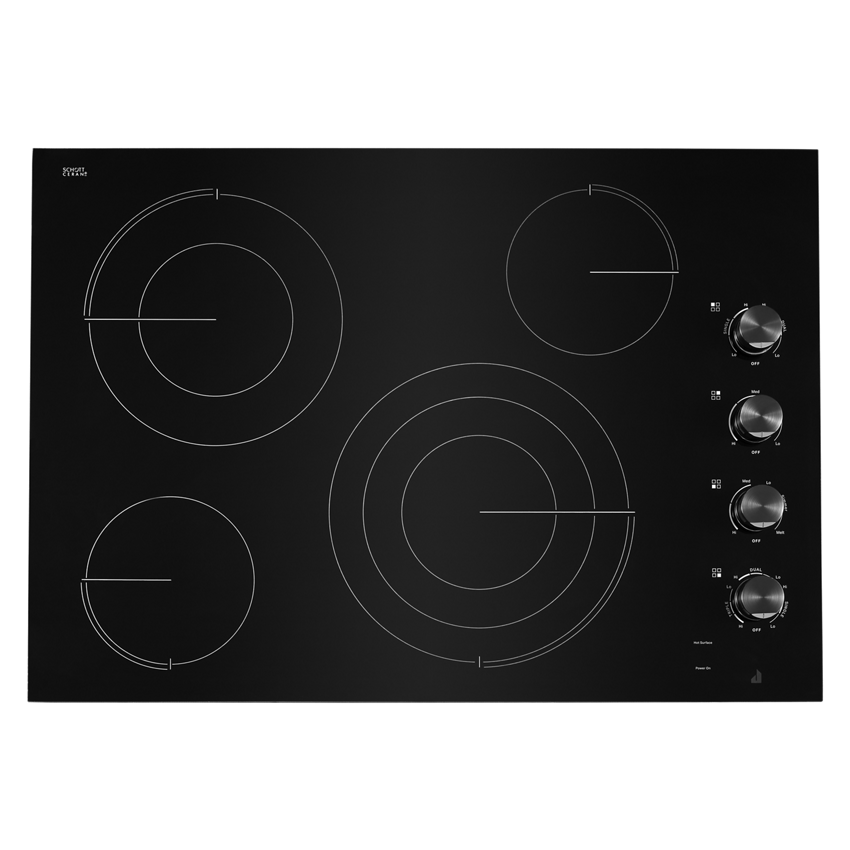
Credit: www.jennair.com
Frequently Asked Questions
What Is A Radiant Cooktop?
A radiant cooktop uses electric heating elements beneath a smooth glass surface. It heats cookware through direct contact, providing steady and even heat.
How Does An Induction Cooktop Work?
An induction cooktop uses electromagnetic fields to heat cookware directly. It only heats compatible pots, making it energy-efficient and fast.
Which Cooktop Is More Energy Efficient?
Induction cooktops are more energy efficient because they heat cookware directly. Radiant cooktops lose more heat to the surrounding air.
Are All Pots Compatible With Both Cooktops?
No, induction cooktops require magnetic cookware like cast iron or stainless steel. Radiant cooktops work with any flat-bottomed pots and pans.
Conclusion
Radiant and induction cooktops each have clear strengths and uses. Radiant cooktops heat the surface and then the pot, while induction cooktops heat the pot directly. Induction cooks faster and saves energy, but needs special cookware. Radiant cooktops work with any pot and offer simple controls.
Choosing between them depends on your cooking style and budget. Both can make meal preparation easier in different ways. Think about what suits your kitchen and cooking habits best.

Hello, This is Annie Walker, a 38-year-old blogger, founder, and editor of Cookware Guider from NY, USA. I am a cookware fanatic and passionate cooker. I love to cook with different types of cooking appliances (example: all types of cookware, rice cookers, slow cookers, etc) almost every day in my kitchen. I love to share my experience with my readers in my blog. Also, I enjoy helping people to solve their problems through my website. You can follow me on Twitter & Pinterest. To know details about my blog please check the about us page.