
Choosing the right cooktop for your kitchen can be confusing. Should you go for electric or gas?
You want something that fits your cooking style, saves energy, and lasts long. This decision affects how you prepare your meals every day. You’ll discover the key differences, benefits, and drawbacks of electric and gas cooktops. By the end, you’ll know exactly which one suits your needs and makes cooking a joy.
Keep reading to find out which cooktop is better for you.
Electric Cooktops
Electric cooktops offer a modern way to cook food. They use electricity to heat pots and pans. Many kitchens have electric cooktops because they are easy to use and clean. Understanding how they work and their types helps you decide if they suit your cooking style.
Types Of Electric Cooktops
There are two main types of electric cooktops. Coil cooktops have metal coils that get hot. Smooth-top cooktops have a flat glass surface with heating elements below. Each type has different looks and feels. Both types heat food well but in different ways.
How Electric Cooktops Work
Electric cooktops heat by passing electricity through wires. The wires become hot and transfer heat to the cookware. The smooth-top models use heating elements under glass. The heat moves through the glass to the pot or pan. This method heats evenly but takes some time.
Pros Of Electric Cooktops
Electric cooktops are simple to clean, especially smooth-top models. They offer steady and consistent heat for cooking. Many models have easy-to-use controls. They do not use open flames, making them safer. Electric cooktops fit well in most kitchen designs.
Cons Of Electric Cooktops
Electric cooktops can take longer to heat up than gas. They cool down slowly after turning off. Some types, like coil cooktops, are harder to clean. Power outages will stop cooking since they need electricity. Not all cookware works well on smooth-top surfaces.
Gas Cooktops
Gas cooktops have long been a popular choice for home kitchens. They offer precise heat control and quick temperature changes. Many chefs prefer gas cooktops because of their instant flame. These cooktops use natural gas or propane to cook food. Their design and function make cooking simple and efficient.
Understanding how gas cooktops work and their types can help you decide if they suit your cooking style. This section covers the key points about gas cooktops to guide your choice.
Types Of Gas Cooktops
There are two main types of gas cooktops. The first is the built-in cooktop, which fits directly into your kitchen counter. The second is the freestanding range, which includes both an oven and a cooktop in one unit. Some models feature sealed burners that are easy to clean. Others have open burners, which offer better heat control but require more cleaning.
How Gas Cooktops Work
Gas cooktops use gas to create a flame under your pots and pans. When you turn the knob, gas flows to the burner. The gas mixes with air and ignites to create a flame. You can adjust the flame size to control the heat. This direct flame heats cookware quickly and evenly. The instant response makes it easier to cook delicate dishes.
Pros Of Gas Cooktops
Gas cooktops heat up quickly and cool down fast. They offer precise control over cooking temperature. Flames provide even heat distribution. You can use any type of cookware, including those with uneven bottoms. Gas cooktops work during power outages. They also tend to be less expensive than electric cooktops.
Cons Of Gas Cooktops
Gas cooktops require a gas line connection, which may limit placement. Cleaning can be harder due to open burners and grates. Flames pose a fire hazard if not used carefully. Gas leaks, though rare, can be dangerous. Some models can be noisy when the burners are on. They may also produce more heat in the kitchen, making it warmer.
Performance Comparison
Choosing between an electric or gas cooktop depends largely on performance. Understanding how each type performs helps you pick the right one for your kitchen. Below is a detailed comparison of their heat control, cooking speed, and energy efficiency.
Heat Control And Precision
Gas cooktops offer instant heat changes. Turning the flame up or down adjusts the temperature quickly. This makes cooking precise and easy to control. Electric cooktops take longer to change heat levels. The coil or smooth surface heats up and cools down slowly. This delay can affect cooking accuracy. For recipes needing quick heat changes, gas is often better.
Cooking Speed
Gas cooktops heat up faster than electric ones. The open flame delivers direct heat to pots and pans. This means food cooks quicker. Electric cooktops need time to warm the heating element. This slows down the cooking process. However, some advanced electric models use induction technology. These can heat food quickly, rivaling gas cooktops.
Energy Efficiency
Gas cooktops lose some heat to the air around the flame. This makes them less efficient in energy use. Electric cooktops, especially induction types, transfer heat more directly to cookware. This results in less wasted energy. Induction cooktops use magnetic fields to heat pots and pans only. This method is more energy-saving compared to traditional electric or gas cooktops.

Credit: www.idlershome.com
Safety Considerations
Safety is a key factor when choosing between electric and gas cooktops. Both types have features designed to prevent accidents. Understanding these features helps in making a safer choice for your kitchen.
Electric Cooktop Safety Features
Electric cooktops often have automatic shut-off systems. These turn off the heat if the cooktop stays on too long. Many models include hot surface indicators. These lights warn you when the surface is still hot. The flat glass surface is easy to clean, reducing fire risks. Electric cooktops do not use open flames, lowering burn hazards.
Gas Cooktop Safety Features
Gas cooktops come with flame failure devices. These devices cut off gas if the flame goes out. This prevents gas leaks that can cause fires or explosions. Some models include child safety locks. These prevent children from turning on the gas. Proper ventilation is important to avoid gas buildup in the kitchen.
Installation And Maintenance
Choosing between an electric or gas cooktop involves thinking about installation and maintenance. These two factors affect cost, time, and ease of use. Understanding what each cooktop needs helps you decide which fits your kitchen best.
Installation Requirements
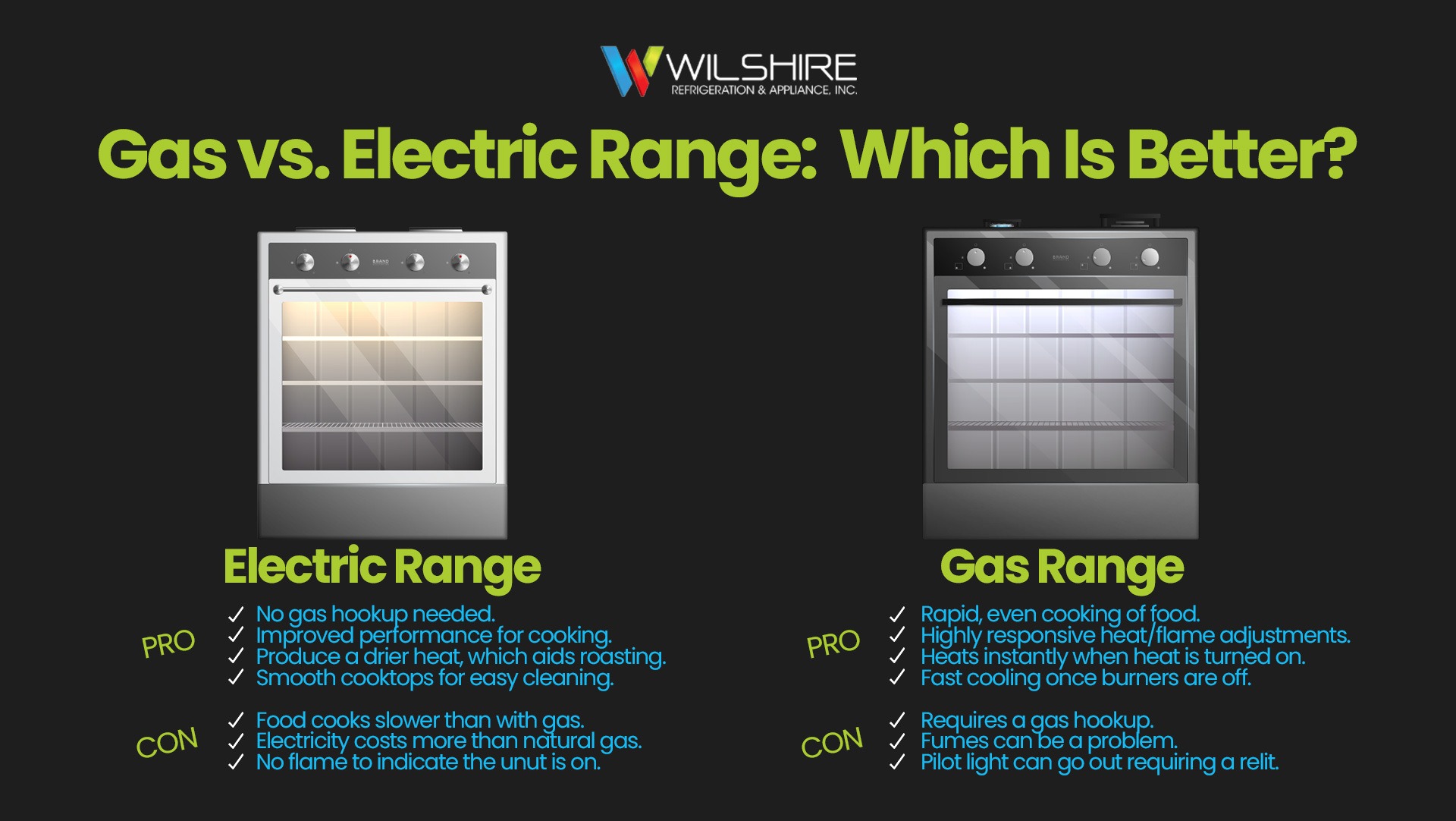
Gas cooktops need a gas line connection and proper ventilation. A professional must install them to ensure safety and compliance with codes. Electric cooktops require a dedicated electrical circuit with the right voltage. They are easier to install in kitchens with existing electric hookups.
Cleaning Tips
Electric cooktops have smooth surfaces that wipe clean easily. Use mild soap and a soft cloth for best results. Gas cooktops have removable grates and burners. Clean these parts regularly to avoid grease buildup. Avoid harsh chemicals on both types to protect surfaces.
Common Repairs
Gas cooktops might need repairs to burners or gas lines. Igniters can also fail and require replacement. Electric cooktops can have issues with heating elements or control panels. Regular checks help spot problems early and reduce repair costs.
Credit: wilshirerefrigeration.com
Cost Factors
Cost plays a big role when choosing between electric and gas cooktops. Understanding different cost factors helps you make a smart choice. These factors include the price to buy the cooktop, the cost to use it, and the value over time.
Initial Purchase Price
Electric cooktops usually cost less upfront than gas cooktops. Basic electric models are simple and cheaper to make. Gas cooktops often have more parts, so they can cost more. Your budget may limit your options here.
Operating Costs
Electric cooktops use electricity, which can be expensive depending on your rates. Gas cooktops run on natural gas or propane, often cheaper than electricity. Gas heat also cooks faster, using less energy in some cases. Check local energy prices to estimate your costs.
Long-term Value
Gas cooktops may last longer with proper care. Electric cooktops can need part replacements sooner. Energy costs add up over years, affecting total expenses. Think about how often you cook and energy prices to judge value. A higher initial cost can mean savings later on.
Environmental Impact
The choice between electric and gas cooktops affects the environment in many ways. Understanding the environmental impact can help make a better decision. This section looks at energy use and pollution from each type.
Energy Consumption
Electric cooktops use electricity to heat food directly. Their efficiency depends on how clean the electricity source is. Renewable energy sources make electric cooktops greener.
Gas cooktops use natural gas or propane. They burn fuel to create heat, which wastes some energy. Gas cooktops often heat faster but can lose more energy to the air.
Electric models tend to convert energy more efficiently into heat. Gas stoves lose heat through combustion and exhaust. Energy loss means more fuel or power is needed overall.
Emissions And Pollution
Gas cooktops release carbon dioxide and other gases when burned. These emissions contribute to air pollution and climate change. They also emit small amounts of nitrogen dioxide inside homes.
Electric cooktops produce no direct emissions while cooking. Their impact depends on how the electricity is made. Coal or oil power plants create pollution far from the kitchen.
Using electric cooktops with clean energy reduces pollution. Gas stoves add pollutants directly to indoor air. Poor ventilation can cause health risks over time.
Choosing The Right Cooktop
Choosing the right cooktop is a key step in creating a functional kitchen. The choice affects cooking style, kitchen layout, and budget. Understanding your needs helps pick between electric and gas cooktops. Consider your space, cooking habits, and budget carefully. These factors guide you to the best cooktop for your home.
Kitchen Space And Design
Measure your kitchen space before choosing a cooktop. Gas cooktops need proper ventilation and clearance. Electric cooktops fit well in tight or modern spaces. Think about your kitchen style and layout. A sleek electric cooktop may suit a minimalist design. Gas cooktops add a traditional or professional feel. Choose a cooktop that matches your kitchen’s look and space.
Cooking Habits
Consider how often and what you cook. Gas cooktops heat quickly and adjust easily. They work well for fast cooking and high heat. Electric cooktops provide even heat and steady cooking. They are good for simmering and slow cooking. Choose based on your preferred cooking style. Your habits will help decide which cooktop fits best.
Budget Considerations
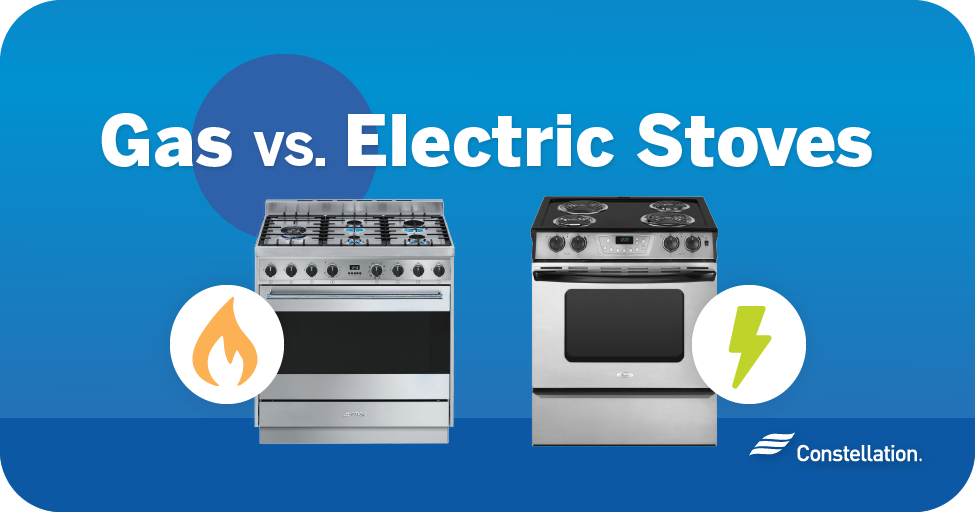
Set a budget before shopping for a cooktop. Gas cooktops may cost more upfront and need installation. Electric cooktops often have lower initial costs. Think about energy bills too. Gas can be cheaper to run in some areas. Electric cooktops may use more electricity but cost less to install. Balance installation and running costs to fit your budget.
Credit: blog.constellation.com
Frequently Asked Questions
Which Cooktop Is More Energy-efficient, Electric Or Gas?
Electric cooktops are generally more energy-efficient as they convert more energy directly to heat. Gas cooktops lose heat through open flames, making them less efficient. However, gas offers instant heat control, which some users prefer for cooking precision.
Is A Gas Cooktop Better For Cooking Speed?
Yes, gas cooktops heat up faster and offer instant temperature changes. This allows for quicker cooking and better control over heat, making gas ideal for recipes needing rapid temperature adjustments.
Are Electric Cooktops Easier To Clean Than Gas?
Electric cooktops, especially smooth-top models, are easier to clean due to their flat surface. Gas cooktops have grates and burners that require more effort to clean. Smooth electric surfaces can be wiped quickly with a damp cloth.
Which Cooktop Offers Better Temperature Control?
Gas cooktops provide superior temperature control with immediate flame adjustments. Electric cooktops respond slower to temperature changes, which can affect cooking precision. Chefs often prefer gas for its fine heat regulation.
Conclusion
Choosing between electric and gas cooktops depends on your needs. Electric cooktops offer easy cleaning and even heating. Gas cooktops provide quick heat and better temperature control. Consider your cooking style and kitchen setup. Think about energy costs and safety features too.
Both have pros and cons to weigh carefully. The best choice fits your daily cooking habits. Take your time to decide what works best for you. Simple and practical. That’s the key.

Hello, This is Annie Walker, a 38-year-old blogger, founder, and editor of Cookware Guider from NY, USA. I am a cookware fanatic and passionate cooker. I love to cook with different types of cooking appliances (example: all types of cookware, rice cookers, slow cookers, etc) almost every day in my kitchen. I love to share my experience with my readers in my blog. Also, I enjoy helping people to solve their problems through my website. You can follow me on Twitter & Pinterest. To know details about my blog please check the about us page.