
Are you curious if an induction cooktop can save energy and lower your bills? Choosing the right cooking appliance affects not only your kitchen’s performance but also your energy costs.
You might have heard that induction cooktops are more efficient, but how true is that? This article will reveal the real facts about induction cooktops and help you decide if they are the smart, energy-saving choice for your home. Keep reading to discover how this technology works and why it might be the best upgrade for your kitchen.
How Induction Cooktops Work
Induction cooktops use a unique method to heat cookware. They rely on magnetic fields instead of direct heat. This technology makes cooking faster and more efficient.
The cooktop has a coil of copper wire under the surface. When electricity passes through, it creates a magnetic field. This field generates heat directly in the pot or pan.
The heat is produced only in the cookware, not on the cooktop surface. This means less heat is wasted. The cooktop stays cooler and safer to touch.
Magnetic Field Creation
The induction coil produces an alternating magnetic field. This field changes direction thousands of times per second. It penetrates the metal base of the cookware.
The magnetic field causes the metal molecules to vibrate. This vibration creates heat inside the cookware. The heat cooks the food quickly and evenly.
Cookware Compatibility
Only pots and pans with magnetic material work on induction. Cast iron and some stainless steel are good choices. Non-magnetic materials like glass or aluminum won’t heat up.
Using the right cookware is important for induction to work properly. The cooktop detects the pan and starts the heating process.
Energy Transfer Efficiency
Heat is created directly in the cookware, reducing energy loss. Traditional electric or gas stoves lose heat to the air. Induction cooktops deliver most energy straight to the food.
This efficient energy transfer saves electricity and reduces cooking time. It also lowers your kitchen’s temperature during cooking.
Energy Efficiency Compared To Other Cooktops
Energy efficiency plays a big role in choosing the right cooktop. Induction cooktops often save more energy than other types. This section compares how induction stacks up against gas and electric coil cooktops. It also shows real-life energy savings users can expect.
Induction Vs Gas
Gas cooktops lose a lot of heat during cooking. Flames heat the pan and the air around it. This wastes energy and slows cooking. Induction cooktops heat the pan directly using magnets. This method wastes less energy and cooks food faster. Induction uses about 85% of its energy for cooking. Gas uses only about 40% to 55%.
Induction Vs Electric Coil
Electric coil cooktops heat the coil first, then the pan. Heat moves slower and some escapes into the air. Induction cooktops heat the pan directly, cutting heat loss. Induction cooktops usually use 80% to 90% of their energy well. Electric coils use around 70% to 75%. Induction is quicker and more energy-saving.
Energy Savings In Real Use
Many users see lower electricity bills with induction. Faster cooking means less time with the cooktop on. Induction cooktops cool down quickly after use. This saves extra energy and keeps kitchens cooler. Over time, these small savings add up. Induction is a smart choice for energy-conscious kitchens.
Benefits Beyond Energy Savings
Induction cooktops save energy, but their benefits go much further. They offer features that improve your cooking experience and kitchen safety. These advantages make induction cooking a smart choice for many homes.
Explore some key benefits beyond just saving energy.
Faster Cooking Times
Induction cooktops heat pots and pans directly. This method cooks food quickly and evenly. You spend less time waiting for water to boil or food to cook. Faster cooking means less energy use and more time for other tasks.
Safety Features
Induction cooktops stay cool except under the pot. This lowers the risk of burns and fires. The cooktop turns off automatically if no pan is detected. These safety features protect children and reduce accidents in the kitchen.
Temperature Control
Precise temperature control is a major benefit. You can set exact heat levels for different dishes. This control helps prevent burning or overcooking food. It also allows delicate cooking, like melting chocolate or simmering sauces.
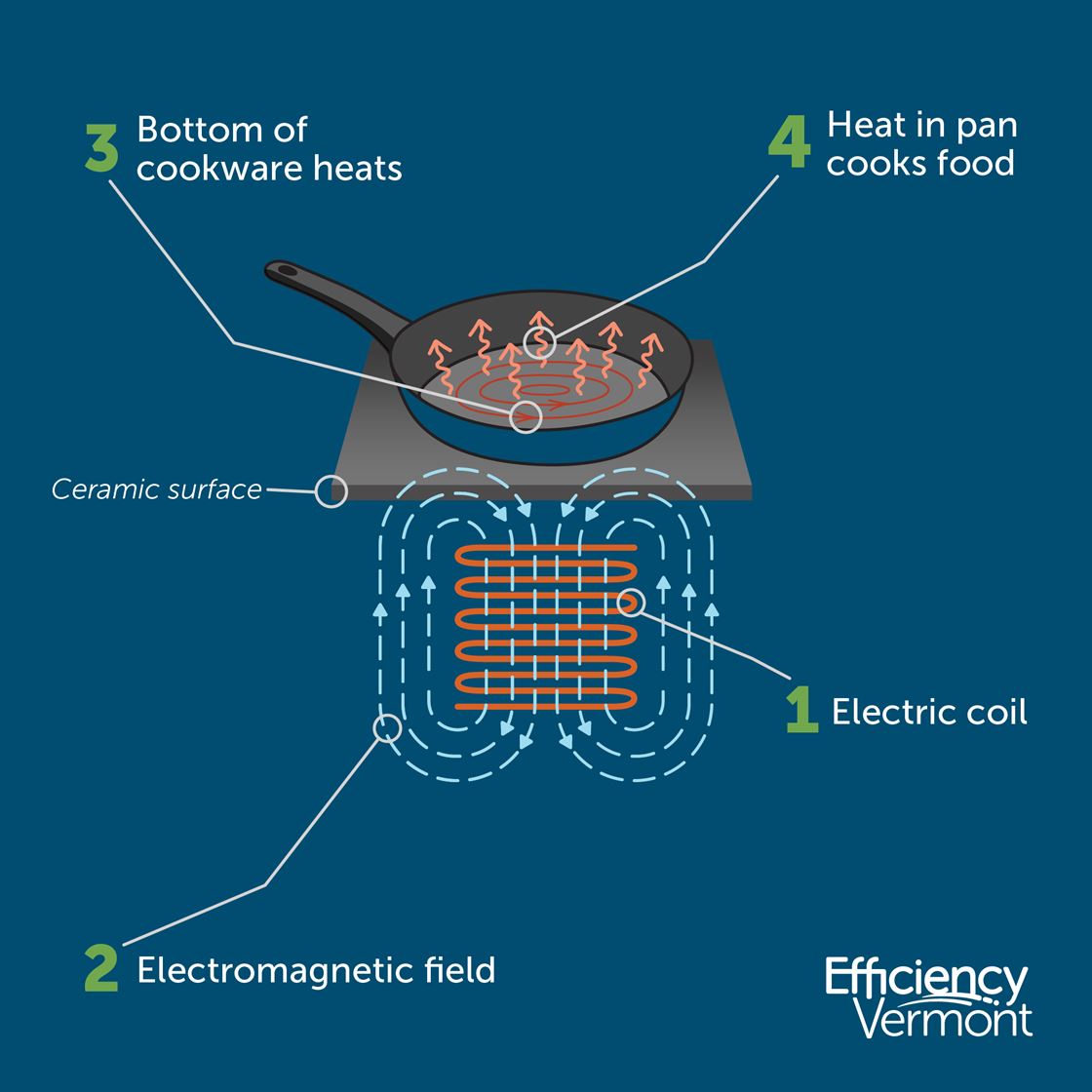
Credit: www.efficiencyvermont.com
Factors Affecting Induction Efficiency
Several factors influence how energy efficient an induction cooktop is. Understanding these elements helps you get the best performance and save electricity. Efficiency depends on more than just the cooktop itself. Your cookware, how you maintain the cooktop, and the power settings all play key roles.
Cookware Compatibility
Induction cooktops need special cookware to work well. Pots and pans must have a magnetic base. Materials like cast iron and some stainless steel work best. Cookware without a magnetic base won’t heat properly. Using the right cookware ensures fast heating and less wasted energy.
Cooktop Maintenance
Keeping the cooktop clean improves its efficiency. Dirt or spills on the surface can block heat transfer. Regular cleaning prevents buildup that lowers performance. Check the cooktop for damage or wear. A well-maintained cooktop lasts longer and uses energy better.
Power Settings And Usage
Choosing the right power setting affects energy use. High settings heat food faster but use more electricity. Lower settings save energy for slow cooking. Turning off the cooktop early uses leftover heat to finish cooking. Smart power use maximizes efficiency and reduces waste.
Cost Considerations And Long-term Savings
Understanding the cost of an induction cooktop helps make smart buying choices. It is important to look at both upfront and ongoing expenses. Savings over time can balance the initial price. This section breaks down key cost areas. It shows how investing in an induction cooktop affects your wallet over the years.
Initial Investment
Induction cooktops usually cost more than traditional stoves. The price depends on size and features. Basic models are cheaper but have fewer options. More advanced cooktops can be quite expensive. Installation might add to the initial cost. You may need special cookware, which is another expense. This upfront cost may seem high but think about long-term benefits.
Energy Bill Impact
Induction cooktops use less energy than gas or electric stoves. They heat food faster and waste less heat. This efficiency lowers monthly electricity bills. Over time, savings on energy can add up. The exact amount depends on cooking habits and local energy prices. Switching to induction can reduce energy costs noticeably. It is a smart choice for those who cook often.
Durability And Repair Costs
Induction cooktops last many years with proper care. They have fewer moving parts than gas stoves, which lowers breakdown risk. Repairs may be costly but happen less frequently. Glass surfaces need careful cleaning to avoid scratches. Regular maintenance keeps the cooktop working well longer. Choosing a quality brand can reduce repair expenses over time.
:max_bytes(150000):strip_icc()/GettyImages-123544650-0fa09a2f05a24cca8374bf9c6adb0495.jpg)
Credit: www.treehugger.com
Tips To Maximize Energy Efficiency
Saving energy while cooking helps reduce bills and protects the environment. Small changes can make your induction cooktop work better and waste less power. Use these tips to cook smarter and keep your kitchen energy-friendly.
Choosing The Right Cookware
Use pots and pans made for induction cooktops. They must have a flat, magnetic bottom. Cast iron and stainless steel work well. Avoid glass or aluminum cookware as they don’t heat properly. Choose the right size pan for each burner to avoid wasting energy.
Optimal Cooking Techniques
Cover pots with lids to keep heat inside. This makes food cook faster and saves energy. Use medium or low heat settings; high heat often wastes power. Start cooking with boiling water to reduce cooking time. Turn off the cooktop a few minutes before the food is ready. The heat left will finish cooking.
Regular Maintenance
Keep the cooktop clean and free of spills. Dirt can block heat and lower efficiency. Wipe the surface after each use with a soft cloth. Check cookware bottoms for scratches or damage. Replace any pots that do not sit flat. Regular care helps your cooktop last longer and use less energy.

Credit: www.redenergy.com.au
Frequently Asked Questions
Is An Induction Cooktop More Energy Efficient Than Gas?
Yes, induction cooktops convert 85-90% of energy into heat, while gas stoves convert about 40%. This makes induction significantly more efficient and cost-effective for cooking.
How Does Induction Cooking Save Energy?
Induction heats the cookware directly through electromagnetic fields, reducing wasted heat. This targeted heating shortens cooking times and lowers overall energy use compared to traditional methods.
Can Induction Cooktops Reduce Electricity Bills?
Yes, their high efficiency means less energy is used for cooking. Over time, this can lead to noticeable savings on your electricity bill, especially with frequent cooking.
Are Induction Cooktops Eco-friendly Appliances?
Induction cooktops use less energy and produce less heat waste. This reduces your carbon footprint, making them an environmentally friendly choice for modern kitchens.
Conclusion
Induction cooktops use less energy than many other stoves. They heat food quickly and waste less heat. This saves money on electricity bills over time. The surface stays cooler, making cooking safer. Their design helps cook food evenly, reducing cooking time.
Choosing an induction cooktop supports energy-saving goals at home. Small changes like this can help the environment. Energy efficiency matters for both cost and planet health. Induction cooktops offer a smart and simple way to cook.

Hello, This is Annie Walker, a 38-year-old blogger, founder, and editor of Cookware Guider from NY, USA. I am a cookware fanatic and passionate cooker. I love to cook with different types of cooking appliances (example: all types of cookware, rice cookers, slow cookers, etc) almost every day in my kitchen. I love to share my experience with my readers in my blog. Also, I enjoy helping people to solve their problems through my website. You can follow me on Twitter & Pinterest. To know details about my blog please check the about us page.