
If you own aluminum cookware, you know how handy and lightweight it is in your kitchen. But to keep your pots and pans looking great and cooking perfectly, you need to care for them the right way.
Without proper care, aluminum can discolor, warp, or lose its non-stick qualities. You’ll discover simple tips that protect your investment and make your cooking easier and more enjoyable. Keep reading, and you’ll learn how a little attention can extend the life of your aluminum cookware, saving you money and stress in the long run.
Choosing Aluminum Cookware
Choosing aluminum cookware requires understanding its types and features. Aluminum is lightweight and heats quickly, making it popular in many kitchens. Picking the right kind helps cooking and keeps your cookware lasting longer. This section explains different aluminum cookware types and their benefits and drawbacks.
Types Of Aluminum Cookware
Aluminum cookware comes in several forms. Each type suits different cooking needs and budgets. Knowing these helps you decide what fits your kitchen best.
- Pure Aluminum: Made of 100% aluminum. It heats fast but can react with acidic foods.
- Anodized Aluminum: Treated to make the surface hard and non-reactive. It resists scratches and stains.
- Aluminum with Non-Stick Coating: Has a layer that prevents food from sticking. Easy to clean but may wear out over time.
- Aluminum Core Cookware: Has an aluminum layer inside stainless steel or other metals. Combines heat speed with durability.
| Type | Heat Conductivity | Durability | Food Reaction | Maintenance |
|---|---|---|---|---|
| Pure Aluminum | Excellent | Low | Reacts with acids | Requires gentle care |
| Anodized Aluminum | Good | High | Non-reactive | Easy to clean |
| Non-Stick Aluminum | Good | Medium | Non-reactive | Use soft tools |
| Aluminum Core | Excellent | Very High | Non-reactive | Dishwasher safe |
Benefits And Drawbacks
Aluminum cookware has clear benefits but also some downsides. Understanding both helps choose wisely.
Benefits:
- Lightweight and easy to handle.
- Heats up quickly and evenly.
- Often less expensive than other metals.
- Works well with many cooking styles.
Drawbacks:
- Pure aluminum can react with acidic foods, causing taste changes.
- Scratches and dents happen more easily.
- Non-stick coatings may wear off with time.
- Some types need special cleaning to avoid damage.
| Aspect | Benefit | Drawback |
|---|---|---|
| Weight | Light and easy to move | May feel less sturdy |
| Heat | Fast and even heating | Can overheat if not watched |
| Durability | Lasts with proper care | Prone to scratches and dents |
| Maintenance | Easy to clean types available | Some need gentle washing |

Credit: www.yellowpages.ca
Cleaning Tips
Proper cleaning keeps aluminum cookware safe and looking good for years. Aluminum is soft and can scratch or discolor easily. Using the right cleaning methods protects its surface and improves cooking performance. Follow these cleaning tips to maintain your cookware’s shine and strength.
Hand Washing Techniques
Hand washing is the best way to clean aluminum cookware. Avoid dishwashers, which can cause discoloration and damage the finish. Use warm water and mild dish soap to clean your pots and pans gently. Follow these steps:
- Fill the sink with warm water and add a small amount of mild dish soap.
- Use a soft sponge or cloth to wash the cookware. Avoid steel wool or abrasive scrubbers that can scratch the surface.
- Clean inside and outside carefully, paying attention to corners and edges.
- Rinse with warm water to remove soap residue completely.
- Dry immediately with a soft towel to prevent water spots and oxidation.
Here is a simple hand washing routine in a table format:
| Step | Action |
|---|---|
| 1 | Fill sink with warm, soapy water |
| 2 | Wash gently with soft sponge |
| 3 | Rinse with warm water |
| 4 | Dry thoroughly with a soft towel |
Cleaning aluminum cookware by hand helps it last longer and keeps it looking new.
Avoiding Harsh Cleaners
Harsh cleaners harm aluminum cookware’s surface and cause damage. Avoid bleach, ammonia, and strong chemical cleaners. These can cause corrosion and dull the finish. Also, do not use abrasive powders or metal scrubbers. They scratch the metal and make it more prone to stains.
Safe cleaning agents include:
- Mild dish soap
- Baking soda (for gentle scrubbing)
- White vinegar diluted with water
- Soft cloths or sponges
Here is a list of cleaners to avoid and safe alternatives:
| Harsh Cleaners to Avoid | Safe Alternatives |
|---|---|
| Bleach | Mild dish soap |
| Ammonia | Diluted white vinegar |
| Abrasive powders | Baking soda paste |
| Steel wool or metal scrubbers | Soft sponges or cloths |
Use gentle cleaning materials to protect your cookware’s surface and keep it shiny.
Removing Stains And Discoloration
Aluminum cookware may develop stains or discoloration over time. These spots happen from heat, food, or minerals in water. Use safe methods to remove stains without scratching the metal.
Try this simple stain removal method:
- Make a paste with baking soda and water.
- Apply the paste to the stained areas.
- Let it sit for 10-15 minutes.
- Gently scrub with a soft sponge.
- Rinse with warm water and dry.
For tougher stains, white vinegar works well:
- Fill the cookware with a mixture of half water and half white vinegar.
- Bring it to a boil on low heat for 5-10 minutes.
- Let the solution cool, then scrub lightly and rinse.
Avoid harsh scrubbing to prevent scratches. Repeat treatments if needed. Regular cleaning helps prevent stains and keeps aluminum cookware bright and clean.
Preventing Damage
Aluminum cookware is popular for its light weight and excellent heat conduction. To keep it working well and looking nice, preventing damage is key. Proper care stops problems like warping, scratches, and dents. These issues can shorten the life of your pots and pans and affect how they cook food. Taking simple steps can protect your aluminum cookware and save money over time.
Avoiding Warping
Warping happens when aluminum changes shape, often due to sudden temperature changes. This can make pots and pans uneven, causing hot spots and poor cooking results. Avoid warping by following these tips:
- Do not heat empty cookware. Aluminum heats quickly, so always add oil or food before turning on the stove.
- Use low to medium heat. High heat stresses aluminum and can cause it to warp.
- Allow gradual cooling. Do not put hot aluminum directly into cold water. Let it cool down naturally to prevent metal stress.
- Use flat, stable burners. Uneven heat distribution increases the risk of warping.
Here is a quick comparison of good and bad practices for avoiding warping:
| Good Practices | Bad Practices |
|---|---|
| Heating with food or oil inside | Heating empty cookware |
| Gradual cooling on the counter | Placing hot pan in cold water |
| Using low to medium heat | Using high heat constantly |
| Using flat burner surfaces | Using uneven or unstable burners |
Handling Scratches And Dents
Scratches and dents can spoil the look and performance of aluminum cookware. They also can cause food to stick or cook unevenly. Here are ways to handle these issues:
- Use soft cleaning tools. Avoid steel wool or harsh scrubbing pads that can scratch the surface.
- Clean gently with mild soap. Harsh chemicals can damage the aluminum finish.
- Fix minor dents carefully. Tap the dent gently with a wooden spoon or rubber mallet from the inside.
- Do not stack cookware without protection. Place paper towels or cloth between pieces to avoid scratches.
Try this simple cleaning routine for scratched surfaces:
- Mix equal parts of water and white vinegar.
- Soak a soft cloth in the mixture.
- Wipe the scratched area gently in circular motions.
- Rinse with warm water and dry with a soft towel.
This helps reduce the appearance of scratches and keeps the cookware shiny. For deep dents, consider professional repair or replacement to maintain safety and cooking quality.
Proper Storage
Proper storage plays a key role in caring for aluminum cookware. Storing these items correctly helps keep their surface smooth and prevents damage. Aluminum is soft and scratches easily. Storing cookware with care keeps it looking new and extends its life. Organizing pots and pans well also saves kitchen space and makes cooking faster.
Stacking Methods
Stacking aluminum cookware wrongly can cause dents and scratches. Use smart stacking methods to avoid this damage. Here are simple tips to stack cookware safely:
- Place a soft cloth or paper towel between each item. This stops direct contact and rubbing.
- Stack heavy pieces at the bottom and lighter pieces on top to prevent crushing.
- Do not stack too high. High stacks can fall and cause injury or damage.
- Use a pot rack or vertical stand to store pans separately if space allows.
Below is a table showing good and bad stacking examples:
| Good Stacking | Bad Stacking |
|---|---|
| Soft cloth between pans | Pans stacked directly on top |
| Heavy pots at bottom, lighter on top | Heavy pot on a light pan |
| Using vertical racks | High, unstable stacks |
Following these stacking methods keeps aluminum cookware safe and makes your kitchen tidy.
Protecting Surfaces
Protecting aluminum cookware surfaces prevents scratches and dullness. Aluminum scratches easily because it is soft metal. Use these simple ways to protect surfaces:
- Use pan protectors or liners. Felt or silicone liners work well between stacked pans.
- Avoid metal utensils. Use wooden, silicone, or plastic tools to prevent scraping.
- Clean gently. Use non-abrasive sponges and mild detergents to avoid surface damage.
- Dry cookware immediately. This stops water spots and corrosion.
Use this checklist to protect aluminum cookware surfaces:
- Use liners when stacking
- Choose soft utensils
- Clean with gentle sponges
- Dry thoroughly after washing
Taking these steps keeps your aluminum cookware smooth and shiny for years. It also improves cooking performance by maintaining even heat distribution on the surface.
Maintaining Nonstick Coatings
Maintaining nonstick coatings on aluminum cookware is essential to keep them working well and lasting longer. These coatings help food cook evenly and stop it from sticking. Over time, the coating can wear out or get damaged if not cared for properly. Taking simple steps can protect the coating and ensure your cookware stays in great shape. This section explains how to care for nonstick surfaces through safe cooking habits and options for re-coating when needed.
Safe Cooking Practices
Using aluminum cookware with a nonstick coating requires gentle handling to avoid scratches and damage. Follow these tips for safe cooking:
- Use low to medium heat: High heat can break down the coating quickly.
- Choose the right utensils: Use wooden, silicone, or plastic tools instead of metal ones.
- Avoid cooking sprays: They can build up on the surface and reduce the nonstick effect.
- Preheat carefully: Do not heat empty pans for a long time; this harms the coating.
- Clean gently: Hand wash with mild soap and a soft sponge. Avoid abrasive scrubbers.
Here is a quick guide to what is safe and unsafe for nonstick aluminum cookware:
| Safe Practices | Unsafe Practices |
|---|---|
| Using low-medium heat | Cooking on high heat |
| Wooden or silicone utensils | Metal spatulas or forks |
| Hand washing with mild detergent | Using steel wool or abrasive pads |
| Preheating with oil or food inside | Preheating empty pan for long time |
Following these steps keeps the coating smooth and effective. Nonstick surfaces that stay intact make cooking easier and healthier by reducing the need for extra oil.
Re-coating Options
Nonstick coatings can wear out after long use or rough treatment. Instead of discarding the cookware, re-coating is a smart choice. It restores the pan’s nonstick ability and extends its life.
Here are common re-coating options:
- Professional re-coating: Some companies specialize in reapplying nonstick layers. They use advanced materials like ceramic or PTFE coatings. The process involves stripping the old layer and applying a new one.
- DIY kits: Available online or in stores, these kits let you apply a nonstick coating at home. The results may not last as long as professional services but work well for minor repairs.
- Switch to ceramic coatings: Ceramic nonstick coatings are more durable and safer at high temperatures. Some re-coating services offer ceramic as an upgrade option.
Before re-coating, check the cookware’s condition:
- Look for deep scratches or dents.
- Ensure the base is not warped.
- Clean the surface thoroughly to remove grease and residue.
Table below compares re-coating options:
| Option | Cost | Durability | Ease of Use |
|---|---|---|---|
| Professional re-coating | Higher | Long-lasting | Requires sending cookware out |
| DIY kits | Low to medium | Moderate | Simple but needs care |
| Ceramic upgrade | Medium to high | Very durable | Usually professional service needed |
Re-coating helps keep aluminum cookware useful and safe. Choose the option that fits your budget and needs. Proper care after re-coating ensures the nonstick surface lasts longer.

Credit: www.youtube.com
Safe Cooking With Aluminum
Aluminum cookware offers excellent heat conduction and is lightweight, making it popular in many kitchens. Safe cooking with aluminum means understanding how to use and care for it properly to keep your food healthy and tasty. This section explains key points about temperature control and handling acidic foods to protect the cookware and your meals.
Heat Settings
Aluminum heats up very quickly and evenly. This is great for cooking but also means it can burn food easily if the heat is too high. Use medium or low heat settings for most cooking tasks. High heat can warp the pan or cause food to stick.
- Start cooking on medium heat and adjust as needed.
- Avoid preheating empty aluminum pans on high heat; it can damage the surface.
- Use a heat diffuser if your stove’s heat is too strong.
Check this simple guide for heat levels and cooking examples:
| Heat Level | Use For |
|---|---|
| Low | Simmering sauces, melting chocolate |
| Medium | Frying eggs, sautéing vegetables |
| High | Boiling water, searing meat (briefly) |
Tip: Keep an eye on your food while cooking. Aluminum’s fast heat can cause uneven cooking if not monitored.
Using With Acidic Foods
Acidic foods like tomatoes, vinegar, or citrus can react with aluminum. This reaction may give food a metallic taste and damage the cookware surface. To keep cooking safe, avoid long cooking times with acidic ingredients in uncoated aluminum pans.
Follow these tips when cooking with acidic foods:
- Use anodized or coated aluminum pans for acidic dishes.
- Limit cooking time of acidic foods in aluminum to less than 15-20 minutes.
- Stir acidic foods often to prevent sticking and reduce reactions.
- Consider using stainless steel or glass cookware for very acidic recipes.
Here is a quick comparison of cookware types and their suitability for acidic foods:
| Cookware Type | Safe with Acidic Foods? | Notes |
|---|---|---|
| Uncoated Aluminum | No | Reacts with acids, may alter taste |
| Anodized Aluminum | Yes | Non-reactive surface, durable |
| Stainless Steel | Yes | Best for acidic cooking |
| Glass | Yes | Non-reactive, ideal for slow cooking |
Remember: Proper use preserves the pan and protects food flavors. Adjust cooking methods to keep meals tasty and cookware lasting.
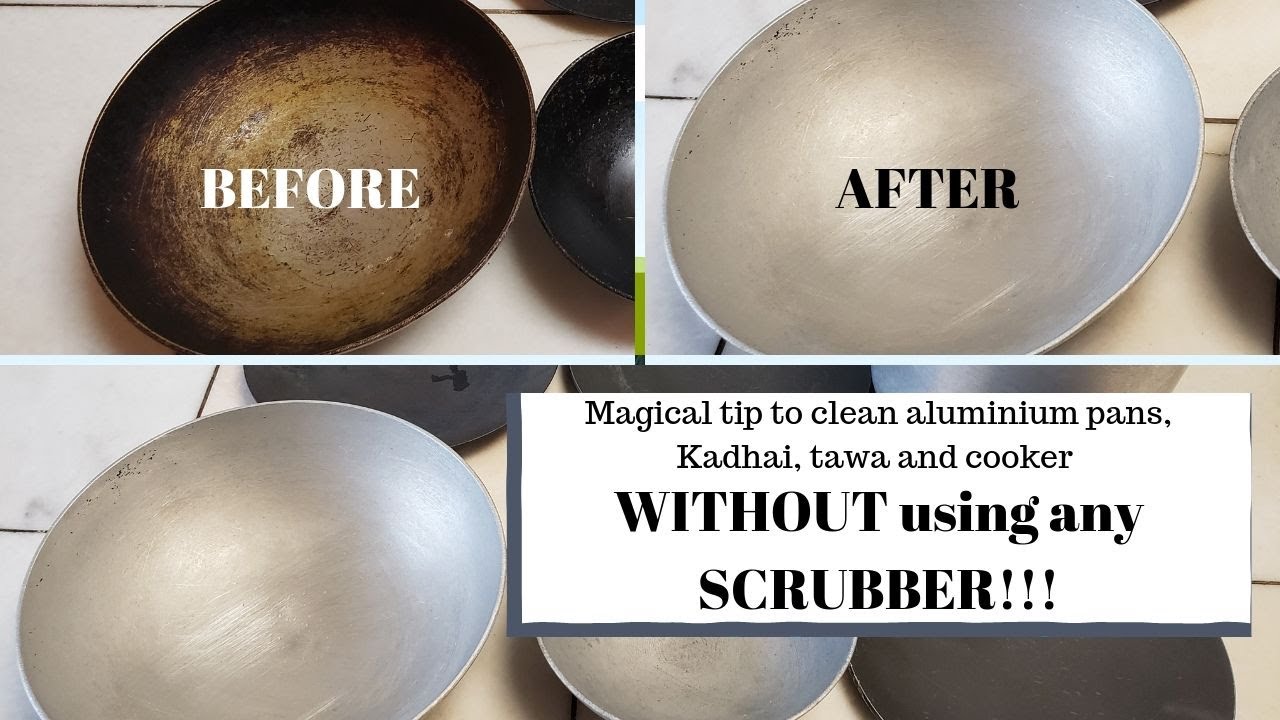
Credit: www.youtube.com
Frequently Asked Questions
How Do I Clean Aluminum Cookware Safely?
To clean aluminum cookware, use warm water and mild dish soap. Avoid abrasive scrubbers to prevent scratches. Hand wash only, as dishwashers can discolor aluminum. Dry immediately to prevent water spots. For tough stains, use a paste of baking soda and water gently.
Can Aluminum Cookware Be Used On Induction Stoves?
Aluminum cookware is not compatible with induction stoves unless it has a magnetic base. Induction requires cookware with ferromagnetic properties. To check, place a magnet under the pan. If it sticks, the cookware works with induction; otherwise, it won’t heat properly.
How Do I Prevent Aluminum Cookware From Discoloring?
To prevent discoloration, avoid cooking acidic foods like tomatoes in aluminum. Use low to medium heat to reduce oxidation. Clean promptly after use and avoid harsh detergents. Regularly polish with a mixture of lemon juice and water to maintain shine and prevent dark spots.
Is Aluminum Cookware Safe For Daily Cooking?
Yes, aluminum cookware is safe for daily cooking when properly cared for. Anodized aluminum offers a non-reactive surface that prevents leaching. Avoid cooking highly acidic or salty foods frequently, as they can cause aluminum to degrade. Proper cleaning extends its lifespan and safety.
Conclusion
Caring for aluminum cookware keeps it safe and long-lasting. Clean it gently with mild soap and a soft cloth. Avoid strong scrubbers that can scratch the surface. Dry it well after washing to stop rust spots. Store cookware in a dry place to keep it fresh.
Use wooden or plastic tools to protect the finish. Small steps make a big difference over time. Enjoy cooking with your cookware for many years. Simple care helps maintain its look and performance. Your kitchen will stay bright and ready every day.

Hello, This is Annie Walker, a 38-year-old blogger, founder, and editor of Cookware Guider from NY, USA. I am a cookware fanatic and passionate cooker. I love to cook with different types of cooking appliances (example: all types of cookware, rice cookers, slow cookers, etc) almost every day in my kitchen. I love to share my experience with my readers in my blog. Also, I enjoy helping people to solve their problems through my website. You can follow me on Twitter & Pinterest. To know details about my blog please check the about us page.