
Are you wondering if your sleek ceramic cooktop is actually an induction stove? It’s a question many people have, especially when choosing the right kitchen setup.
Understanding the difference matters because it affects how you cook, how safe your kitchen is, and even how much energy you use. Keep reading, and you’ll discover the key facts that will help you make smarter choices for your kitchen.
By the end, you’ll know exactly what kind of cooktop you have—and why it matters for your cooking experience.
Ceramic Cooktop Basics
Ceramic cooktops are common in many kitchens today. They offer a smooth, flat surface that makes cooking easy. These cooktops heat up quickly and clean easily.
Understanding how ceramic cooktops work helps decide if they fit your cooking style. The design and materials affect their performance and care.
What Is A Ceramic Cooktop?
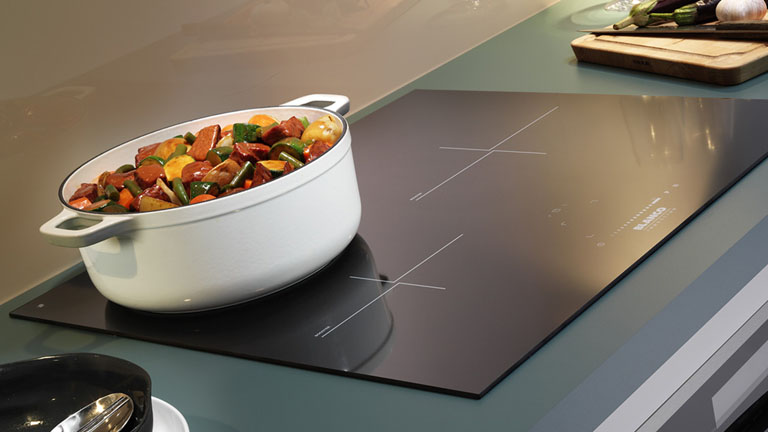
A ceramic cooktop is a flat cooking surface made from glass-ceramic material. It looks like glass but handles heat well. The heating elements sit under this smooth surface.
Heat comes from electric coils or halogen lamps beneath the cooktop. The surface heats up and cooks food in pots and pans placed on top.
Common Materials Used
The top layer is usually made from a type of glass-ceramic. This material resists heat and sudden temperature changes. It stays strong and smooth even after long use.
Under the surface, heating elements use metal coils or halogen bulbs. These parts create the heat that cooks the food. The ceramic glass keeps the heat focused on the pan.
Credit: www.harveynorman.com.au
How Induction Cooking Works
Induction cooking uses a special method to heat pots and pans directly. It does not heat the cooktop surface like traditional stoves. Instead, it uses magnetic energy to create heat inside the cookware. This process is fast, precise, and energy-efficient.
Principles Of Induction Technology
Induction cooking works through magnetic fields. A coil under the cooktop creates an alternating magnetic field. This field passes energy to the pot or pan. The cookware’s metal resists the magnetic energy, creating heat inside it. The cooktop itself stays cool because it does not get hot directly.
Cookware Compatibility
Only certain cookware works with induction cooktops. The bottom must be magnetic, like cast iron or some stainless steel. Aluminum, copper, or glass pots do not work unless they have a magnetic layer. You can test cookware with a magnet. If it sticks, the pot will work on induction.
Ceramic Vs Induction Cooktops
Choosing between ceramic and induction cooktops can be confusing. Both offer sleek designs and easy cleaning. Understanding their differences helps pick the right one for your kitchen.
Differences In Heat Generation
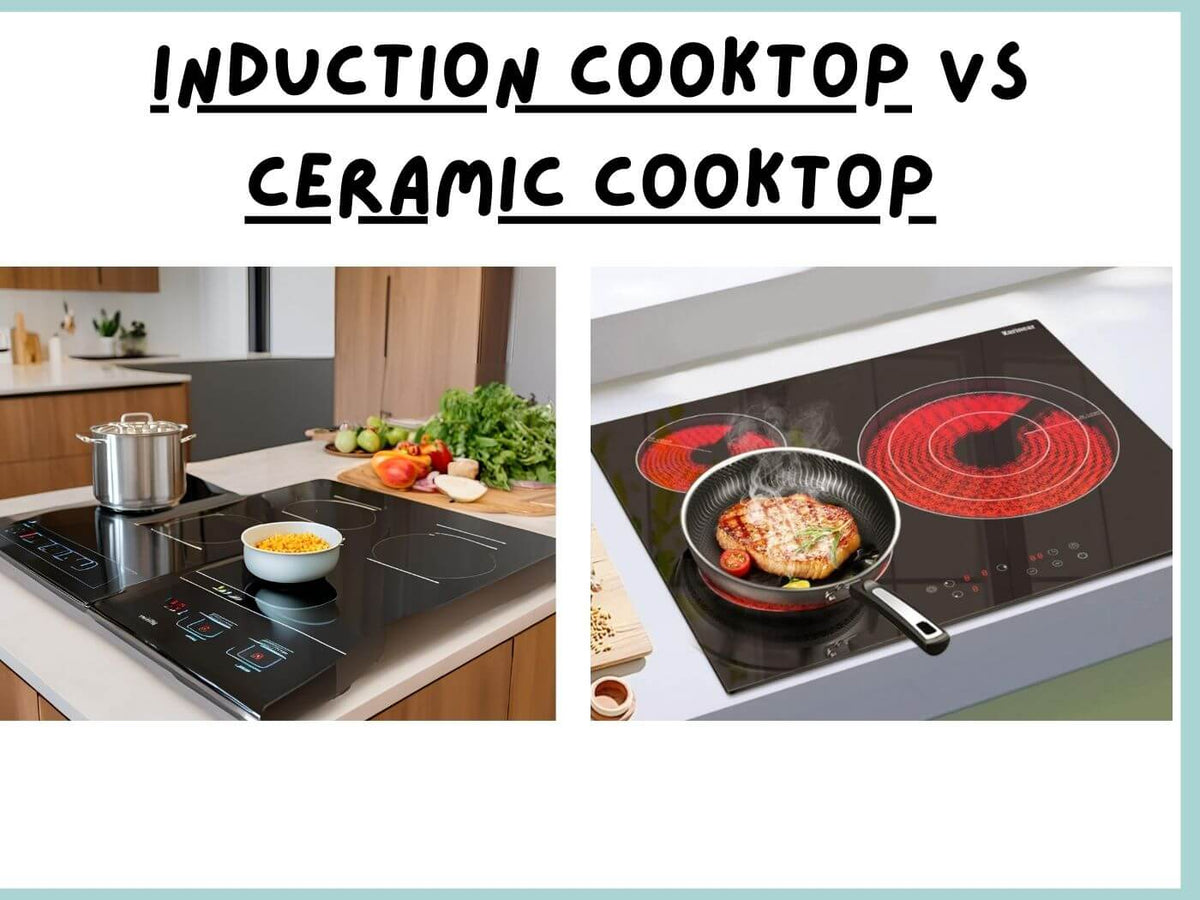
Ceramic cooktops use electric heating elements beneath the glass surface. Heat moves from these elements to the cookware. It takes time for the cooktop to heat up and cool down.
Induction cooktops create heat directly in the cookware. They use magnetic fields to heat pots and pans fast. The cooktop surface stays cooler, reducing burn risks.
Surface Material Comparison
Both cooktops feature a smooth, glass-ceramic surface. Ceramic cooktops rely on heated coils under this glass. Induction cooktops contain coils that generate magnetic fields.
The glass-ceramic on induction models must be magnetic-compatible. Not all pots work on induction surfaces. Ceramic cooktops work with any cookware material.
Energy Efficiency
Induction cooktops use energy more efficiently. They heat cookware directly, wasting less energy. Ceramic cooktops lose heat to the air around them.
This means induction cooktops often cook faster and use less power. Ceramic cooktops may cost more in electricity over time.
Identifying Induction Features
Identifying whether a ceramic cooktop uses induction technology can be tricky. Induction cooktops look smooth and similar to regular ceramic tops. Certain features help tell them apart. These features focus on how the cooktop controls heat and interacts with cookware. Understanding these signs makes it easier to know if your cooktop is induction or not.
Control Panel Indicators
Induction cooktops usually have digital control panels. These panels show power levels and temperature settings clearly. Look for buttons or displays marked with numbers or power bars. Some models show an “induction” symbol or a coil icon. Touch controls replace traditional knobs on many induction models. The controls respond quickly and precisely to touch. This is different from ceramic cooktops with simple knobs.
Cookware Detection
Induction cooktops only heat with compatible cookware. They detect if the pan is magnetic. If the pan is not right, the cooktop will not heat. This safety feature stops energy waste and accidents. Ceramic cooktops do not have this feature. You can test by placing a magnet on the pan’s base. If it sticks, the pan likely works on induction. This is a quick way to check if your cooktop uses induction technology.
Benefits Of Each Cooktop Type
Choosing the right cooktop can change your cooking experience. Both ceramic and induction cooktops offer unique benefits. Understanding these can help you decide which fits your kitchen better. Here is a look at the benefits of each type.
Advantages Of Ceramic Cooktops
Ceramic cooktops have a smooth, glass surface. They look stylish and modern in any kitchen. Cleaning is easy because the surface is flat and smooth. They work with almost any type of cookware, including aluminum and copper.
Ceramic cooktops heat evenly, which helps cook food well. They keep warm for a short time after turning off, so you can keep food warm. They are usually less expensive than induction cooktops, making them budget-friendly.
Advantages Of Induction Cooktops
Induction cooktops heat up very fast. They use magnetic fields to heat the pan directly. This makes cooking quicker and saves energy. The cooktop surface stays cool, reducing burn risks.
Induction cooktops offer precise temperature control. This helps prevent overcooking or burning food. They are very easy to clean because spills do not burn onto the surface. Induction cooktops are safer as they only heat the pan, not the air around it.
Common Misconceptions
Many people confuse ceramic cooktops with induction cooktops. This confusion leads to common myths about how these cooktops work and their features. Understanding these differences helps make better kitchen choices. Below, we explore why ceramic cooktops are often mistaken for induction and clear up the confusion.
Why Ceramic Is Often Mistaken For Induction
Ceramic cooktops have a smooth, glass-like surface. This look is similar to induction cooktops, causing mix-ups. Both types are flat and easy to clean, adding to the confusion.
People assume ceramic cooktops use the same technology as induction. They think heat comes from magnetic fields under the surface. Actually, ceramic cooktops use electric heating elements below the glass.
The appearance alone does not show how heat is made. This causes many to believe ceramic cooktops are induction cooktops.
Clarifying The Confusion
Induction cooktops heat pots using magnetic energy. This method is fast and precise. Ceramic cooktops use radiant heat from coils under the glass.
Induction requires special magnetic cookware. Ceramic cooktops work with any pot or pan. This is a key difference for users to know.
Knowing these facts helps avoid mistakes when buying a cooktop. It also helps users use their cooktops safely and efficiently.
Choosing The Right Cooktop
Choosing the right cooktop takes thought. It affects how you cook and your kitchen style. Different cooktops offer unique features. Understanding your needs helps pick the best one for your home.
Some cooktops heat quickly. Others keep a steady temperature. Some save energy. Some are easy to clean. Think about what fits your daily cooking habits.
Cooking Needs And Preferences
Know how you cook. Do you boil, fry, or simmer often? Induction cooktops heat fast and cool quickly. Ceramic cooktops offer a smooth surface and even heat. Choose based on your favorite cooking methods. Also, consider the type of pots and pans you use. Induction needs magnetic cookware. Ceramic works with most types.
Budget Considerations
Cooktops come in many price ranges. Induction models tend to cost more upfront. Ceramic cooktops usually have lower initial prices. Think about long-term savings on energy. Induction cooktops use less power. Balance price with what you can spend. Look for models that fit your budget and needs.

Credit: karinearappliances.com
Credit: karinearappliances.com
Frequently Asked Questions
Is A Ceramic Cooktop The Same As Induction?
No, a ceramic cooktop uses radiant heat, while induction heats cookware directly using magnetic fields. They differ in technology and efficiency.
Can Ceramic Cooktops Work With Induction Cookware?
Ceramic cooktops do not require induction-compatible cookware. Induction cookware only works with induction cooktops due to magnetic properties.
What Are The Benefits Of Induction Vs Ceramic Cooktops?
Induction cooktops heat faster, offer precise temperature control, and are more energy-efficient than ceramic cooktops. Ceramic cooktops are simpler but slower.
How Can I Tell If My Cooktop Is Induction Or Ceramic?
Check if a magnet sticks to the cookware base. If yes, it’s induction; if not, it’s likely ceramic or radiant.
Conclusion
Ceramic cooktops and induction cooktops are not the same. Ceramic cooktops use electric heat under a smooth glass surface. Induction cooktops use magnets to heat pots directly. Each has its own benefits and uses. Choose one based on your cooking style and budget.
Understanding their differences helps in making a smart choice. Both can work well in kitchens. The right cooktop makes cooking easier and safer. Keep these points in mind when deciding your next cooktop.

Hello, This is Annie Walker, a 38-year-old blogger, founder, and editor of Cookware Guider from NY, USA. I am a cookware fanatic and passionate cooker. I love to cook with different types of cooking appliances (example: all types of cookware, rice cookers, slow cookers, etc) almost every day in my kitchen. I love to share my experience with my readers in my blog. Also, I enjoy helping people to solve their problems through my website. You can follow me on Twitter & Pinterest. To know details about my blog please check the about us page.