
Pan frying potatoes is a classic cooking method that delivers crispy, golden brown exteriors and tender, fluffy interiors. It’s a technique loved across the world, from French home kitchens to American diners. Whether you’re making breakfast hash, a side dish for dinner, or a simple snack, knowing how to pan fry potatoes well is a skill that elevates your meals.
Many people think frying potatoes is easy, but achieving the perfect texture and flavor takes practice and a bit of science. In this guide, you’ll learn everything you need to master pan frying potatoes, from choosing the right potato to getting the ideal crispiness.
Let’s dive into the process step by step and uncover tips that even experienced cooks sometimes overlook.
Choosing The Best Potatoes For Pan Frying
Selecting the right type of potato is crucial for getting the best results. Not all potatoes behave the same in a frying pan. Some varieties hold their shape, while others become mushy.
Potato Types And Their Qualities
Potatoes come in many shapes and flavors, but for pan frying, the most common choices are Russet, Yukon Gold, and Red potatoes. Here’s how they compare:
| Potato Type | Texture After Frying | Flavor Profile |
|---|---|---|
| Russet | Very crispy outside, fluffy inside | Earthy, mild |
| Yukon Gold | Crispy edges, creamy center | Buttery, rich |
| Red | Less crispy, holds shape well | Sweet, slightly nutty |
Russet potatoes are best for extra crispiness, thanks to their high starch content. Yukon Golds offer a balance between crisp and creamy. Red potatoes are waxy and keep their shape, but they don’t get as crunchy.
Size And Shape Matter
Small potatoes cook faster and more evenly. When slicing, aim for pieces that are similar in size so they fry at the same rate. For breakfast hash, dice them into cubes. For a classic side dish, cut them into thin rounds or wedges.
Preparing Potatoes Before Frying
Preparation affects both taste and texture. Many people skip steps that make a big difference.
Washing And Peeling
Always wash potatoes to remove dirt. Peeling is optional. Leaving the skin on adds extra crunch and fiber, but peeled potatoes get a more uniform crisp.
Cutting For Even Cooking
Uniform pieces fry evenly. Here are common ways to cut potatoes for pan frying:
- Cubes: About 1/2 inch, good for hash.
- Rounds: Thin slices, ideal for layered dishes.
- Wedges: Thicker pieces, great for rustic sides.
Soaking To Remove Starch
Soaking potatoes in cold water before frying removes excess starch. This prevents sticking and helps them crisp up.
- Soak for at least 30 minutes.
- Dry thoroughly with a towel before cooking.
Skipping this step often leads to soggy potatoes. It’s a small effort that pays off.
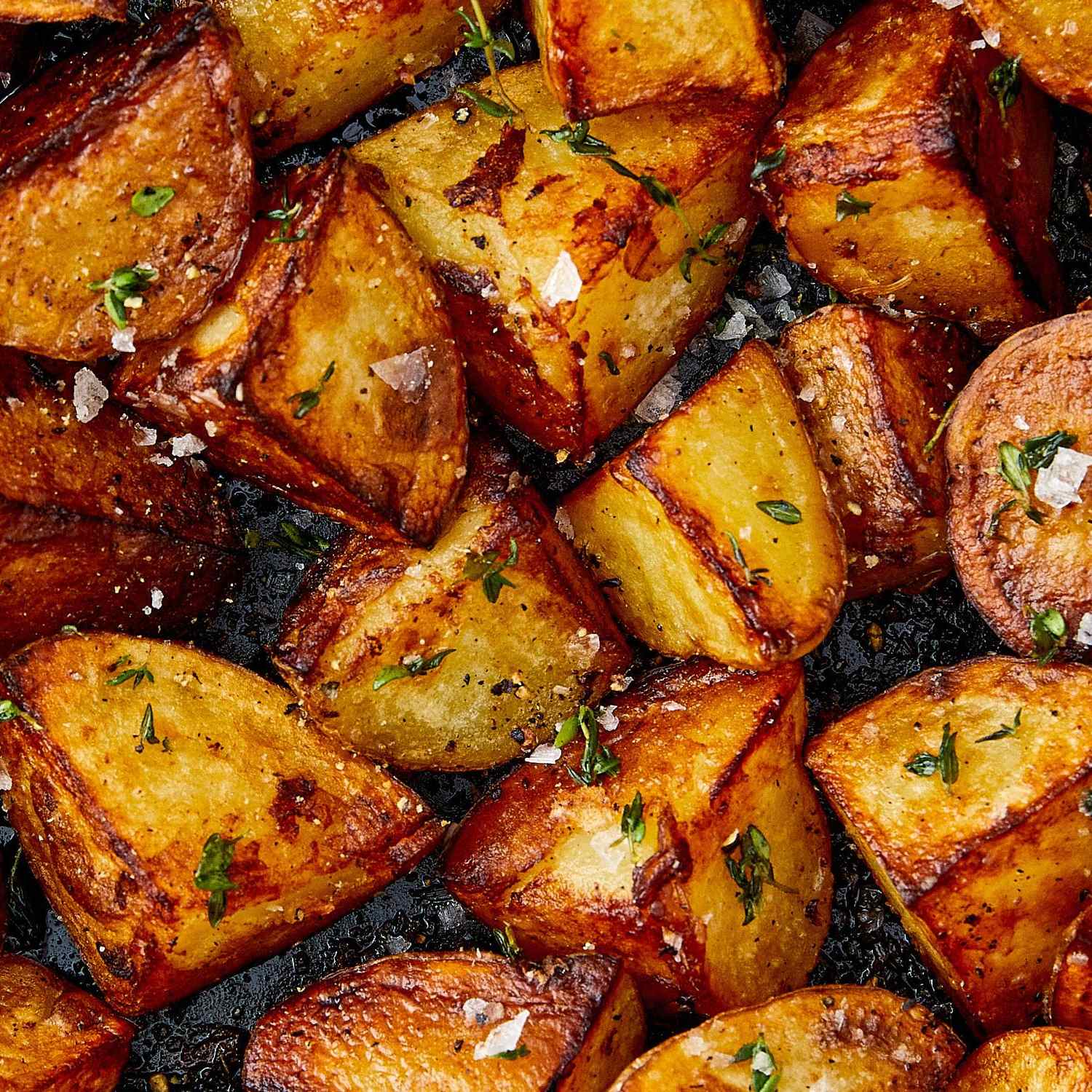
Credit: www.thekitchn.com
Picking The Right Pan And Oil
The pan and oil you use impact the frying process. Many beginners underestimate their importance.
Best Pan Types
A heavy-bottomed skillet, like cast iron or stainless steel, distributes heat evenly and holds temperature.
| Pan Type | Heat Distribution | Ease of Cleaning |
|---|---|---|
| Cast Iron | Excellent | Requires seasoning |
| Stainless Steel | Good | Easy |
| Nonstick | Even | Very easy |
Cast iron is best for crispiness, but nonstick pans are easier for beginners.
Choosing Oil For Frying
Oil selection affects flavor and crisp. Use oils with high smoke points:
- Canola oil
- Vegetable oil
- Peanut oil
- Sunflower oil
Avoid olive oil for high-heat frying; it can burn and taste bitter.
Step-by-step Guide: How To Pan Fry Potatoes
Let’s go through the full process, from start to finish. Follow these steps for perfect pan fried potatoes every time.
Ingredients
- 2 large Russet or Yukon Gold potatoes (about 1 pound)
- 3 tablespoons canola oil
- 1 teaspoon salt
- 1/2 teaspoon black pepper
- Optional: 1/2 teaspoon paprika or garlic powder
- Optional: 2 tablespoons chopped fresh herbs (parsley, thyme, or rosemary)
Cooking Steps
1. Wash And Cut Potatoes
Scrub potatoes well. Peel if desired. Cut into cubes, rounds, or wedges (about 1/2 inch thick).
2. Soak In Cold Water
Place cut potatoes in a bowl of cold water for 30 minutes. This removes extra starch and helps them crisp.
3. Dry Potatoes Thoroughly
Drain and pat potatoes dry using a kitchen towel. Moisture causes splattering and prevents crispiness.
4. Heat Pan And Oil
Place skillet over medium-high heat. Add oil and let it get hot, but not smoking. Test by dropping a small piece of potato; if it sizzles, the oil is ready.
5. Add Potatoes In A Single Layer
Spread potatoes in the pan. Don’t overcrowd—crowding causes steaming, not frying.
6. Let Them Cook Undisturbed
Allow potatoes to cook for 4–5 minutes without stirring. This forms a crispy crust.
7. Flip And Toss Gently
Use a spatula to flip potatoes. Cook another 4–5 minutes. Repeat until all sides are golden brown.
8. Season During Cooking
Sprinkle salt, pepper, and optional spices while frying. For herbs, add them in the last minute to avoid burning.
9. Test For Doneness
Pierce with a fork. The inside should be soft, and the outside crispy.
10. Drain Excess Oil
Remove potatoes and place on paper towels to drain.
11. Serve Hot
Enjoy right away for best texture.
Cooking Time And Yield
- Cooking time: 20–30 minutes (including soaking)
- Serving size: Makes 2–4 servings
Tips For Extra Crispiness And Flavor
Small details make a big impact. Many cooks overlook these steps.
1. Don’t Crowd The Pan
If you have a lot of potatoes, cook in batches. Overcrowding traps steam and makes potatoes soggy.
2. Control Heat Carefully
Start on medium-high to crisp, then reduce to medium to cook through. Too low heat = greasy potatoes.
3. Use A Mix Of Oils And Butter
For extra flavor, add 1 tablespoon of butter in the last few minutes. Butter burns quickly, so don’t add it too early.
4. Shake Pan Occasionally
This helps turn the potatoes and ensures even browning.
5. Add Fresh Herbs Near The End
Herbs like rosemary or thyme add aroma. Add them in the last minute to prevent burning.
6. Season At The Right Time
Salt draws out moisture. Sprinkle it after the potatoes are mostly cooked for maximum crisp.
7. Try A Vinegar Splash
A dash of vinegar (white or apple cider) after frying brightens flavor and cuts oiliness.
Common Mistakes When Pan Frying Potatoes
Even experienced cooks make errors. Here are mistakes to avoid:
- Skipping the soak: Not soaking leads to sticky, gluey potatoes.
- Using wet potatoes: Moisture prevents crisp and causes oil splatter.
- Crowding the pan: Too many potatoes steam instead of fry.
- Not heating oil enough: Lukewarm oil gives greasy, limp potatoes.
- Overstirring: Disturbs the crust formation; let them sit before flipping.
- Adding herbs too soon: Fresh herbs burn fast; add late.
- Wrong oil: Low smoke point oils (like extra virgin olive oil) burn and taste bad.
Variations And Creative Ideas
Once you master the basic method, try these fun twists.
Breakfast Hash
Add diced onions, bell peppers, and cooked sausage or bacon. Fry together for a hearty breakfast.
Garlic-parmesan Potatoes
After frying, toss potatoes with minced garlic and grated Parmesan cheese. Serve as a snack or appetizer.
Spicy Potato Bites
Sprinkle potatoes with chili powder or cayenne pepper during frying. Serve with sour cream or yogurt dip.
Potato And Vegetable Medley
Mix potatoes with zucchini, carrots, or mushrooms. Cook together for a colorful side dish.
Sweet Potato Variation
You can pan fry sweet potatoes using the same steps. They cook a bit faster and caramelize nicely, but are less crispy.
Nutritional Information And Health Tips
Pan fried potatoes can be healthy if you use the right oil and avoid excess fat.
- Calories: About 200 calories per serving (without added butter)
- Fat: 7–10 grams per serving
- Fiber: 3–4 grams per serving
- Vitamins: Good source of Vitamin C, potassium, and B6
To reduce fat, use less oil or drain well after cooking. Choose healthy oils like canola or sunflower. For extra nutrition, leave the skins on.
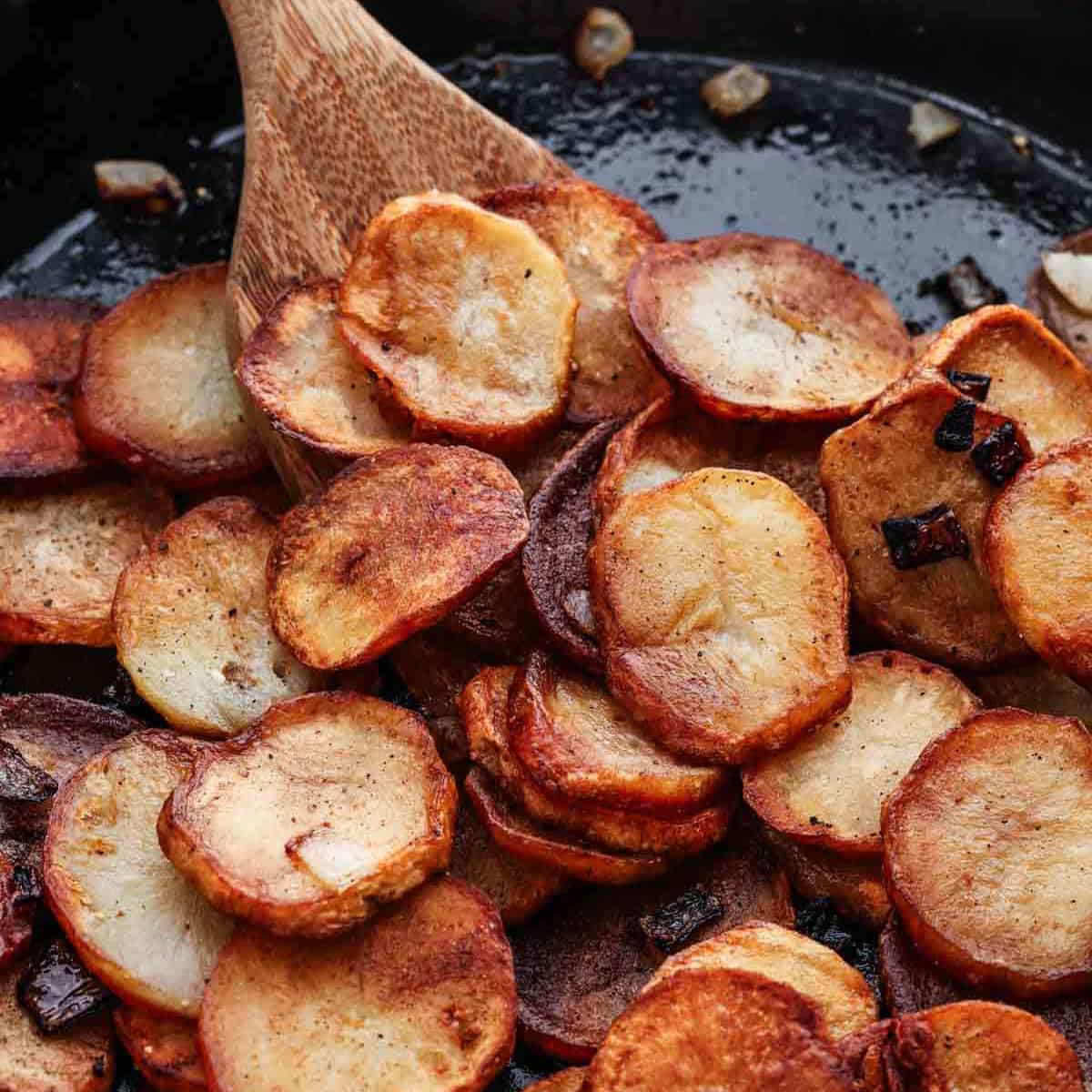
Credit: www.eatingonadime.com
Comparing Pan Fried Potatoes To Other Methods
Pan frying is just one way to cook potatoes. Here’s how it stacks up against other methods:
| Method | Crispiness | Flavor | Cooking Time |
|---|---|---|---|
| Pan Frying | High | Rich, savory | 20–30 min |
| Baking | Medium | Deep, earthy | 40–60 min |
| Boiling | Low | Mild, soft | 15–20 min |
| Deep Frying | Very high | Bold, crispy | 10–15 min |
Pan frying gives you more control over crispiness and flavor. It uses less oil than deep frying, making it healthier.
How To Store And Reheat Pan Fried Potatoes
Potatoes taste best fresh, but you can store leftovers.
- Storage: Cool completely. Place in airtight container; refrigerate for up to 3 days.
- Reheating: Use a skillet with a bit of oil. Heat over medium until crispy again. Avoid microwaving—potatoes get soggy.
- Freezing: Not recommended. Texture changes and potatoes lose crisp.

Credit: www.delish.com
Practical Advice For Beginners
If you’re new to pan frying potatoes, start simple.
- Use Russet or Yukon Gold potatoes.
- Always soak and dry before frying.
- Don’t rush—patience makes a difference.
- Start with a nonstick pan for easier cleanup.
Non-obvious tip: The first side you fry will be the crispiest. So, for best presentation, serve with that side up.
Another overlooked detail: If your potatoes are browning too fast on the outside but are still raw inside, lower the heat and cover the pan for a few minutes. This steams the inside without losing crispiness.
Serving Suggestions
Pan fried potatoes are versatile. Here are ways to enjoy them:
- As a breakfast side with eggs and bacon
- With grilled meats, like steak or chicken
- In wraps or burritos for extra crunch
- Topped with sour cream and chives for a snack
- With ketchup, aioli, or hot sauce
Frequently Asked Questions
What’s The Best Potato For Pan Frying?
Russet potatoes are best for crispiness. Yukon Golds are good for creamy centers. Red potatoes hold their shape but are less crispy.
How Do I Keep My Potatoes From Sticking To The Pan?
Use enough oil and a hot pan. Make sure potatoes are dry before frying. Don’t stir too early; let a crust form first.
Can I Use Olive Oil For Pan Frying Potatoes?
Use light olive oil if you prefer the flavor, but avoid extra virgin olive oil for high-heat frying. It burns easily and turns bitter.
How Do I Make Pan Fried Potatoes Healthier?
Use less oil and drain well after frying. Leave the skins on for fiber. Pair with vegetables or lean proteins.
What’s The Best Way To Reheat Pan Fried Potatoes?
Reheat in a skillet with a small amount of oil over medium heat. Avoid microwaving—potatoes lose their crispness.
Pan frying potatoes is a simple skill that delivers big rewards. With the right potato, careful prep, and a bit of patience, you’ll serve up crispy, golden potatoes every time. Remember, small details matter: soaking, drying, and not crowding the pan make all the difference. Experiment with flavors and try new variations as you build your confidence. For more potato facts and recipes, visit Wikipedia. Enjoy your perfectly pan fried potatoes!

Hello, This is Annie Walker, a 38-year-old blogger, founder, and editor of Cookware Guider from NY, USA. I am a cookware fanatic and passionate cooker. I love to cook with different types of cooking appliances (example: all types of cookware, rice cookers, slow cookers, etc) almost every day in my kitchen. I love to share my experience with my readers in my blog. Also, I enjoy helping people to solve their problems through my website. You can follow me on Twitter & Pinterest. To know details about my blog please check the about us page.