
Cooking chicken breast in a frying pan sounds simple, but getting it just right is a skill that many home cooks want to master. Undercooked chicken can be unsafe, while overcooked chicken turns dry and tough. If you want juicy, perfectly cooked chicken breasts, understanding the right cooking time and technique is key.
Let’s dive into the details, step by step, so you can confidently cook chicken breast in a frying pan every time.
Why Pan-frying Chicken Breast Is Popular
Pan-frying is a favorite cooking method for chicken breast. Why? It’s quick, doesn’t need special equipment, and gives the meat a delicious golden crust. Unlike baking or grilling, pan-frying puts you in full control. With the right approach, it’s easy to get a juicy inside and a crisp outside.
Many people choose chicken breast because it’s lean and high in protein. However, it’s also known for drying out if not cooked carefully. That’s why timing and technique matter so much.
Essential Factors That Affect Cooking Time
Before asking, “How long do I cook chicken breast in a frying pan?” you need to know what influences the answer. Cooking time varies based on:
- Thickness of the breast: Thicker pieces need more time.
- Whether it’s boneless or bone-in: Boneless cooks faster.
- If it’s fresh or frozen: Frozen takes longer, but you should ideally thaw first.
- Stovetop heat level: Higher heat sears quickly but can burn the outside.
- Pan material: Cast iron holds heat better than nonstick.
- With or without cover: Covering speeds up cooking but can soften the crust.
- Marinated or plain: Some marinades can speed up browning.
Understanding these factors helps you adjust cooking time for the best results.
Average Frying Time For Chicken Breast
Most boneless, skinless chicken breasts cooked over medium heat take about 6–8 minutes per side. This means a total cooking time of 12–16 minutes. However, there are important details to consider.
Cooking Time Table
Here’s a quick reference for common chicken breast sizes and cooking times on medium heat:
| Breast Thickness | Cooking Time (Per Side) | Total Time |
|---|---|---|
| 1/2 inch (thin cut) | 3–4 min | 6–8 min |
| 1 inch (average) | 6–8 min | 12–16 min |
| 1.5 inches (thick) | 8–10 min | 16–20 min |
Remember, these are guidelines. Always check the inside of the chicken for doneness.
Step-by-step Guide: Cooking Chicken Breast In A Frying Pan
Let’s break down the process so you can get perfect results every time.
1. Gather Your Ingredients
- 2 boneless, skinless chicken breasts (about 6–8 oz each)
- 1 tablespoon oil (olive, canola, or vegetable)
- Salt and pepper to taste
- Optional: Garlic powder, paprika, dried herbs, lemon juice
2. Prepare The Chicken
- Pound the chicken: If your chicken breasts are thick on one end and thin on the other, cover them with plastic wrap and gently pound to an even thickness (about 1 inch). This helps them cook evenly.
- Pat dry: Use paper towels to dry the surface. This gives a better sear.
- Season: Sprinkle both sides with salt, pepper, and any extra spices you like.
3. Preheat Your Pan
- Place a large frying pan (preferably cast iron or stainless steel) on medium heat.
- Add the oil and let it heat until it shimmers. This usually takes about 1 minute.
4. Cook The Chicken
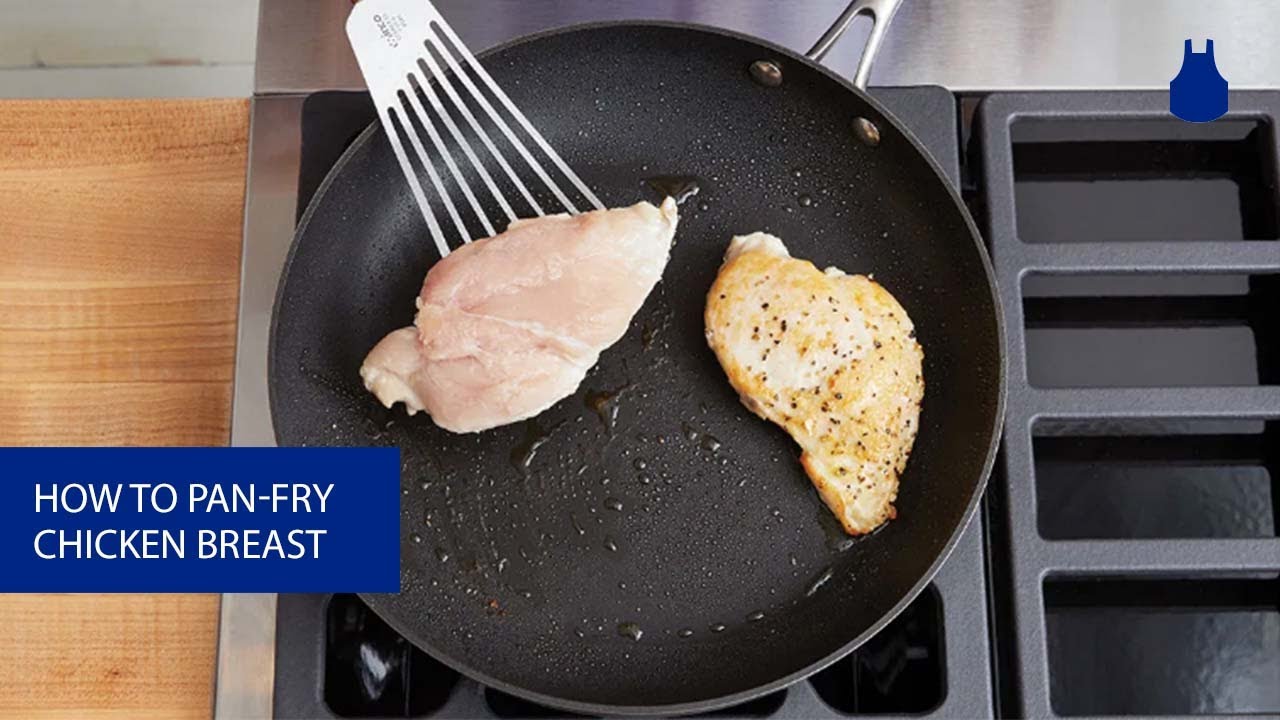
- Place chicken breasts in the pan, smooth side down.
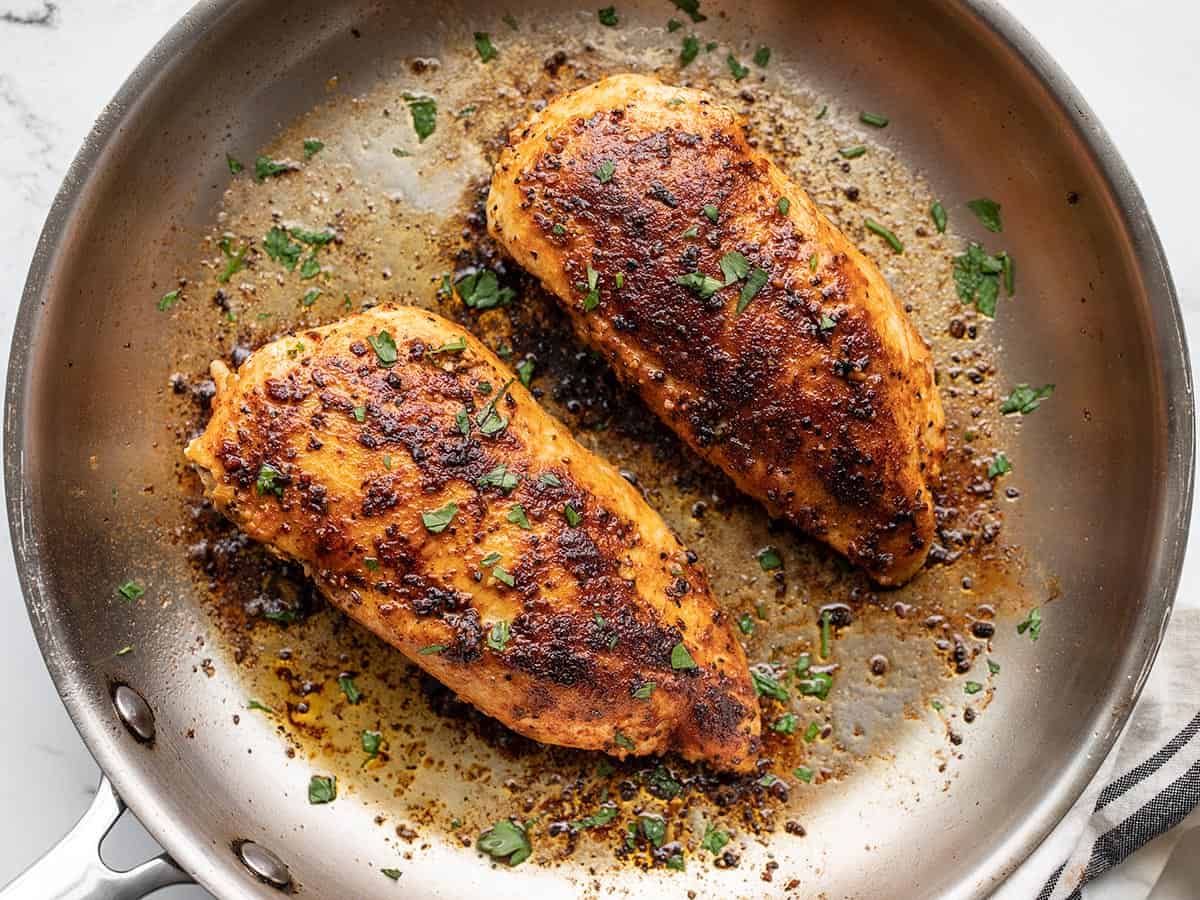
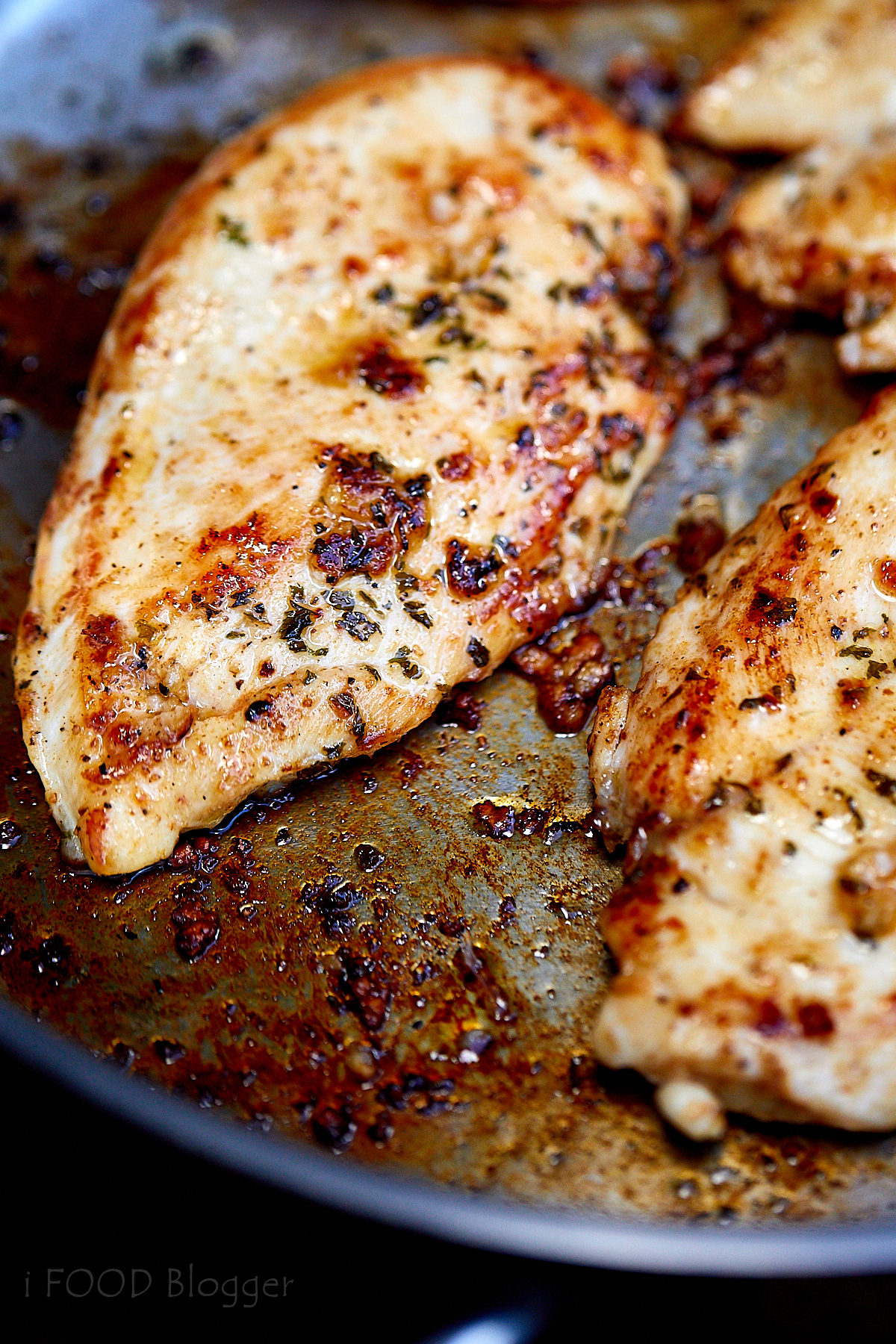
- Let them cook undisturbed for 6–8 minutes. Avoid moving them around; this helps the crust form.
- Flip the chicken using tongs. Cook the other side for another 6–8 minutes.
- If the breasts are thick, lower the heat a bit after flipping to avoid burning the outside before the inside cooks through.
- For extra thick pieces (over 1 inch), cover the pan for the last few minutes to help them cook through.
5. Check For Doneness
- The safest way is to use a meat thermometer. Insert it into the thickest part. The temperature should reach 165°F (74°C).
- If you don’t have a thermometer, slice into the center. The meat should be white, not pink, and juices should run clear.
6. Rest Before Serving
- Remove the chicken from the pan and let it rest on a plate for at least 5 minutes. This step helps keep the juices inside, so the chicken stays moist.
Key Tips For Juicy Chicken Breast
Many people end up with dry chicken. Here’s how you can avoid that problem:
- Don’t overcrowd the pan. Cook one or two breasts at a time for even heat.
- Let the oil get hot. If it isn’t shimmering, the chicken will stick.
- Resist the urge to move the chicken. A crust forms best when left alone.
- Let it rest. Cutting right away lets juices escape.
- Marinate when you can. Even 30 minutes in a simple marinade adds moisture and flavor.
Pan Material: Does It Really Matter?
The type of pan you use can change your results. Here’s a quick comparison of popular options:
| Pan Type | Pros | Cons |
|---|---|---|
| Cast Iron | Excellent heat retention, great sear | Heavy, needs seasoning |
| Stainless Steel | Even cooking, long-lasting | Can stick if not heated/oiled correctly |
| Nonstick | Easy release, less oil needed | Poor browning, coating can wear off |
For best flavor and texture, cast iron or stainless steel is recommended. Nonstick is easier for beginners, but you may miss out on a deep golden crust.
How To Add Flavor When Pan-frying
Pan-fried chicken breast doesn’t have to be plain. Here are some easy ways to add flavor:
- Marinades: Soak the chicken in a mix of oil, acid (like lemon juice), and spices for at least 30 minutes before cooking.
- Dry rubs: Mix spices like paprika, garlic powder, cumin, and black pepper, then rub onto the chicken before frying.
- Deglaze the pan: After removing the chicken, add a splash of broth, wine, or lemon juice to the hot pan. Scrape up the browned bits and pour this quick sauce over your chicken.
Little flavor tricks like these make a big difference, especially if you’re cooking for family or guests.
Common Mistakes When Cooking Chicken Breast In A Frying Pan
Even experienced cooks slip up sometimes. Here are mistakes to watch out for:
- Cooking straight from the fridge: Cold chicken cooks unevenly. Let it sit at room temperature for 15–20 minutes first.
- Using too little oil: Oil helps prevent sticking and gives a better crust.
- High heat only: Starting with high heat is good for searing, but lower it after flipping to avoid burning.
- Not checking the internal temperature: Guessing can lead to undercooked or dry chicken.
- Skipping the rest period: It’s tempting to cut right away, but patience keeps the meat juicy.
One insight many beginners miss: Even thickness matters more than overall size. If your chicken breast is thick on one end, the thin part will dry out while the thick end cooks. Always pound your chicken for best results.
Credit: www.youtube.com
Should You Cover The Pan When Cooking?
Covering the pan traps steam, which speeds up cooking. This is helpful for very thick chicken breasts, but it can soften the crust. Try this:
- For thin or medium breasts, cook uncovered for a crispier finish.
- For thick breasts, cover for the last few minutes after searing both sides.
This hybrid method gives you both a golden crust and a thoroughly cooked center.
Fresh Vs. Frozen Chicken Breast: Does It Affect Cooking Time?
Yes, it does. Ideally, thaw frozen chicken breast before cooking. Cooking straight from frozen is possible, but the outside will likely overcook before the inside is safe to eat.
If you must use frozen chicken:
- Add 5–8 minutes to the total cooking time.
- Start with lower heat to help the inside cook.
- Cover the pan to trap heat.
- Double-check the internal temperature (165°F).
Whenever possible, thaw in the fridge overnight for best texture and flavor.
Comparing Pan-frying With Other Cooking Methods
Pan-frying isn’t the only way to cook chicken breast. How does it stack up against other methods?
| Method | Cook Time | Texture | Best For |
|---|---|---|---|
| Pan-Frying | 12–16 min | Crisp outside, juicy inside | Quick meals, strong flavor |
| Baking | 20–30 min | Even, soft | Bulk cooking, hands-off |
| Grilling | 8–12 min | Smoky, charred | Outdoor flavor |
| Poaching | 15–20 min | Very moist, no crust | Salads, shredding |
Pan-frying is best for meals where you want a golden crust and a quick cook time.
Nutritional Facts: Pan-fried Chicken Breast
Chicken breast is a healthy choice. When pan-fried with a little oil, it remains low in calories and high in protein.
Here are the approximate nutrition values for a 6-ounce boneless, skinless chicken breast cooked in 1 tablespoon of olive oil:
- Calories: 320
- Protein: 38g
- Fat: 14g
- Carbohydrates: 0g
This makes it a great option for high-protein diets or anyone watching their fat intake. The oil adds some fat, but you can use less or choose a lighter oil if you prefer.
Credit: www.budgetbytes.com
Cooking For A Crowd: Scaling Up
If you need to cook more than two chicken breasts, avoid crowding the pan. Cook in batches, keeping finished pieces warm in a low oven (about 200°F). This way, each breast gets the right sear and cooks evenly.
A common mistake is stacking chicken or squeezing too many pieces in one pan. This leads to steaming, not searing, and can give you pale, rubbery meat.
Variations: From Simple To Fancy
Once you’ve mastered basic pan-frying, try these ideas:
- Stuffed chicken breasts: Make a pocket and fill with cheese, spinach, or herbs.
- Breaded cutlets: Dip in flour, egg, and breadcrumbs before frying.
- Saucy skillet meals: After pan-frying, simmer chicken in tomato sauce, creamy mushroom sauce, or lemon-butter sauce.
Experimenting with different seasonings and sauces can keep your meals interesting, even with the same basic cooking method.
Credit: cravingtasty.com
Safety Tips: Handling Chicken Properly
Chicken can carry bacteria like Salmonella or Campylobacter. Safe handling is a must:
- Wash hands before and after touching raw chicken.
- Use separate cutting boards for meat and vegetables.
- Never wash raw chicken (splashes spread bacteria).
- Clean all surfaces, knives, and utensils with hot, soapy water.
- Always cook to an internal temperature of 165°F (74°C).
For more on food safety, visit CDC Food Safety.
Two Non-obvious Insights Beginners Often Miss
- Resting time is not optional: Many skip this step, but resting lets the juices redistribute. Cutting too soon makes chicken dry, even if cooked perfectly.
- Pan temperature is crucial: If the oil isn’t hot enough, chicken will stick and steam instead of sear. Wait until the oil shimmers before adding the meat.
Frequently Asked Questions
How Can I Tell If Chicken Breast Is Fully Cooked Without A Thermometer?
Cut into the thickest part. The meat should be white, not pink, and the juices should run clear. However, using a thermometer is more reliable for safety and juiciness.
Can I Cook Chicken Breast Straight From Frozen In A Frying Pan?
Yes, but it’s not ideal. Add 5–8 extra minutes to the total cooking time, use lower heat, and cover the pan. Always check the internal temperature to ensure it reaches 165°F (74°C).
How Do I Keep Chicken Breast From Sticking To The Pan?
Make sure the pan and oil are hot before adding the chicken. Don’t move the chicken too soon—let a crust form first, which helps it release naturally.
What’s The Best Oil For Pan-frying Chicken Breast?
Choose oils with a high smoke point like canola, vegetable, or avocado oil. Olive oil is fine for medium heat but may smoke at higher temperatures.
Why Does My Chicken Breast Turn Out Dry?
Dry chicken usually means overcooking, uneven thickness, or not letting it rest. Pound the breast to an even thickness, cook to 165°F, and let it rest before slicing.
Cooking chicken breast in a frying pan is a fast, delicious way to prepare a healthy meal. With the right timing, technique, and attention to detail, you’ll get juicy, flavorful results every time. Don’t be afraid to experiment with seasonings or sauces, and always check for doneness to keep your food safe.
Enjoy the confidence that comes with mastering this essential kitchen skill!

Hello, This is Annie Walker, a 38-year-old blogger, founder, and editor of Cookware Guider from NY, USA. I am a cookware fanatic and passionate cooker. I love to cook with different types of cooking appliances (example: all types of cookware, rice cookers, slow cookers, etc) almost every day in my kitchen. I love to share my experience with my readers in my blog. Also, I enjoy helping people to solve their problems through my website. You can follow me on Twitter & Pinterest. To know details about my blog please check the about us page.