
Cooking shrimp in a frying pan is one of the simplest ways to enjoy this tasty seafood. Many people love shrimp because it cooks fast, tastes great, and can be used in many recipes. If you want to learn how to fry shrimp perfectly, you’re in the right place.
This article will show you everything you need to know — from choosing the right shrimp, preparing them, seasoning, frying, and serving. You’ll also discover common mistakes, practical tips, and answers to some frequent questions. Whether you’re a beginner or want to improve your shrimp game, you’ll find clear steps and helpful advice here.
Choosing The Right Shrimp
Before you start cooking, you need to pick the right shrimp. Freshness matters a lot. Fresh shrimp taste sweeter and have a better texture. You can buy shrimp either fresh or frozen. Both work well, but you should know how to select them.
Fresh Vs Frozen Shrimp
Fresh shrimp usually have a mild sea smell and firm bodies. Frozen shrimp are often frozen quickly after catching, so they can be almost as good as fresh. When buying frozen shrimp, check the packaging for ice crystals. Too many crystals can mean the shrimp thawed and refroze, which hurts quality.
Size Matters
Shrimp are sold by count per pound. For frying, medium to large shrimp are best. Here’s a quick comparison:
| Shrimp Size | Count per Pound | Best Use |
|---|---|---|
| Small | 51-70 | Salads, soups |
| Medium | 36-50 | Stir-fry, pan-frying |
| Large | 21-35 | Grilling, frying |
Peeled Or Shell-on?
You can buy peeled shrimp or shell-on shrimp. Peeled shrimp save time, but shell-on shrimp give a richer flavor and protect from overcooking. For frying in a pan, peeled and deveined shrimp are easier and faster.
Preparing Shrimp For Cooking
Proper preparation makes a big difference. Here’s how to get your shrimp ready:
- Thawing: If using frozen shrimp, thaw them in a bowl of cold water for 10-20 minutes. Never use warm water, as it can change the texture.
- Peeling: Remove the shell if needed. Start at the legs and peel upward.
- Deveining: Make a shallow cut along the back and pull out the dark vein. Some people skip this step, but it improves taste and look.
- Drying: Pat shrimp dry with paper towels. Wet shrimp won’t brown well in the pan.
Cleaning Mistakes To Avoid
- Don’t soak shrimp too long. It makes them mushy.
- Never thaw in hot water or microwave.
- Remove tails if you want easier eating.
Credit: www.milkandhoneynutrition.com
Seasoning And Marinating
Shrimp have a mild flavor, so seasoning is important. You can use simple salt and pepper or add spices for extra taste. Some people marinate shrimp for more flavor, but don’t overdo it — shrimp absorb flavors fast.
Basic Seasoning
- Salt: Brings out natural flavor
- Pepper: Adds mild heat
- Garlic powder: Classic taste
- Paprika: For color and smoky flavor
Marinade Example
If you want to marinate, use this quick recipe:
- 1 tablespoon olive oil
- 1 teaspoon lemon juice
- 1/2 teaspoon salt
- 1/4 teaspoon pepper
- 1/2 teaspoon minced garlic
Mix together and toss with shrimp for 10-15 minutes. Longer is not better — shrimp can get mushy.
Choosing The Right Pan And Oil
The pan and oil you use affect the outcome. A good frying pan, like a non-stick or stainless steel, helps shrimp cook evenly.
Pan Comparison
| Pan Type | Benefits | Drawbacks |
|---|---|---|
| Non-stick | Easy clean-up, less oil needed | Can’t handle high heat for long |
| Stainless steel | Good browning, handles high heat | Requires more oil, harder to clean |
| Cast iron | Retains heat well | Heavy, needs seasoning |
Choosing Oil
Shrimp cook quickly, so use an oil with a high smoke point. Good options are canola oil, vegetable oil, or olive oil (not extra virgin).

Credit: www.thekitchn.com
Cooking Shrimp In A Frying Pan: Step-by-step
Now, let’s get to the main part — frying shrimp in a pan. Here’s a clear method you can follow.
Ingredients
- 1 pound medium or large shrimp (peeled and deveined)
- 1-2 tablespoons oil (canola, vegetable, or light olive oil)
- 1/2 teaspoon salt
- 1/4 teaspoon black pepper
- Optional: 1/2 teaspoon garlic powder, 1/2 teaspoon paprika
- Optional: Lemon wedges for serving
Cooking Instructions
- Heat the pan: Place your frying pan over medium-high heat. Add oil and let it get hot (but not smoking).
- Add shrimp: Place shrimp in a single layer. Don’t overcrowd the pan. If needed, cook in batches.
- Season: Sprinkle salt, pepper, and any extra spices over the shrimp.
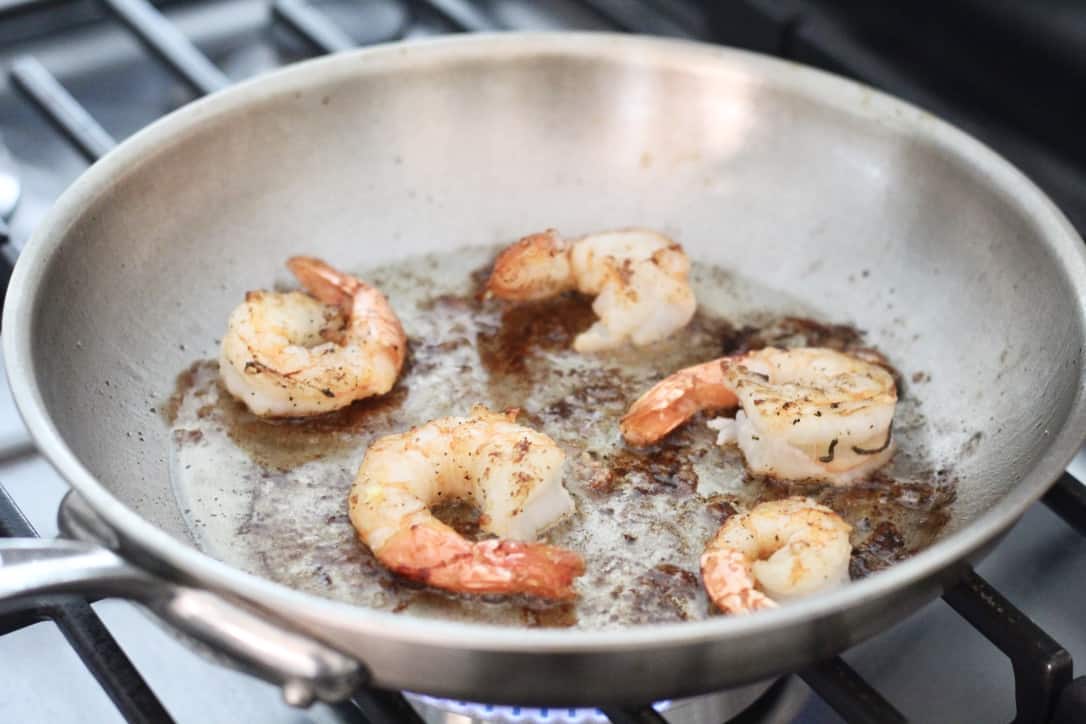
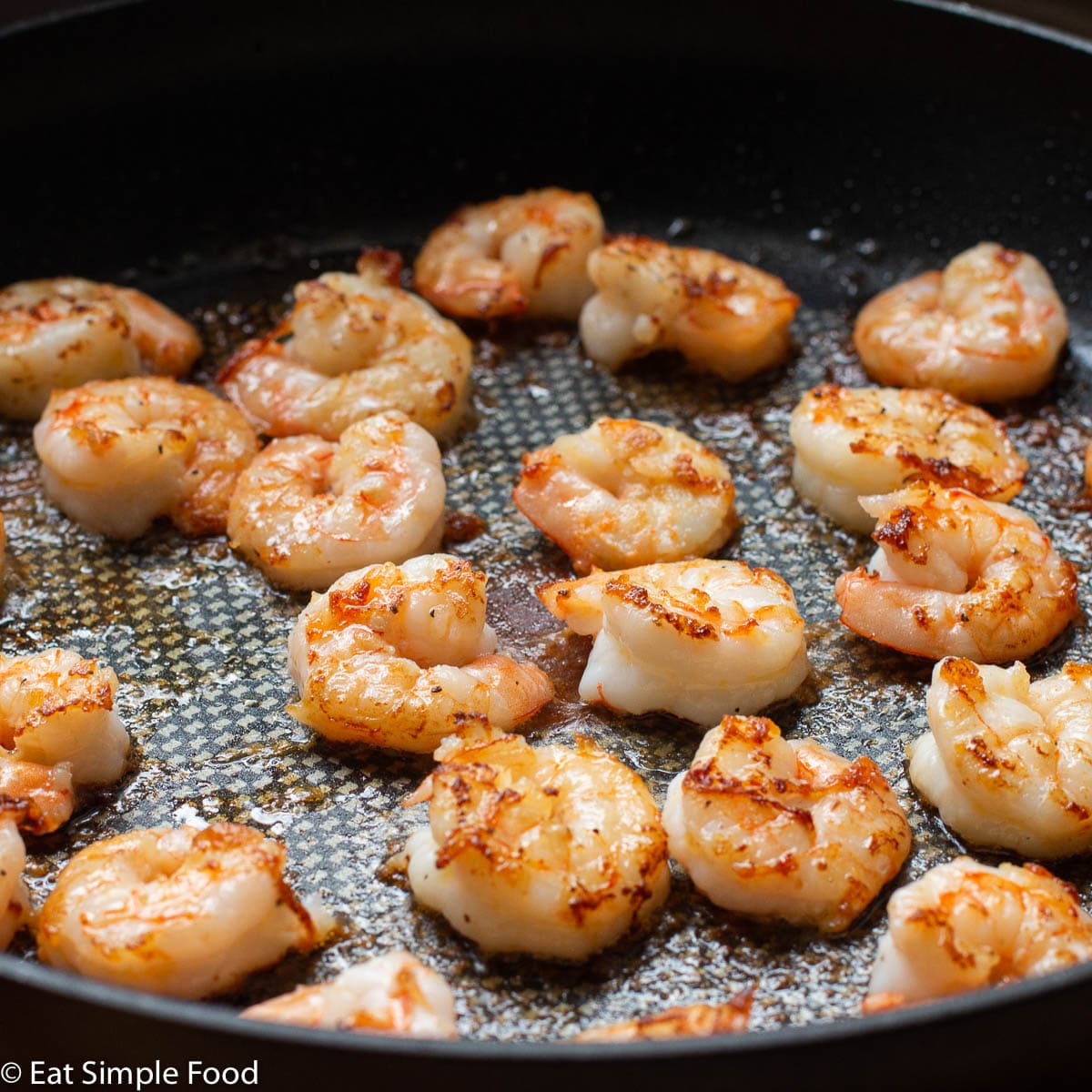
- Cook: Fry shrimp for about 1-2 minutes per side. Shrimp turn pink and curl into a “C” shape when done.
- Flip: Use tongs or a spatula to turn shrimp. Cook other side for another 1-2 minutes.
- Check doneness: Shrimp should be pink, opaque, and slightly firm. If they start to curl tightly into an “O,” they are overcooked.
- Remove: Take shrimp out of the pan immediately. Overcooked shrimp get rubbery fast.
- Serve: Squeeze lemon juice over shrimp for a fresh touch. Serve hot.
Cooking Time
Shrimp cook very quickly. For medium shrimp, total cooking time is usually 3-4 minutes. Large shrimp may need up to 5 minutes.
Common Mistakes And How To Avoid Them
Even experienced cooks sometimes make mistakes when frying shrimp. Here’s what to watch for:
- Overcooking: The most common mistake. Shrimp become tough and rubbery if cooked too long.
- Crowding the pan: Too many shrimp at once cool the pan, making shrimp steam instead of fry.
- Not drying shrimp: Wet shrimp won’t brown well and can cause splattering.
- Using low heat: Shrimp need a hot pan to get a good sear. Low heat makes them limp and pale.
How To Fix Overcooked Shrimp
If you overcook shrimp, try adding them to dishes with sauce. Sauces can help soften the texture. But ideally, fry shrimp for the shortest time possible.
Credit: eatsimplefood.com
Flavor Variations And Serving Ideas
Shrimp can be flavored in many ways and served with different sides. Here are some tasty variations:
- Spicy shrimp: Add a pinch of cayenne pepper or chili flakes.
- Garlic butter shrimp: Toss cooked shrimp in melted butter with minced garlic.
- Asian-style: Use soy sauce, ginger, and sesame oil for seasoning.
- Herb shrimp: Sprinkle chopped parsley or cilantro before serving.
Serving Suggestions
- Over rice or noodles
- With a fresh salad
- In tacos or wraps
- On a seafood platter
Shrimp are low in calories, high in protein, and full of important nutrients like vitamin B12 and selenium. According to the USDA, one serving (3 oz) has about 84 calories, 18 grams of protein, and 0 grams of fat.
Practical Tips For Perfect Pan-fried Shrimp
- Always preheat the pan before adding shrimp.
- Use tongs for easy turning and to avoid piercing shrimp (which lets juice out).
- Don’t skip drying shrimp. This single step improves browning and reduces splatter.
- Taste shrimp before serving to check seasoning.
- If you want extra crispiness, lightly dust shrimp with flour before frying.
Non-obvious Insights
- Shrimp cook from the outside in, so even if the surface is pink, the inside might still be undercooked. Cut one open to check if unsure.
- Adding shrimp to a hot pan and then lowering heat slightly helps prevent burning while keeping a good texture.
Shrimp Nutrition And Benefits
Shrimp are not only tasty but also good for your health. Here’s a nutrition comparison:
| Nutrient | Shrimp (3 oz) | Chicken Breast (3 oz) |
|---|---|---|
| Calories | 84 | 140 |
| Protein (g) | 18 | 26 |
| Fat (g) | 0 | 3 |
| Vitamin B12 (%) | 80% | 3% |
Shrimp is a top seafood choice for a balanced diet. It’s low in fat and high in important minerals.
Safe Handling And Food Safety
Always handle shrimp carefully. Seafood can spoil fast. Here are some safety tips:
- Store shrimp in the coldest part of your fridge. Use within 1-2 days.
- If using frozen shrimp, cook immediately after thawing.
- Wash hands and tools after handling raw shrimp.
- Never leave cooked shrimp at room temperature for more than 2 hours.
For more tips on seafood safety, check the FDA’s seafood safety page.
Frequently Asked Questions
How Can I Tell If Shrimp Are Cooked?
Cooked shrimp turn pink and become opaque. They curl into a “C” shape. If they curl tightly into an “O,” they are overcooked. The texture should be firm but not rubbery.
Can I Fry Shrimp With The Shell On?
Yes, you can fry shrimp with the shell on. It gives extra flavor and protects the shrimp from overcooking. Some people like to peel after cooking, but eating shell-on shrimp is common in some cuisines.
What Is The Best Oil For Frying Shrimp?
The best oil is one with a high smoke point. Canola, vegetable, and light olive oil are good choices. Avoid extra virgin olive oil, as it burns easily and can taste bitter.
How Do I Keep Shrimp From Sticking To The Pan?
Make sure the pan is hot before adding shrimp. Use enough oil and don’t move shrimp too soon. Shrimp release naturally from the pan when they’re ready to flip.
Can I Use Pre-cooked Shrimp For Frying?
You can, but pre-cooked shrimp only need to be heated. Don’t cook them long or they will get tough. Add them at the end just to warm through.
Cooking shrimp in a frying pan is quick, easy, and delicious. With the right shrimp, seasoning, and pan, you can create a meal that’s full of flavor and nutrition. Remember to avoid common mistakes, use high heat, and never overcook.
Try different flavors and serving styles to match your taste. With these tips, you’ll become confident in making perfect pan-fried shrimp anytime.

Hello, This is Annie Walker, a 38-year-old blogger, founder, and editor of Cookware Guider from NY, USA. I am a cookware fanatic and passionate cooker. I love to cook with different types of cooking appliances (example: all types of cookware, rice cookers, slow cookers, etc) almost every day in my kitchen. I love to share my experience with my readers in my blog. Also, I enjoy helping people to solve their problems through my website. You can follow me on Twitter & Pinterest. To know details about my blog please check the about us page.