
Keeping an induction cooktop clean is not just about looks—it’s also about performance and safety. Burnt spots and stubborn stains can affect how well your cooktop works, and if left too long, they can even become permanent. Many people worry about scratching the glass surface or using the wrong products.
But the truth is, cleaning a burnt induction cooktop is straightforward if you know the right steps and tricks. With a little care, you can restore your cooktop to its original shine and keep it working perfectly for years.
This article will guide you through proven methods, common mistakes to avoid, and smart tips for deep cleaning. Whether your induction cooktop has a small burnt spot or a stubborn, baked-on mess, you’ll learn how to tackle it confidently—even if you’ve never cleaned one before.
Let’s explore how to safely and effectively clean a burnt induction cooktop, making it look and work like new.
Understanding Induction Cooktops And Burnt Stains
Before cleaning, it’s helpful to understand how induction cooktops work and why burnt stains appear. Induction cooktops use electromagnetic fields to heat pans directly, not the glass surface itself. The surface remains cooler than traditional stoves, but spills and grease can still get burnt onto the glass if left too long or if the cookware overheats.
Burnt stains are usually caused by:
- Spilled food or liquid that gets trapped under hot cookware
- Sugar, syrup, or sauces that harden when exposed to high heat
- Oil or grease splatters that cook onto the glass
Unlike gas or electric stoves, induction cooktops have a smooth glass-ceramic surface, which is sensitive to scratches and harsh chemicals. That’s why the cleaning process is unique.
Why Proper Cleaning Matters
Ignoring burnt marks can lead to:
- Permanent discoloration of the glass
- Reduced heating efficiency
- Build-up of bacteria or odors
- Voiding the manufacturer’s warranty
Regular cleaning not only keeps your cooktop looking great, but also ensures it functions efficiently and safely. In fact, 62% of induction cooktop issues reported in service centers are due to improper cleaning or maintenance.

Credit: www.reddit.com
Safety First: Preparing To Clean
Before you start, always take these safety steps:
- Turn off and unplug the induction cooktop. Wait until the surface is completely cool to avoid burns.
- Gather your cleaning supplies. You’ll need:
- Soft microfiber cloths or paper towels
- Non-abrasive sponges
- A plastic scraper (never metal)
- White vinegar
- Baking soda
- Dish soap
- A small bowl of warm water
- Optional: Commercial glass cooktop cleaner
- Remove any pots, pans, or utensils from the surface.
Pro tip: Never use steel wool, abrasive pads, or sharp tools. These can scratch or permanently damage the glass.
Step-by-step: How To Clean Burnt Induction Cooktop
Let’s break down the cleaning process into clear steps, so you can tackle even the toughest burnt stains.
Step 1: Wipe Away Loose Debris
First, wipe the entire surface with a dry microfiber cloth to remove any loose crumbs or dust. This prevents scratching during deeper cleaning.
Step 2: Apply A Warm Soapy Solution
Mix a few drops of mild dish soap into a bowl of warm water. Dampen a soft sponge or cloth and gently wipe the burnt area. For light stains, this may be all you need.
- For tougher spots, let the soapy cloth rest on the stain for 5-10 minutes to soften it.
Step 3: Use A Plastic Scraper
If the burnt mark remains, use a plastic scraper at a 45-degree angle to gently lift the residue. Always push the scraper in one direction and never use force. This is especially important for sugar-based stains, which can become very hard.
Step 4: Baking Soda And Vinegar Paste
For stubborn stains, make a paste:
- Mix 2 tablespoons of baking soda with enough water to form a thick paste.
- Spread the paste over the burnt area.
- Spray or drizzle white vinegar over the paste. It will fizz—this helps lift the stain.
- Let it sit for 15-20 minutes.
After waiting, gently scrub with a soft, damp sponge. Wipe away all residue with a clean, damp cloth.
Step 5: Buff With A Glass Cooktop Cleaner (optional)
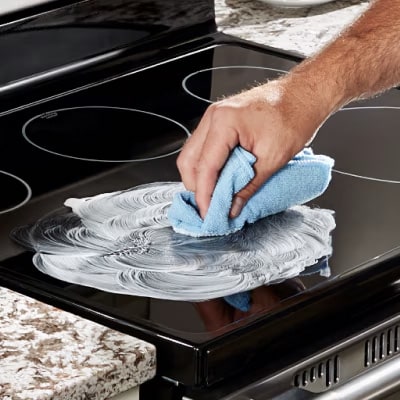
For extra shine, apply a small amount of commercial glass cooktop cleaner. Use a circular motion with a soft cloth to buff the surface. This step also adds a protective layer against future stains.
Step 6: Final Rinse And Dry
Wipe the entire surface with a clean, damp cloth to remove any cleaning residue. Dry with a soft, lint-free cloth to prevent streaks.
Key insight: Many beginners skip drying the surface, but this can leave streaks or water spots. Always finish with a dry cloth.
When To Use Specialized Cleaners
While home remedies work for most burnt stains, some situations may need commercial cleaners. For example, if you have:
- Extremely stubborn, old burnt marks
- Mineral deposits from hard water
- Discoloration that doesn’t respond to baking soda and vinegar
Look for cleaners labeled “induction cooktop safe” or “glass-ceramic cooktop cleaner.” These products are designed to remove tough stains without scratching.
Here’s a quick comparison of common cleaning solutions:
| Cleaner Type | Effectiveness on Burnt Stains | Scratch Risk | Safe for Glass Surface |
|---|---|---|---|
| Baking Soda + Vinegar | High | Low | Yes |
| Commercial Glass Cooktop Cleaner | Very High | Very Low | Yes |
| Magic Eraser (Melamine Sponge) | Medium | Medium | Yes (with care) |
| Steel Wool | Very High | Very High | No |
| Lemon Juice | Low | Very Low | Yes |
Pro tip: Always test a new cleaner on a small, hidden area first.
Common Mistakes To Avoid
Cleaning an induction cooktop is simple, but many people make mistakes that cause damage or don’t solve the problem. Here are key errors to avoid:
- Using abrasive materials: Steel wool, scouring pads, or rough sponges will scratch the glass.
- Applying harsh chemicals: Products like oven cleaner, bleach, or ammonia can etch or dull the surface.
- Scraping with metal tools: Even a butter knife can leave marks that are impossible to fix.
- Cleaning while hot: Sudden temperature changes can crack the glass.
- Letting spills sit: Sugar and sticky sauces can become rock-hard and nearly impossible to remove.
Non-obvious insight: Some “natural” cleaners, like vinegar or lemon juice, are safe only if used with care and rinsed off completely. Leaving acid on the glass can cause dull spots over time.
Deep Cleaning For Heavy Burnt-on Residue
If you’ve tried regular cleaning and stains remain, it’s time for a deep clean. Here’s a proven method:
- Soak a cloth in hot water and dish soap. Lay it over the burnt area for 15-30 minutes. The heat and moisture loosen the residue.
- Scrape gently with a plastic scraper. Remove as much as possible.
- Use a baking soda and vinegar paste. Let it sit again for 15-20 minutes.
- Buff with a commercial cleaner. This helps remove any haze or leftover film.
- Repeat if needed. Some tough stains need several cycles.
Practical tip: For heavy stains, patience is key. Rushing or using force can damage the glass.
How Often Should You Clean?
Regular cleaning is the best way to prevent burnt stains from forming. Here’s a quick guide:
| Type of Cleaning | Frequency | Purpose |
|---|---|---|
| Light Wipe-Down | After Each Use | Remove spills and crumbs |
| Deep Clean | Weekly or As Needed | Eliminate stubborn stains |
| Buff with Glass Cleaner | Monthly | Restore shine and protection |
Preventing Future Burnt Stains
Prevention is easier than cleaning. Follow these tips to keep your induction cooktop spotless:
- Wipe up spills immediately after cooking, before they harden.
- Use proper cookware with smooth, flat bottoms—damaged pans can cause uneven heating and burnt spots.
- Avoid cooking sugary or sticky foods directly on the glass without supervision.
- Don’t slide pans across the surface; lift them to move.
- Check cookware for residue before placing it on the cooktop.
Lesser-known tip: Regularly check the bottom of your pans for burnt-on food. This residue can transfer to the cooktop and create new stains.
Choosing The Right Tools And Products
Not all cleaning tools are safe for induction cooktops. Here’s what works best:
- Microfiber cloths: Soft and absorbent, perfect for everyday cleaning.
- Plastic scrapers: Designed for glass surfaces, they lift burnt residue without scratching.
- Non-abrasive sponges: Gentle on glass but effective against stains.
- Cooktop cleaning creams: Formulated to protect and shine glass-ceramic surfaces.
Avoid products that contain grit, bleach, or ammonia. Always read the label to confirm the cleaner is safe for induction cooktops.
What If The Burnt Stain Won’t Come Off?
Sometimes, even after several cleaning attempts, a stain won’t budge. Here’s what to do:
- Double-check that you’re using a safe, effective cleaner.
- Repeat the soak and paste method several times.
- Try a small amount of cooktop cleaning cream and buff gently.
- As a last resort, contact your cooktop’s manufacturer for advice or consider professional help.
Reality check: Some stains, especially those left for months, may cause permanent discoloration. But most can be removed with patience and the right technique.
Induction Cooktop Care: Dos And Don’ts
To keep your cooktop in top shape, remember these key dos and don’ts:
Dos:
- Do clean up spills as soon as the cooktop cools.
- Do use recommended cleaners and soft tools.
- Do check the manufacturer’s manual for any special instructions.
Don’ts:
- Don’t use sharp or metallic objects to scrape.
- Don’t use abrasive powders or pads.
- Don’t pour cold water on a hot cooktop—this can cause cracks.
Credit: www.reddit.com
Real-world Example
Maria, a busy mom, once left syrup boiling over on her induction cooktop. The spill burned into a thick, dark spot. She tried regular cleaning, but nothing worked. Following the steps in this guide—soaking, applying baking soda and vinegar paste, and using a plastic scraper—she was able to completely remove the stain after two deep cleaning sessions.
Now, she wipes her cooktop after every use and hasn’t had a burnt spot since.
Data: How Long Does Cleaning Take?
Here’s a quick breakdown of typical cleaning times:
| Burnt Stain Severity | Estimated Cleaning Time | Number of Steps Needed |
|---|---|---|
| Light | 5–10 minutes | 1–2 |
| Moderate | 15–25 minutes | 3–4 |
| Heavy/Baked-On | 30–60 minutes | 5+ |
Most burnt stains can be removed in under 30 minutes with the right approach.
Credit: www.kitchenaid.com
Additional Resources
For more details on induction cooktop maintenance and cleaning, check out this helpful guide from the Consumer Reports.
Frequently Asked Questions
How Do I Remove Burnt Sugar From My Induction Cooktop?
Burnt sugar is one of the toughest stains. First, let the cooktop cool. Soak a cloth in hot, soapy water and lay it over the stain for 20 minutes. Use a plastic scraper to gently remove the residue. Apply a baking soda and vinegar paste if needed.
Repeat as necessary, but never use metal tools.
Can I Use Vinegar To Clean My Induction Cooktop?
Yes, white vinegar is safe for cleaning induction cooktops when used properly. It helps dissolve mineral deposits and soften burnt-on residue. Always rinse thoroughly afterward to prevent dull spots.
What Should I Avoid When Cleaning My Induction Cooktop?
Avoid abrasive pads, steel wool, and harsh chemicals like bleach or oven cleaner. These can scratch or damage the glass surface. Also, never clean while the surface is hot or use metal tools to scrape.
How Often Should I Deep Clean My Induction Cooktop?
Deep cleaning is recommended once a week or whenever you notice stubborn stains. Daily wipe-downs after cooking help prevent burnt spots from forming.
Is It Safe To Use A Razor Blade Scraper On Burnt Stains?
Some manufacturers allow using a razor blade scraper specifically designed for glass cooktops. However, it must be used with great care at a low angle to avoid scratching. Always check your cooktop’s manual before trying this method.
—
A clean induction cooktop not only looks beautiful but also works better and lasts longer. By following the steps and tips in this guide, you can remove burnt stains with confidence and prevent future problems. Remember: patience, the right tools, and regular care are the secrets to a spotless, efficient induction cooktop.

Hello, This is Annie Walker, a 38-year-old blogger, founder, and editor of Cookware Guider from NY, USA. I am a cookware fanatic and passionate cooker. I love to cook with different types of cooking appliances (example: all types of cookware, rice cookers, slow cookers, etc) almost every day in my kitchen. I love to share my experience with my readers in my blog. Also, I enjoy helping people to solve their problems through my website. You can follow me on Twitter & Pinterest. To know details about my blog please check the about us page.