
Replacing an electric cooktop with an induction model is a smart upgrade for many kitchens. Induction cooktops are fast, energy-efficient, and safer than traditional electric options. But the process can feel confusing if you’ve never tackled it before. This guide will show you how to switch from electric to induction step by step, with clear advice and practical insights.
Why Choose Induction Over Electric?
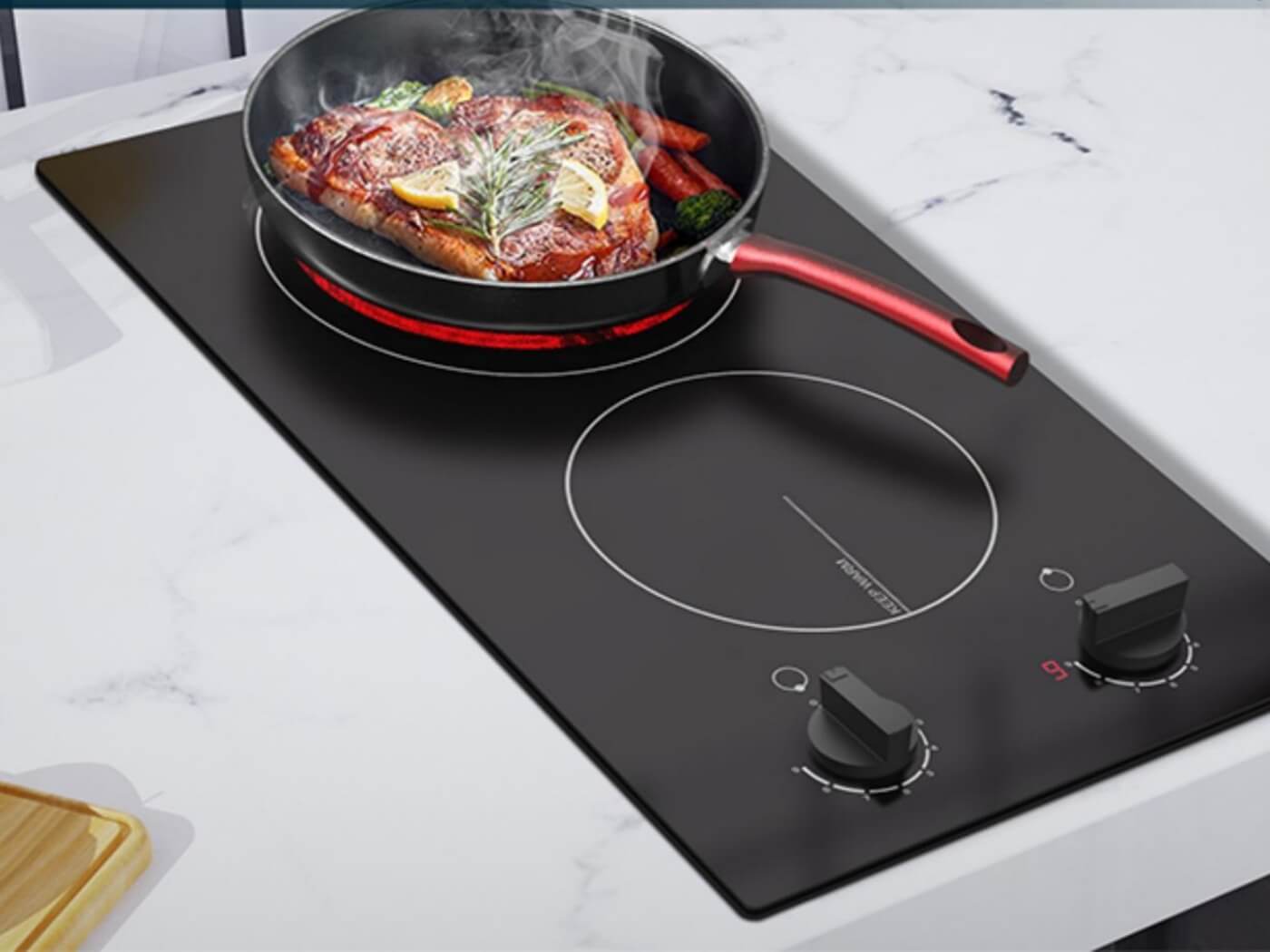
Induction cooktops use electromagnetic technology to heat pans directly. This method is faster than electric coils and much more efficient. With induction, the surface stays cool to the touch, reducing burns and accidents. Induction cooktops also let you control the temperature more accurately, making cooking easier.
According to the U.S. Department of Energy, induction cooktops convert about 85–90% of energy to heat, while electric cooktops are closer to 65–70%. You save on energy bills and enjoy faster boiling times. Many chefs now prefer induction for its responsiveness and precision.
Checking Compatibility Before You Start
Before you remove your old cooktop, check a few things:
- Counter Cutout Size: Most cooktops fit standard sizes, but measure your old unit and compare with the new induction model’s specs.
- Electrical Requirements: Induction cooktops often need a similar power supply as electric ones—usually a 240V connection. Check the amperage; induction may require 40–50 amps, while older electric units sometimes use less.
- Cookware: Induction only works with pans made of magnetic materials like stainless steel or cast iron. Test with a magnet: if it sticks, the pan will work.
If your cookware or wiring isn’t compatible, you’ll need to upgrade before installation.
Tools And Materials Needed
Gather these supplies to make the job easier:
- Screwdriver set (Phillips and flat)
- Adjustable wrench
- Wire stripper and electrical tape
- Voltage tester
- Measuring tape
- Level
- Safety gloves
- New induction cooktop
- Compatible cookware (if needed)
If your electrical system needs upgrading, you may need extra materials or professional help.
Removing The Old Electric Cooktop
Most electric cooktops are drop-in models. Here’s a safe way to remove yours:
- Turn Off Power: Find your kitchen circuit breaker and switch it off. Use a voltage tester to confirm the cooktop is not receiving power.
- Remove Trim and Screws: Electric cooktops often have trim pieces holding them in place. Unscrew these carefully.
- Lift Out Cooktop: Gently lift the unit from the counter. You may need help if it’s heavy.
- Disconnect Wiring: Open the junction box and disconnect the wires. Note their colors and positions for later.
Avoid pulling on wires directly—damage can cause safety issues.

Credit: www.youtube.com
Comparing Electric And Induction Cooktops
Understanding the differences helps with planning. Here is a comparison:
| Feature | Electric Cooktop | Induction Cooktop |
|---|---|---|
| Heating Speed | Slower | Much Faster |
| Energy Efficiency | Moderate | High |
| Surface Temperature | Gets Hot | Stays Cool |
| Cookware Requirement | Any Type | Magnetic Only |
| Safety | Average | Excellent |
Preparing For Induction Installation
Before installing the new unit:
- Check Countertop Cutout: Induction cooktops require a snug fit. If the opening is too small, carefully enlarge it. If it’s too big, you may need a filler kit.
- Inspect Wiring: Look for frayed or damaged wires. Replace if needed.
- Confirm Power Supply: Induction cooktops often draw more amps. Check your circuit breaker label and wiring gauge. If unsure, call a licensed electrician.
Some older homes don’t have the correct wiring. Upgrading is necessary for safety and performance.
Installing The Induction Cooktop
Follow these steps for a smooth installation:
- Align Cooktop: Place the induction unit into the cutout. Use a level to ensure it sits flat.
- Connect Wires: Match color-coded wires from the cooktop to the junction box—typically black (hot), red (hot), and green (ground). Twist wires together and secure with wire nuts.
- Secure Cooktop: Attach mounting brackets or screws as directed by the manufacturer.
- Check Connections: Inspect all connections for tightness and correct placement.
- Restore Power: Switch the circuit breaker back on. Test the cooktop to make sure it powers up.
Always follow the manufacturer’s installation guide. If you’re unsure about wiring, hire a professional.
Induction Cooktop Power And Circuit Requirements
Induction cooktops typically require a 240V supply and a dedicated circuit. Here’s a quick comparison of typical requirements:
| Cooktop Type | Voltage | Amperage | Dedicated Circuit |
|---|---|---|---|
| Electric Cooktop | 240V | 30–40A | Recommended |
| Induction Cooktop | 240V | 40–50A | Required |
If your circuit isn’t strong enough, the cooktop may not function properly. Upgrading the breaker and wiring is a job for an electrician.
Testing And Troubleshooting
After installation, run these tests:
- Power On: Does the cooktop turn on smoothly?
- Cookware Detection: Place a magnetic pan on the surface. Induction cooktops only heat when compatible cookware is present.
- Heating Performance: Boil water or fry an egg to check heating speed.
- Error Codes: If the cooktop displays an error, check the manual for troubleshooting.
A common mistake is not using the right cookware—induction won’t work with aluminum or copper pans. Another is miswiring connections, which can cause the unit to fail or trip breakers.
Practical Tips For A Successful Swap
Switching from electric to induction is easier if you plan ahead. Consider these tips:
- Keep Manuals Handy: Both your old cooktop and the new one’s manuals help with wiring and measurements.
- Double-Check Measurements: Induction cooktops sometimes have larger control panels, requiring more space.
- Upgrade Cookware Slowly: You don’t need to buy a full new set at once. Replace pans over time as needed.
- Monitor Power Usage: Induction can draw more power, so avoid running other high-powered appliances on the same circuit.
Many beginners forget to check the counter depth—if your new cooktop is deeper, drawers or cabinets below may need modification.
Cost And Time Estimates
Replacing an electric cooktop with an induction model is not just about buying a new appliance. Here’s what to expect:
- Cooktop Price: Induction cooktops range from $700–$2,000 depending on features and brands.
- Installation Costs: If you hire an electrician, expect $150–$400 for labor, especially if wiring needs upgrades.
- Cookware: Magnetic pans can cost $20–$100 each.
- Time Required: DIY installation takes about 2–4 hours. Professional jobs may be quicker.
Induction cooktops offer long-term savings on energy bills, often reducing costs by 10–20% compared to electric.
Common Mistakes To Avoid
Many people make errors during the swap:
- Ignoring Electrical Upgrades: Induction cooktops need strong wiring. Old systems can cause failures or fire risks.
- Wrong Cookware: Only magnetic pans work. Test your pots before use.
- Incorrect Measurements: Not checking the counter cutout leads to installation delays.
- Skipping Professional Help: If you’re not confident with wiring, always hire a licensed electrician.
Don’t rush. Careful planning prevents most problems.
Credit: karinearappliances.com
How Induction Improves Cooking
Induction technology has changed home cooking in several ways:
- Precise Temperature Control: Adjust heat instantly—great for sauces and delicate foods.
- Faster Cooking Times: Water boils up to 50% faster than on electric.
- Easy Cleaning: Spills don’t burn onto the surface, so cleanup is simple.
- Safety: The cooktop shuts off automatically when no pan is present, reducing accidents.
Many users find induction makes meal prep smoother and more enjoyable.
Comparing Brands And Features
Choosing the right induction cooktop is important. Here is a sample comparison of popular models:
| Brand | Price | Power Levels | Warranty |
|---|---|---|---|
| Bosch | $1,600 | 17 | 1 Year |
| Samsung | $1,200 | 15 | 1 Year |
| GE | $900 | 11 | 2 Years |
Look for features like child locks, auto shutoff, and bridge burners for flexible cooking.

Credit: camplux.com
Safety Considerations
Induction cooktops are safer than electric, but follow these precautions:
- Always turn off power before installation.
- Use proper wire connectors and electrical tape.
- Check for voltage leaks with a tester.
- Keep manuals for troubleshooting.
- Don’t operate with wet hands—risk of shock.
If you’re unsure about any part of the process, seek professional help. Safety should always come first.
Aftercare And Maintenance
Once your induction cooktop is installed:
- Clean regularly: Use a soft cloth and gentle cleaner.
- Avoid harsh chemicals: They can damage the glass surface.
- Check for scratches: Don’t slide heavy pans across the surface.
- Inspect wiring annually: Loose connections can cause problems.
Induction cooktops are durable, but proper care extends their lifespan.
Frequently Asked Questions
How Do I Know If My Cookware Will Work With Induction?
If a magnet sticks to the bottom, it’s compatible. Stainless steel and cast iron work best, while aluminum and copper usually don’t.
Is It Safe To Install An Induction Cooktop Myself?
If you have basic electrical knowledge, DIY is possible. For wiring upgrades or uncertainty, hiring an electrician is safer.
Does Induction Cooking Reduce Energy Bills?
Yes. Induction is 15–20% more efficient than electric, so most users see lower energy costs.
Can I Use The Same Circuit As My Old Electric Cooktop?
Usually, yes—if the circuit is 40–50 amps and wiring is in good condition. Check with a professional if you’re unsure.
Where Can I Find Reliable Information About Induction Cooktops?
Visit the Wikipedia page on induction cooking for detailed background and technical details.
Switching from electric to induction is a smart move for modern kitchens. You’ll enjoy faster cooking, improved safety, and lower energy use. With careful planning and the right tools, the upgrade is straightforward. Take your time, check compatibility, and ask for professional help if needed.
Induction technology is ready to make your kitchen more efficient and enjoyable.

Hello, This is Annie Walker, a 38-year-old blogger, founder, and editor of Cookware Guider from NY, USA. I am a cookware fanatic and passionate cooker. I love to cook with different types of cooking appliances (example: all types of cookware, rice cookers, slow cookers, etc) almost every day in my kitchen. I love to share my experience with my readers in my blog. Also, I enjoy helping people to solve their problems through my website. You can follow me on Twitter & Pinterest. To know details about my blog please check the about us page.