
Cleaning an electric cooktop may seem simple, but doing it right can extend the life of your appliance and keep your kitchen looking fresh. Many people only wipe the surface, missing hidden grime or using the wrong products. With the right approach, you can remove tough stains, avoid scratches, and keep your cooktop working well for years.
In this guide, you’ll learn step-by-step how to clean an electric cooktop, which products to use, what mistakes to avoid, and tips for tackling stubborn messes.
Understanding Your Electric Cooktop
Before you start cleaning, it’s important to know what type of electric cooktop you have. Most electric cooktops fall into two main categories: coil burner and smooth glass/ceramic top. Each needs a different cleaning method.
| Cooktop Type | Main Features | Cleaning Challenge |
|---|---|---|
| Coil Burner | Metal coils, drip pans underneath | Food spills under coils, stubborn stains on drip pans |
| Smooth Glass/Ceramic | Flat surface, touch controls | Scratches, burnt-on stains |
Knowing your cooktop’s material helps you pick the safest cleaning products and tools. For example, glass tops need gentle cleaners, while coil burners can handle tougher scrubbing.
Safety First: Preparing To Clean
Always start by turning off the cooktop and letting it cool completely. Cleaning a hot surface can lead to burns or damage. Unplug coil burners if possible. Gather your cleaning tools:
- Soft cloths or sponges
- Microfiber towels
- Non-abrasive cleaner
- Razor scraper (for glass tops)
- Baking soda
- White vinegar
- Dish soap
- Toothbrush (for small spaces)
- Gloves (optional for sensitive skin)
Check your cooktop’s manual for any cleaning warnings. Manufacturers often recommend specific products or advise against certain chemicals.
Credit: care-med.ca
Step-by-step Cleaning: Smooth Glass And Ceramic Cooktops
Glass and ceramic cooktops need gentle care. Scratches and stains can ruin their look and affect performance. Here’s a detailed routine:
Daily Cleaning
Wipe the surface with a damp microfiber cloth after each use. For light spills, use warm water and a little dish soap. Dry with a clean towel to avoid water spots.
Deep Cleaning Routine
- Sprinkle baking soda evenly over the surface.
- Spray or pour a small amount of white vinegar. The mixture will fizz, lifting grime.
- Lay a damp cloth over the area and let it sit for 15 minutes.
- Gently wipe away the mixture. For stubborn stains, use a razor scraper held flat—never angle it, or you’ll scratch the glass.
- Rinse with water and dry with a microfiber towel.
Tackling Burnt-on Stains
If stains persist, repeat the baking soda and vinegar method. Avoid heavy scrubbing, which can scratch the surface. Most stains loosen after two or three rounds.
Polishing
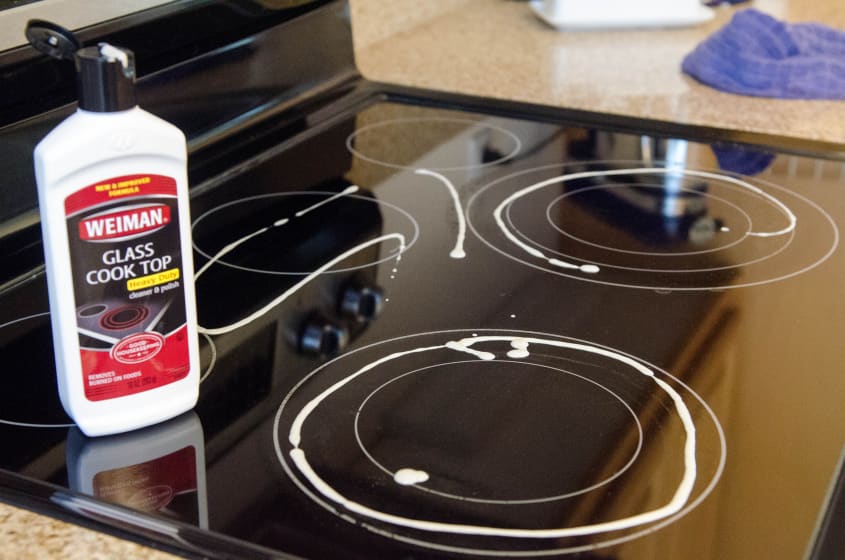
To finish, use a cooktop polish or glass cleaner. This step adds shine and a protective layer. Never use abrasive powders or steel wool.
Cleaning Coil Burner Electric Cooktops
Coil burners need a different approach because food often falls under the coils and collects on drip pans.
Removing Coils And Drip Pans
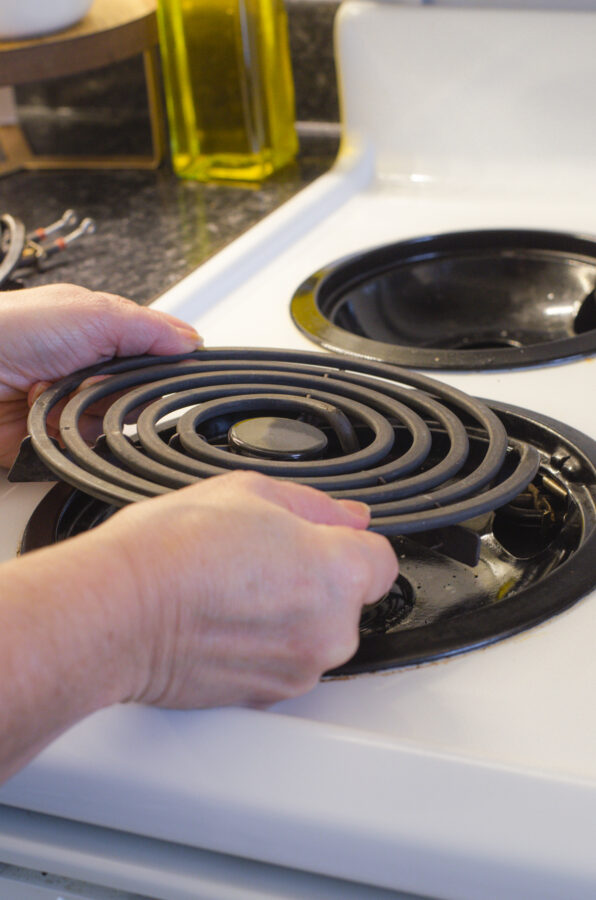
- Make sure coils are cool and unplugged.
- Lift coils gently and set aside.
- Remove drip pans.
Cleaning Drip Pans
- Soak drip pans in hot, soapy water for 20–30 minutes.
- Scrub with a sponge or old toothbrush.
- For tough stains, make a paste of baking soda and water. Apply and let sit, then scrub.
- Rinse and dry fully before reassembling.
Cleaning The Surface
Wipe the cooktop base with a damp cloth. For sticky messes, use a mild cleaner or vinegar. Avoid letting water drip into electrical parts.
Cleaning Coils
Coils rarely need cleaning. If necessary, wipe with a damp cloth—never submerge them in water. Dry fully before plugging back.
Which Cleaning Products Are Safe?
Not all cleaning products are safe for electric cooktops. Using the wrong cleaner can cause discoloration, scratches, or even damage.
| Product | Safe For Glass/Ceramic? | Safe For Coil Burner? | Notes |
|---|---|---|---|
| Baking Soda | Yes | Yes | Good for mild scrubbing |
| White Vinegar | Yes | Yes | Removes stains, deodorizes |
| Glass Cleaner | Yes | No | Polishes glass tops |
| Abrasive Powder | No | Yes (drip pans only) | Can scratch glass |
| Steel Wool | No | Yes (drip pans only) | Too harsh for glass |
Always check product labels. If you’re unsure, test a small area first.
Common Mistakes To Avoid
Many people damage their cooktop by making simple mistakes. Here are some to watch out for:
- Using abrasive tools like steel wool on glass/ceramic.
- Letting water seep into electrical parts under coil burners.
- Applying harsh chemicals, such as bleach or oven cleaner, directly to the cooktop.
- Scraping with metal tools at an angle—this can leave deep scratches.
- Not drying surfaces fully, which leads to streaks and water spots.
- Ignoring burnt-on stains, making them harder to remove later.
If you avoid these, your cooktop will stay in good shape and work better.
How Often Should You Clean?
Regular cleaning prevents buildup and keeps your cooktop working safely. Here’s a simple guide:
- Daily: Wipe spills after every use
- Weekly: Deep clean (remove stains, polish)
- Monthly: For coil burners, clean drip pans and check for hidden grime
Busy kitchens may need more frequent cleaning. If you cook often, check for stains and crumbs after each meal.
Tips For Tough Stains And Odors
Sometimes, regular cleaning isn’t enough. Here are extra tips for stubborn messes:
- For burnt-on sugar or plastic, use a razor scraper held flat. Heat the area gently with a warm cloth before scraping.
- To remove lingering odors, wipe with vinegar and let the surface air dry.
- If you spill tomato sauce or curry, clean immediately—these stains can discolor glass.
- For mineral deposits, rub gently with a paste of baking soda and water.
One non-obvious tip: If you have hard water, mineral stains are more likely. Drying your cooktop with a microfiber towel after every cleaning helps prevent this.
Keeping Your Cooktop Looking New
Small daily habits make a big difference. Use pots with smooth bottoms to avoid scratches. Don’t slide cookware across the surface. For glass tops, always lift pots. If you spill, clean up quickly to prevent stains from setting.
If you want your cooktop to shine, finish each cleaning with a polish or a light mist of glass cleaner. This not only looks good but makes future cleaning easier.
Comparing Electric Cooktop Cleaning To Other Appliances
Electric cooktops are easier to clean than gas ranges but need more care than induction cooktops. Here’s a quick comparison:
| Appliance | Cleaning Difficulty | Common Issues | Best Cleaning Tool |
|---|---|---|---|
| Electric Cooktop | Medium | Scratches, burnt-on stains | Baking soda, microfiber cloth |
| Gas Range | Hard | Grease, food under grates | Degreaser, sponge |
| Induction Cooktop | Easy | Water spots | Soft cloth, glass cleaner |
Electric cooktops strike a balance between easy cleaning and careful maintenance. The main challenge is avoiding scratches and removing burnt-on food.
Credit: www.reddit.com
What If You Have Special Cooktop Features?
Some electric cooktops have features like touch controls or digital displays. Clean these with a soft, dry cloth. Never use wet sponges or spray cleaner directly on electronics. If your cooktop is black or colored glass, check the manual for recommended cleaners, as some products can dull the finish.
Eco-friendly Cleaning Options
If you prefer natural cleaning, baking soda and vinegar are safe and effective for most cooktops. Microfiber cloths can clean with just water. This approach is good for people with allergies or sensitive skin, and it reduces chemical residue.
One insight: Using reusable cleaning pads instead of paper towels saves money and reduces waste. Wash them regularly to keep them effective.
Professional Cleaning Services
If your cooktop is heavily stained or damaged, professional cleaners can help. They use specialized products and techniques to restore surfaces. However, most homes can keep cooktops clean with regular care and a little patience.
If you want to learn more about appliance cleaning standards, visit Consumer Reports for practical advice.
Frequently Asked Questions
What Is The Best Cleaner For A Glass Electric Cooktop?
The safest option is baking soda and vinegar. For a polished finish, use a commercial glass cooktop cleaner. Avoid abrasive powders and pads, which can scratch the surface.
Can I Use Bleach Or Oven Cleaner On My Cooktop?
No. Bleach and oven cleaner are too harsh and can damage the cooktop’s finish. Stick to mild cleaners like dish soap, vinegar, or specialized cooktop cleaners.
How Do I Remove Melted Plastic From My Cooktop?
Let the cooktop cool completely. Use a razor scraper held flat to gently lift the plastic. Avoid scraping at an angle. Finish by wiping with a damp cloth.
Should I Clean The Coils On A Coil Burner Cooktop?
Coils rarely need cleaning. If they get dirty, wipe with a damp cloth only. Never submerge coils in water, as this can damage them.
Is It Safe To Use A Magic Eraser On My Electric Cooktop?
Magic erasers are mildly abrasive. They are usually safe for glass tops if used gently, but always test a small area first. Don’t use them on colored or textured surfaces without checking the manual.
Keeping your electric cooktop clean is simple if you know the right steps. Regular care prevents stains and damage, so your kitchen stays bright and welcoming. With these tips, you’ll enjoy a sparkling cooktop and a safer cooking environment every day.
Credit: www.thekitchn.com

Hello, This is Annie Walker, a 38-year-old blogger, founder, and editor of Cookware Guider from NY, USA. I am a cookware fanatic and passionate cooker. I love to cook with different types of cooking appliances (example: all types of cookware, rice cookers, slow cookers, etc) almost every day in my kitchen. I love to share my experience with my readers in my blog. Also, I enjoy helping people to solve their problems through my website. You can follow me on Twitter & Pinterest. To know details about my blog please check the about us page.