
Slicing onions is a basic kitchen task, yet it often feels messy, time-consuming, and even painful. Many home cooks struggle with tears, uneven slices, and wasted time. But with a Cuisinart food processor, you can slice onions quickly, safely, and perfectly every time. This guide will show you exactly how to slice onions using your Cuisinart, including setup, safety, troubleshooting, and practical tips. Whether you are a beginner or have some experience, you’ll learn new ways to make this process easier and smarter.
Why Use A Cuisinart Food Processor For Slicing Onions?
Most people use a knife to slice onions. However, knives require skill, patience, and often lead to inconsistent slices. The food processor solves these problems by offering:
- Speed: Slice multiple onions in seconds.
- Consistency: Every slice is the same thickness.
- Safety: Less risk of cutting yourself.
- Less irritation: No direct contact means fewer tears.
In fact, a Cuisinart food processor can slice up to three pounds of onions in under five minutes. This is especially helpful for meal prep, large families, or when cooking for events.
Understanding Your Cuisinart Food Processor
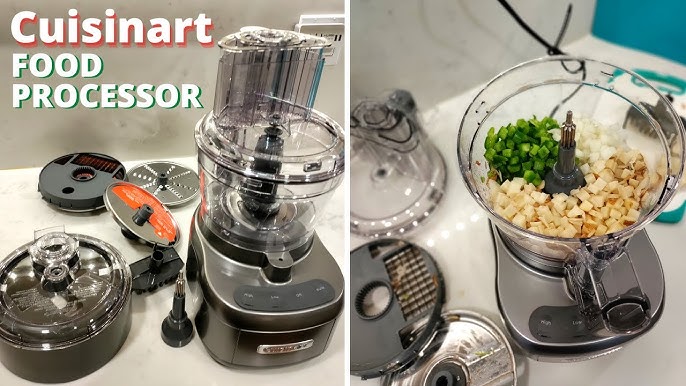
Before you start slicing, it’s important to know the parts of your food processor. Most Cuisinart models include:
- Base/Motor: The power source.
- Work Bowl: Where the onions go.
- Lid and Feed Tube: Keeps onions contained.
- Slicing Disk: The attachment that does the actual slicing.
- Pusher: Helps guide onions safely into the blade.
Popular Cuisinart Models For Onion Slicing
Different models offer unique features. Here’s a quick comparison:
| Model | Capacity | Best For | Slicing Disk Options |
|---|---|---|---|
| DLC-8S Pro | 11 cups | Families, batch cooking | 2mm, 4mm, adjustable |
| FP-14DCN Elite | 14 cups | Large batches | Adjustable (1–6mm) |
| Mini Prep Plus | 3 cups | Small kitchens, single servings | Fixed slicing blade |
If you plan to slice onions regularly, choose a model with adjustable slicing disks. This allows you to select the exact thickness you want.
Preparing Onions For Slicing
Proper preparation makes slicing easier and safer.
- Choose fresh onions: Avoid onions that are soft or have mold.
- Peel the onions: Remove the outer skin and any damaged layers.
- Trim the ends: Cut off both the root and stem.
- Cut onions in half: This makes them fit better in the feed tube and ensures even slices.
- Dry the onions: Pat them dry with a paper towel. Wet onions can slip and lead to uneven slices.
An extra tip: If your onions are too large, cut them into quarters. This prevents jamming and gives you cleaner slices.
Setting Up The Cuisinart For Onion Slicing
Many beginners miss important steps when setting up their food processor. Here’s how to do it right:
Step-by-step Setup
- Assemble the base and bowl: Make sure the bowl locks into place.
- Insert the slicing disk: Place the disk on the spindle inside the bowl. Check that it sits flat and clicks into position.
- Attach the lid: Secure the lid tightly. The processor will not work if the lid isn’t locked.
- Select thickness: If your model has an adjustable disk, set your desired thickness (most recipes use 2–4mm).
- Check safety features: Many Cuisinart processors have a safety interlock system. If the lid or bowl is not properly set, the motor won’t start.
Common Setup Mistakes
- Not locking the bowl and lid: The processor will not run.
- Using the wrong disk: Only use the slicing disk for this task.
- Overfilling the bowl: Causes uneven slices and possible jams.
Slicing Onions In The Food Processor
Now that your Cuisinart is ready, it’s time to slice.
Slicing Process
- Load onions into the feed tube: Arrange them so the flat cut side faces the disk. This gives the most uniform slices.
- Insert the pusher: Use the pusher to hold onions in place and guide them safely.
- Turn on the processor: Use the pulse or continuous mode, depending on your model.
- Push gently: Apply steady, gentle pressure. Avoid forcing onions, which can cause jams or uneven slices.
- Collect slices: Once finished, remove the lid and collect the sliced onions from the bowl.
Here’s a quick data table showing how fast different models can slice onions:
| Model | Onions Sliced (per minute) | Slice Thickness (mm) |
|---|---|---|
| DLC-8S Pro | 6–8 | 2, 4, adjustable |
| FP-14DCN Elite | 10–12 | 1–6 adjustable |
| Mini Prep Plus | 2–3 | Fixed |
Practical Example
Let’s say you want to slice onions for a salad. Select 2mm thickness for thin, crisp slices. For French onion soup, you may prefer 4mm for a thicker, softer texture.
Troubleshooting Common Problems
Even with a good setup, issues can happen. Here’s how to solve them:
Onion Slices Are Uneven
- Possible cause: Onions not placed flat in the feed tube.
- Fix: Always position the cut side down.
Processor Won’t Start
- Possible cause: Bowl or lid not locked.
- Fix: Check all connections; listen for the click.
Onions Jam Or Get Stuck
- Possible cause: Overfilling the feed tube, or onions too big.
- Fix: Slice onions into smaller pieces; never force them.
Too Many Tears
- Possible cause: Strong onion fumes escaping.
- Fix: Slice onions straight from the refrigerator; cool onions produce fewer fumes.
Slices Are Too Thick Or Thin
- Possible cause: Wrong disk setting.
- Fix: Adjust the slicing disk to your preferred thickness.
These troubleshooting tips can save time and reduce frustration.
Cleaning Up After Slicing
After you slice onions, cleaning your food processor is important. Onion residue can leave strong odors and affect the taste of future recipes.
Cleaning Steps
- Unplug the processor: Safety first.
- Remove the bowl, lid, and disk: Separate all pieces.
- Wash immediately: Rinse parts under warm water. Use mild soap and a soft sponge.
- Soak slicing disk: Onions can stick to the disk. Soak for 2–3 minutes if needed.
- Dry thoroughly: Prevents rust and odors.
A practical tip: To remove onion smell, rub parts with a little lemon juice before rinsing.
Maximizing Your Onion Slicing Results
Getting perfect onion slices is about more than just the machine. Here are some advanced tips:
- Chill onions: Cold onions are firmer, making slicing easier.
- Use the right disk: For salads, use thinner slices; for stews, thicker slices work better.
- Don’t overload: Slicing too many onions at once leads to jams.
- Alternate direction: For extra-crisp slices, rotate onion halves after each batch.
These tips help you customize your slices for every recipe.
When Should You Slice Onions By Hand Instead?
While a Cuisinart is efficient, there are times when hand slicing is better:
- Very small batches: If you only need a few slices.
- Decorative cuts: For garnishes or presentation.
- Precision: Sometimes recipes need exact thickness or shapes.
However, for most daily cooking, the food processor is faster and safer.
Comparing Food Processor Slicing To Hand Slicing
Is the food processor always better? Let’s look at a comparison.
| Method | Speed | Consistency | Safety | Best For |
|---|---|---|---|---|
| Food Processor | High | Excellent | Safer | Batch slicing |
| Knife | Medium | Variable | Risky | Small amounts, precise cuts |
Most home cooks find that once they use a food processor, they rarely go back to hand slicing for large batches.
Tips For Getting The Best Onion Slices
- Select onions of similar size: This ensures even slices.
- Keep onions cold: Reduces tears and makes slicing smoother.
- Dry onions before slicing: Water causes slipping.
- Don’t rush: Gentle pressure gives cleaner slices.
- Clean disk regularly: Onion residue can dull the blade and reduce quality.
Many beginners forget to dry onions, leading to slippery slices. Another non-obvious tip: When slicing red onions, use the thinnest setting for salads; thicker for roasting.
Using Sliced Onions In Cooking
Once you have your sliced onions, you can use them in many ways:
- Salads: Thin, crisp slices add flavor.
- Soups and stews: Thicker slices hold up during long cooking.
- Sandwiches: Even slices make for better texture.
- Stir fries: Consistent slices cook at the same rate.
A practical example: For French onion soup, slice onions at 4mm thickness and caramelize slowly for best results.
Safety Considerations
Food processors are safer than knives, but there are still risks.
- Never reach into the bowl while the processor is running.
- Always unplug before removing the disk or bowl.
- Use the pusher: Never push onions with your fingers.
- Store disks safely: Blades are sharp and can cause injury.
If you have children in the kitchen, keep all parts out of their reach. Some models have child locks for extra safety.
Advanced Slicing Techniques
For cooks who want to go further, here are some advanced ideas:
- Layered slicing: Alternate onion halves for a mix of thick and thin slices.
- Combine with other vegetables: Carrots, bell peppers, and celery can be sliced together for soups or stir fries.
- Batch processing: Slice onions, then freeze portions for future use.
Batch processing is a big time-saver. Slice onions, spread them on a tray, freeze, and then store in zip bags. This way, you always have sliced onions ready.
Credit: www.youtube.com
Maintenance Tips For Your Cuisinart
Keeping your food processor in good shape will ensure it lasts longer and works better.
- Regular cleaning: Prevents odor and blade dulling.
- Check disks for wear: Dull disks mean uneven slices.
- Lubricate moving parts: Some models require oiling.
- Store disks separately: Prevents damage.
A beginner mistake is storing disks inside the bowl; this can scratch both and reduce performance.
Selecting The Best Slicing Disk
Not all slicing disks are equal. Here’s how to pick the right one:
- Adjustable disks: Offer flexibility for different recipes.
- Standard 2mm disk: Best for salads and sandwiches.
- 4mm disk: Good for soups and roasting.
- Specialty disks: Some models offer ripple or crinkle cuts.
If you want to expand your food processor’s use, consider buying extra disks. This can help with slicing other vegetables, not just onions.
:max_bytes(150000):strip_icc()/faw-cuisinart-custom-14-cup-food-processor-nsimpson-3600-074d3963219b4f5081c4b93d907efad4.jpeg)
Credit: www.foodandwine.com
Troubleshooting Odors And Residue
Onions leave a strong smell. Here’s how to manage it:
- Clean immediately: Waiting allows odors to set.
- Use lemon juice or baking soda: Both are effective at removing smell.
- Dry thoroughly: Prevents mold and smells.
Sometimes, even after cleaning, odors linger. In that case, soak parts in a water-vinegar mixture for 30 minutes.
Real-world Data: Food Processor Usage
According to a consumer survey by the Consumer Reports, over 60% of food processor owners use their machines for slicing vegetables, with onions being the most common. The average user saves 20–30 minutes per week in prep time. This shows how valuable a food processor can be in daily cooking.
For more technical details about food processors, visit Wikipedia.
Credit: www.epicurious.com
Frequently Asked Questions
What Thickness Should I Use For Sliced Onions?
Most recipes call for 2mm slices for salads and sandwiches, and 4mm slices for soups and roasting. Adjustable disks allow you to choose the best thickness for your recipe.
How Do I Prevent Onion Tears When Using A Food Processor?
Keep onions cold in the fridge before slicing. The processor keeps your hands away from fumes, which also reduces tears. If you are extra sensitive, use a fan or slice onions under running water.
Can I Slice Other Vegetables With The Same Disk?
Yes, the slicing disk works for carrots, potatoes, celery, and more. Always check the thickness setting and prepare vegetables as you would onions.
What Should I Do If Onions Jam In The Feed Tube?
Stop the processor, unplug it, and remove jammed onions. Cut onions into smaller pieces and avoid overfilling the feed tube. Always use the pusher, never your fingers.
How Do I Clean The Slicing Disk After Slicing Onions?
Wash immediately with warm water and soap. For stuck-on onion, soak the disk for a few minutes. Lemon juice or baking soda helps remove odor and residue.
Slicing onions in a Cuisinart food processor is simple, fast, and reliable. With the right preparation, setup, and disk selection, you can achieve perfect slices every time. These methods save time, reduce risk, and improve your cooking. Whether you are preparing a quick meal or cooking for a crowd, using your Cuisinart will make onion slicing a breeze. Try these tips, and see how much easier your kitchen work becomes.

Hello, This is Annie Walker, a 38-year-old blogger, founder, and editor of Cookware Guider from NY, USA. I am a cookware fanatic and passionate cooker. I love to cook with different types of cooking appliances (example: all types of cookware, rice cookers, slow cookers, etc) almost every day in my kitchen. I love to share my experience with my readers in my blog. Also, I enjoy helping people to solve their problems through my website. You can follow me on Twitter & Pinterest. To know details about my blog please check the about us page.