
Slicing mushrooms quickly and evenly can make cooking more enjoyable and efficient. Many home cooks struggle with slicing mushrooms by hand, which often leads to uneven pieces and wasted time. If you’ve ever tried to slice mushrooms for a stir-fry, salad, or pizza, you know it can be tedious. Luckily, using a food processor can solve these problems. It speeds up mushroom slicing, saves effort, and produces uniform slices that look great and cook evenly. But to get perfect slices, you need the right setup and technique—otherwise, mushrooms can end up crushed or shredded. In this guide, you’ll learn everything about how to slice mushrooms in a food processor. You’ll discover the best equipment, step-by-step methods, safety tips, and practical advice to get professional results at home.
Why Use A Food Processor For Slicing Mushrooms?
Many people wonder if a food processor is worth using for mushrooms. The answer is yes, for several reasons:
- Speed: Slicing mushrooms by hand takes time, especially for large quantities. A food processor can slice a whole batch in less than a minute.
- Uniformity: Even slices help mushrooms cook evenly. Hand-sliced mushrooms often vary in thickness, but a food processor gives consistent results.
- Safety: With sharp blades and controlled movement, a food processor reduces the risk of cutting your fingers compared to manual slicing.
- Versatility: You can slice other vegetables at the same time—bell peppers, onions, carrots—saving more prep time.
Data from the National Restaurant Association shows that food processors can reduce prep time by up to 70% compared to manual slicing. For busy kitchens and meal prep, this can make a huge difference.
Choosing The Right Food Processor And Blade
Not all food processors are the same. The results depend heavily on your machine and blade. Here’s what to look for:
Food Processor Size
- Mini food processors (3–5 cups): Good for small portions or single meals. They work well for 4–8 ounces of mushrooms.
- Medium food processors (7–10 cups): Ideal for families or meal prep. Can handle 8–16 ounces at once.
- Large food processors (12–16 cups): Best for big batches, parties, or commercial use. Can slice up to 2 pounds of mushrooms at a time.
Slicing Blade Vs. Other Blades
Most food processors come with several blades. For slicing mushrooms, you need the slicing disc (sometimes called the “slicer blade”). This disc creates thin, even slices.
- Slicing disc: The best option for mushrooms. Typically adjustable to 1/16 to 1/4 inch thickness.
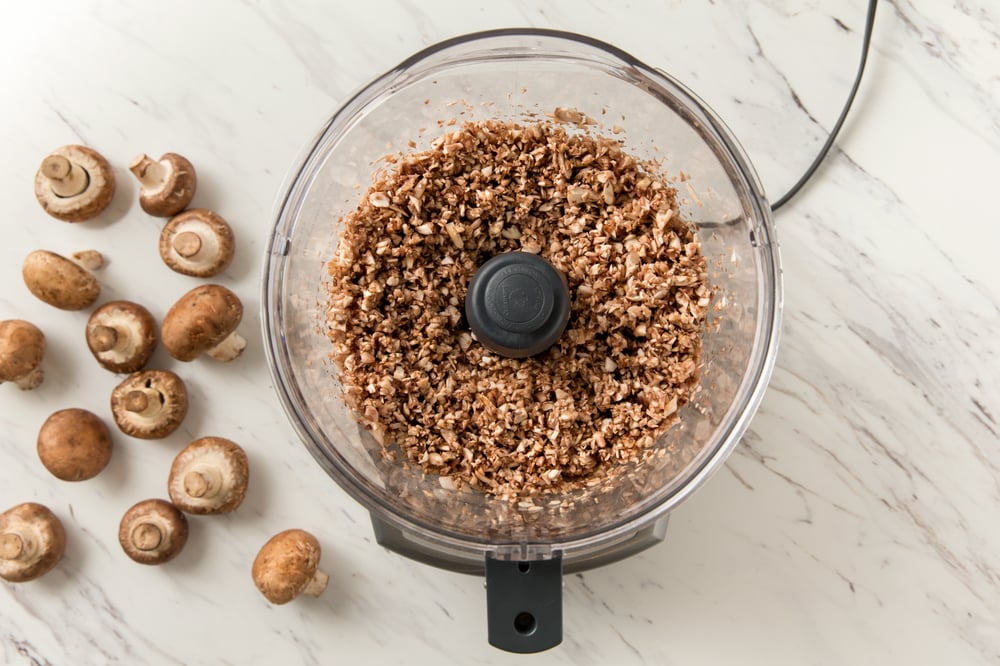
- Chopping/multipurpose blade: Not suitable—it chops, not slices, resulting in broken pieces.
- Grating/shredding disc: Avoid for mushrooms unless you want them shredded for specific recipes.
Blade Thickness Comparison
Here’s a quick comparison of common disc thicknesses and their uses:
| Blade Thickness | Slice Result | Best For |
|---|---|---|
| 1/16 inch | Very thin | Salads, garnishes |
| 1/8 inch | Standard thin | Stir-fries, pizza |
| 1/4 inch | Thick | Roasting, grilling |
Most home cooks prefer 1/8 inch for general use. Thicker slices are best for grilling or dishes where mushrooms need to hold their shape.
Credit: www.montereymushrooms.com
Preparing Mushrooms For Slicing
Before you start, it’s important to prepare mushrooms properly. Mushrooms absorb water easily and can become soggy if washed incorrectly.
- Clean mushrooms: Use a damp paper towel or soft brush to wipe away dirt. Avoid soaking mushrooms in water—they act like sponges.
- Trim stems: Cut off dry or tough ends. For most recipes, you can slice the stems with the caps, unless they are woody (like shiitake stems).
- Check freshness: Mushrooms should be firm, smooth, and white (or brown for cremini/portobello). Avoid mushrooms that are slimy or have dark spots.
Some mushroom types, like portobello, may have thicker stems that you should remove before slicing. Others, like button or cremini, can be sliced whole.
Step-by-step Guide: Slicing Mushrooms In A Food Processor
Getting perfect slices in a food processor is simple if you follow these steps:
1. Set Up The Food Processor
- Place the slicing disc in the food processor. Make sure it’s locked in place.
- Attach the bowl and lid securely.
2. Prepare Mushrooms
- Clean and trim mushrooms as described above.
- If mushrooms are large, cut them in half. This helps them fit into the feed tube and prevents uneven slicing.
3. Load Mushrooms
- Stand mushrooms upright in the food processor’s feed tube. This gives the best slice shape.
- Fill the tube, but don’t overload. Overcrowding can lead to uneven cuts.
4. Slice Mushrooms
- Turn on the processor and use the pusher to gently press mushrooms through the slicer. Don’t push too hard—let the blade do the work.
- For best results, use short bursts (“pulse” function) for delicate mushrooms. Continuous slicing is fine for firmer types.
5. Collect Slices
- Remove the lid and bowl. Carefully take out mushroom slices.
- Check for any uncut pieces and slice again if needed.
6. Clean Up
- Wash the slicing disc and bowl right away—mushroom residue can dry and stick.
- Dry all parts before storing.
Here’s a practical summary of the slicing process:
| Step | Action | Time Needed |
|---|---|---|
| Set up processor | Install slicing disc, attach bowl/lid | 1–2 min |
| Prepare mushrooms | Clean, trim, halve if needed | 3–5 min |
| Load feed tube | Place mushrooms upright, not overcrowded | 1–2 min |
| Slice | Use pusher, pulse for tender mushrooms | 1–3 min |
| Collect/clean | Remove slices, clean parts | 2–3 min |
Credit: www.mushroomcouncil.org
Practical Tips For Better Mushroom Slices
Slicing mushrooms in a food processor is easy, but a few tricks can help you get even better results.
- Chill mushrooms: Cold mushrooms are firmer and slice more cleanly. If they’re soft, refrigerate for 10–15 minutes before slicing.
- Use fresh mushrooms: Older mushrooms can be rubbery and hard to slice evenly.
- Don’t overload: Too many mushrooms at once can jam the feed tube or crush them.
- Keep feed tube vertical: Mushrooms slice best when upright, not sideways.
- Try pulse mode: For tender mushrooms like oyster or enoki, pulsing prevents crushing.
Many beginners miss the importance of arranging mushrooms upright. It’s tempting to toss them in, but upright mushrooms produce the most attractive slices. Another overlooked tip: adjust the slicing disc if your processor allows it. Some discs have settings for thickness—experiment to see which works best for your recipes.
Common Mistakes And How To Avoid Them
Even with a food processor, mistakes can happen. Here are some frequent errors and how to fix them:
- Wrong blade: Using the chopping blade instead of the slicer results in mushroom bits, not slices. Always check before starting.
- Overcrowding: Too many mushrooms at once leads to uneven slices. Work in batches for best results.
- Mushrooms too large: Large caps may not fit properly in the feed tube. Cut them in half or quarters.
- Pushing too hard: Applying too much force crushes mushrooms. Light, steady pressure is enough.
- Dirty processor: Residue from previous use can stick to mushroom slices or affect taste. Always clean thoroughly before and after.
Avoiding these mistakes will help you get the most from your food processor and enjoy beautiful, even slices every time.
Slicing Different Mushroom Types
Different mushrooms behave differently in a food processor. Here’s a guide to common types:
Button And Cremini
- Small, round, and firm.
- Ideal for food processor slicing.
- Can be sliced whole.
Portobello
- Large caps, thick stems.
- Slice caps after removing stems.
- Cut caps into halves or quarters for even slices.
Shiitake
- Tough stems—remove before slicing.
- Caps are tender and slice easily.
Oyster
- Delicate, soft texture.
- Use pulse mode and slice gently.
Enoki
- Thin, stringy clusters.
- Not ideal for slicing—better to cut by hand.
Here’s a comparison of mushroom types and slicing ease:
| Mushroom Type | Best Slicing Method | Notes |
|---|---|---|
| Button | Food processor | Whole, firm |
| Cremini | Food processor | Whole, firm |
| Portobello | Food processor | Remove stem, slice cap |
| Shiitake | Food processor | Remove stem |
| Oyster | Pulse mode | Delicate, handle gently |
| Enoki | Hand cut | Too thin for disc |
How Sliced Mushrooms Improve Cooking
Sliced mushrooms are more than just visually appealing. Uniform slices offer several cooking advantages:
- Even cooking: Thin, equal slices cook at the same rate. This prevents some mushrooms from burning while others are undercooked.
- Better texture: Uniform slices feel pleasant in every bite, especially in salads or stir-fries.
- Recipe consistency: For dishes like mushroom soup, pizza, or risotto, even slices look and taste better.
A study published in the Journal of Food Science found that evenly sliced mushrooms retain more moisture and flavor during cooking compared to irregular pieces.
Cleaning And Maintaining Your Food Processor
Proper cleaning is important for both hygiene and machine life.
- Remove blades and discs: Always handle blades carefully—they are sharp.
- Wash with warm, soapy water: Use a soft sponge. Avoid abrasive pads that can scratch plastic.
- Dry thoroughly: Prevents water spots and mold.
- Check for stuck residue: Mushroom pieces can hide in crevices. Inspect and clean all parts.
Some food processor parts are dishwasher safe. Check your manual for details. For stubborn stains, soak parts for 10–15 minutes before scrubbing.
Safety Tips
Food processors are safer than knives, but you should still be careful.
- Unplug before cleaning: Never clean while plugged in.
- Handle blades with care: Slicing discs are sharp.
- Keep fingers clear: Use the pusher, not your hands, to move mushrooms.
- Secure lid: Always lock the lid before starting.
Children should be supervised when using a food processor. For extra safety, choose models with safety interlocks that prevent operation unless the lid is secure.

Credit: afoodcentriclife.com
Practical Uses For Sliced Mushrooms
Once you have sliced mushrooms, there are many ways to use them.
- Stir-fries: Uniform slices cook quickly with other vegetables.
- Pizza toppings: Even slices look attractive and cover the pizza evenly.
- Salads: Thin slices add flavor and texture.
- Soups and stews: Sliced mushrooms blend smoothly into broth.
- Grilled dishes: Thick slices are perfect for grilling or roasting.
Many restaurants use food processors for mushroom prep because it improves speed and quality. Home cooks can achieve the same results with a little practice.
Troubleshooting: What If Your Slices Don’t Look Right?
Sometimes, slices may be uneven, crushed, or too thick/thin. Here’s how to fix common problems:
- Slices too thick/thin: Adjust the slicing disc if possible. Some processors allow you to change thickness.
- Crushed mushrooms: Use firmer mushrooms or chill before slicing. Avoid forcing them through.
- Uneven slices: Arrange mushrooms upright and don’t overload.
- Bits instead of slices: Make sure you’re using the slicing disc, not the chopping blade.
If your food processor consistently produces poor slices, check the disc for dullness or damage. Replacing the disc can restore performance.
Comparing Food Processor Brands For Mushroom Slicing
Not all food processors slice mushrooms equally. Here’s a comparison of popular brands for mushroom slicing:
| Brand | Disc Options | Ease of Use | Slice Quality |
|---|---|---|---|
| Cuisinart | Multiple thickness | Simple | Consistent |
| KitchenAid | Adjustable disc | Very easy | Excellent |
| Hamilton Beach | Basic disc | Easy | Good |
| Breville | Wide range | Advanced | Professional |
If you’re buying a food processor for mushrooms, look for adjustable slicing discs and a feed tube wide enough for mushroom caps.
Non-obvious Insights: What Most Beginners Miss
Two key points beginners often overlook:
- Feed tube shape matters: Some food processors have oval or narrow tubes. Mushrooms slice best in tubes that fit their shape. Wide tubes allow you to arrange mushrooms upright, leading to better slices.
- Blade sharpness affects quality: Over time, slicing discs can get dull. A sharp disc is essential for clean cuts. If your slices look ragged, consider replacing the disc.
Another subtle tip: If you’re slicing mushrooms for freezing, blanch them first. Food processor-sliced mushrooms are perfect for freezing in portion sizes, saving time for future meals.
External Resource For More Information
For more detailed information on food processors, their history, and uses, visit Wikipedia.
Frequently Asked Questions
What Is The Best Blade For Slicing Mushrooms In A Food Processor?
The slicing disc is the best blade for mushrooms. It creates thin, uniform slices. Avoid using the chopping blade, which breaks mushrooms into bits.
Can I Slice Other Vegetables With Mushrooms In A Food Processor?
Yes, you can slice bell peppers, carrots, onions, and other firm vegetables together. Arrange them upright and don’t overcrowd. Softer vegetables may require pulsing to avoid crushing.
How Do I Clean Mushroom Residue From The Food Processor?
Wash all parts with warm, soapy water right after use. Mushroom residue dries quickly and can be hard to remove. Some parts are dishwasher safe, but always check your manual.
Are Food Processor-sliced Mushrooms Good For Freezing?
Yes, food processor-sliced mushrooms are great for freezing. Blanch them first to preserve color and texture. Portion into freezer bags and label with date.
Can I Slice Mushrooms Without Removing Stems?
For most mushrooms, you can slice stems with caps. Remove tough or woody stems, like those from shiitake or portobello, before processing.
Slicing mushrooms in a food processor makes kitchen prep faster and easier. With the right blade, setup, and technique, you can achieve professional-quality slices every time. Whether you cook for one or a whole family, this method saves time and improves your dishes.
With practice, slicing mushrooms becomes a quick, safe, and satisfying part of your cooking routine.

Hello, This is Annie Walker, a 38-year-old blogger, founder, and editor of Cookware Guider from NY, USA. I am a cookware fanatic and passionate cooker. I love to cook with different types of cooking appliances (example: all types of cookware, rice cookers, slow cookers, etc) almost every day in my kitchen. I love to share my experience with my readers in my blog. Also, I enjoy helping people to solve their problems through my website. You can follow me on Twitter & Pinterest. To know details about my blog please check the about us page.