
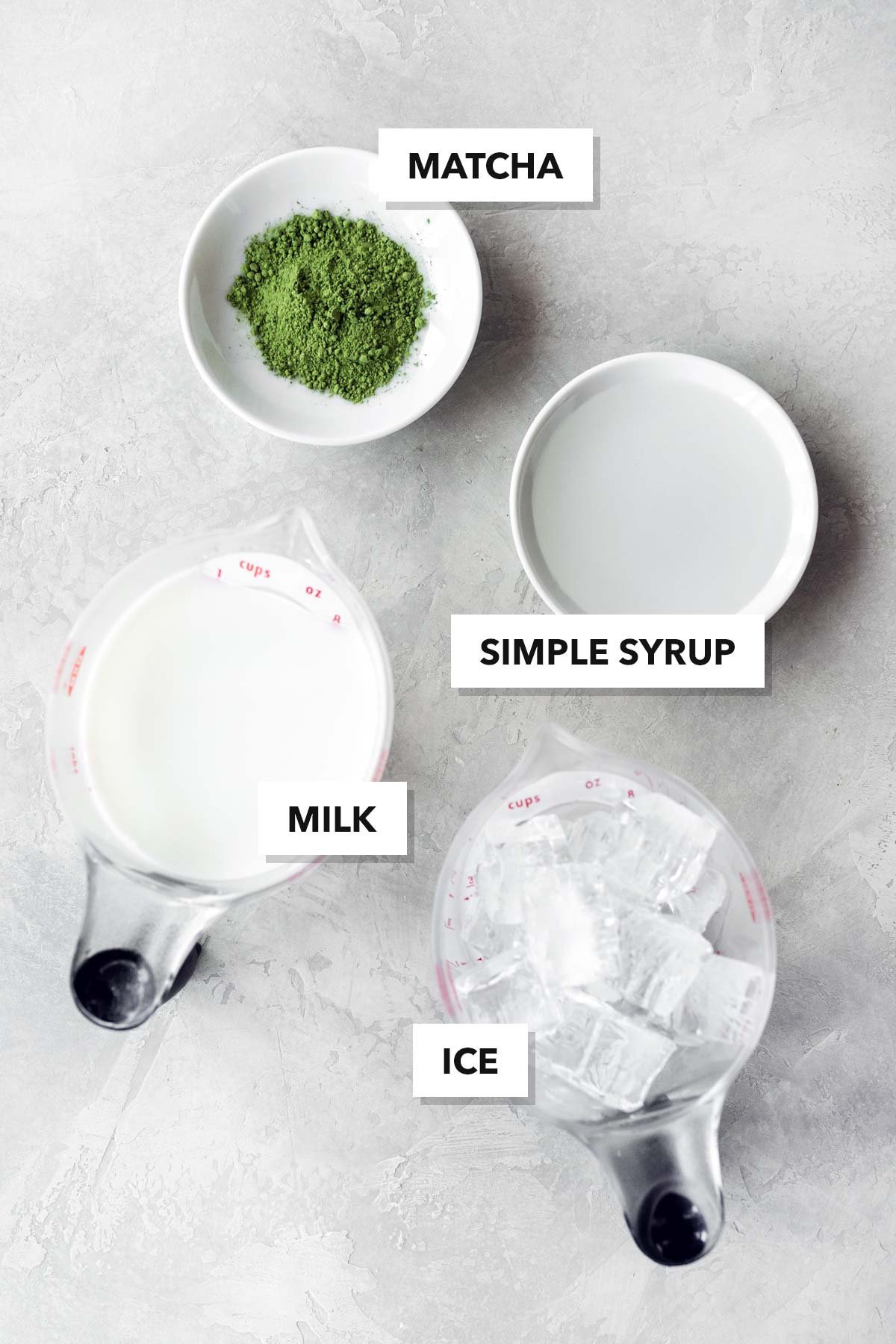
To learn how to make iced matcha, whisk two grams of ceremonial-grade powder with sixty milliliters of hot water until smooth, then pour it over one hundred and eighty grams of ice and two hundred milliliters of cold milk or water. This prevents clumps from forming. The final taste and texture depend on the water temperature and the grade of matcha used.
Who should make iced matcha
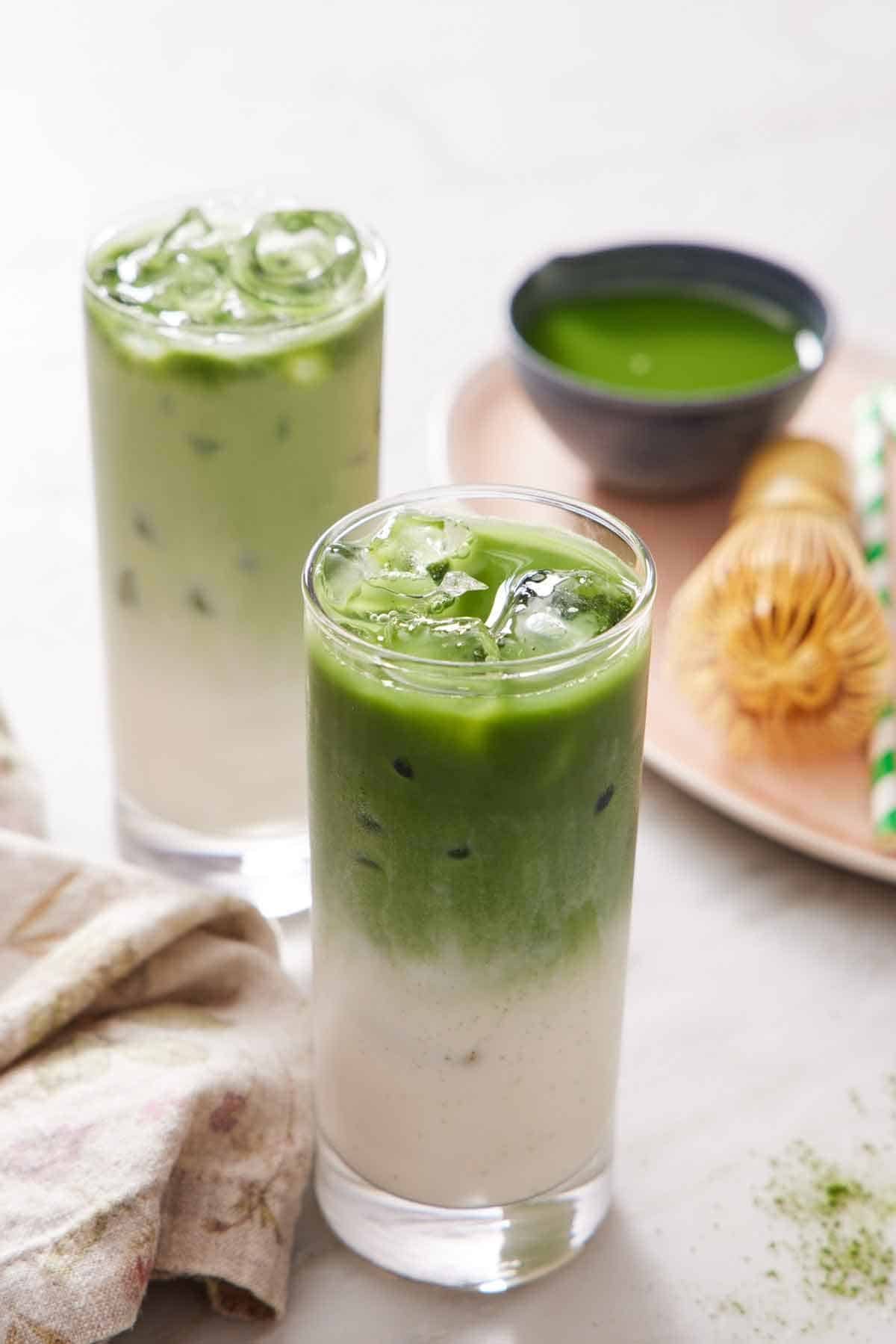
This guide serves the home enthusiast who wants a café-quality drink without needing professional barista training. It’s written for someone who already owns a bamboo whisk or a small electric frother and wants to avoid the common mistake of having a gritty, undissolved drink. If you’re looking for complex recipes involving flavored syrups or specialty cold foam toppings, this page might feel too basic for your needs.
We assume you’re using standard ceremonial-grade matcha, which is vibrant green and finely ground. If you choose a culinary-grade powder, expect a more bitter, astringent flavor that works better in baked goods than in a simple iced drink. This page assumes you have access to clean, filtered water and a standard household refrigerator for ice. If you’re using a portable blender or a shaker bottle instead of a whisk, your results will differ in texture, as these tools often struggle to break down the micro-fine particles of high-quality tea. This guide isn’t for those seeking weight-loss advice or medical claims about antioxidants, as we focus strictly on the preparation method.
Factors affecting your drink
The quality of the matcha powder is the most significant factor in your result. Ceremonial grade is processed from the youngest tea leaves, offering a naturally sweet, umami flavor. Culinary grade is harvested later and is more bitter. You can check the grade on the product label; if it’s labeled for baking or smoothies, it will taste much stronger and less smooth when served plain.
Water temperature is the second most important detail. If you use boiling water, you’ll scorch the leaves and create a harsh, metallic taste. Always aim for a temperature between seventy and eighty degrees Celsius. If you don’t have a thermometer, let your boiled water sit for three to four minutes before pouring it onto the powder.
The whisking technique is where most people lose points. Using a fork or a spoon often fails to break up the clumps that naturally form in the powder. A traditional bamboo whisk, or chasen, is designed to create a fine froth. If you use a metal fork, you’ll likely find small, dry pockets of powder even after vigorous stirring.
Finally, the liquid-to-ice ratio changes the intensity of your drink. If you add the ice before the water, the shock of the cold can make the matcha clump immediately. Always whisk the paste with warm water first to create a smooth, homogenous liquid. Once the paste is silky, you can add the ice and cold milk or water to reach your preferred strength.
How To Make Iced Matcha: Step by Step
- Measure two grams of matcha powder and sift it into a small bowl to remove any lumps.
- Heat one hundred and eighty milliliters of water to eighty degrees Celsius and let it cool for three minutes.
- Pour sixty milliliters of the water into the bowl with the sifted matcha.
- Use a bamboo whisk in a zig-zag motion for thirty seconds until the surface is covered in a fine, jade-colored foam.
- Fill a tall glass with one hundred and eighty grams of ice cubes.
- Pour two hundred milliliters of your chosen milk or cold water over the ice.
- Gently pour the whisked matcha concentrate over the cold liquid.
- Stir once with a long spoon to create a marbled effect.
The judgement call happens at the whisking stage. A properly prepared paste should look like thin, melted dark chocolate with no visible specks. If you see large bubbles that pop quickly, continue whisking to create a finer, more uniform froth.
Preparation methods compared
| Situation | Action | Effort | What to watch for |
|---|---|---|---|
| Smooth texture | Use bamboo whisk | High | No visible clumps |
| Quick prep | Use electric frother | Low | Battery power consistency |
| On the go | Use shaker bottle | Medium | Tight lid seal |
| Strong flavor | Use less milk | Low | Increased bitterness |
| Mild taste | Use more milk | Low | Diluted tea color |
The bamboo whisk remains the gold standard for ceremonial grades. It aerates the powder properly to create a dense, stable foam. If you see large bubbles, you’re whisking too aggressively; aim for a fine, micro-foam layer instead.
Electric frothers save time but often fail to break down stubborn clumps at the bottom of the bowl. If you use one, pour a small amount of water first to create a paste before adding the rest. This prevents the dry powder from sticking to the sides of your vessel.
Shaker bottles are convenient, but they trap air. Always ensure the internal mixing ball is clean, as residue from previous uses will sour the flavor profile.
If you prefer a bold taste, reduce your liquid volume by 20 percent. However, monitor the temperature closely. Boiling water will scald the tea, turning a strong cup into a bitter, astringent experience. If the tea tastes metallic, your water is likely too hot.
Achieving the best texture
Proper tool selection
Using a bamboo whisk is the standard for a reason, as its flexible tines reach every corner of the bowl to lift and break up trapped powder. If you use a metal whisk, you may scratch your ceramic bowl. According to FoodSafety.gov’s chart on cold food storage, keeping your milk at or below four degrees Celsius is essential for both safety and maintaining the chilled temperature of your final drink.
The art of the pour
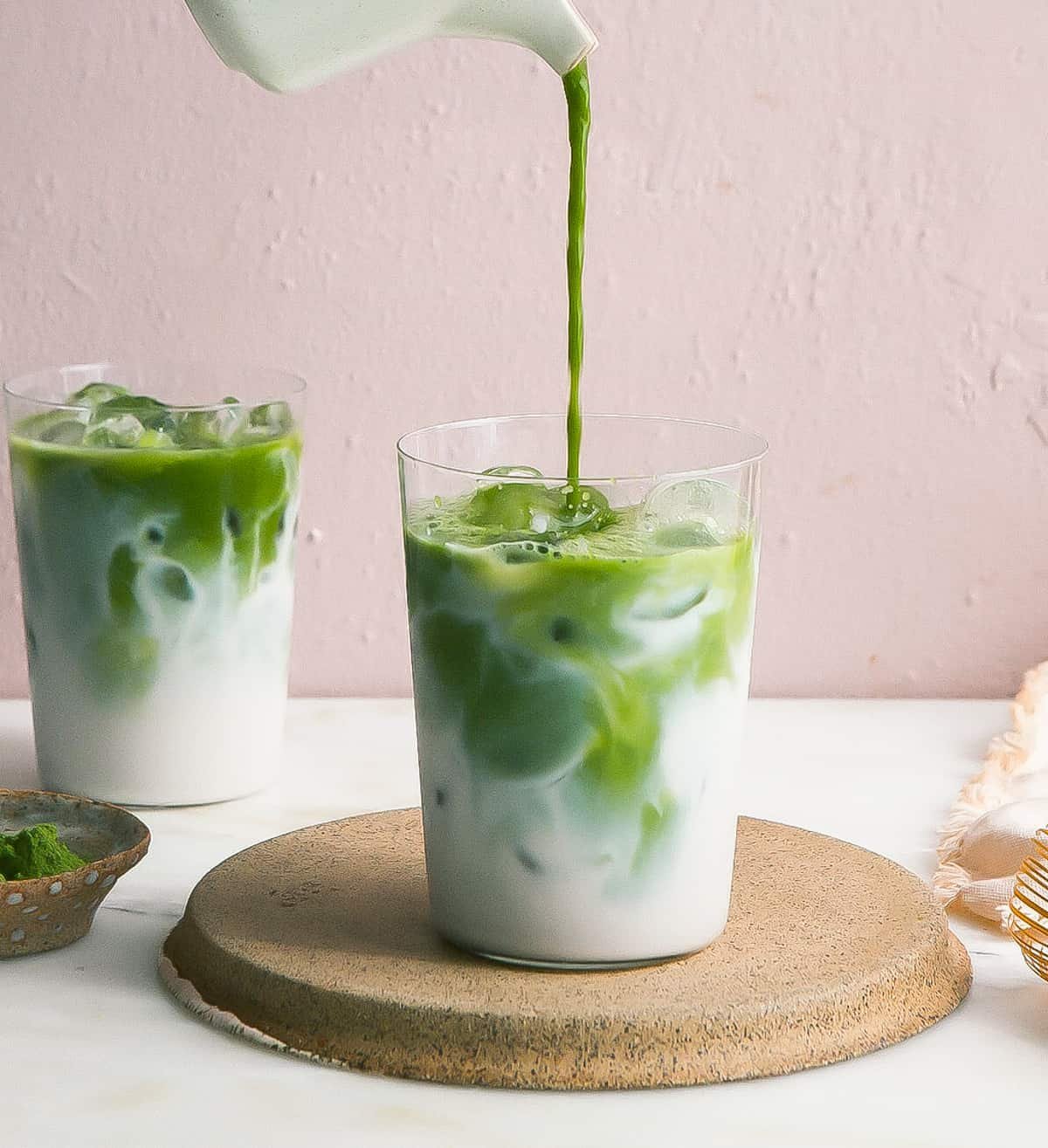
The pour is the moment that separates a professional look from a messy one. When adding the whisked matcha to your glass, pour it slowly over the back of a spoon to create a layer that sits on top of the milk. This prevents the liquids from mixing too fast, which keeps the drink visually appealing. If you pour too quickly, the heat from the matcha concentrate will melt the ice faster than intended, leading to a watered-down taste.
What goes wrong, and what to do
| What you notice | What it usually means | What to do first | How to stop it happening again |
|---|---|---|---|
| Clumps in drink | Poor sifting | Strain with mesh | Sift powder before adding |
| Bitter taste | Water too hot | Add more milk | Lower water temperature |
| Chalky texture | Low-grade powder | Add honey/syrup | Buy ceremonial grade |
| Thin, watery | Too much ice | Remove extra ice | Measure water volume |
| Foam disappears | Old matcha | Drink immediately | Use fresh, sealed tea |
Most novices mistake a bitter finish for poor quality, but the culprit is almost always water exceeding 175°F. If you scald the leaves, the tannins release instantly, ruining the profile. Use a thermometer to ensure your water stays below this threshold.
If your drink feels chalky, you likely purchased culinary-grade powder. This version contains stems and veins better suited for baking than drinking. If the powder is a dull, olive green rather than a vibrant, electric neon, it has oxidized. Once opened, matcha loses its potency within four weeks. Store your tin in an airtight, opaque container inside the refrigerator to lock in freshness.
If you struggle with clumps, don’t just whisk harder. The friction actually generates heat, which accelerates oxidation. Instead, push the powder through a fine-mesh sieve directly into your bowl. This simple step removes the need for aggressive whisking and produces a smoother, more consistent foam every single time.
Standards for preparation
The practice of whisking matcha follows traditional Japanese tea preparation standards, which emphasize the importance of temperature control to preserve the delicate amino acids in the leaves. These standards, maintained by various tea associations, suggest that water exceeding eighty-five degrees Celsius will damage the flavor profile.
If you’re concerned about the water quality, use filtered water, as the mineral content in tap water can alter the subtle, grassy notes of the tea. There’s no legal requirement for how you prepare your tea at home, but following these temperature limits is the only way to avoid the astringency that ruins the experience. If you’re using pre-sweetened matcha mixes, check the label, as these often contain high amounts of sugar and fillers that change the required water ratio. Always store your matcha in an airtight, opaque container away from heat and light to prevent oxidation. If the powder turns a dull, brownish-yellow, it has been exposed to air for too long and won’t produce a sweet, vibrant drink regardless of your technique.
Costs of the process
The cost of this drink is tied directly to the quality of the matcha you purchase. A typical tin of ceremonial-grade matcha provides about twenty to thirty servings. While the initial cost per tin is high, the cost per serving is often lower than a single drink at a commercial coffee shop.
The time investment is minimal, usually taking three to five minutes from start to finish. You can reduce this cost by preparing your matcha concentrate in advance and keeping it in the refrigerator for up to twenty-four hours, though you’ll lose the fresh foam that forms upon whisking. If you notice the color fading to a muddy green, the tea has begun to oxidize. The biggest variable in your cost is the milk choice; oat and almond milks are popular for their texture, but they change the flavor profile compared to standard dairy milk. Compare prices at your local specialty grocer or directly from reputable tea importers to find the best value for your budget. Remember that the price fluctuates based on the harvest season and the origin of the leaves.
Maintaining the quality
After you have enjoyed your drink, you must clean your tools immediately. Matcha powder is notorious for staining, and if you leave the bamboo whisk to dry with tea residue between its tines, it will quickly develop mold. Rinse the whisk under cold, running water without using soap, as the bamboo will absorb the chemicals and ruin the taste of your next cup.
Let the whisk air dry completely on a stand to keep its shape. If the tines start to lose their curl, you can gently reshape them with your fingers while the bamboo is damp. If you notice your matcha powder becoming hard or clumpy in the container, it has absorbed moisture from the air. You can try to salvage it by sifting it, but if it has lost its bright green color, it’s best to use it for cooking rather than drinking. Keep your matcha stored in a cool, dark cupboard, as exposure to light will degrade the quality of the tea within weeks.
When this is the wrong approach
If you’re preparing matcha for a large group, the traditional whisking method is inefficient. Instead, use a high-speed blender to combine the powder and water for multiple servings at once. You’ll lose the fine foam structure, but you gain the ability to serve everyone simultaneously.
If you have a medical condition requiring you to limit caffeine, be aware that matcha contains a higher concentration of caffeine than standard brewed green tea. Because you’re consuming the entire leaf, a single serving can contain up to 70 milligrams of caffeine. Consult a professional if you have concerns about your heart rate or anxiety levels.
Don’t attempt to whisk matcha in a bowl that’s too shallow. You’ll splash the concentrate everywhere, losing precious volume. Use a dedicated chawan or a deep, wide-mouthed mug to keep the liquid contained while you whisk.
Finally, if you’re looking for a hot drink, skip the ice entirely. Use a larger volume of water to ensure the temperature remains consistent. If the bowl is cold, pre-heat it with hot water first to prevent the tea from cooling instantly upon contact.
Frequently asked questions
Can I use cold water to whisk matcha?
No, cold water won’t dissolve the powder effectively. You must use warm water to create a smooth paste first, then add cold water or milk afterward. Cold water prevents the particles from hydrating, which leads to a gritty texture that ruins the mouthfeel of your drink.
Is it safe to drink matcha every day?
Yes, matcha is safe for most people when consumed in moderate amounts. It contains antioxidants and caffeine, so monitor your intake if you’re sensitive to stimulants. Check with your doctor if you have specific health concerns regarding caffeine or if you’re pregnant or breastfeeding.
How long does prepared matcha stay fresh?
About twenty-four hours is the maximum time you should keep prepared matcha in the refrigerator. After this point, the flavor will become dull and the vibrant green color will fade to a brownish hue. Always store it in a sealed, airtight container to minimize oxidation.
Does it matter if I use a metal whisk?
Yes, a metal whisk can damage your ceramic bowl and doesn’t aerate the powder as well as a bamboo whisk. If you don’t have a bamboo whisk, a small electric frother is a better alternative to a metal whisk for creating the necessary foam.
Why is my matcha bitter?
About eighty degrees Celsius is the maximum temperature you should use to avoid bitterness. If your water is boiling, it scorches the tea leaves and brings out harsh, astringent flavors. Use a lower temperature and ensure you’re using ceremonial-grade powder rather than culinary-grade.
What happens if I don’t sift the powder?
Clumps will form that are nearly impossible to whisk out once water is added. Sifting is the only way to ensure the powder is fine and aerated, which allows it to dissolve completely into the water. Always use a fine-mesh strainer before you begin whisking.
What to do next
Start by checking the quality of your matcha powder to ensure it’s fresh and bright green. If the color leans toward a dull olive or brown, it has already oxidized and will taste grassy regardless of your technique.
Follow the whisking steps precisely with warm water to create a smooth concentrate before adding your ice and milk. Use water between 175°F and 180°F. If your water boils, you’ll scorch the leaves and introduce an astringent, metallic bite that no amount of sweetener can mask.
If the drink tastes bitter or contains clumps, stop and check your water temperature or sift the powder more thoroughly the next time. Use a fine-mesh sieve to break up micro-clumps before the water touches the powder. If you still see sediment, you haven’t whisked long enough to fully suspend the powder in the water.

Hello, This is Annie Walker, a 38-year-old blogger, founder, and editor of Cookware Guider from NY, USA. I am a cookware fanatic and passionate cooker. I love to cook with different types of cooking appliances (example: all types of cookware, rice cookers, slow cookers, etc) almost every day in my kitchen. I love to share my experience with my readers in my blog. Also, I enjoy helping people to solve their problems through my website. You can follow me on Twitter & Pinterest. To know details about my blog please check the about us page.