
Have you ever wondered what makes cast iron cookware so durable and special? If you’re curious about how these heavy, reliable pans come to life, you’re in the right place.
Understanding how cast iron cookware is made can change the way you value your kitchen tools—and even how you care for them. By the end of this article, you’ll see your cast iron skillet in a whole new light. Ready to discover the secrets behind that perfect sear?
Let’s dive in.
Raw Materials
Cast iron cookware starts with simple raw materials. These materials give the cookware its strength and heat retention. The choice of raw materials affects the cookware’s quality and durability. Understanding these basics helps appreciate cast iron better.
Types Of Iron Used
Cast iron cookware mainly uses pig iron. Pig iron is iron that comes directly from a blast furnace. It contains a high amount of carbon, which makes the metal hard but brittle. To make cookware, manufacturers use a softer form called gray iron. Gray iron has a balanced carbon content that helps cast iron hold heat well. This type of iron forms the base of most cast iron pans and pots.
Additional Ingredients
Other elements mix with iron to improve its properties. Silicon is added to help the metal flow into molds smoothly. Manganese increases strength and resistance to wear. Small amounts of sulfur and phosphorus may also be present but are kept low. These ingredients ensure the cookware is durable and cooks food evenly.
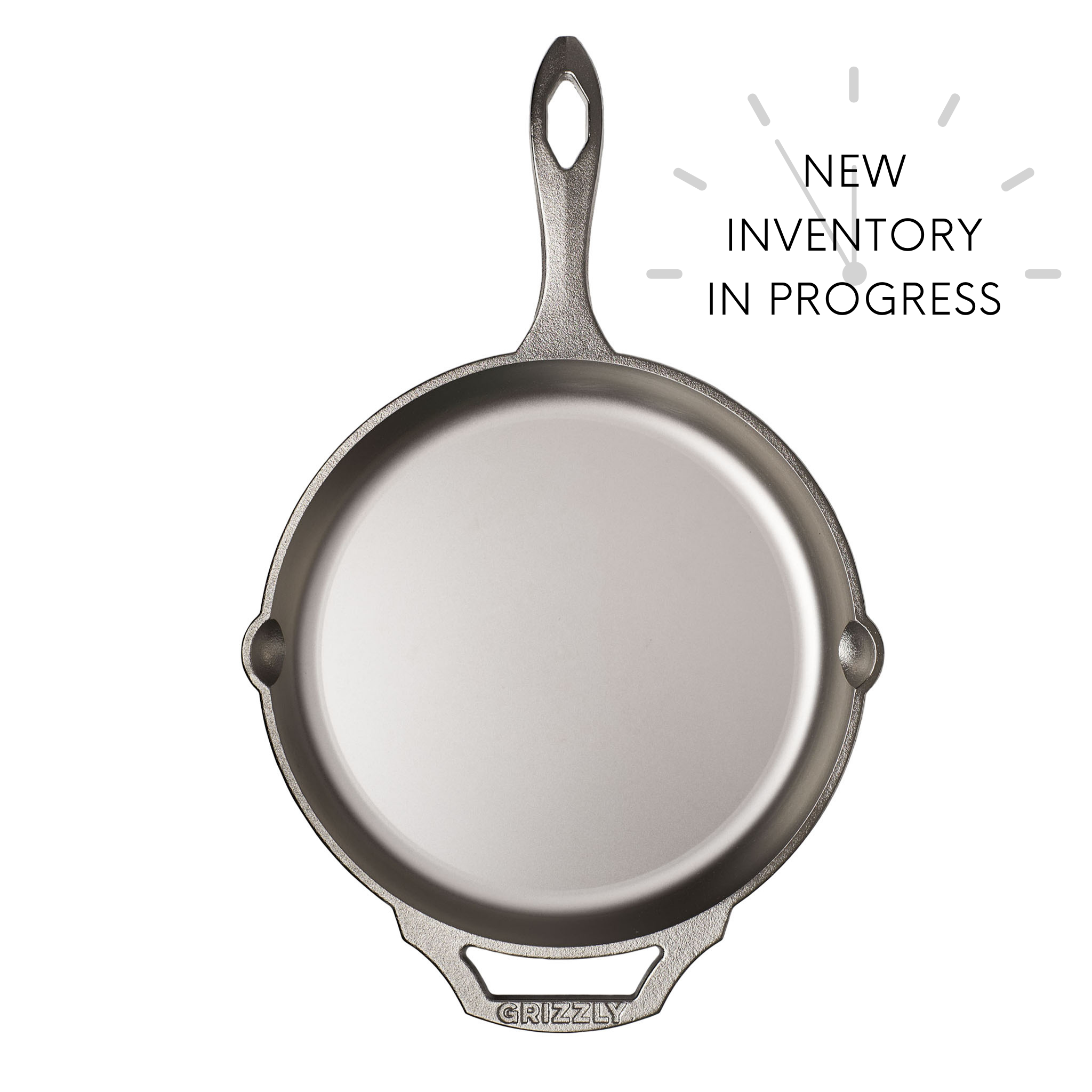
Credit: www.grizzlycookware.com
Melting Process
The melting process is a key step in making cast iron cookware. This stage turns solid iron into liquid form. Molten iron fills molds, shaping the cookware. Quality and durability depend on this process.
Furnace Types
Different furnaces melt iron for cookware production. The most common are cupola and induction furnaces. Cupola furnaces use coke and air to melt iron. Induction furnaces use electric currents to heat metal. Each furnace type affects the melting speed and quality.
Temperature Control
Maintaining the right temperature is critical during melting. Cast iron melts around 1200°C to 1400°C. Too low temperature causes incomplete melting. Too high temperature can damage the metal’s properties. Precise control ensures smooth, pure molten iron for casting.
Mold Creation
The mold creation process is the first step in making cast iron cookware. It shapes the cookware and gives it form. The mold must be strong and detailed to hold hot molten iron. This stage affects the final quality and texture of the cookware.
Skilled craftsmen work carefully to build the mold. Every groove and curve is planned. The mold’s design controls the cookware’s size and pattern. A good mold helps produce durable and attractive cast iron pans and pots.
Design And Patterns
The design starts with a model, often made from wood or metal. This model shows the exact shape of the cookware. Patterns are added to the model to create textures or logos on the cookware’s surface. These details make each piece unique and recognizable.
Designers think about how the cookware will be used. They add handles, rims, and other features into the mold design. The model must be precise to ensure the cookware works well and looks good.
Sand Casting Technique
Sand casting is the common method for making cast iron cookware molds. It uses special sand that can hold the shape of the model. The model is pressed into the sand to form a hollow space. This space becomes the mold cavity.
After shaping the sand, the model is removed. Molten iron will be poured into this cavity. The sand mold keeps the iron in place until it cools and hardens. This method is cost-effective and allows for detailed designs.
Pouring Molten Iron
Pouring molten iron is a key step in making cast iron cookware. This process shapes the cookware and affects its quality. The iron is heated until it melts. Then, it is carefully poured into molds. This step needs skill and attention to detail. The molten iron must flow smoothly to fill every part of the mold. Any mistake can cause defects. The temperature and speed of pouring are very important for a strong, durable cast iron piece.
Safety Measures
Pouring molten iron is very dangerous. The iron is extremely hot, over 2,700 degrees Fahrenheit. Workers wear special heat-resistant clothing. This includes gloves, helmets, and face shields. Safe shoes protect feet from spills. The work area has barriers to keep others away. Proper ventilation removes harmful fumes. Safety rules prevent accidents and injuries. Training teaches workers how to handle molten iron carefully.
Pouring Techniques
The molten iron is poured slowly and steadily. This avoids splashing and air bubbles. Workers use ladles or cranes to move the iron. The mold is preheated to stop the metal from cooling too fast. They pour from one spot to fill the mold evenly. Too fast pouring causes cracks or weak spots. Skilled workers watch the flow and adjust speed. This ensures smooth filling and a strong final product.
Cooling And Solidifying
Cooling and solidifying is a vital step in making cast iron cookware. After molten iron fills the mold, it must cool down and harden. This process shapes the metal and affects its strength and durability. The way the iron cools can change its texture and performance in the kitchen.
Cooling Time
The cooling time depends on the size and shape of the cookware. Thick parts take longer to cool than thin ones. Slow cooling helps prevent cracks and warping. Factories often control the cooling speed to ensure even solidification. This careful control leads to better quality cast iron pans.
Effects On Quality
Proper cooling improves the cookware’s durability and heat retention. Fast cooling may cause weak spots or brittle areas. Slow cooling allows the metal to form a strong crystal structure. This structure makes the pan less likely to break or chip. Good cooling also reduces internal stresses, helping the pan last longer.
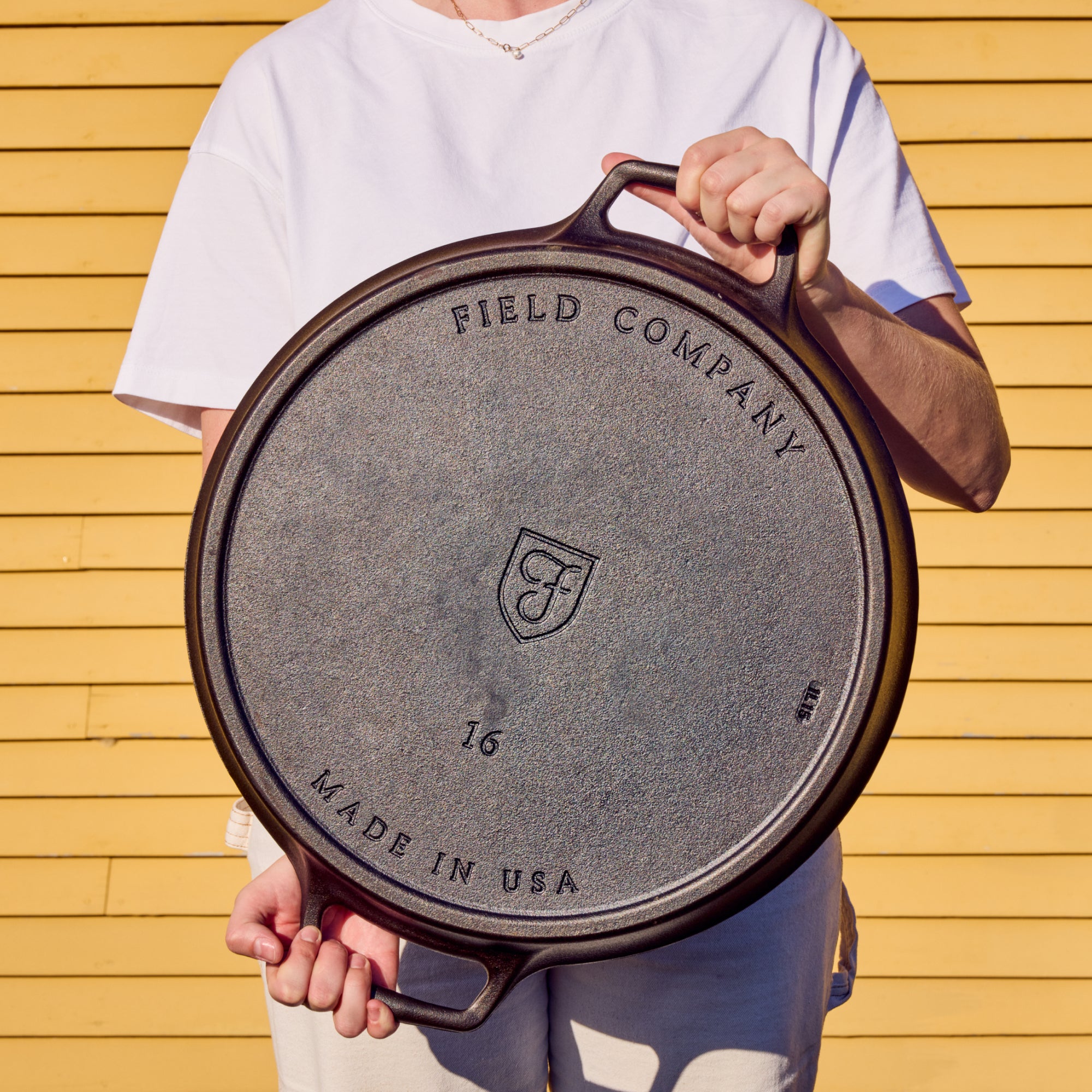
Credit: fieldcompany.com
Finishing Touches
The finishing touches are a vital part of making cast iron cookware. They help the cookware look good and work well. After casting, the cookware still needs shaping and smoothing. This stage ensures the final product is safe and ready to cook on. Each step in finishing adds quality and durability.
Trimming And Grinding
Trimming removes extra metal left from casting. Workers cut off rough edges and unwanted parts. This step shapes the cookware to its final form. Grinding smooths the surface and edges. It removes bumps and sharp spots. The result is a clean, even surface that feels good to hold.
Surface Treatment
Surface treatment protects the cast iron from rust. It also prepares the cookware for cooking. The cookware is often coated with oil. Then it is heated to create a tough, non-stick layer. This process is called seasoning. It makes cooking easier and cleaning quicker. Some cookware may get extra coatings for color or shine.
Seasoning Process
The seasoning process is a key step in making cast iron cookware ready for use. It creates a protective layer on the surface of the pan. This layer stops rust and makes the pan non-stick. Seasoning also improves the flavor of food cooked in the pan over time. Without seasoning, cast iron can rust quickly and food might stick.
Purpose Of Seasoning
Seasoning forms a hard, smooth coating on cast iron. This coating protects the metal from moisture and air. It keeps the pan from rusting. The layer also creates a natural non-stick surface. This helps food cook evenly and prevents sticking. Regular seasoning can make the cookware last for many years.
Methods Used
Seasoning usually starts with cleaning the pan thoroughly. After drying, a thin layer of oil is applied. Common oils used are vegetable oil or flaxseed oil. The pan is heated in an oven at high temperature. This heat turns the oil into a hard, protective layer. Some cooks repeat the process several times. This builds a stronger and smoother coating.
Quality Control
Quality control is a crucial step in making cast iron cookware. It ensures every piece is safe and durable for cooking. Producers use strict checks to find any problems before the cookware reaches customers. This process helps maintain high standards and gives buyers confidence in their purchase.
Inspection Techniques
Manufacturers use various methods to inspect cast iron cookware. Visual checks look for cracks, chips, or rough surfaces. Some use machines to measure thickness and weight. Others test the cookware’s heat distribution. These inspections catch faults early to avoid weak products.
Common Defects
Common defects include cracks, air bubbles, and uneven surfaces. Cracks can cause the cookware to break during use. Air bubbles weaken the metal and affect cooking. Uneven surfaces may cause food to cook poorly. Quality control finds these issues and removes faulty pieces.

Credit: www.youtube.com
Frequently Asked Questions
How Is Cast Iron Cookware Traditionally Made?
Cast iron cookware is made by pouring molten iron into sand molds. The iron cools and solidifies into the desired shape. After cooling, the cookware is cleaned and seasoned for use. This process creates durable, heat-retentive cookware favored by many chefs.
What Materials Are Used In Cast Iron Cookware Production?
The primary material is molten iron, often mixed with small amounts of carbon. Sand molds shape the iron during casting. Some manufacturers add other metals to improve durability. High-quality cast iron uses pure iron for superior heat retention and cooking performance.
Why Is Seasoning Important For Cast Iron Cookware?
Seasoning creates a non-stick surface on cast iron cookware. It involves applying oil and heating the pan to polymerize the oil. This protects the cookware from rust and enhances cooking performance. Proper seasoning improves the pan’s longevity and cooking results.
How Does The Casting Process Affect Cookware Quality?
Casting ensures even thickness and durability in cookware. High-quality molds produce smooth surfaces and consistent shapes. Poor casting can lead to cracks or uneven heating. Therefore, precise casting is crucial for durable, reliable cast iron cookware.
Conclusion
Cast iron cookware starts as molten metal poured into molds. Skilled workers shape and cool the heavy pans carefully. This process gives cast iron its strength and heat retention. Each piece is tough and lasts for many years. Proper care keeps the pans in good shape.
Understanding how cast iron is made helps you appreciate its value. Cooking with cast iron means using a tool built to last. The next time you cook, think about this strong, simple process.

Hello, This is Annie Walker, a 38-year-old blogger, founder, and editor of Cookware Guider from NY, USA. I am a cookware fanatic and passionate cooker. I love to cook with different types of cooking appliances (example: all types of cookware, rice cookers, slow cookers, etc) almost every day in my kitchen. I love to share my experience with my readers in my blog. Also, I enjoy helping people to solve their problems through my website. You can follow me on Twitter & Pinterest. To know details about my blog please check the about us page.