
Are you thinking about upgrading your kitchen tools and wondering if ceramic cookware is the right choice for you? You’ve probably heard a lot of mixed opinions, and it’s confusing to know what’s true.
Ceramic cookware promises easy cleaning, non-stick cooking, and a healthier way to prepare your meals. But is it really as good as it sounds? You’ll discover the real benefits and possible downsides of ceramic cookware. By the end, you’ll feel confident deciding if this is the perfect fit for your cooking style and your health.
Keep reading to find out what makes ceramic cookware stand out—and if it’s worth adding to your kitchen.
Benefits Of Ceramic Cookware
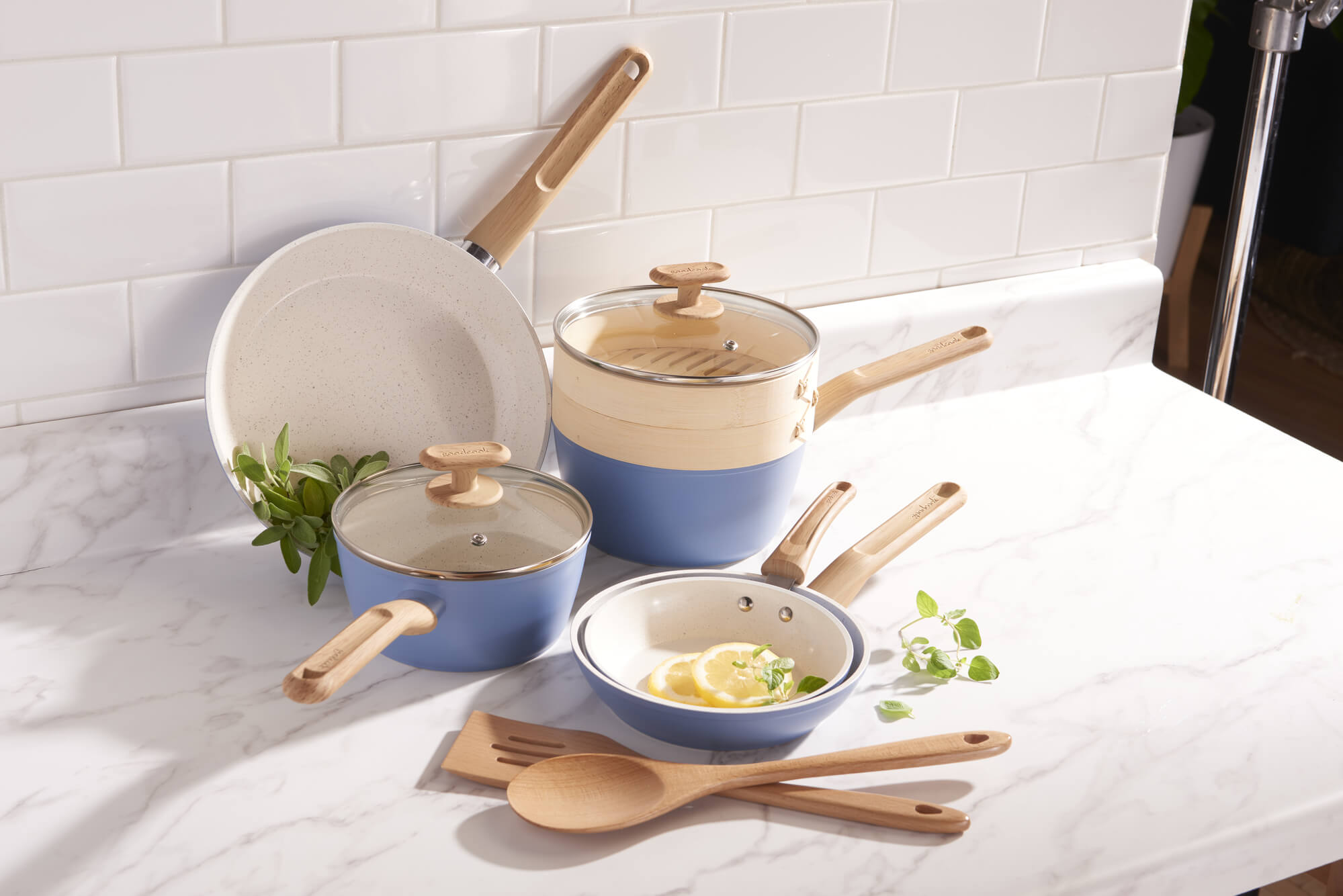
Ceramic cookware offers many benefits that make it a popular choice. It is safe, durable, and performs well in the kitchen. These pots and pans help cook food evenly and keep flavors pure. They also save energy and last a long time.
Non-toxic Cooking Surface
Ceramic cookware has a natural, non-toxic surface. It does not release harmful chemicals into food. This makes it safer for daily cooking. It is free from PTFE and PFOA, which are found in some non-stick pans. You can cook with peace of mind.
Even Heat Distribution
Ceramic pots and pans spread heat evenly across the surface. This helps food cook uniformly without hot spots. It reduces the chance of burning or undercooking. Even heat means better taste and texture in every meal.
Scratch And Stain Resistance
The ceramic coating is hard and durable. It resists scratches from utensils and cleaning tools. Stains from sauces and spices do not stick easily. This keeps the cookware looking new for a long time. Cleaning is also simpler and faster.
Energy Efficiency
Ceramic cookware heats up quickly and retains heat well. This means less energy is needed to cook food. You can use lower heat settings and save electricity or gas. Cooking becomes more eco-friendly and cost-effective.
Credit: bradshawhome.com
Health Advantages
Ceramic cookware offers several health benefits that make cooking safer and healthier. It provides a clean cooking surface without harmful chemicals. It also helps reduce the amount of oil needed. This means meals can be lighter and better for the body.
Cooking with ceramic pots and pans helps keep more nutrients in your food. This is important for a balanced diet and good health. Let’s explore these health advantages in detail.
Free From Harmful Chemicals
Ceramic cookware does not contain harmful chemicals like PFOA or PTFE. These chemicals are common in some non-stick pans and may release toxins when heated. Ceramic coatings are made from natural materials and stay safe even at high temperatures. This reduces the risk of chemical contamination in your meals.
Reduction In Oil Usage
The smooth surface of ceramic pans prevents food from sticking. This means less oil or butter is needed for cooking. Using less oil lowers the amount of unhealthy fats in your diet. It also helps in managing weight and reducing cholesterol levels.
Retention Of Nutrients
Ceramic cookware heats evenly and gently. This helps preserve vitamins and minerals in your food. Foods cooked in ceramic pots keep their natural flavors and nutrients. Better nutrient retention supports overall health and energy.
Types Of Ceramic Cookware
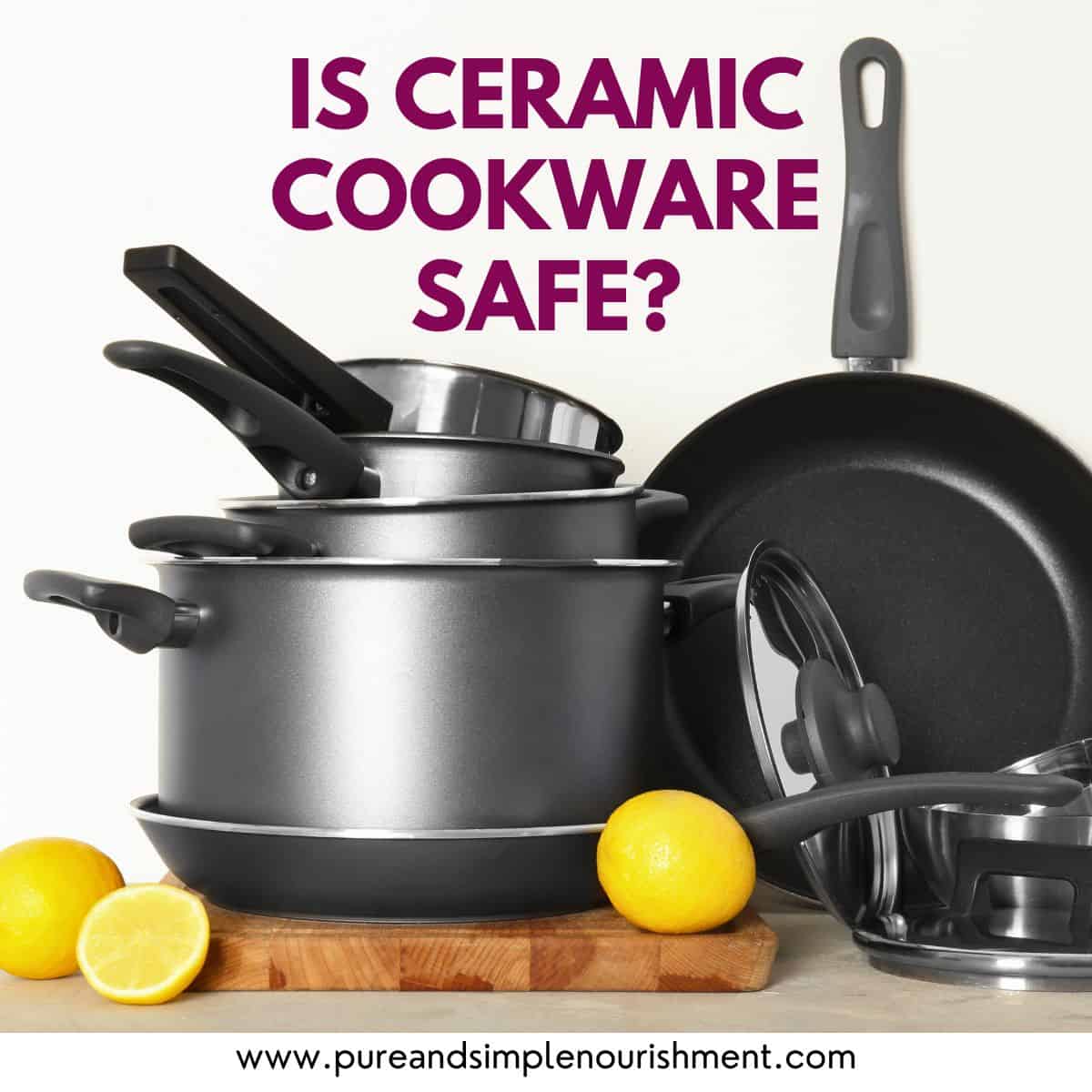
Ceramic cookware comes in different types. Each type has unique features and uses. Knowing these types helps you pick the right cookware for your kitchen. The main types are pure ceramic pots and pans and ceramic-coated cookware.
Understanding the differences helps you cook better and care for your cookware properly.
Pure Ceramic Pots And Pans
Pure ceramic cookware is made entirely from natural clay and minerals. These pots and pans are fired at high temperatures for strength and durability. They heat evenly, which helps food cook uniformly. Pure ceramic does not have any metal parts, making it safe for ovens and microwaves. These pieces are often heavier and can be fragile if dropped. They are great for slow cooking and baking.
Ceramic-coated Cookware
Ceramic-coated cookware has a metal base, usually aluminum or stainless steel. The cooking surface is coated with a ceramic layer. This coating gives non-stick properties without chemicals like PTFE or PFOA. Ceramic-coated pans heat quickly and clean easily. They are lighter and less fragile than pure ceramic cookware. These pans work well for frying, sautéing, and everyday cooking.
Differences And Uses
Pure ceramic cookware is best for gentle cooking and baking. It retains heat longer and is oven-safe. Ceramic-coated cookware is ideal for quick cooking and frying. It offers easy food release and cleaning. Pure ceramic may crack if exposed to sudden temperature changes. Ceramic-coated pans can scratch if metal utensils are used. Choose pure ceramic for slow recipes and ceramic-coated for fast meals.
Credit: www.pureandsimplenourishment.com
Care And Maintenance Tips
Caring for ceramic cookware helps keep it safe and lasts long. Proper care keeps the non-stick surface smooth and avoids stains. Simple steps make your ceramic pots and pans look new.
Use gentle methods to clean and store your cookware. Avoid harsh treatment to protect the ceramic coating. Follow easy rules to prevent damage and maintain performance.
Cleaning Best Practices
Clean ceramic cookware after every use. Use warm water and mild dish soap. Soft sponges or cloths work best to avoid scratches. Avoid steel wool or rough scrubbers that can ruin the surface.
For stuck-on food, soak the pan in warm water. Let it sit for 10 to 15 minutes. Then wipe gently to remove residue. Dry thoroughly before storing to stop rust or stains.
Avoiding Damage
Do not heat empty ceramic pans. High heat without food can crack the coating. Use low to medium heat for cooking. Avoid sudden temperature changes to prevent warping.
Use wooden, silicone, or plastic utensils. Metal tools can scratch and harm the ceramic layer. Handle cookware carefully to avoid dropping or banging it.
Storage Recommendations
Store ceramic cookware in a dry place. Stack pans with a soft cloth or paper towel between them. This stops scratches and chipping.
Keep lids separate or place a cloth between lid and pan. Avoid overcrowding the storage area. Give each piece space to prevent damage.
Comparing Ceramic With Other Cookware
Choosing the right cookware affects your cooking and health. Ceramic cookware is popular, but how does it compare to other types? Let’s explore ceramic against non-stick, stainless steel, and cast iron cookware. This helps you pick the best option for your kitchen.
Ceramic Vs Non-stick
Ceramic cookware has a natural, non-stick surface made from minerals. It does not contain harmful chemicals like PFOA or PTFE. Non-stick pans often use synthetic coatings that may wear off quickly. Ceramic heats evenly but can be less durable than non-stick. Both are easy to clean, but ceramic resists scratches better. Ceramic is better for cooking at medium heat, while non-stick works well on low heat.
Ceramic Vs Stainless Steel
Stainless steel pans are tough and last long. They can handle high heat and brown food well. Ceramic pans have a smooth, coated surface that prevents food from sticking. Stainless steel needs more oil or butter to avoid sticking. Ceramic cookware is lighter and easier to clean. Stainless steel is good for searing and frying, but ceramic suits gentle cooking and simmering.
Ceramic Vs Cast Iron
Cast iron is heavy and heats slowly but keeps heat for a long time. It can last for generations with proper care. Ceramic cookware heats faster and is lighter. Cast iron needs seasoning to stay non-stick and avoid rust. Ceramic does not require seasoning and is easy to maintain. Cast iron works well for high-heat cooking, while ceramic is best for low to medium heat.

Credit: fromourplace.ca
Common Myths About Ceramic Cookware
Ceramic cookware is popular, but many myths surround it. These myths can confuse buyers and users. Understanding the truth helps in making better kitchen choices.
This section clears up common misunderstandings about ceramic cookware. The facts are simple and easy to grasp. Let’s explore the truth behind these myths.
Durability Concerns
Some say ceramic cookware breaks easily. This is not always true. High-quality ceramic is quite strong. It can last long with proper care. Avoid dropping or hitting it hard. Scratches can happen but don’t ruin the cookware.
Heat Tolerance
Many believe ceramic cookware cannot handle high heat. Actually, most ceramic pots and pans tolerate medium to high heat well. Sudden temperature changes should be avoided to prevent cracking. Use moderate heat for the best results. Ceramic holds heat evenly, cooking food well.
Health Risks
People worry about chemicals in ceramic cookware. True ceramic cookware is free from harmful substances like PFOA and PTFE. It does not release toxic fumes. The coating is usually safe and non-stick. Always choose trusted brands for safety assurance.
Choosing The Right Ceramic Cookware
Choosing the right ceramic cookware can change your cooking experience. It affects how food cooks and how easy cleaning is. The right set lasts long and stays safe for health. This guide helps you find the best ceramic cookware for your kitchen.
Factors To Consider
Check the coating quality. It should be thick and even for non-stick use. Look for cookware that heats evenly to avoid hot spots. The base material matters; aluminum or stainless steel bases work well. Choose pieces that fit your cooking style and stove type. Size and weight also affect handling and storage. Safety is key; make sure the cookware is free from harmful chemicals.
Top Brands And Models
Trusted brands offer reliable ceramic cookware with good reviews. Brands like GreenLife, Caraway, and Cuisinart often deliver quality. Popular models have durable coatings and sturdy construction. Many sets include different pot and pan sizes. Some brands offer cookware safe for oven and dishwasher use. Check for warranty and customer service to ensure support.
Budget Options
Ceramic cookware comes in many price ranges. Affordable sets still offer good non-stick surfaces. Look for smaller sets or single pans to save money. Budget-friendly options often suit beginners or occasional cooks. Compare prices and features to find the best value. Avoid very cheap cookware as it may wear out fast.
Frequently Asked Questions
Is Ceramic Cookware Non-toxic And Safe To Use?
Yes, ceramic cookware is generally non-toxic and free from harmful chemicals. It is safe for everyday cooking and does not release toxins.
How Does Ceramic Cookware Compare To Non-stick Pans?
Ceramic cookware offers a natural non-stick surface without synthetic coatings. It heats evenly and is often more scratch-resistant than traditional non-stick pans.
Can Ceramic Cookware Withstand High Cooking Temperatures?
Ceramic cookware can handle moderate to high heat but avoid extreme temperatures. Sudden temperature changes may cause cracking or damage to the cookware.
Is Ceramic Cookware Easy To Clean And Maintain?
Yes, ceramic cookware is easy to clean with warm soapy water. Avoid abrasive cleaners to maintain its smooth, non-stick surface longer.
Conclusion
Ceramic cookware offers many benefits for everyday cooking. It heats food evenly and cleans up easily. Many people like it because it is free of harmful chemicals. It also looks nice in the kitchen. Keep in mind, ceramic can chip if not handled well.
Choosing the right cookware depends on your cooking needs. Try ceramic cookware to see if it fits your style. It can be a healthy and simple choice for your meals. Give it a chance and enjoy cooking more.

Hello, This is Annie Walker, a 38-year-old blogger, founder, and editor of Cookware Guider from NY, USA. I am a cookware fanatic and passionate cooker. I love to cook with different types of cooking appliances (example: all types of cookware, rice cookers, slow cookers, etc) almost every day in my kitchen. I love to share my experience with my readers in my blog. Also, I enjoy helping people to solve their problems through my website. You can follow me on Twitter & Pinterest. To know details about my blog please check the about us page.