
Are you wondering if copper cookware is safe for your kitchen? You’ve probably seen those shiny pots and pans and thought about adding them to your collection.
But before you do, it’s important to know how copper affects your food and health. This article will clear up the confusion and help you make the best choice for your cooking. Keep reading to discover the truth about copper cookware and why it might be the perfect fit—or not—for your kitchen.
Health Risks Of Copper Cookware
Copper cookware is popular for its excellent heat conductivity and beautiful appearance. But using it comes with health concerns. Copper can leach into food, especially acidic dishes, causing health problems. Understanding the health risks of copper cookware helps you decide how to use it safely. Copper poisoning is rare but serious. Knowing the symptoms and risk factors is important for anyone using copper pots and pans.
Copper Toxicity Symptoms
Copper toxicity happens when too much copper builds up in the body. It can cause mild to severe symptoms depending on the amount absorbed. Early signs are often confused with other illnesses, so pay close attention if you use copper cookware regularly.
- Nausea and vomiting: Feeling sick to the stomach is one of the first signs.
- Abdominal pain: Stomach cramps or discomfort may occur.
- Diarrhea: Loose or watery stools can indicate copper poisoning.
- Headache: Persistent headaches may develop over time.
- Dizziness: Feeling faint or lightheaded is common.
- Metallic taste: A strange taste in the mouth may appear.
In severe cases, copper toxicity can affect organs such as the liver and kidneys. It may cause:
- Yellowing of the skin or eyes (jaundice)
- Fatigue and weakness
- Confusion or difficulty concentrating
- Irregular heartbeat
Untreated copper poisoning can lead to serious health issues. Seek medical help if you notice these symptoms after cooking with copper pans.
Conditions Increasing Risk
Some factors raise the chance of copper leaching from cookware into food. These conditions make copper toxicity more likely:
| Condition | Why It Increases Risk |
|---|---|
| Cooking acidic foods | Acidic ingredients like lemon, tomato, or vinegar cause copper to dissolve faster. |
| Unlined copper cookware | Pure copper surfaces release more copper into food than lined pans. |
| Damaged lining | Scratches or wear on the lining expose copper directly to food. |
| Long cooking times | Extended heating increases copper transfer to meals. |
| High heat | Cooking at very high temperatures speeds up copper leaching. |
People with certain health issues may be more sensitive to copper intake. These include:
- Liver disease: The liver processes copper; damage reduces this ability.
- Wilson’s disease: A genetic disorder causing copper buildup in the body.
- Kidney problems: Reduced clearance of copper from the bloodstream.
- Pregnancy: Extra care is needed to avoid copper overload during pregnancy.
Using copper cookware properly reduces risk. Always use lined copper pots for acidic foods. Avoid cooking long hours or on very high heat. Regularly check the lining for damage.
:max_bytes(150000):strip_icc()/__opt__aboutcom__coeus__resources__content_migration__serious_eats__seriouseats.com__2018__12__20181116-copper-pot-making-vicky-wasik-18-ee43034ff3634c8e834f58387fd9c330.jpg)
Credit: www.seriouseats.com
Benefits Of Using Copper Cookware
Copper cookware offers many benefits that make it popular in kitchens worldwide. It is prized for its unique properties that help cooks prepare food more evenly and efficiently. Choosing copper cookware can improve your cooking experience in several ways. Understanding these benefits helps you decide if copper pots and pans suit your needs.
Superior Heat Conductivity
Copper is one of the best metals for heat conduction. It transfers heat much faster and more evenly than other common cookware materials like stainless steel or aluminum.
- Quick heat-up: Copper cookware heats up rapidly, saving time and energy.
- Even heat distribution: No hot spots mean food cooks uniformly without burning.
- Precise temperature control: Copper cools down quickly, allowing better control over cooking temperature.
This excellent heat conductivity helps prevent overcooking or undercooking. It also allows you to cook delicate dishes requiring gentle heat, such as sauces and custards.
| Material | Heat Conductivity (W/m·K) |
|---|---|
| Copper | 401 |
| Aluminum | 237 |
| Stainless Steel | 16 |
This table shows copper’s heat conductivity is far superior to other metals. This trait makes copper cookware ideal for cooking tasks requiring precision and speed.
Enhanced Cooking Performance
Copper cookware improves overall cooking quality. It helps food cook more evenly and retain flavor and texture better than many other materials.
Key points include:
- Better browning and caramelization: Copper heats evenly, helping create rich flavors and attractive color.
- Consistent simmering: Maintaining low temperatures is easier, ideal for sauces and delicate foods.
- Faster cooking times: Heat transfers quickly, reducing cooking duration.
Using copper pots and pans can reduce the risk of burnt or unevenly cooked food. This results in tastier meals and less waste.
Here is a quick comparison of cooking results:
| Cookware Type | Even Cooking | Flavor Retention | Heat Control |
|---|---|---|---|
| Copper | Excellent | High | Precise |
| Cast Iron | Good | Moderate | Slow |
| Non-stick | Fair | Low | Less precise |
Overall, copper cookware is a smart choice for cooks who want better control and improved results in the kitchen.
Types Of Copper Cookware Coatings
Copper cookware is prized for its excellent heat conductivity and elegant look. Yet, pure copper reacts with food, which can cause safety concerns and affect taste. To solve this, manufacturers coat copper pans with different materials. These coatings protect the copper and make the cookware safe for cooking. Understanding the types of copper cookware coatings helps choose the best option for your kitchen.
Tin-lined Copper
Tin lining is the traditional coating for copper cookware. It forms a smooth, non-reactive surface between the copper and food.
- Food safety: Tin does not react with acidic or alkaline foods.
- Heat conduction: Tin is a good conductor and keeps copper’s heat benefits.
- Maintenance: Tin wears out over time and needs re-tinning every few years.
Tin-lined pans are ideal for low to medium heat cooking. They provide excellent control but are less durable than other coatings.
| Feature | Description |
|---|---|
| Durability | Requires re-tinning, can wear out |
| Heat Conductivity | Excellent heat transfer |
| Safety | Non-reactive with most foods |
| Best Use | Low to medium heat cooking |
Tin-lined copper is perfect for sauces, eggs, and delicate dishes. It ensures food safety while keeping traditional copper benefits.
Stainless Steel-lined Copper
Stainless steel lining is a modern choice for copper cookware. It creates a tough, long-lasting cooking surface.
- Durability: Stainless steel resists scratches and lasts longer than tin.
- Maintenance: Requires less care and does not need re-coating.
- Heat conduction: Stainless steel is less conductive than tin but combined with copper, it heats evenly.
- Safety: Stainless steel is non-reactive and safe for all foods.
Many chefs prefer stainless steel-lined copper for its balance of performance and durability. It handles high heat well and suits searing and frying.
| Feature | Description |
|---|---|
| Durability | Highly durable and scratch-resistant |
| Heat Conductivity | Good, but slightly less than tin lining |
| Safety | Non-reactive with all foods |
| Best Use | High heat cooking, frying, searing |
Unlined Copper
Unlined copper cookware means no coating on the cooking surface. It offers direct contact between copper and food.
Pure copper reacts with acids and alkaline foods. This can cause:
- Metallic taste in food
- Greenish discoloration
- Possible copper toxicity with long-term use
Some cooks prefer unlined copper for specific tasks like candy making or decorative use. It heats very fast and cools quickly.
Important points about unlined copper:
- Not safe for everyday cooking of acidic foods.
- Requires careful cleaning and polishing.
- May develop patina over time.
Unlined copper is best for those who understand its risks and maintain it properly. It is not recommended for general cooking without lining.
Safe Practices For Using Copper Cookware
Copper cookware offers excellent heat conductivity and an attractive look, but safety matters when using it. Following safe practices can keep your copper pots and pans in great shape and protect your health. Proper care and smart cooking choices help avoid risks linked to copper exposure. Understanding how to maintain and use copper cookware ensures you enjoy its benefits safely and effectively.
Proper Maintenance And Cleaning
Keeping copper cookware clean and well-maintained is essential for safety and durability. Copper can tarnish and develop a greenish layer called patina. While patina is not harmful, it affects appearance and can impact cooking quality.
Follow these tips for proper maintenance:
- Hand wash only: Avoid dishwashers. Use warm water, mild dish soap, and a soft sponge.
- Dry immediately: Prevent water spots and corrosion by drying with a soft cloth after washing.
- Polish regularly: Use a copper cleaner or natural options like lemon juice and salt to restore shine.
- Check the lining: Most copper pans have a tin or stainless steel lining. Avoid scratches to prevent copper exposure.
- Store properly: Keep cookware dry and separate to avoid scratches and dents.
Use this simple table to remember cleaning steps:
| Step | Action | Notes |
|---|---|---|
| 1 | Wash with mild soap | Use soft sponge, avoid abrasive pads |
| 2 | Rinse with warm water | Ensure no soap residue remains |
| 3 | Dry immediately | Prevents water spots and corrosion |
| 4 | Polish monthly | Use copper cleaner or lemon salt mix |
Proper maintenance extends cookware life and reduces copper leaching risks. Always inspect the lining before use to ensure it stays intact. Damaged lining should be repaired or replaced to keep cooking safe.
Avoiding Acidic Foods
Cooking acidic foods in copper cookware can cause copper to leach into the food. This may lead to an unpleasant metallic taste and health risks if copper intake is too high. Acidic foods include tomatoes, vinegar, citrus fruits, and wine.
Take these steps to avoid issues:
- Use lined copper pans: Copper cookware with stainless steel or tin lining prevents direct contact with acidic ingredients.
- Avoid prolonged cooking: Do not cook acidic foods for long periods in copper pans, even if lined.
- Use alternative cookware: For highly acidic recipes, choose non-reactive pans like stainless steel or cast iron.
- Cook acidic sauces separately: Make tomato sauce or vinegar-based dishes in a different pot to avoid copper exposure.
The table below lists common acidic foods to avoid in unlined copper cookware:
| Acidic Food | Examples | Risk Level |
|---|---|---|
| Fruits | Lemons, oranges, pineapples | High |
| Vegetables | Tomatoes, rhubarb | High |
| Vinegars | Apple cider, balsamic, white | High |
| Alcohol | Wine, beer | Moderate |
By avoiding acidic foods in unlined copper cookware, copper exposure stays low. This practice keeps food taste pure and cooking safe. Always check the pan’s lining type before preparing acidic dishes.
Comparing Copper With Other Cookware Materials
Choosing the right cookware affects your cooking results and kitchen safety. Copper cookware stands out for its heat conductivity and beauty. Comparing copper with other common materials helps you decide what fits your needs best. Each material has unique features, benefits, and drawbacks. Understanding these differences guides you to safe and effective cooking.
Copper Vs Stainless Steel
Copper heats up quickly and cools down fast, giving precise temperature control. Stainless steel heats slower but keeps heat evenly once hot. Copper pans often have a stainless steel lining to prevent copper from touching food directly, which improves safety. Stainless steel alone does not react with food, making it very safe.
- Heat Conductivity: Copper is the best conductor, stainless steel is average.
- Durability: Stainless steel is harder and more scratch-resistant than copper.
- Maintenance: Copper needs polishing to keep its shine; stainless steel is low-maintenance.
- Reactivity: Copper can react with acidic foods if unlined; stainless steel is non-reactive.
Here is a simple comparison table:
| Feature | Copper | Stainless Steel |
|---|---|---|
| Heat Conductivity | Excellent | Moderate |
| Durability | Moderate | High |
| Maintenance | High (requires polishing) | Low |
| Food Safety | Safe if lined | Safe |
Copper Vs Cast Iron
Copper cookware heats up and cools down quickly, while cast iron heats slowly and retains heat longer. Cast iron is very durable and can last for decades. Copper is lighter and easier to handle than cast iron, which can be heavy. Cast iron needs seasoning to keep food from sticking and to prevent rust. Copper usually comes with a lining that prevents food from touching the metal.
- Heat Control: Copper offers fast, precise heat changes.
- Heat Retention: Cast iron holds heat for a long time.
- Weight: Copper is lighter; cast iron is heavy.
- Maintenance: Cast iron requires regular seasoning; copper needs polishing and care.
- Reactivity: Copper can react with some foods if unlined; cast iron can add iron to food.
Summary in a table:
| Feature | Copper | Cast Iron |
|---|---|---|
| Heat Conductivity | Excellent | Poor |
| Heat Retention | Low | High |
| Weight | Light | Heavy |
| Maintenance | High (polishing needed) | Moderate (seasoning needed) |
| Reactivity | Reacts if unlined | Can add iron to food |
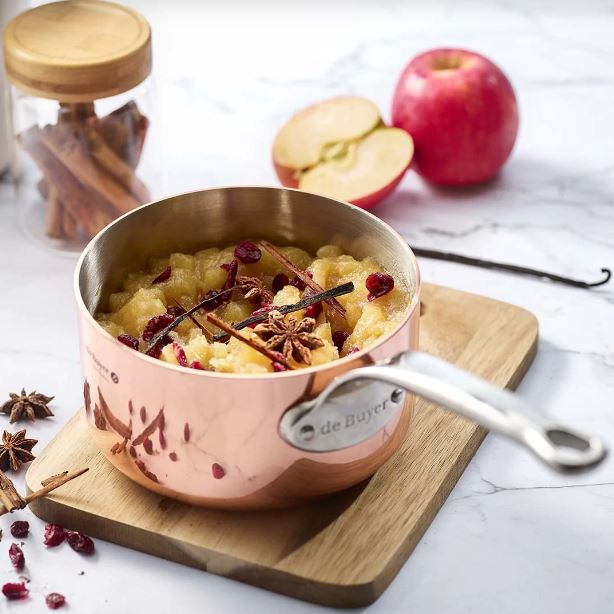
Credit: www.debuyer-usa.com

Credit: cooking.stackexchange.com
Frequently Asked Questions
Is Copper Cookware Toxic To Health?
Copper cookware can be toxic if unlined and used improperly. Most copper pots are lined with stainless steel or tin to prevent copper leaching. Properly lined copper cookware is safe for everyday cooking and does not pose health risks.
Does Copper Cookware React With Acidic Foods?
Unlined copper reacts with acidic foods, causing metallic taste and copper leaching. Lined copper cookware prevents this reaction and keeps food safe. Always use lined copper pots for cooking acidic ingredients like tomatoes and citrus.
How To Maintain And Clean Copper Cookware?
Clean copper cookware with mild soap and soft cloth to maintain shine. Avoid abrasive cleaners that damage the surface. Regular polishing helps prevent tarnish and keeps copper cookware looking new and performing well.
Can Copper Cookware Improve Cooking Performance?
Copper cookware offers excellent heat conductivity and even cooking. It heats quickly and responds to temperature changes precisely. This makes copper pots ideal for delicate recipes requiring accurate temperature control.
Conclusion
Copper cookware offers excellent heat control for cooking. It can be safe if lined with stainless steel or tin. Unlined copper may release metals harmful to health. Regular cleaning keeps cookware in good condition. Choose well-made pieces and follow care instructions closely.
Enjoy cooking with copper, but take safety steps first. This way, your meals stay tasty and healthy. Copper pots and pans can last many years. Use them wisely for best results in the kitchen.

Hello, This is Annie Walker, a 38-year-old blogger, founder, and editor of Cookware Guider from NY, USA. I am a cookware fanatic and passionate cooker. I love to cook with different types of cooking appliances (example: all types of cookware, rice cookers, slow cookers, etc) almost every day in my kitchen. I love to share my experience with my readers in my blog. Also, I enjoy helping people to solve their problems through my website. You can follow me on Twitter & Pinterest. To know details about my blog please check the about us page.